Turkey is a country of many climates, and the best time to visit depends on where you are going and what you want to do. For most travelers, the ideal windows are the shoulder seasons: spring from April to June and autumn from September to October, when the weather is warm but not scorching, the crowds are thinner, and prices are lower than in midsummer. The Mediterranean coast shines in summer, Cappadocia is beautiful in almost every season, and Istanbul rewards visitors year-round. Winter brings skiing, smaller crowds, and low prices in most regions. This guide breaks down the seasons, region by region, so you can match your travel dates to your perfect Turkish holiday.
The Short Answer
If you want one simple answer, the best months to visit Turkey are May, June, September, and October. In these months, most of the country enjoys pleasant temperatures, sunny skies, and manageable crowds. The seaside is warm enough for swimming, and the interior is comfortable for sightseeing.
Summer, from mid-June to August, is the peak season. The coast is hot, crowded, and more expensive, but the beaches are at their best. Winter, from December to February, is quiet and affordable, with snow in the mountains and mild weather along parts of the coast.
The choice ultimately depends on your priorities. History lovers, beach goers, hikers, and skiers each have their own ideal season. The sections below explain what each period offers so you can decide with confidence.
Spring: April and May
Spring is one of the most beautiful times to visit Turkey. In April, the landscape is green and carpeted with wildflowers, especially in Cappadocia and the Aegean region, where the countryside puts on a spectacular display. Temperatures are mild, ideal for walking and exploring ancient sites.
May is the beginning of the beach season along the Mediterranean and Aegean coasts. The sea is still cool, but the sun is warm, and the crowds of summer have not yet arrived. This makes May a favorite for travelers who want beaches without the chaos.
Prices in spring are moderate, and you can often find good deals on hotels and flights. The main risk is rain, which is more likely in April, so pack a light layer and an umbrella. Overall, spring offers the best balance of weather and value.
Summer: June to August
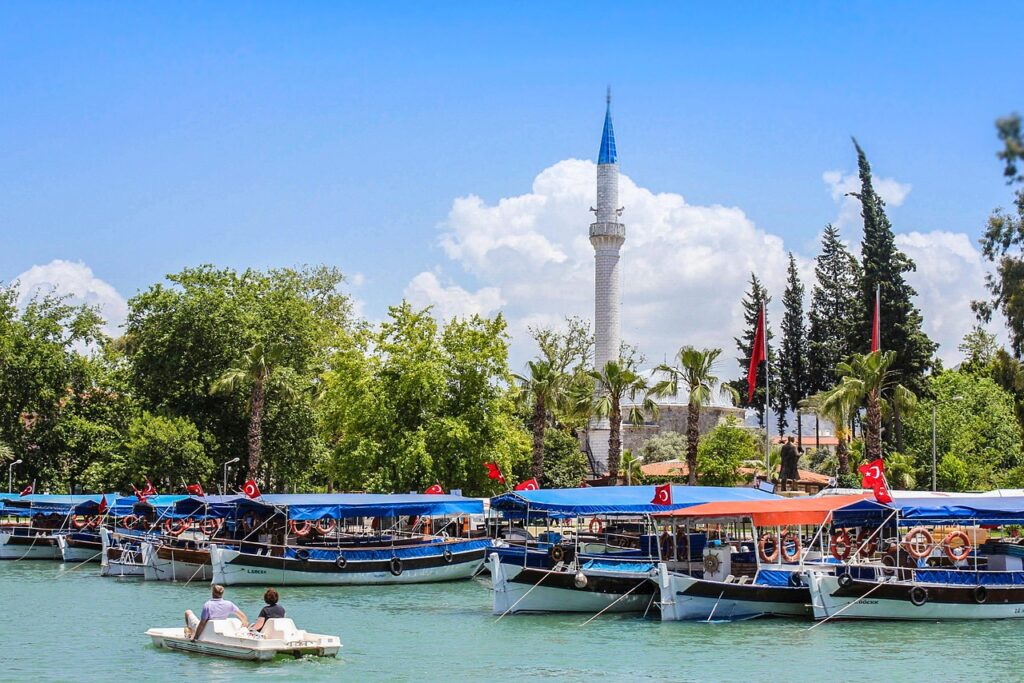
Summer is Turkey’s peak season, and for good reason: the Mediterranean and Aegean coasts deliver long, hot, sunny days perfect for swimming, sailing, and relaxing. Water parks, boat trips, and beach towns come alive, and the holiday energy is infectious.
The downside is heat and crowds. In July and August, temperatures in coastal resorts and cities like Istanbul can feel intense, and popular sights like the Hagia Sophia and Ephesus draw long queues. Hotels and flights cost more, and beach towns fill up quickly.
If you love the sea and do not mind the heat, summer is wonderful, especially in June, which is more forgiving than July and August. For sightseeing-heavy trips, though, the summer sun can be exhausting, so plan indoor activities during the hottest afternoon hours.
Autumn: September and October
Autumn rivals spring as the best time to visit Turkey. September retains summer warmth, with the sea still comfortable for swimming and the crowds beginning to thin after the school holidays. It is an excellent month for the coast and for Istanbul.
October brings cooler, comfortable temperatures across most of the country, perfect for exploring ancient cities, hiking in Cappadocia, and wandering through Istanbul’s streets without the summer rush. The autumn light is beautiful for photography, and the landscapes take on golden tones.
Prices drop noticeably after the summer peak, and you will often find quieter versions of popular attractions. Early October can still be warm enough for the beach, while late October suits culture and countryside travel. For most travelers, autumn is a near-perfect choice.

Winter: November to March
Winter is Turkey’s quiet season, and it has its own charms. Istanbul and the western cities remain lively with low-season prices, shorter queues at museums, and atmospheric streets. Many travelers report that a winter visit offers a more intimate experience of the famous sites.
The mountains transform winter into ski season. Uludag, near Bursa, and the resorts of Erzurum and Kayseri attract skiers, and Cappadocia under snow is a breathtaking sight, though some outdoor activities slow down.
Coastal towns largely close for winter, with many hotels and restaurants shutting until spring. The Aegean and Mediterranean coasts are mild but wet. If you want sun and sea, winter is the wrong time; if you want culture, value, and snow, it is a fine choice.
The Coast Versus the Interior
Turkey’s climate varies dramatically between the coasts and the interior. The Mediterranean and Aegean coasts enjoy hot, dry summers and mild, wet winters, which is why they dominate summer tourism. The Black Sea coast is cooler, greener, and wetter, with a different character entirely.
Central Anatolia, home to Ankara and Cappadocia, has a continental climate with cold winters, hot summers, and dramatic temperature swings. Cappadocia is spectacular year-round, but winter mornings are freezing, while summer days are intense.
Southeastern Turkey is hot and dry in summer and cool in winter, with extreme summer heat in places like Sanliurfa. Matching your destinations to the season is the key to comfort, because the country is far too diverse for a single weather rule.

Istanbul Through the Seasons
Istanbul is a year-round destination, but each season changes the experience. Spring and autumn are the sweet spots, with mild temperatures, blooming parks, and comfortable sightseeing. Summer is busy and humid, with long days and warm evenings that suit rooftop dinners and Bosphorus cruises.
Winter in Istanbul is cold, damp, and occasionally snowy, yet the city looks magical under a dusting of snow, and museums, hammams, and cafes offer cozy escapes. The light winter crowds make the great monuments far more pleasant to visit.
One practical note: Istanbul in summer is also festival season, with concerts and cultural events throughout the city. If your main goal is the classic sights, aim for May, June, September, or October; if you want atmosphere and value, consider December or January.
Cappadocia and Central Anatolia
Cappadocia deserves its own section because its seasons differ from the coasts. Spring and autumn offer the most reliable weather for hot air balloon flights, with clear skies and moderate temperatures, though balloon flights are weather-dependent in every season.
Summer in Cappadocia is hot and dry, perfect for hiking the valleys in the early morning, but the midday sun is punishing. Winter brings snow, occasional closures, and stunning landscapes, while the famous caves stay warm and cozy indoors.
The rule for Cappadocia is simple: aim for April to June or September to November. These windows give you the best chance of balloon flights, comfortable hiking, and fewer crowds, while still letting you enjoy the region’s extraordinary scenery.

Events and Festivals by Season
Turkey’s calendar adds color to any visit. Spring brings the Istanbul Tulip Festival, when millions of tulips bloom across the city’s parks. Summer hosts music festivals in Istanbul and along the coast, plus the historic camel wrestling events in the Aegean region.
Autumn features film and culture festivals, while winter events center on New Year celebrations and, in the east, the striking winter festivals of Kars and Erzurum. Religious holidays shift dates each year and affect opening hours and travel patterns.
If your trip can be flexible, building it around an event you love can elevate the experience. Otherwise, simply be aware that during major holidays, domestic travel surges and popular sites can be busier than expected.
Choosing the Right Time for You
The best time to visit Turkey ultimately comes down to your own travel style. If beaches are your priority, go in June, September, or July if you accept the crowds. If history and cities call you, spring and autumn offer the perfect climate.
If you ski, plan for January and February. If you are chasing balloon flights in Cappadocia, spring and autumn give the best odds. If your budget is tight, winter brings the lowest prices, and the shoulder seasons balance cost and comfort nicely.
A useful tip: whatever you choose, book early for summer, and be flexible in the shoulder seasons. Turkey rewards travelers who match their interests to the seasons, and a little planning turns a good trip into an unforgettable one.
Practical Weather Notes
Whichever season you choose, a few practical notes will improve your comfort. Summer heat in the south is no joke: drink water constantly, wear a hat and sunscreen, and plan outdoor sightseeing for the morning hours. Air conditioning is standard in hotels, buses, and many restaurants, so you will always find relief.
Spring and autumn days are pleasant, but evenings can turn cool, especially in Cappadocia and the interior, so pack a light jacket or sweater even if the forecast says warm. Rain is most likely in spring and winter, and a foldable umbrella takes up almost no space.
Winter travelers should pack layers and warm footwear for cities, and thermal clothing if they plan to ski. Whichever season you pick, dressing in layers and checking the weekly forecast before you go will let you enjoy Turkey in comfort.
Frequently asked questions
What is the hottest month in Turkey?
July is typically the hottest month, especially along the Mediterranean and Aegean coasts, where temperatures can feel intense. Central Anatolia also gets very hot in July and August. If you are sensitive to heat, choose May, June, September, or October for your visit instead.
Is Turkey good to visit in winter?
Yes, for the right traveler. Istanbul and the western cities are quiet, affordable, and atmospheric, with low prices and fewer crowds. The mountains offer skiing, and Cappadocia under snow is stunning. However, beach towns close down and coastal areas are cool and wet.
When is the best time for a Cappadocia hot air balloon ride?
April to June and September to November offer the best chances of clear, calm weather for balloon flights. Flights run in other seasons too, but they depend heavily on daily conditions, so allow flexibility in your schedule and plan for the possibility of a rescheduled flight.

All Over Information
The All Over Information editorial team researches and writes practical English-language guides to Turkey. Facts are checked against official and local sources before publication, prices are published as dated ranges rather than quotes, and guides are revised when things change. We accept no sponsored posts, paid placements or paid links.
More guides like this

Is English Widely Spoken in Turkey?
The short answer is that English is widely spoken in Turkey's tourist areas, but it is not a country where you can…

How Do Public Holidays Affect Travel in Turkey?
Turkey loves its holidays, and the calendar is crowded with them.

Is Turkey a Muslim Country and What Does That Mean for Travelers?
The short answer is yes: Turkey is a predominantly Muslim country, with the vast majority of its citizens identifying as Muslim.

What Are the Best Souvenirs to Bring Back from Turkey?
Turkey is a shopper's paradise, and choosing souvenirs is half the fun of the trip.

Can Foreigners Buy Property Easily in Turkey?
Turkey is one of the few countries in the world where buying a home is a realistic path to residency and even…

How Much Does a Trip to Turkey Cost per Week?
Everyone asks this question, and the honest answer is: it depends more on you than on Turkey.