Bebek sits on the European shore of the Bosphorus, roughly halfway between the city center and the Black Sea, and the journey there is one of the most scenic commutes in the world. The ferry, the bus, the taxi, and the private car all reach the village, and each has its moment: the ferry for the beauty, the bus for the price, the taxi for the luggage, the car for the flexibility. This guide covers every route in detail — from the airports, from the main districts, and within the neighborhood — so you can choose the one that fits your trip.
From the Airports
Both of Istanbul’s airports connect to Bebek, and the routes differ more than the distances suggest. From Istanbul Airport (IST) on the European side, the airport shuttle to Beşiktaş is the reliable budget option — the journey takes about an hour, and a short taxi or bus from Beşiktaş completes the trip to the village. A direct taxi takes forty to fifty minutes and costs more, but it is the sensible choice with luggage or a late arrival. From Sabiha Gökçen (SAW) on the Asian side, the shuttle to Kadıköy followed by a ferry across the strait is the scenic route — the crossing delivers you to the Bosphorus shore minutes from Bebek, and the whole journey takes about ninety minutes. For both airports, the ride-hailing apps show the fare in advance and remove the negotiation.
By Ferry: The Water Route
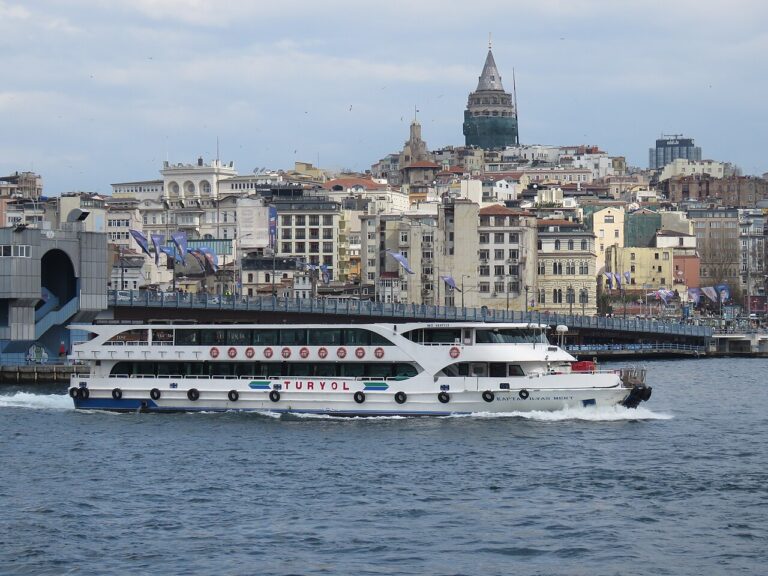
The ferry is the way Bebek was meant to be reached. The village has its own landing on the promenade, and the ferries connect it with Beşiktaş to the south, with the Asian shore at Üsküdar and Kadıköy, and with the villages of the northern Bosphorus. The crossings take twenty to thirty minutes, the decks are open to the wind and the spray, and the views — the fortresses, the bridges, the villages of both shores — make the commute a pleasure. An Istanbulkart covers the ferries, and the card works on every mode of transport in the city. Check the timetable the evening before; the frequencies vary by route and season.

From Taksim and the City Center
Taksim Square is the usual starting point for visitors, and Bebek is an easy ride from there. The taxi takes about fifteen minutes in light traffic, or you can take the funicular down to Kabataş and then a short taxi or bus along the shore. The buses from Taksim run south and west toward Beşiktaş, and the connections from there to Bebek are frequent. On fine evenings, the most pleasant approach is on foot along the waterfront from Beşiktaş — the promenade walk takes about half an hour, flat and beautiful, and it delivers you to Bebek the way the residents arrive on their evening strolls.
From the Asian Side
Crossing from the Asian side is the classic Bebek arrival. The ferries from Üsküdar and Kadıköy cross the strait directly, and the Bebek landing is a short walk from the square. The crossing takes about twenty minutes, and the ride — the village appearing across the water, the fortress on the hill, the bridge overhead — is the postcard view of the journey. The alternative is the road route over the bridge, faster in theory but unpredictable in traffic, and the toll adds to the fare. For most travelers, the ferry is the answer: cheaper, more scenic, and usually faster than the road.

Getting Around the Village
Bebek is small enough to explore entirely on foot, and its attractions — the promenade, the park, the cafés, the fortress walk — are all within easy walking distance of the square. The hills behind the village are steep, but the climbs reward the effort with the viewpoints. Taxis are available on the main roads, and the ride-hailing apps work throughout the neighborhood. The nearest transport hubs are Beşiktaş to the south and the village’s own ferry landing, and both connect to the wider city. For the walk to Rumeli Hisarı and Arnavutköy, the promenade is the path — flat, scenic, and part of the experience.
The Practical Tips
A few habits make the journeys smooth. Always carry an Istanbulkart — it is the key to the entire public transport network, and the machines at the ferry landings and the bus stops sell and top up the cards. Confirm the fare before taking a taxi, or use a ride-hailing app to avoid the negotiation. Allow more time than you think you need for airport journeys — Istanbul traffic is unpredictable, and the shore roads are among the busiest in the city. And for the return, check the last ferry time before you set out, so the evening crossing does not become a midnight taxi ride.

The Ferry Routes in Detail
The ferry network deserves a closer look, because it is the key to the whole city from Bebek. The village’s pier serves the Bosphorus line, which runs the length of the strait with stops at the villages and the piers along both shores; the same line connects to the Asian side at Üsküdar and beyond. The commuter ferries run frequently in the peak hours, and the schedules thin out in the middays and the evenings. The ferries are the most scenic public transport in Istanbul, and the rides double as sightseeing — the fortresses, the bridges, the palaces, the villages passing in a single crossing. An Istanbulkart makes the rides cheap, and the card works on every line. For the traveler based in Bebek, the ferry is not just transport — it is the daily cruise that connects to everything.
The Road Routes
The road routes have their moments, and the private car or the taxi is the right choice at the right time. The shore road south to Beşiktaş and on to the old city runs along the water, with the Bosphorus on one side and the palaces and the villages on the other — one of the great urban drives in the world when the traffic is light. The bridge routes cross to the Asian side, and the ring roads connect to the airports. The traffic is the catch: the shore road jams at the peak hours and on the weekends, and the bridge approaches back up for kilometers. The rule of thumb is simple: the ferry for the commuting hours, the car for the off-peak journeys, and the taxi for the luggage and the late nights.
A final practical note: the transport of Istanbul is a network of moving parts, and the traveler who holds the Istanbulkart and the patience rides it smoothly. The ferries, the buses, and the trams connect Bebek to every district, and the apps show the real-time schedules. Allow the buffer for the traffic, check the last ferries, and treat the journeys as part of the trip — the Bosphorus commute is one of the reasons to stay on the shore in the first place.

The Traveling with Children and Luggage
The practical details for the family journeys round out the transport picture. With children, the ferry is the adventure — the spray, the gulls, the open decks — and the short crossings suit the small attention spans; the buses are the reliable backup. With luggage, the taxi or the ride-hailing car is the sensible choice, and the drivers help with the bags; the ferries handle the roller bags fine on the main routes, but the cobbles of the village favor the backpack. The airports are the long journeys — allow the extra time, keep the passports and the tickets handy, and let the hotel’s transfer service handle the smoothest option. The journeys with children and luggage need the patience and the planning, and the village repays the effort.
The Takeaway
Bebek is one of the best-connected villages on the Bosphorus, and the journey there is part of the pleasure. Choose the ferry for the beauty, the bus for the price, the taxi for the convenience, and the walk for the approach the residents know best. Once you arrive, the village is small enough to leave the transport behind — the promenade, the park, and the hills are all a walk away, and the water does the rest.
Frequently asked questions
How long does it take to get to Bebek from the center?
About fifteen to thirty minutes from Taksim by taxi or bus, and twenty to thirty minutes by ferry from the Asian side. The airport journeys take forty minutes to two hours depending on the airport and the traffic.
Which is better, the ferry or the taxi?
The ferry is cheaper and more scenic; the taxi is faster in light traffic and better with luggage. For most travelers, the ferry is the answer.
Can I walk to Bebek from Beşiktaş?
Yes — the waterfront promenade walk takes about half an hour and is one of the most pleasant approaches to the village.
Does the Istanbulkart work for the Bebek ferries?
Yes — the card works on every ferry, bus, tram, and metro in the city, and it is cheaper per ride than single tickets.

All Over Information
The All Over Information editorial team researches and writes practical English-language guides to Turkey. Facts are checked against official and local sources before publication, prices are published as dated ranges rather than quotes, and guides are revised when things change. We accept no sponsored posts, paid placements or paid links.
More guides like this

A First-Timer’s Guide to Bebek
Bebek is the Bosphorus village that Istanbul keeps for itself.

Bebek in Summer: A Complete Travel Guide
Summer is when Bebek becomes itself most fully.

A Foodie’s Guide to Bebek
Bebek is a serious eating destination disguised as a pretty village.
The Best Day Trips from Bebek
Bebek sits at the center of the Bosphorus, and the whole strait is its backyard.

Nightlife Guide to Bebek
Bebek's nightlife is not the club scene of Beşiktaş or the bar crawl of Karaköy — it is something rarer and, in…
