Taksim is the modern heart of Istanbul, where the city’s pulse is easiest to feel. The square is not a museum district; it is a living crossroads of shopping, nightlife, transport, and street life, and the natural base for most first-time visitors. This guide covers the square and its monuments, the avenue that runs from it, the food, the transport hub, and the practical details that make a first visit smooth.
Why Taksim Works So Well for First-Timers
Taksim sits on the European side of Istanbul, at the top of a hill above the Bosphorus. It is the symbolic center of modern Istanbul: the point where the city gathers for celebrations, concerts, and the everyday rush of millions. For a first-time visitor this is both the appeal and the challenge, because Taksim is a working neighborhood, not an open-air museum.
The practical case for basing yourself here is strong. The square is the city’s biggest transport hub, with the metro, the funicular, buses, and airport shuttles within a few steps. Istiklal Avenue, the famous pedestrian street, starts at the square and leads downhill through the old Pera district toward Galata. Most of the city’s nightlife is around it, and the historic peninsula is a short ride away.
The trade-off is noise and crowds. Taksim rarely sleeps, the avenue is shoulder-to-shoulder on weekends, and prices near the square run higher than a few streets away. But for energy, convenience, and that first taste of Istanbul as it actually lives, no neighborhood matches it.
Getting to Taksim
Istanbul has two main airports, and both connect to Taksim well. Istanbul Airport, on the European side, is the main international gateway; Sabiha Gokcen, on the Asian side, handles many budget and domestic flights. From either, the airport shuttles that serve the city center stop at Taksim Square, making the neighborhood an easy first stop after landing.
By rail, the M2 metro line runs straight through Taksim and links to the airport metro with one or two changes. From Sabiha Gokcen you can take the metro to the Marmaray rail tunnel, cross under the Bosphorus, and change again for Taksim. The routes are well signposted and easy to follow.
The transport card you need is the Istanbulkart, a reloadable card used across the metro, trams, buses, funiculars, and ferries. Buy it at the machines in the stations, load it with credit, and tap it as you board. Taxis also operate around the square.
Taksim Square and the Republic Monument
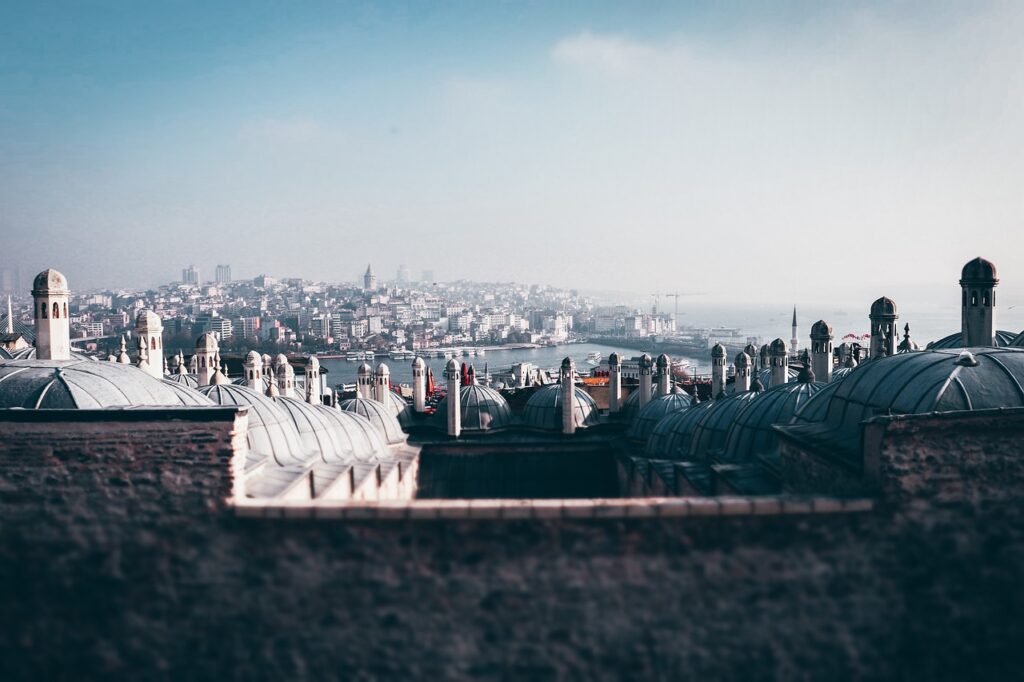
Taksim Square is a vast, open public space that serves as the city’s outdoor living room. On any day you will see street vendors, photographers, families, and students, and on national holidays the square fills with flags and crowds. Its name comes from the Ottoman-era water distribution point that once stood here.
At the center stands the Republic Monument, erected in 1928 to honor the founding of the Turkish Republic. The monument depicts Mustafa Kemal Ataturk with his companions and symbolizes the new state that rose from the old empire. One side of the monument faces the square and the other faces the avenue, and it is the standard meeting point for tours.
The square’s skyline has recently gained a new landmark in the Taksim Mosque, completed in 2021, at the edge of the plaza. Around the square you will also find the entrance to Gezi Park, the Ataturk Cultural Center, and the grand hotels that have watched over it for a century.
Walking Istiklal Avenue
Istiklal Avenue is the spine of the neighborhood, a pedestrian street about a kilometer and a half long that runs from Taksim Square down to Tunele Square. Walking its full length is the essential Taksim experience.
The avenue is lined with grand nineteenth-century buildings that once housed the embassies and banks of the cosmopolitan Pera district. Today they hold global brands, bookshops, music stores, cafes, and patisseries. The side passages hide some of the most atmospheric corners, including the Cicek Pasaji, a flower passage turned tavern alley, and the French Passage with its galleries.
A vintage red tram runs the length of the avenue, and catching a ride is one of the classic photo moments. The crowds are the main challenge; the avenue is busiest on weekend afternoons and emptiest in the early morning and late evening, when the light is at its best.

The Ataturk Cultural Center and Its Neighbors
At the edge of Taksim Square stands the Ataturk Cultural Center, known by its Turkish initials AKM. The current building, reopened in 2021 after a complete reconstruction, is Istanbul’s main opera, ballet, and theater house, and its glass facade gives the square a contemporary face. Check the performance program if you are interested in culture; tickets sell out quickly.
Beside the center lies Gezi Park, one of the largest green spaces in this part of the city. The park occupies the site of the old Taksim Military Barracks and offers shaded paths, lawns, and a quiet escape from the square’s bustle. Its glimpses of the lower city and the Bosphorus make it a pleasant place for a rest.
The pairing of the cultural center and the park captures modern Taksim, where the republic’s cultural life and the city’s everyday leisure meet.
Where to Eat as a First-Timer
Taksim is one of the easiest places in Istanbul to eat well, at every budget. The golden rule is to walk one street off the avenue; the restaurants on Istiklal itself pay for the foot traffic, while the side streets serve the same food at fairer prices.
For a first taste of Turkish home cooking, look for a lokanta, a simple eatery serving ready-made dishes from a display counter. For grilled meats, seek out an ocakbasi, where skewers cook over open charcoal in front of you. For a longer evening, a meyhane tavern offers meze, small plates, and raki. Breakfast is its own ritual, with a table spread of cheese, olives, tomatoes, eggs, and endless glasses of tea.
Street food is everywhere: simit, the sesame bread ring; midye, stuffed mussels; and fish sandwiches near the water. Finish any meal with tea or Turkish coffee, and remember that the busiest local place is usually the right one.
The Transport Hub at Your Doorstep
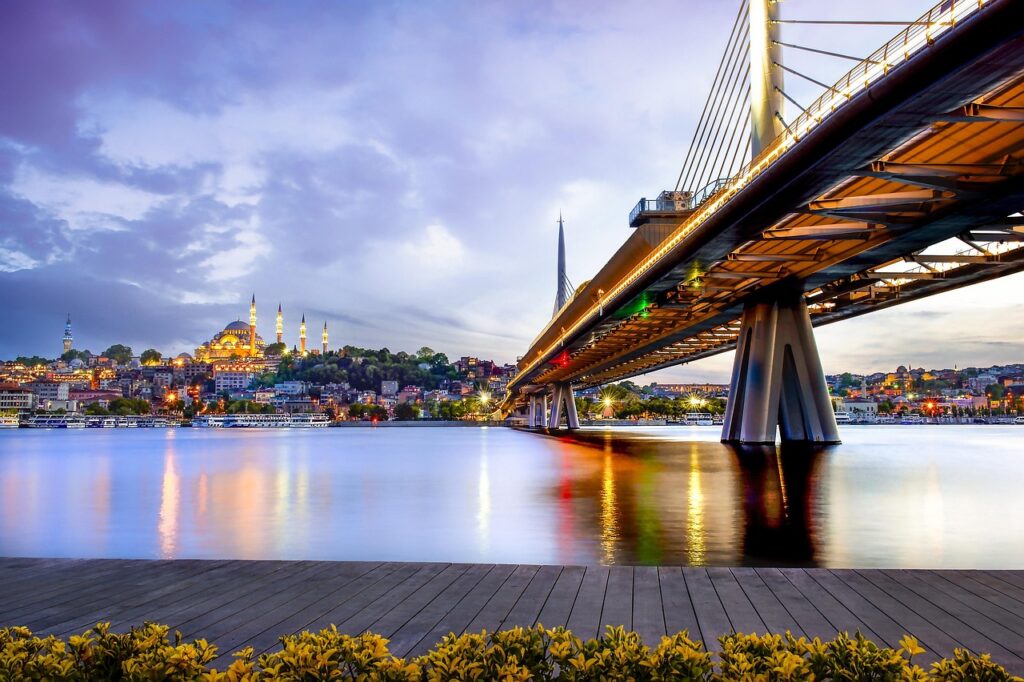
Taksim is the single most important transport junction in Istanbul, and staying here means the whole city is within reach. The M2 metro line runs from the historic peninsula through Taksim and north toward the business districts, putting the old city and the ferry ports a short ride away.
The F1 funicular drops from Taksim to Kabatas in under two minutes, where ferries cross the Bosphorus to the Asian side. The nostalgic red tram runs along Istiklal, and bus lines fan out from the square, while airport shuttles depart nearby throughout the day.
The Istanbulkart makes all of this seamless, and contactless bank cards work on most readers as well. With a single card you can move from a ferry to the metro to a bus without thinking about it.
Where to Stay in Taksim
Accommodation in Taksim spans the whole range, from hostels and budget guesthouses to grand historic hotels with views over the square. The right choice depends on the kind of trip you want, because the neighborhood’s different pockets have very different characters.
Staying right on the square puts you at the center of everything, but it stays busy into the small hours, so light sleepers should ask for a room away from the street. The side streets of Beyoglu, around Asmali Mescit and toward Galata, are quieter and full of boutique hotels in restored buildings. Cihangir, the residential hill above the avenue, offers charm and cafe life.
Wherever you choose, you will be within walking distance of the main sights and a short ride from the rest of the city. For nightlife lovers and first-timers, Taksim is the natural base, and booking ahead in high season is essential.

Nightlife and the Streets After Dark
Taksim is the nightlife capital of Istanbul, and the scene is one of the reasons many visitors choose it. Istiklal Avenue stays alive late, with music spilling from bars and people strolling past midnight.
The streets that branch off the avenue hold the real scene. Asmali Mescit is a warren of small bars and meyhanes popular with locals and students; Nevizade is a lane of taverns where dinner runs late and tables spill onto the street; and Cihangir offers relaxed bars and cafes for a quieter evening. Rooftop venues serve drinks with views over the Bosphorus.
The practical side matters. The metro and funicular stop running around midnight, so plan how you will get home, though staying in Taksim means most venues are within walking distance. Keep your valuables close, agree on taxi fares before setting off, and the night will take care of itself.
Practical Tips for a Smooth First Visit
A few small habits make the first visit to Taksim much smoother. Carry your Istanbulkart from day one, keep some small cash for street vendors, and remember that cards are accepted in most shops and restaurants.
Pickpockets work the crowds on the avenue, so keep your wallet and phone where you can feel them. Be polite but firm with persistent sellers, and be wary of the classic setups: the dropped shoe-shine brush, the friendly stranger who knows a great bar, and the invitation to a venue where the bill grows with the night.
Dress for the weather, learn a few words of Turkish, and allow yourself to get lost on the side streets. The square is at its best at dawn and after dark, so plan one early and one late visit.
Frequently asked questions
Is Taksim safe for first-time visitors?
Taksim is generally safe, and the crowds mean you are rarely alone. The real risks are petty: pickpocketing on Istiklal Avenue and overpriced bills in a few bars. Keep your valuables secure, stay aware at night, and use official taxis, and you will be as safe here as in any major European city center.
How many days should a first-timer spend in Taksim?
Two to three days is the sweet spot. One day covers the square, the avenue, and the cultural center; a second allows for the side streets, the nightlife, and a trip to the historic peninsula; a third gives room for a day trip by ferry or metro. Longer stays are easy to fill, but two nights is a solid minimum.
Is Taksim walkable, or do you need transport?
Taksim itself is very walkable. The avenue, the square, and most of the neighborhood’s highlights are within easy walking distance. For everything else, the metro, the funicular, and the ferries are a short walk from the square, so you rarely need a taxi unless you are carrying luggage or traveling late at night.

All Over Information
The All Over Information editorial team researches and writes practical English-language guides to Turkey. Facts are checked against official and local sources before publication, prices are published as dated ranges rather than quotes, and guides are revised when things change. We accept no sponsored posts, paid placements or paid links.
More guides like this
Taksim in Summer: A Complete Travel Guide
Summer is Taksim's loudest, busiest, and most electric season.

Best Local Restaurants in Taksim
Taksim is the district where Istanbul goes out to eat, drink, and linger, and the sheer number of options can be overwhelming.

A Solo Traveler’s Guide to Taksim
Taksim is one of the best neighborhoods in Istanbul for traveling alone.

48 Hours in Taksim: The Perfect Itinerary
Two days in Taksim is enough to absorb the square, walk the famous avenue end to end, eat well, catch a sunset…
Shopping Guide: What to Buy in Taksim
Taksim is the shopping heart of modern Istanbul, and its streets hold everything from global brands to centuries-old crafts.

Family-Friendly Activities in Taksim
Taksim is not the first neighborhood that comes to mind for family travel, but it is far friendlier to children than its…