When the Michelin Guide arrived in Turkey, it marked a new chapter for the country’s dining scene. The guide, long the world’s most famous restaurant reference, began awarding stars in Istanbul in recent years, placing Turkish chefs on the international stage. For travelers, Michelin stars are a useful compass: they point to restaurants with extraordinary kitchens, serious wine lists, and memorable service. This guide explains what the stars mean in Turkey and how to plan a Michelin-worthy meal during your visit.
The Arrival of Michelin in Turkey
The Michelin Guide’s arrival in Turkey was the result of years of growth in the country’s fine dining scene. International attention had been building as Turkish chefs earned recognition abroad, and the guide finally turned its inspectors toward Istanbul. The announcement brought excitement and debate in equal measure.
The first Turkish selections covered Istanbul and its surroundings, with a handful of restaurants earning stars and many more receiving recognition as recommended addresses. The guide also praised the country’s rich culinary heritage, noting the depth of the Anatolian pantry. For the first time, Turkish fine dining had a formal international ranking.
Since then, the guide has expanded its coverage, revisiting restaurants and adjusting its selections each year. Stars can be gained, lost, or maintained, so the lists evolve. For diners, the guide remains a reliable starting point for planning special meals.
What a Star Actually Means
A single Michelin star means a very good restaurant in its category, worth a stop. Two stars indicate excellent cooking, worth a detour, and three stars mark exceptional cuisine, worth a special journey. The vast majority of starred restaurants anywhere in the world hold a single star.
Michelin inspectors evaluate anonymously, paying for their own meals and visiting multiple times. They assess ingredient quality, mastery of technique, personality in the cooking, value, and consistency. The process is rigorous, which is why the stars carry such weight.
Beyond the stars, the guide awards the Bib Gourmand for good quality at moderate prices and highlights restaurants with interesting wine lists. These categories matter for travelers, since they point to excellent meals that do not require a celebration budget.

The Starred Restaurants of Turkey
Turkey’s starred restaurants are concentrated in Istanbul, where the guide’s first selections were made. The kitchens there draw on the same well: seasonal ingredients, Turkish tradition, and international technique. Each starred room has its own identity, from contemporary Ottoman cuisine to seafood-focused menus.
Some restaurants earned stars for their creative tasting menus, others for the precision of their classical cooking. A few combine the two, offering both a grand tasting experience and a la carte options. The diversity means there is a starred table for every taste.
It is worth noting that Michelin selections are updated, and new restaurants can appear while others drop out of the lists. For the current picture, consult the latest guide. The consistency of the top rooms, however, keeps them reliable choices year after year.
How to Get a Reservation
Reservations at Michelin-starred restaurants are competitive, and the best tables go quickly. Book as far ahead as you can, especially for weekend evenings. Many restaurants open their books a month or two in advance, and popular rooms fill within days.
For solo travelers or couples, flexibility helps. An early seating or a lunch reservation is often easier to secure than a prime dinner slot. Some restaurants hold tables for walk-ins at the bar, which is a good option for spontaneous visits.
If your first choice is full, ask about the waiting list or try the restaurant’s other offerings. Many starred chefs also run casual venues, from bakeries to bistro kitchens, where the same quality is available without the booking battle.

What to Expect in the Dining Room
Dining at a starred restaurant in Turkey is an event. The service is precise and attentive, with staff who explain each dish and its origins. The rooms themselves range from modern minimalist to opulent, but all share a sense of occasion.
The food is technical, but it rarely loses sight of flavor. Turkish fine dining is known for generosity, and even small plates carry intense, well-balanced tastes. Expect courses that surprise, from a humble bean transformed into elegance to a seafood dish built on ancient techniques.
The pace is unhurried. A full tasting menu can stretch over several hours, with pauses built in for conversation and reflection. It is an evening to savor, so come with time and appetite to spare.
Tasting Menus and Wine Pairings
The tasting menu is the definitive way to experience a starred kitchen. Menus typically run from six to a dozen courses, each one a complete thought. The progression often mirrors a journey through Turkish seasons and regions, ending with a refined dessert.
Wine pairing elevates the experience further. Starred restaurants invest seriously in their cellars, with strong Turkish representation alongside international classics. Sommeliers guide you through the pairings, explaining how each glass interacts with the food.
If you prefer not to drink wine, many restaurants offer non-alcoholic pairings using juices, teas, and fermented drinks. These creative alternatives are increasingly sophisticated and make the meal accessible to everyone. Ask about them when booking.

The Cost of a Starred Meal
Michelin-starred dining is the premium end of the Turkish restaurant market, and prices reflect that. Tasting menus carry substantial price tags, with wine pairings adding to the total. Still, the cost is generally lower than for equivalent restaurants in major Western capitals.
The menu format shapes the bill. Tasting menus cost more than a la carte, and premium ingredients like caviar or aged meat push prices higher. If you want to manage the budget, choose lunch, when many restaurants offer shorter menus at lower prices.
Value is subjective, but the experience of a starred meal includes craft, theater, and service that are difficult to price. For a special occasion, the splurge is one of the most memorable ways to spend an evening in Istanbul.
Beyond the Stars: Worthwhile Restaurants
Michelin recognition goes far beyond the starred rooms. The guide recommends many restaurants across Istanbul, and the Bib Gourmand list highlights outstanding value. These addresses offer exceptional cooking without the formality or price of a starred table.
Turkish food culture also rewards exploration beyond the guide. Some of the best meals are found in lokantas, kebab houses, and family kitchens that will never appear in any guidebook. The stars are one lens on the city, not the only one.
A balanced trip might combine a starred tasting menu with days of street food and neighborhood classics. The contrast is the real luxury: a city where a three-hour tasting menu and a simit from a cart both belong to the same culinary story.

The Story Behind the Stars
Behind every starred restaurant in Turkey stands years of work and a particular culinary vision. Many of the chefs at the top of the scene trained abroad, in the great kitchens of Europe and beyond, before returning home to build something of their own. Their menus blend that international discipline with the flavors of the places where they grew up.
Others came from humbler traditions, starting in family restaurants or pastry shops and climbing through sheer talent. The guide has helped bring these stories to a wider audience, and international diners now arrive with names and expectations. For the chefs themselves, the star is both a validation and a new responsibility, since the guide’s inspectors will keep returning.
The wider restaurant community benefits too. When a city earns stars, its entire scene gains attention, from ingredient suppliers to young cooks dreaming of their own kitchens. The guide has accelerated the professionalization of Turkish fine dining, raising standards across the board and inspiring a new generation of chefs.
Dining Etiquette at Starred Tables
A starred restaurant follows a particular etiquette, though it is friendlier than the stereotype suggests. Arrive on time and let the staff know if you are running late. At the table, follow the rhythm of the menu; the kitchen has planned the pacing, so the pauses between courses are intentional.
Dress smartly and comfortably. Most Istanbul fine dining rooms accept smart casual, and jackets are rarely required, but checking in advance avoids surprises. Photography is usually welcome for your own meal, though the chef may request discretion for certain dishes, and it is always polite to ask first.
When the meal ends, a word of thanks to the chef or the service team is warmly received. If you enjoyed the evening, sharing that appreciation matters more than any formality. The best guests are curious, gracious, and open to the kitchen’s ideas.
Practical Tips for Your Visit
Book early, dress smartly, and confirm the dress code when you reserve. Arrive on time, since kitchens run to schedule, and let the restaurant know about allergies or dietary preferences in advance. A little preparation makes the meal seamless.
Consider the location when planning your evening. Many starred restaurants sit in neighborhoods worth exploring before or after dinner, from the Bosphorus shore to the modern quarters of the old center. Build the meal into a walk.
Finally, come with an open mind. Starred cooking in Turkey may challenge your expectations, and that is the point. Trust the chef, taste everything, and let the meal tell its story.
Frequently asked questions
How many Michelin-starred restaurants are in Turkey?
The number changes as the guide updates its selections, but Turkey’s stars are concentrated in Istanbul and its surroundings. A handful of restaurants currently hold stars, with more receiving other forms of recognition. Check the latest guide for the current count.
Can I get a reservation at a starred restaurant as a tourist?
Yes, and it is common, since many diners are visitors. The key is to book early, sometimes weeks ahead. Lunch seats and bar tables are easier to secure than prime dinner slots, so be flexible with your timing.
Are Michelin-starred restaurants worth the price in Turkey?
For most food lovers, yes. The experience includes precise cooking, polished service, and often a beautiful setting, at prices below comparable restaurants in Western Europe. If you want the full fine dining experience, a starred table is the gold standard.

All Over Information
The All Over Information editorial team researches and writes practical English-language guides to Turkey. Facts are checked against official and local sources before publication, prices are published as dated ranges rather than quotes, and guides are revised when things change. We accept no sponsored posts, paid placements or paid links.
More guides like this

The Ultimate Guide to Testi Kebab (Pottery Kebab)
Testi kebab is the most theatrical dish in Turkish cuisine: a clay pot sealed at the rim, cooked for hours, and cracked…
How to Make Authentic Kunefe at Home
Kunefe looks like a dessert only a professional could make, but the truth is friendlier: it takes four ingredients, one pan, and…

Turkish Cheese Varieties You Should Try
Turkey has a cheese culture that most visitors barely discover.

The History Behind Turkish Soups (Corba)
Soup has been simmering on Anatolian fires longer than any written recipe can tell us.
Kebab: A Taste of Turkish Culture
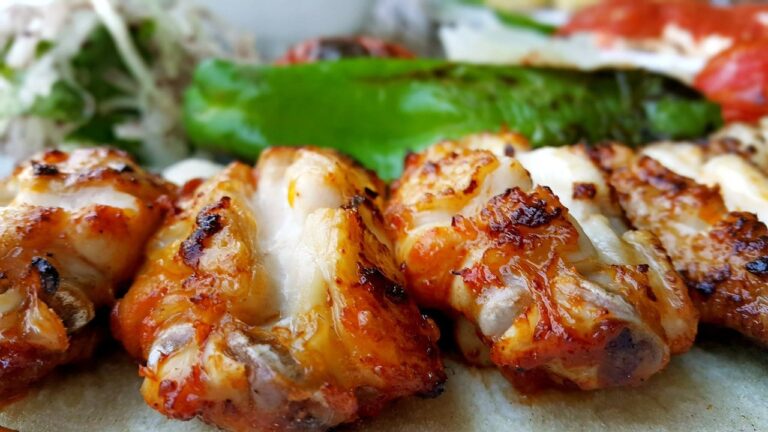
Few foods say more about Turkey than kebab. It is the smoke that rises from a hundred thousand grills, the warmth of…

Olive Oil Soap of Turkey: A Local Tradition
In the markets of Turkey, you will see them piled in great stacks: the blocks of olive oil soap, pale green and…