Cihangir is a photographer’s neighborhood in the truest sense: the hill gives the views, the streets give the character, and the light over the Bosphorus does the rest. The quarter concentrates its beauty in a compact set of locations — the viewpoints, the streets, the stairs, the cafés — and each spot offers its own angle on the strait and the city. This guide maps the essential photography locations in Cihangir, the best hours for each, and the tricks that turn the quarter’s beauty into photographs worth keeping.
The Viewpoints at Sunset
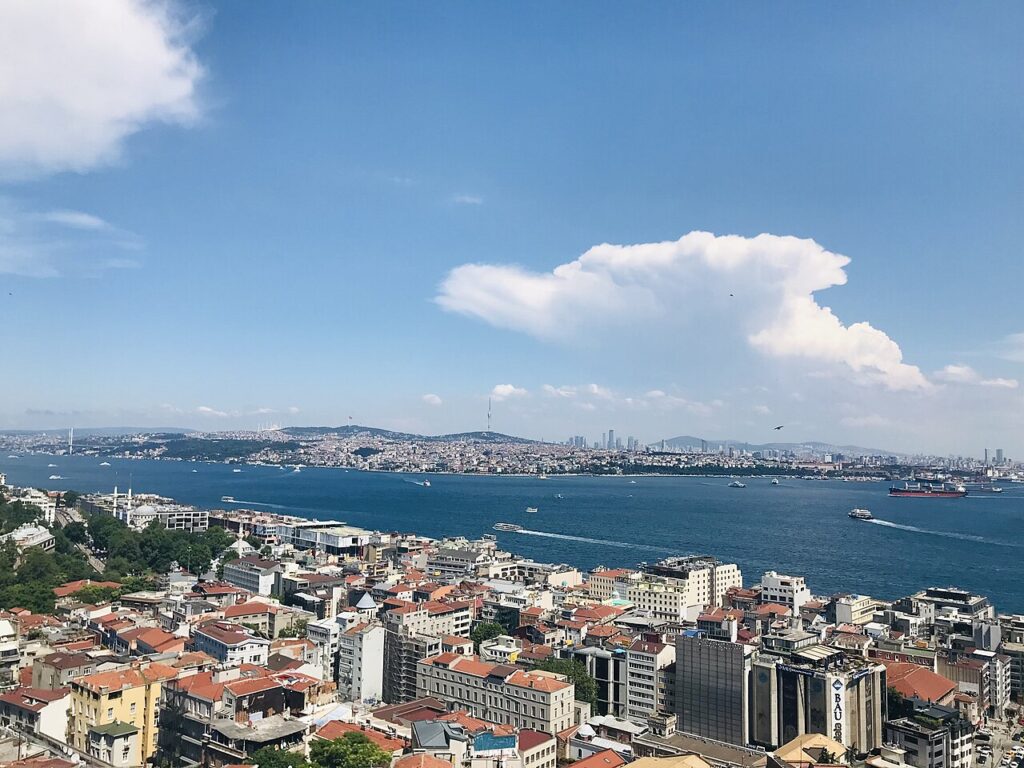
The viewpoints of Cihangir at sunset are the neighborhood’s photographic signature. The low sun turns the Bosphorus gold, the bridges string their lights, and the old city glows across the water — the panorama that the quarter was built for. The upper streets and the park give the classic frames, and the sunset brings the whole neighborhood to the rail. The blue hour after the sunset is the magic window, when the sky is still deep blue and the lights have just come on. Shoot wide for the sweep of the strait, and stay for the full transition — the gold, the orange, the blue, the dark.
The Streets in the Morning Light
The streets of Cihangir in the first hour of the day are the photographer’s quieter territory. The low sun rakes across the facades, the gardens glow, and the streets are empty except for the cats and the early commuters. The old buildings, the stairs, the courtyards — the morning light gives them the depth that the midday flattens, and the empty streets give the clean frames. The street photography of Cihangir is the practice of noticing, and the morning is the time for it. The light, the architecture, and the quiet make the morning streets the photographer’s Cihangir.

The Stairs and the Lanes
The stairs and the lanes of Cihangir are the photographer’s geometry. The flights of stairs climb the hill in straight lines, the lanes twist without warning, and the angles make the compositions — the stairs leading the eye, the lanes framing the views, the walls and the planters adding the texture. The stair photography of the quarter is the distinctive work, the images that say Cihangir in a single frame. Shoot the stairs from the bottom and the top, with the figures for the scale, and the quarter’s vertical character becomes the photograph’s subject.
The Cats of the Quarter
The cats of Cihangir are the photographer’s most willing subjects. The residents feed them, the shopkeepers tolerate them, and the streets are their kingdom — the tabbies on the walls, the kittens under the cars, the dignified elders on the doorsteps. The cats photograph beautifully, and the portraits of the quarter’s felines are the images that the visitors treasure. The patient approach is the trick: sit still, let the cat come to you, and the trust shows in the frame. The cats of Cihangir are the neighborhood’s celebrities, and their portraits are the souvenirs with the personality.

The Cafes and the Interior Life
The cafés of Cihangir give the photographer the interior life of the quarter. The warm rooms, the windows with the views, the writers at their tables, the steam over the coffee — the café photography captures the bohemian character that the streets only hint at. The light through the windows is the photographer’s tool, and the candid shots of the regulars are the images with the story. Ask before photographing the people, and the cafés reward the respectful photographer with the quarter’s inner life. The café interiors are the Cihangir that the viewpoints never show.
The Descend to Galata
The descent from Cihangir to Galata is the photographer’s journey. The streets fall away toward the tower, the views open between the buildings, and the Galata Tower rises ahead with the old city beyond. The descent gives the changing perspective — the quarter above, the historic shore below — and the transition between the two is the story in frames. The tower at the end of the walk is the destination, and the photographs along the way are the journey. Shoot the descent in the late afternoon, when the light is low and the tower catches the sun, and the walk becomes the portfolio.
The Street Photography
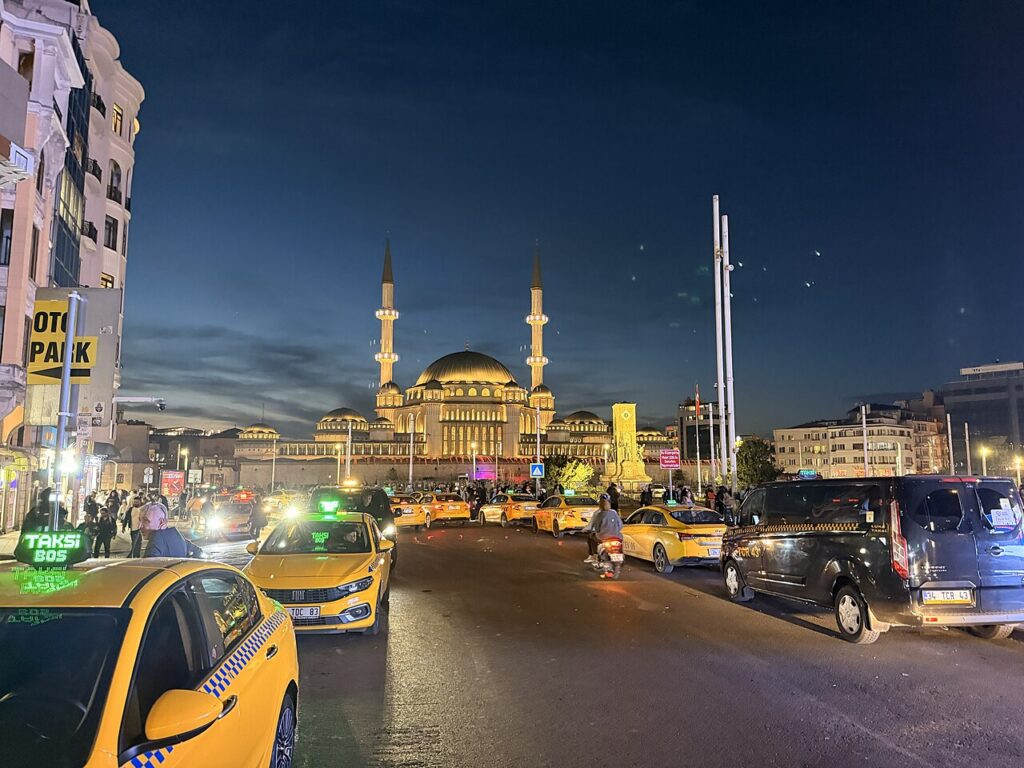
Beyond the postcard spots, Cihangir rewards the street photographer. The streets are the stage for the human scenes — the commuters, the writers, the café customers, the children, the cats — and the candids capture the quarter’s life better than any posed shot. The back lanes hold the quieter scenes: the shopkeepers at their doors, the laundry between the buildings, the old facades in the raking light. The street photography of Cihangir is the practice of noticing — the moments between the attractions, the life that the postcards crop out — and it is the most personal work the quarter offers.
The Light and the Timing
The timing of the Cihangir shoot follows the light, and the light follows the quarter’s rhythm. The first hour of the day gives the empty streets and the soft clarity; the late afternoon gives the warmth and the long shadows; the blue hour gives the magic; and the night gives the lights. The midday is for the shaded lanes and the interiors, the cafés and the shops that the harsh light spares. The practical trick is the return: the same spot at a different hour is a different photograph, and the quarter repays the photographer who revisits. The light over the Bosphorus is never the same twice, and the photographer who treats the day as a series of returns collects the quarter in all its moods.
The Post-Processing and the Return
The work continues after the shoot, and the Cihangir photographs reward the careful return. The editing is the light work — the exposure, the color, the crop — and the quarter’s images take it well, the blue hour needing the gentle touch and the gold hour none at all. The return to the same spots is the deeper practice: the photograph taken at the first light becomes a different photograph at the last, and the series tells the story the single shot cannot. The sharing is the final step — the album, the print, the post — and the Cihangir photographs carry the light of the Bosphorus into the homes they reach. Shoot, edit, return, and share: the quarter’s beauty is the gift that keeps giving, long after the trip ends.
The Final Word on the Photography
The photography of Cihangir, in the end, is the practice of noticing. The viewpoints, the streets, the stairs, the cats, the cafés, the descent — each is a set of possibilities, and the light and the life fill them differently every day. The quarter gives the patient photographer the frames the postcards cannot, and the images that come home are the ones that keep the Bosphorus and the bohemian streets in the room. Point the camera at what you feel, not just what you see, and Cihangir will keep giving.
The Final Word on the Photography
The photography of Cihangir, in the end, is the practice of noticing. The viewpoints, the streets, the stairs, the cats, the cafés, the descent — each is a set of possibilities, and the light and the life fill them differently every day. The quarter gives the patient photographer the frames the postcards cannot, and the images that come home are the ones that keep the Bosphorus and the bohemian streets in the room.
The photography of Cihangir, in the end, is the practice of noticing. The viewpoints, the streets, the stairs, the cats, the cafés, the descent — each is a set of possibilities, and the light and the life fill them differently every day. The quarter gives the patient photographer the frames the postcards cannot, and the images that come home are the ones that keep the Bosphorus and the bohemian streets in the room — and in the memory.
The Takeaway
Cihangir gives the photographer a compact set of perfect locations — the viewpoints, the streets, the stairs, the cats, the cafés, the descent — each with its hour and its angle. The quarter is small enough to shoot in a day and rich enough to reward the return, and the Bosphorus supplies the light and the drama. Bring the camera, follow the light, and let the bohemian quarter compose itself.
Frequently asked questions
What is the best time for photography in Cihangir?
The sunset and the blue hour for the viewpoints, the morning for the streets, and the late afternoon for the descent to Galata.
Where is the best view in Cihangir?
The upper streets and the park give the classic panoramas over the Bosphorus, with the old city across the water.
Are the cats good photography subjects?
Excellent — they are the quarter’s celebrities, and the patient approach gives the portraits with the personality.
Do I need special gear?
The sunset and the blue hour benefit from a tripod or a steady surface; the daylight street photography works with any camera.

All Over Information
The All Over Information editorial team researches and writes practical English-language guides to Turkey. Facts are checked against official and local sources before publication, prices are published as dated ranges rather than quotes, and guides are revised when things change. We accept no sponsored posts, paid placements or paid links.
More guides like this
Family-Friendly Activities in Cihangir
Cihangir is more family-friendly than its bohemian reputation suggests, and the quarter offers the families of Istanbul a rare combination: the safe…

Cihangir in Summer: A Complete Travel Guide
Summer is when Cihangir shows its most sociable face. The long evenings, the terrace tables, the viewpoints that fill at sunset, the…

How to Get to Cihangir from Istanbul
Cihangir sits on the hill above the Bosphorus, between Taksim Square and Galata, and reaching it is easier than the steep streets…

Where to Stay in Cihangir: Neighborhood Guide
Cihangir is one of the most atmospheric places to stay in Istanbul, and the neighborhood's character — the bohemian streets, the café…

Shopping Guide: What to Buy in Cihangir
Cihangir is not a shopping district in the Grand Bazaar sense — there are no carpets and no haggling — but it…

A Foodie’s Guide to Cihangir
Cihangir is a serious eating neighborhood disguised as a bohemian quarter.