Çıralı is a photographer’s gift wrapped in a working village. It concentrates the most photogenic things on the Turkish coast — a long wild beach, the tumbled ruins of an ancient city in a forested valley, an eternal flame burning on a mountain, and a farming community living its daily life around it all — into one small, walkable place, and it throws in the kind of natural light conditions that make pictures look intentional rather than lucky. The challenge is not finding subjects; it is choosing among them. This guide covers the spots that deliver the strongest photographs, the best times of day to shoot each one, and the practical details — the light, the angles, the gear — that separate the good shots from the ones you will frame.
The Golden Hours of Cirali
Before the spots, the timing. The area has three distinct light regimes, and the photographs come from knowing which is which:
- The early morning (dawn to about 9 a.m.): clean, cool light, long shadows, and empty scenes — the beach and the ruins at their most peaceful. This is the light for the wide, atmospheric shots.
- The golden hour (the last hour before sunset): warm, raking light that makes the stone glow and the water shimmer. This is the light for the ruins, the beach, and any portrait you will keep.
- The blue hour and the night: after the sun drops, the coast turns blue, then dark, and the flame and the stars take over. This is the light for the images people remember — and the ones that need a tripod.
The middle of a summer day is the worst light in the area — harsh, flat, and shadowless. Plan your photography around the edges of the day and you will return with a portfolio.
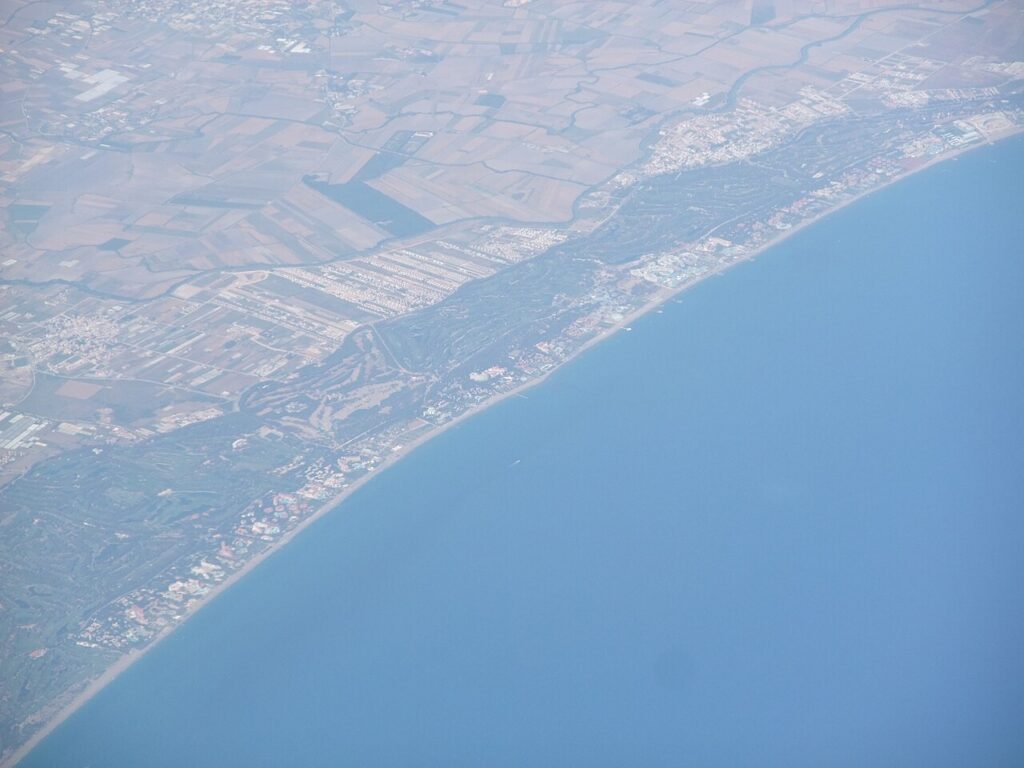
The Beach: The Village’s Signature Subject
The beach is the photograph people come for, and it is worth working from several points:
The wide beach shots. From the village’s access point, the beach runs away in a great natural arc — sand, water, and the empty bay beyond, backed by the forest and the mountains. This is the shot that captures the wildness of the place, and it is best taken in the early morning, when the light is soft and the beach is empty.
The long views toward Olympos. Looking south along the beach toward the Olympos promontory, the coast narrows into the dramatic headland of Cape Gelidonya in the distance. The late-afternoon light turns this view into the area’s defining landscape shot.
The water’s edge. The meeting of the waves and the sand, the small boats at the village’s launching points, and the swimmers at the water’s edge all make the intimate beach shots. Use the golden hour, when the water turns to gold and the shadows run long.
The people shots. The beach is the human heart of Çıralı — families, swimmers, travelers reading on the sand. Candid shots at the water’s edge, with the mountains behind, capture the summer energy. Be respectful and unobtrusive.

The Ancient City: Stone in Good Light
The ruins of ancient Olympos are the area’s grandest subject, and they photograph best from a few specific places:
The theatre. The best-preserved structure in the site and the most photogenic. Shoot from the top row down across the curved seats, with the valley and the sea behind the stage; shoot from the stage floor up at the sweep of the tiers; and in the late afternoon, catch the low sun raking across the stone.
The acropolis viewpoint. The climb above the theatre opens out to the tumbled walls of the acropolis and, beyond them, the whole sweep of the valley, the beach, and the bay. This is the shot that puts Olympos in context — the ancient city, the forest, the sea — and the late-afternoon light makes it glow.
The church and the Roman bath. The broken arches of the Byzantine church and the vaulted rooms of the bath are the site’s most atmospheric details. Shoot the arches framing the valley, or a figure passing through them for scale.
The sarcophagi in the undergrowth. The carved stone tombs scattered through the trees make intimate, evocative details. Use a longer lens to isolate the subject, and shoot in the soft morning light.
The Flame of Chimaera: The Night Shot
The eternal flame is the photograph everyone wants, and it is the one that most needs planning:
- The timing: arrive at the flame as the last daylight fades. You get the blue-hour version — the flames beginning to glow against a still-blue sky — and then the full dark version, with the flames the brightest thing on the hillside.
- The exposure: the flames are bright and the night is dark, so expose for the flames and let the background fall off. A tripod is essential; use a low ISO and a smallish aperture for the sharpest flames, and try a slow shutter to blur the flicker into soft tongues of light.
- The composition: include a figure silhouetted against the flames for scale, or shoot the flames against the darkness of the mountain with the lights of the coast far below.
- The atmosphere: the smoke, the heat, and the night make this the most atmospheric photography of the trip. Take the time to shoot it properly — sit with the flames, let your eyes adjust, and work the scene.
The Village: Real Life in the Frame
The working village is the subject most visitors overlook, and it rewards the patient photographer:
- The orchards and gardens. The citrus and pomegranate trees, the greenhouses, and the gardens behind the guesthouses are full of color and texture, best in the soft morning and evening light.
- The lanes and the daily life. The village lanes, the mosque, the dogs in the shade, the fishermen, the farmers working the fields — the candid documentation of a working Mediterranean village is the kind of photography that ages well.
- The details. The fruit on the trees, the nets and the boats, the textures of the old walls and the wooden shutters — the small frames that build a sense of place.
The Viewpoints and the Wider Coast
The village sits in a landscape worth the wider shots:
The road to the flame car park. The drive above the village climbs past the beach, and the viewpoints give the classic elevated shots — the bay, the beach, and the mountains all in one frame.
The Lycian Way paths. Any of the hiking paths above the village deliver the landscape photographs: the coast curving away below, the forested slopes, and the mountains inland.
Cape Gelidonya. For the ambitious, the lighthouse headland at the peninsula’s end gives the wild, windswept coastline in its purest form — bare rocks, deep water, and the sense of standing at the end of the world.

Practical Photography Notes
- The gear: a tripod earns its place here, for the flame and the blue-hour shots. A polarizing filter makes the water and the sky pop. And don’t forget the simple lens — the best shots of the village are often the ones taken on a phone from the dinner table.
- The torch: essential for the flame descent, and for getting back to the guesthouse after the night shots. It also makes a useful light-painting tool on the beach.
- The temperature: the night shoots are cooler than the days — a light layer for the flame climb and the stargazing is worth carrying.
- The patience: the area’s best light is at the edges of the day, and the best photographs reward the traveler who waits for it. Get up for the dawn, stay out for the blue hour, and the shots will come.
- The respect: the ruins are ancient, the flame site is a natural monument, and the beach is a protected turtle nesting ground. Shoot responsibly — no climbing on the fragile structures, no lights on the nesting beach at night in season, no trampling.
A Photography Itinerary
- Dawn: the ruins in the first light — the theatre, the acropolis, the arches.
- Mid-morning: the beach and the village lanes, before the light turns harsh.
- Late afternoon: the elevated viewpoints over the bay.
- Golden hour: the beach and the ruins in the warm light.
- Night: the flame, then the stars over the beach — the two shots that define the trip.

The Takeaway
Çıralı is a photographer’s destination precisely because it never looks like a set. The wild beach, the ruined theatre, the working village, and the eternal flame all photograph honestly — and the light of the place does the rest. Get up for the dawn, stay for the flame, carry a tripod for the night, and work the edges of the day, and you will come home with the images that make people ask where you were. The village does not need a photographer to make it beautiful; it just needs a camera pointed at it at the right hour.
Frequently asked questions
What is the best place to photograph in Cirali?
The beach at golden hour, or the ancient theatre with the valley and sea behind it — depending on whether you want the landscape or the ruins.
What is the best time of day for photos in Cirali?
The early morning for empty scenes and soft light, the golden hour for the beach and the ruins, and the night for the flame and the stars.
Do I need a tripod for Cirali?
Yes, for the flame of Chimaera and the night and blue-hour shots. For everything else, hand-held work at the edges of the day is fine.
Can I photograph the flame of Chimaera at night?
Yes — it is the best time. Expose for the flames, use a tripod, and include a figure or the dark mountain for scale.
Are drones allowed over Cirali?
Drone use is restricted in the national park and around the archaeological and nesting sites; check the current rules and fly only where permitted.
Is Cirali good for phone photography?
Excellent. The compositions and the light do the work, and many of the best shots of the village are the casual ones.

All Over Information
The All Over Information editorial team researches and writes practical English-language guides to Turkey. Facts are checked against official and local sources before publication, prices are published as dated ranges rather than quotes, and guides are revised when things change. We accept no sponsored posts, paid placements or paid links.
More guides like this

Cirali in Winter: What to Expect
Winter in Çıralı is one of the Mediterranean's best-kept secrets — a village that most people visit only in the hot months,…
Nightlife Guide to Cirali
Let's be clear about what nightlife means in Çıralı, because the village has nothing to do with neon, DJs, and queues —…
Cirali Airport and Transport Guide
Getting to Çıralı takes a little patience, and it is worth being honest about that at the start: there is no airport…
Family-Friendly Activities in Cirali
Çıralı is the family destination of the Olympos area — the place that gives you the wild beach, the ancient city, and…

A Solo Traveler’s Guide to Cirali
Çıralı is one of the most solo-friendly destinations on the Turkish coast, and it offers something the neighboring Olympos valley — famous…
How to Get to Cirali from Istanbul
Getting from Istanbul to Çıralı is a proper journey — more than a thousand kilometers as the road runs, and several ways…