Karakoy is one of the best quarters in Istanbul for the solo traveler — safe, easy, and sociable, with the tram and the ferries at the door, the coffee shops full of the city’s young life, and the tables of the quarter welcoming the lone diner as the norm. The waterfront and the galleries are solo-friendly by design; the ferries are the solo ride; and the food — the balık ekmek at the bridge, the counter seats of the lokantas, the meyhane tables — is built for the traveler who comes alone. This guide covers the solo experience of Karakoy — the safety, the food, the nights, and the pleasures of the quarter on your own.
The Solo Base: Where to Stay
The quarter’s accommodation suits the solo traveler well, and the choice is the first decision. The hostels of the quarter are the solo classic: the sociable beds of the new Karakoy, the dorms and the shared rooms, the other travelers, the young life of the quarter at the door. The boutique hotels of the side streets are the stylish solo option — the small design rooms of the old buildings, the atmosphere personal and the location the quarter’s heart. And the guesthouses of the Galata hill are the character solo base — the old houses above the quarter, the terraces and the views, the quiet retreats with the tower at the top. The trade-off is the familiar one — the price, the style, the company — and the solo traveler chooses the version of the trip. The location within the quarter matters most: the tram-connected streets put everything at the door.

The Solo Safety: The Quarter’s Character
Karakoy is one of the safest quarters in the city, and the solo traveler should know it. The quarter is busy and well-lit at all hours; the waterfront and the main streets are well-policed; and the crowds of the promenade and the bridge are the city’s own — the everyday life of a busy, prosperous quarter. The standard city awareness applies — the pickpockets of the crowded bridge and the promenade, the late-night common sense — but the solo traveler in Karakoy moves through a quarter built for the city’s own residents, at every hour of the day and night. The practical notes: keep the phone and the wallet close in the crowds of the bridge and the Galataport, use the tram and the ferries’ late hours with the same sense as anywhere, and trust the quarter’s own rhythm — the evening waterfront, the lit bridge, the crowds of the port’s life — which is safe, sociable, and welcoming to the traveler alone.

The Solo Eating: The Tables Built for One
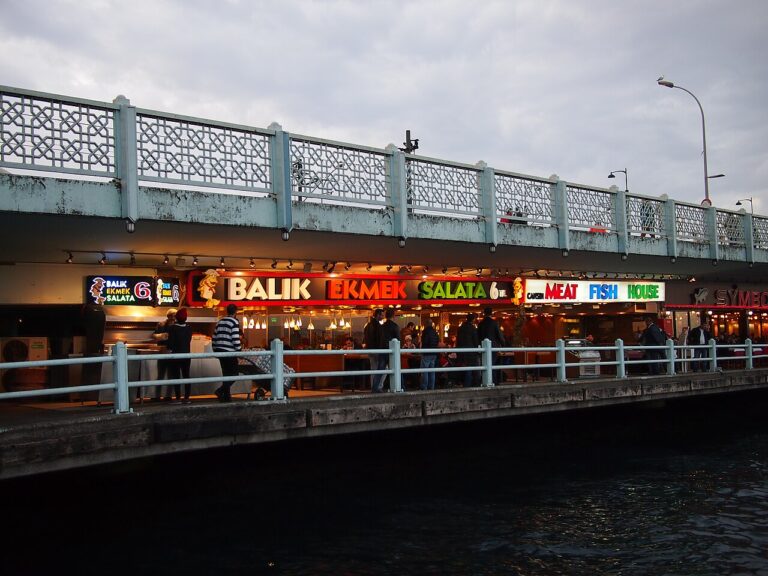
The food of Karakoy is the solo traveler’s friend, and the quarter’s tables are built for the lone diner. The balık ekmek at the bridge is the solo classic: the fish sandwich eaten at the rail with the gulls, the working meal of the port shared with its workers — the solo diner the norm rather than the exception. The lokanta is the second pillar: the counter seat, the day’s dishes pointed at and served, the lunch of the port shared with its workers. The coffee shops of the new quarter are the solo traveler’s rooms: the flat white at the counter, the book or the phone, the fashionable life of the quarter around the table — the solo coffee culture of the city, built for exactly this. And the meyhane is the solo challenge and the solo reward: the counter seat at the ritual table, the meze ordered by the plate, the conversation of the room — the solo diner welcomed into the long evening. The rule of the quarter: the solo traveler eats well everywhere, and the counter seats are the best seats in the house.

The Solo Days: The Water and the Streets
The quarter’s days suit the solo traveler’s pace — the water, the galleries, and the walkable streets, with the freedom of the single itinerary. The ferries are the solo ride: the crossing to the Asian side, the deck and the gulls, the skyline of both shores — the twenty minutes that are the best view in the city, taken alone at the rail. The galleries — the Istanbul Modern and the side-street shows — are the solo stops: the art at your own pace, the exhibitions without the group. The bridge and the waterfront are the solo walk: the fishermen, the crowds, the promenade of the Galataport — the quarter’s life at your own rhythm. And the streets and the stairs — the Camondo stairs, the graffiti alleys, the climb to the tower — are the solo wander: the quarter’s depth, taken at the pace you choose. The solo days of Karakoy are the quarter’s freedom — the water, the art, and the streets, all at the single traveler’s pace.
The Solo Nights: The Quarter After Dark
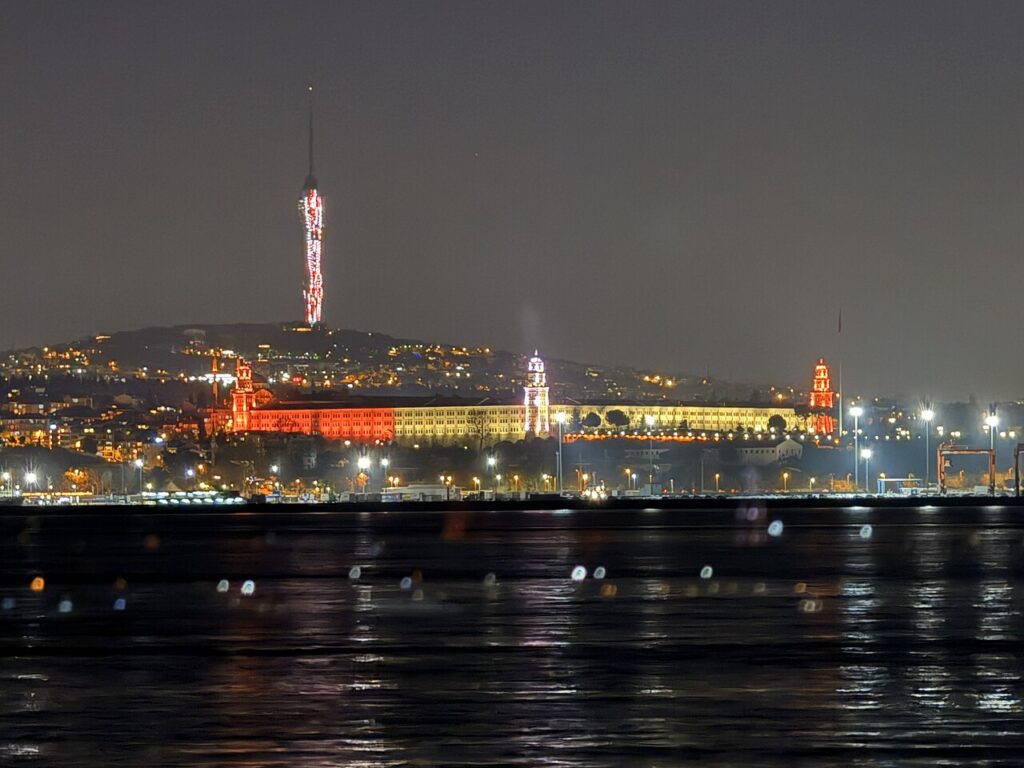
The nights of Karakoy suit the solo traveler — safe, walkable, and full of the city’s life. The waterfront at night is the solo walk: the bridge lit, the old city’s lights across the water, the tower glowing above — the quarter’s most cinematic hour, free and safe. The meyhanes and the fish tables are the solo-friendly rooms: the counter seats, the meze by the plate, the conversation of the ritual tables — the traveler alone welcomed as the norm. The bars and the coffee shops of the new quarter are the solo evenings: the specialty brews by night, the bars of the waterfront, the young life of the city around the counter. And the tram and the ferries run late, the lit streets and the water carrying the solo traveler home. The solo nights of Karakoy are the quarter’s best hours, and the traveler alone takes them all.
The Solo Connections: The Sociable Quarter
Karakoy is a sociable quarter, and the solo traveler finds the company easily. The coffee shops are the city’s living rooms: the regulars at the counters, the conversations of the new quarter, the friendly life of the fashionable streets. The meyhanes are the sociable tables: the shared meze, the long evenings, the conversation that the city’s dining ritual invites. The galleries’ openings — the evening events of the new quarter — are the structured company: the art crowd, the other travelers, the city’s young life together. And the ferries and the promenade are the background company: the city’s daily life, welcoming and easy. The solo traveler in Karakoy is never quite alone — the quarter’s life is the company, and the connections come with the rhythm of the port.
The Practical Notes
A few things make the solo trip smooth. The Istanbulkart is the solo key: one card, every mode — the tram, the ferries, the Tünel — the whole city at the traveler’s feet, the solo traveler’s independence in a pocket. The counter seat is the solo seat: the balık ekmek rail, the lokanta counters, and the bars of the quarter all take the single diner — the best seat for the traveler alone. The phone is the map and the wallet: the journey planners and the cards of the city make the solo trip effortless — keep both charged and close. The evenings are the quarter’s best hours: safe, sociable, and walkable — plan the nights as carefully as the days. And the quarter’s rhythm is the guide: the bridge in the morning, the galleries in the afternoon, the ferries and the meyhane in the evening — the solo itinerary that the quarter itself suggests.
The Takeaway
Karakoy is the solo traveler’s quarter — safe and easy, sociable and welcoming, with the tram and the ferries at the door, the balık ekmek at the rail, the coffee shops and the meyhanes, the waterfront and the galleries, and the city’s life all around. The solo traveler moves through the quarter at their own pace — the bridge in the morning, the galleries in the afternoon, the ferry in the evening, the waterfront at night — and the quarter’s own life is the company. Come alone, and the quarter meets you halfway: the tables built for one, the rides built for the rail, the gateway to the city welcoming the traveler who comes to it alone.
Frequently asked questions
Is Karakoy safe for a solo traveler?
Yes — the quarter is busy, well-lit, and well-policed at all hours, with the standard city awareness in the bridge and the promenade crowds.
Can I eat alone comfortably?
Yes — the balık ekmek at the rail, the counter seats of the lokantas, and the coffee shops of the new quarter are all built for the lone diner, and the solo traveler is the norm.
Is there a hostel scene?
Yes — the hostels of the new Karakoy are the sociable solo base, with the dorms and the shared rooms of the quarter’s young life.
What is the best solo activity?
The ferry crossing — the twenty minutes at the rail with the gulls and the skyline, the best view in the city, taken alone.
Is the nightlife safe for solo travelers?
Yes — the meyhanes and the bars of the quarter are busy and welcoming, and the walk home along the lit waterfront is safe at the standard late hours.

All Over Information
The All Over Information editorial team researches and writes practical English-language guides to Turkey. Facts are checked against official and local sources before publication, prices are published as dated ranges rather than quotes, and guides are revised when things change. We accept no sponsored posts, paid placements or paid links.
More guides like this

How to Get to Karakoy from Istanbul
Karakoy sits at the water's edge of Istanbul — the tram across the bridge, the ferries at the piers, the Tünel up…
Karakoy Airport and Transport Guide
Karakoy sits at the gateway of Istanbul's transport — the tram across the bridge, the ferries at the piers, the Tünel up…
Where to Stay in Karakoy: Neighborhood Guide
Karakoy is the fashionable base of modern Istanbul — the waterfront quarter where the ferries cross and the cruise ships dock, where…
Family-Friendly Activities in Karakoy
Karakoy is a family quarter — safe, easy, and full of the things children actually enjoy.

Karakoy on a Budget: Money-Saving Travel Tips
Karakoy has a reputation as the fashionable quarter — the coffee shops and the design hotels, the galleries and the trendy restaurants…
Photography Spots in Karakoy You Can’t Miss
Karakoy is the photographer's gateway quarter — the water and the bridge, the tower and the old streets, the graffiti and the…