Summer at Balıklıgöl is the sacred pool at its most extreme — and for the traveler who plans around it, at its most atmospheric. The city shimmers in the heat, the sacred water and the mosque stand under the immense sky, and the summer is the season of the early mornings and the late evenings, when the pool is at its best. It is also the season that demands the most respect: the heat is real, the midday belongs to the shade, and the rhythm of the days must be followed. But the summer is also the value season of the region, and with the right approach, it delivers the complete Balıklıgöl. This guide is the complete summer handbook: what the weather and the heat really do, how to handle the season, how to get the most from the pool and the city, and the practical details that make a summer trip run smoothly.
Summer in the City: The Reality
The weather. The region’s summer is genuinely hot. Expect:
- Daytime highs: 35–42°C, with the heat the season’s central fact. The old town’s shaded lanes and the gardens around the pool give some relief.
- Nights: warm and comfortable, with the pool and the city at their best in the evening.
- Rain: essentially none — the summer is the dry season, with the sun dominant.
- The heat’s rhythm: the days turn around the heat — the mornings and the evenings are the good hours, and the midday belongs to the shade and the rest.
The crowds. The summer brings fewer visitors than the comfortable seasons — the heat keeps the numbers down — and the city is manageable, with the season’s own character.
The prices. Summer is not the peak season for the region’s tourism — the spring and the autumn draw the crowds — so the prices are moderate, with the best value in the shoulder weeks.
The Summer Days: What Actually Happens
A good summer day in the city follows the heat: early mornings for the pool, midday for the shade and the rest, and evenings for the old town and the food.
The morning: the pool before the heat. Start early. Balıklıgöl in the morning — the sacred water, the fish, and the mosque in the clear light — is the site at its best, and the early hours are the calmest and the coolest. Walk the pool, see the mosques, and have the sacred heart before the midday.
The middle of the day: the shade and the rest. As the heat builds, the day turns inward: the air-conditioned rooms, the shaded bazaars, and the rest that the climate demands. The midday is the hour of the shade, not the lanes.
The late afternoon: the old town. As the heat breaks, the old town comes back to life — the lanes, the bazaars, and the pools, and the day resumes its rhythm.
The evening: the pool at sunset and the food. As the light softens, the pool comes into its own — the water and the mosque in the golden light, and the old town with the food of the southeast. The evening is the summer’s best hours.
The Summer Essentials List
- A hat, the sunglasses, and the sunscreen. The sun and the heat are the season’s facts — the protection is essential.
- Light, loose clothing. The region’s dress is modest and light — the loose, covering layers suit both the climate and the culture.
- Water. Carry more than you think you need — the heat is thirsty, and the walking is real.
- Comfortable walking shoes. The pool and the old town are the experience, and the grip matters.
- A light layer for the evenings. The nights are comfortable, but the air cools.
- Cash. The small places, the bazaars, and the old town prefer lira.
Making the Most of Summer’s Highlights
The pool. The summer’s centerpiece, and the early morning and the sunset are its hours — the water and the mosque in the light, the site before the heat. Walk it early, photograph it at sunset, and respect the midday.
The old town and the bazaars. The old town is the summer’s refuge and its social center — the shaded bazaars and the life of the city. The bazaars give the midday shelter and the evening life.
The mosques. The religious buildings are the summer’s early-and-late visits — the mosques in the morning and the evening light, when the heat is lower.
The region’s sites. Göbekli Tepe and Harran are the summer’s early excursions — the visits in the morning hours, with the shade as the refuge.

Handling the Heat
- Respect the rhythm. The region’s day turns around the heat — the mornings and the evenings are the good hours, and the midday belongs to the shade and the rest. Plan around it, and the heat becomes the structure, not the enemy.
- Go early or go late. The pool in the morning, the old town in the evening — the edges of the day are the summer’s best.
- Hydrate constantly. The heat, the walking, and the sun all dehydrate — carry water everywhere.
- Take the shade. The bazaars, the gardens, and the air-conditioned rooms are the midday refuge.
- Dress for the climate. Light, loose, and modest — the region’s dress suits the heat and the culture.
The Season’s Practical Notes
- The summer is the early-and-late season. The days are made of the cool edges — the mornings and the evenings are when the pool and the city are at their best.
- The pool is the reward. The morning light on the water and the sunset over the mosque are the summer’s best hours — the reward for the day’s rhythm.
- The shade is the refuge. The bazaars and the gardens give the summer’s midday shelter, and the city’s life continues around them.
The Working City Under the Season
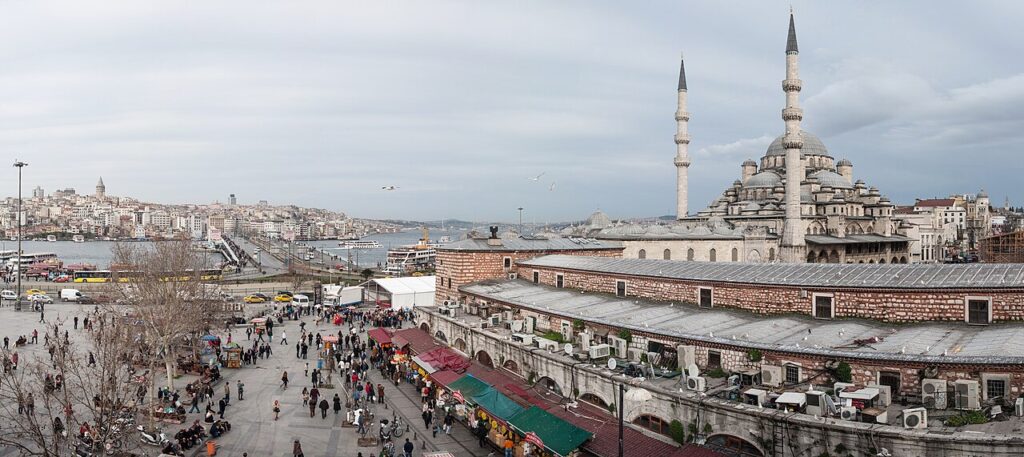
The summer can obscure the fact that the city is a living place, and the traveler who notices gets a richer trip. The old town and the bazaars carry on through the heat — the shops, the crafts, and the everyday life of the city of prophets around the sacred pool. The fields of the plain are worked through the summer, and the city’s life continues around the visitors. Take the time to watch the working side of the city, greet the people, and eat the food that the city’s kitchens produce. The holiday city is lovely; the working southeast underneath it is what makes the place real — and the summer, with its early and late rhythms, is a good time to see both.
The Rhythm of the Summer Day
The city runs on its own rhythm, and the summer heat shapes it. The morning belongs to the pool — the sacred water and the mosque in the clear light, before the heat. The middle of the day belongs to the shade — the bazaars, the gardens, and the rest that the climate demands. The late afternoon belongs to the old town, as the heat breaks and the city reawakens. And the evening belongs to the pool at sunset and the food — the golden light on the water, and the cuisine of the southeast in the old town, with the long dinners that the summer nights allow. The traveler who follows this rhythm — the pool in the morning, the shade at midday, the old town in the evening — sees the city at every stage of its summer day, and each stage has its own beauty.
The Takeaway
Summer is Balıklıgöl at its most extreme and its most atmospheric: the heat shaping the days, and the sacred pool at its best in the cool edges — the morning light on the water and the sunset over the mosque. It asks for planning — respect the rhythm, go early or late, and take the shade — and repays it with the city at its most genuine: the golden light, the empty midday lanes, and the long dinners in the old town. Follow the region’s rhythm, and you will have the summer Balıklıgöl at its best.
Frequently asked questions
How hot does it get in the summer?
Very hot — daytime highs of 35–42°C, with the old town’s shade and the gardens giving some relief. The early morning and the evening are the good hours.
Is the city crowded in summer?
Less than the comfortable seasons — the heat keeps the numbers down — and the pool is manageable.
What is the best time of day in summer?
The early morning for the pool before the heat, and the evening for the sunset and the old town.
Is the heat manageable?
Yes, with the rhythm respected — the early and the late hours for the walking, the midday for the shade, and the water always with you.
What should I pack for the summer?
A hat, the sunglasses, and the sunscreen, light and loose clothing, water, comfortable shoes, and a light layer for the evenings.
Is the summer a good time to visit?
Yes, for the traveler who plans around the heat — the pool at its most atmospheric, with the moderate prices and the manageable crowds.

All Over Information
The All Over Information editorial team researches and writes practical English-language guides to Turkey. Facts are checked against official and local sources before publication, prices are published as dated ranges rather than quotes, and guides are revised when things change. We accept no sponsored posts, paid placements or paid links.
More guides like this

Shopping Guide: What to Buy in Sanliurfa’s Balikligol
Balıklıgöl is the heart of the city of prophets, and the city around it is one of the great shopping cities of…
Family-Friendly Activities in Sanliurfa’s Balikligol
Balıklıgöl is a destination that works wonderfully for families — not because it is a resort with kids' clubs, but because it…
Hidden Gems of Sanliurfa’s Balikligol Most Tourists Miss
Balıklıgöl is the heart of the city of prophets, and most visitors follow a well-worn circuit — the main pool, the mosque,…
The Best Day Trips from Sanliurfa’s Balikligol
Balıklıgöl is the heart of the city of prophets, and the region around it is some of the most historic land in…
Nightlife Guide to Sanliurfa’s Balikligol
Let's be clear about what nightlife means around Balıklıgöl, because the sacred pool has nothing to do with neon, DJs, and queues…
Best Local Restaurants in Sanliurfa’s Balikligol
Şanlıurfa is the food capital of the southeast — one of the great culinary cities of Turkey — and Balıklıgöl sits at…