Winter at Balıklıgöl is the sacred pool at its quietest and most intimate — the water still, the devotion of the faithful at its most contemplative, and the city of prophets at its most atmospheric. It is not the mild spring or the busy autumn — the winter in the southeast is genuinely cold — but for the traveler who accepts the season, the reward is the sacred site almost to itself: the pool and the mosques without the crowds, and the living faith of the city in its most intimate form. This guide explains exactly what to expect, what stays open, what to do, and how to get the most out of a winter visit.
The Winter Climate: What It’s Actually Like
Şanlıurfa sits inland in the southeast, and the winter there is a real continental winter. The honest picture:
- Temperatures: daytime highs in winter generally sit between 5°C and 10°C, with nights at or below freezing. The cold is genuine.
- The weather: the winter brings the region’s wettest and coldest weather — cold, clear days and rainy ones, with the low winter light over the city a distinctive beauty.
- The pool: the sacred pool in the winter, with the low light on the water and the mosque against the silver sky, is the city at its most atmospheric.
- The roads: the region’s roads can be affected by the winter weather — check the conditions, especially for the day trips.
The practical result: with proper winter clothes and flexible plans, the winter city is genuinely atmospheric — and it is the quietest and most contemplative season of the year.
What Stays Open in Winter
The crucial question, because the city’s tourism is seasonal. The honest answer is “more than you’d think”:
- The pool and the mosques. The sacred site and the religious buildings are always there — and in the winter, they are at their quietest and most intimate.
- The old town and the bazaars. The lanes, the bazaars, and the life of the city carry on through the winter — the city of prophets is a working place.
- The region’s sites. Göbekli Tepe and Harran operate through the winter, with the reduced crowds of the season — check the current hours ahead.
- The stays and the restaurants. A core of the stays and the restaurants serves the winter, with the regional food at its most comforting.

What to Do in Winter
Without the busy crowds, the winter visit turns toward the city’s atmosphere and the season’s own pleasures:
Walk the pool in the quiet. The winter’s great experience: the sacred pool and the mosques emptier, the water still, and the living faith of the city at its most contemplative. The low winter light on the water and the buildings is the photograph of the season.
Photograph the city. The winter light over the pool, the mosques, and the old town — clear, low, and silver — is extraordinary. For photographers, the winter is the secret season of the city.
The old town and the bazaars. The lanes, the bazaars, and the life of the city carry on through the winter, with the reduced crowds — the city of prophets at its most intimate.
Eat the winter food. This is when the regional food comes into its own: the stews, the soups, and the sweets — eaten in the warm rooms and the city’s restaurants.
The region’s sites. Göbekli Tepe and Harran operate through the winter, with the quiet and the clear light, for the traveler who accepts the cold.
What to Pack
- Serious winter clothes. The inland city is genuinely cold — a warm coat, layers, a hat, gloves, and a scarf are the essentials.
- Waterproof and warm footwear. The winter rain and the cold demand warm, waterproof shoes.
- A camera. The winter light over the pool and the city is the season’s gift.
- Travel insurance and flexible plans. With the weather and the seasonal closures, flexibility matters more in winter than in any other season.
The Practical Realities
- Check the weather and the roads. The winter weather can affect the region’s roads — check the forecast and the conditions before you go, and have a plan B for the day trips.
- Check the sites’ hours. The winter hours of the region’s sites can be reduced — confirm the current arrangements ahead.
- Book accommodation ahead and confirm it is open. The winter inventory is smaller, and some places close. An email or a message before you go is essential.
- Expect some closures. Some of the seasonal places close for the winter. Plan around the year-round places.
- Prices drop steeply. Winter accommodation is dramatically cheaper than the peak — often half or less — and the city is yours.
- The cold is real. The inland city is a genuine winter destination — dress properly, and the beauty follows.
Who Should Visit in Winter
Winter Balıklıgöl suits: photographers (the light and the quiet), travelers who want the sacred site to themselves, lovers of the contemplative atmosphere, and anyone who wants the city of prophets at its most intimate.
Winter Balıklıgöl does not suit: travelers who want the busy spring and autumn seasons, anyone who dislikes the cold, or those expecting the full tourist facilities. For those, the spring and the autumn are the honest answer.

The Winter Itinerary
A winter day in the city builds itself around the cold and the warmth. The morning begins late and warm — the breakfasts of the stays, the heat of the rooms, and the plan for the day made over the tea. The midday belongs to the outdoors, when the sun is up and the light is at its best: the walks around the sacred pool, the photographs of the water and the mosque, and the sense of the city of prophets in the clear winter light. The afternoons return to the warmth as the light fades — the bazaars and the tea gardens, the çay by the window, with the winter light over the old town beyond it. And the evenings belong to the long, warm dinners — the stews and the sweets of the region, eaten in the city’s restaurants, with the sacred pool quiet under the winter sky. This is the winter rhythm of the city: the cold outside, the warmth inside, and the light making every hour a photograph. The traveler who paces it that way finds the winter city’s hidden intimacy.
The Faith in the Quiet
There is a particular quality to the winter visit to Balıklıgöl: the faith in the quiet. In the comfortable seasons, the pool is busy with its pilgrims and its visitors, and the devotion is shared. In the winter, the pool is quieter, and the traveler stands by the sacred water with the devotion at its most contemplative — the pilgrims at their prayers, the fish in the still water, and the mosque against the silver sky. The living faith of the site is at its most intimate in that quiet: the sacred pool, not only beautiful but holy, taken in without the crowds. For the traveler who accepts the cold, the winter visit is the most intimate version of the sacred site, and the one that stays longest.
The Living City in the Winter
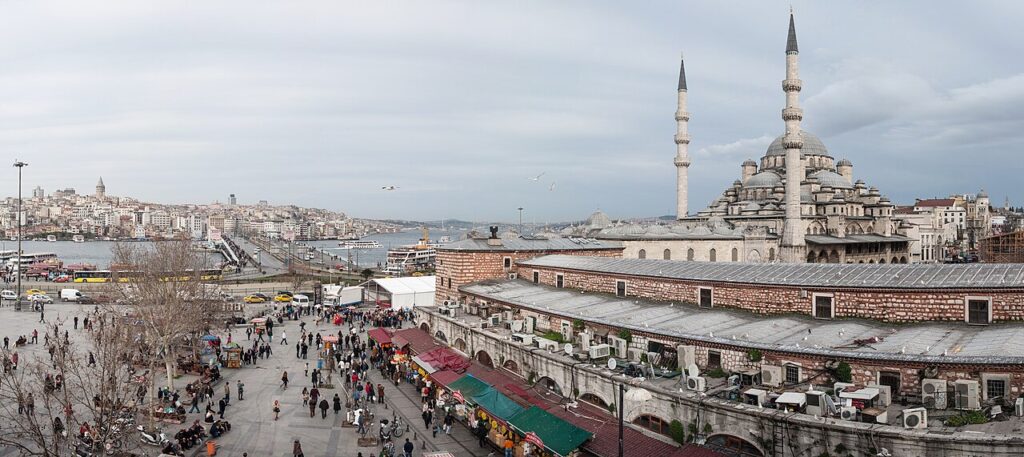
The winter also shows the city of prophets at its most genuine. The old town and the bazaars carry on through the season — the working life of the city, the shops and the tea gardens, and the everyday rhythm of the people around the sacred heart. The traveler who walks the old town in the winter, with the reduced crowds and the city’s life more visible, sees the working city that the busy seasons obscure. The sacred pool is the heart of the city; the winter is the season when the heart and the life around it are closest together — and the city of prophets at its most real.
The Takeaway
Winter Balıklıgöl is the sacred pool’s hidden face: the water still, the devotion contemplative, and the city of prophets at its most intimate. It is a real continental winter — cold and requiring the proper clothes — and it is not the busy spring and autumn seasons. But for the traveler who comes prepared, the reward is the sacred site at its most atmospheric: the quiet, the light, and the living faith of the city, almost to yourself.
Frequently asked questions
Is Balıklıgöl open in winter?
Yes, in large part — the pool and the mosques are always there, and the old town and the region’s sites operate through the season. Check ahead and confirm the stays.
Is it very cold in winter?
Yes — it is an inland city, with daytime highs around freezing and nights below. Proper winter clothes are essential.
Does it rain in the winter?
Yes — the winter is the region’s wettest season, with cold, rainy days and the clear winter light between them.
Can you drive in the region in winter?
The roads can be affected by the weather — check the conditions, especially for the day trips.
What should I pack for the winter?
Serious winter clothes, warm waterproof footwear, a camera, and the flexibility for the weather.
Is winter a good time to visit?
Yes, for the right traveler: the light, the quiet, and the sacred site almost to yourself — with the winter prices to match.

All Over Information
The All Over Information editorial team researches and writes practical English-language guides to Turkey. Facts are checked against official and local sources before publication, prices are published as dated ranges rather than quotes, and guides are revised when things change. We accept no sponsored posts, paid placements or paid links.
More guides like this

A Foodie’s Guide to Sanliurfa’s Balikligol
Şanlıurfa is the food capital of the southeast — one of the great culinary cities of Turkey — and Balıklıgöl sits at…
The Best Day Trips from Sanliurfa’s Balikligol
Balıklıgöl is the heart of the city of prophets, and the region around it is some of the most historic land in…

Shopping Guide: What to Buy in Sanliurfa’s Balikligol
Balıklıgöl is the heart of the city of prophets, and the city around it is one of the great shopping cities of…
A Solo Traveler’s Guide to Sanliurfa’s Balikligol
Balıklıgöl is a destination that suits the solo traveler beautifully, and it works on both of the solo registers at once.
Sanliurfa’s Balikligol Airport and Transport Guide
Getting to Balıklıgöl is easier than most travelers expect: the city of Şanlıurfa has its own airport, and the sacred pool is…
Best Local Restaurants in Sanliurfa’s Balikligol
Şanlıurfa is the food capital of the southeast — one of the great culinary cities of Turkey — and Balıklıgöl sits at…