Bursa has been a city of trade for eight hundred years. The first capital of the Ottomans grew rich on the silk of the caravans, the city built its great hans for the merchants, and the bazaar of the city has served the commerce of the centuries. The visitor shops in a city where the shopping is the heritage: the silk of the Koza Han, the textiles of the bazaar, the candied chestnuts of the sweet shops, and the crafts of the region. This guide maps the shopping of Bursa — the streets, the goods, and the best of what to buy. Here is the shopping guide to the first capital.
The Silk of the City
The silk is the historic gift of Bursa — the trade that made the city rich and built the great hans of the market. The silk of Bursa was the finest of its age: the cloth of the caravans from the east, worked and traded in the city, and sold to the courts and the merchants of the world. The Koza Han — the great silk caravanserai of the old city — still holds the silk of the trade: the shops of the scarves, the shawls, and the fabrics, in the courtyard of the famous inn. The connoisseur’s silk is in the quality: the pure silk of the scarves and the shawls, the weaves of the region, and the prices that follow the quality. The silk of Bursa is the essential purchase: the historic trade of the city, bought in the historic market.
The Textiles of the Bazaar
The textiles of the bazaar extend beyond the silk: the cotton, the wool, and the fabrics of the city’s textile industry. Bursa is a textile city — the industry of the region has made it so — and the bazaar sells the goods of the trade: the towels and the fabrics of the local mills, the beddings, and the linens of the quality. The textile shops of the market hold the range: the woven goods of the region, the modern fabrics, and the prices of the trade. The souvenir textiles — the towels, the scarves, and the small goods — make the practical gifts of the trip. The textiles of Bursa are the honest purchase: the goods of the city’s industry, at the prices of the market.

The Candied Chestnuts
The kestane şekeri — the candied chestnut — is the signature sweet of Bursa: the chestnuts of the region’s forests, peeled and boiled and sugared in the patient process, and finished with the syrup and the glaze. The sweet shops of the old city sell the candied chestnuts in the small boxes: the amber rounds, the delicate taste, and the gift that says Bursa. The connoisseur’s chestnuts come from the established shops — the producers with the generations of the practice — and the prices follow the quality. The candied chestnuts are the essential sweet of the trip: the taste of the city, boxed and carried home. And the other sweets of the city — the lokum, the pastries, and the chocolates of the shops — fill out the sweet shopping.
The Peaches of the Season
The peach is the summer gift of the Bursa plain — the famous fruit of the region, the sweetest of the Turkish peaches — and the seasonal shopping of the summer. The fruit stalls of the bazaar and the markets of the city sell the peaches in the season: the fragrant fruit of the plain, the sweetness that the region is known for. The peach is the immediate pleasure — the fruit eaten on the day — but the region’s produce extends to the preserves: the jams and the marmalades of the local producers, the jarred gifts of the harvest. The seasonal shopping of Bursa follows the calendar: the peaches of the summer, the chestnuts of the autumn, and the preserves of the year.

The Ceramics of the Region
The ceramics of the region — the tiles and the pottery of the Iznik tradition — bring the famous craft to the modern shopping. The town of İznik, an hour from the city, still makes the tiles of its famous kilns — the blues and the whites of the classic wares — and the shops of the town sell the modern pieces: the tiles, the plates, and the decorative wares of the tradition. The ceramics of the region also reach Bursa itself: the shops of the bazaar and the center sell the Iznik-style wares, the tiles, and the pottery of the craft. The ceramic purchase is the connoisseur’s gift: the craft of the region’s famous town, in the plates and the tiles of the tradition.
The Crafts of the Market
The crafts of the Bursa market — the goods of the region’s artisans — fill out the shopping. The copper of the city: the pots and the pans of the coppersmiths, the polished wares of the old tradition. The woodwork of the region: the carved boxes, the ornaments, and the goods of the woodcarvers. The knives of the region — the famous knives of the Bursa district — the blades of the tradition. And the small crafts of the market: the beads, the amulets, the evil eyes, and the souvenirs of the trade. The craft shopping of Bursa is the wandering commerce: the lanes of the artisans, the goods of the region, and the small treasures of the market.

The Streets of the Shopping
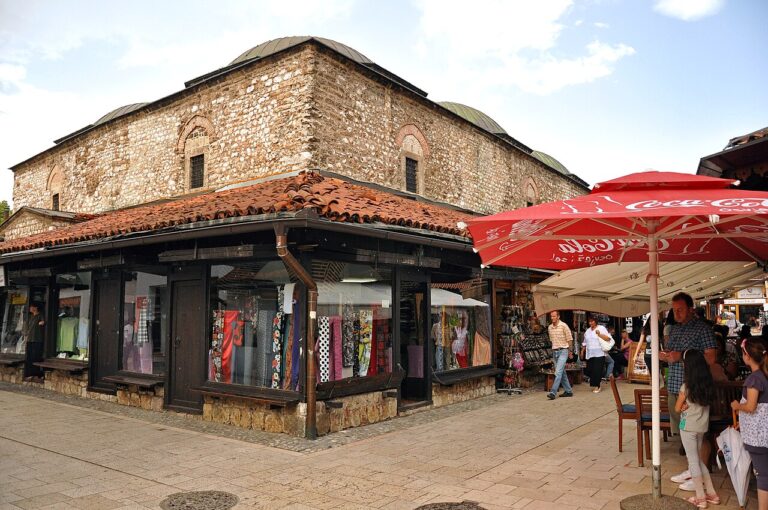
The shopping of Bursa arranges itself by the streets. The Koza Han and the lanes around it hold the silk and the textiles. The covered bazaar — the Kapalı Çarşı — holds the general commerce: the clothes, the shoes, the jewelry, and the goods of the market. The streets of the jewelers hold the gold and the silver of the city — the jewelry of the Turkish tradition. And the modern streets of the center hold the contemporary shopping: the stores and the boutiques of the fashion. The modern malls of Nilüfer — the shopping centers of the new city — hold the full retail: the international brands, the cinemas, and the food courts. The shopping of Bursa runs from the historic bazaar to the modern mall — the range of the city’s commerce.
The Art of the Bargaining
The bargaining is the art of the bazaar — the dance of the price that the market tradition requires. The rules of the bazaar bargaining are the simple ones: the starting price of the shop, the counter of the buyer, and the middle of the meeting. The bargaining applies to the crafts and the textiles of the market; the fixed prices apply to the packaged goods and the modern stores. The visitor bargains with the respect and the humor — the process as the conversation, not the conflict — and the prices of the bazaar settle at the fair ones. The bargaining of Bursa is the participation in the market’s life: the banter, the tea, and the deal — the commerce of the city, played by its rules.

The Practical Notes of the Shopping
The practical notes of the shopping keep the purchases smooth. The cash of the bazaar — the small notes — serves the market best, though the cards work in the established shops. The receipts of the larger purchases — the guarantees and the certificates of the quality — protect the buyer. The shipping of the bulky goods — the ceramics and the large items — arranges through the shops or the couriers. And the customs of the home countries — the allowances and the limits of the luggage — govern the quantities. The visitor shops with the plan: the gifts list, the budget, and the space of the luggage — the purchases of the city, carried home without the trouble.
The Rhythm of the Shopping
There is a rhythm to the shopping in Bursa that the market sets. The morning belongs to the old city — the Koza Han and the bazaar in the early light, before the heat and the crowds. The midday belongs to the wandering — the lanes of the artisans, the tea of the courtyard, and the slow commerce of the market. The evening belongs to the modern city — the shops of the center and the malls of the districts, open late. The visitor follows the rhythm: the silk in the morning, the crafts at midday, and the modern stores in the evening. The shopping of Bursa becomes part of the city’s experience — the commerce of the first capital, in the market that has served it for the centuries.
Frequently asked questions
What is Bursa famous for shopping?
Bursa is famous for its silk — the historic trade of the city, sold in the Koza Han — and for its textiles, the candied chestnuts, the peaches of the season, and the ceramics of the Iznik tradition. The bazaar of the city has served the commerce for the centuries.
What should I buy in Bursa?
The essential purchases are: the silk scarves and the shawls of the Koza Han, the candied chestnuts of the sweet shops, the textiles of the bazaar, and the crafts of the region — the copper, the woodwork, and the Iznik-style ceramics. The summer adds the peaches of the plain.
Is bargaining expected in Bursa?
The bargaining is the tradition of the bazaar — the art of the price in the market of the crafts and the textiles. The packaged goods and the modern stores hold the fixed prices. The bargaining of Bursa is the conversation of the commerce, played with the respect and the humor.

All Over Information
The All Over Information editorial team researches and writes practical English-language guides to Turkey. Facts are checked against official and local sources before publication, prices are published as dated ranges rather than quotes, and guides are revised when things change. We accept no sponsored posts, paid placements or paid links.
More guides like this


Hidden Gems of Bursa Most Tourists Miss
Every visitor to Bursa sees the Ulu Cami, the Green Mosque, and the bazaar. The city's famous sights are the essentials, and…
A Solo Traveler’s Guide to Bursa
Bursa is one of the most rewarding solo destinations in Turkey.

Nightlife Guide to Bursa
The nightlife of Bursa is the nightlife of a great regional city: the tea gardens and the cafés of the old city,…

Top 10 Things to Do in Bursa
Bursa is the city where the Ottoman story begins. Before Istanbul, before the great empire, there was this city — the first…