A Deep Dive into the Turkish Television Drama (dizi) Phenomenon
The Turkish dizi is not just a popular show; it is a production system, a narrative machine, and a global industry.

The Turkish dizi is not just a popular show; it is a production system, a narrative machine, and a global industry.

You have probably heard that Turkish television dramas, called dizis, are a worldwide sensation, but you may not know what they are like or why people watch them.

If you have not heard of the Turkish dizi, you soon will.

Modern Turkish pop culture is one of the world’s most successful entertainment industries, yet its history and machinery are little known outside the country.

You may know more about Turkish pop culture than you think: a dramatic television series everyone is talking about, a song from a streaming playlist, or a food video shared by millions.

Modern Turkish pop culture is everywhere, even if you do not realize it: television dramas that air on six continents, pop songs that top charts from the Balkans to the Gulf, and food, fashion, and celebrity…
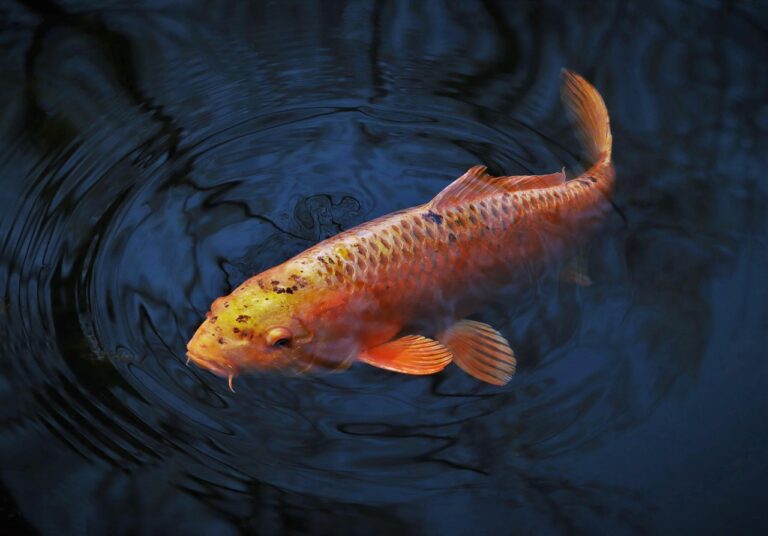
Turkish folk dance looks simple, but it is a complex cultural system: a code of history, ritual, and identity written in the body.

Turkish folk dance can look intimidating to outsiders: circles of people moving in perfect unison, solo dancers with arms spread like eagles, and rhythms that seem impossible to follow.

Dance is one of Turkey’s oldest languages.
The traditional instruments of Turkey are more than objects: they are the archive of a culture, carrying centuries of song, dance, and ritual in their wood and skin.

Turkish music can sound strange and wonderful to foreign ears: sliding strings, breathy flutes, and rhythms that are hard to count.
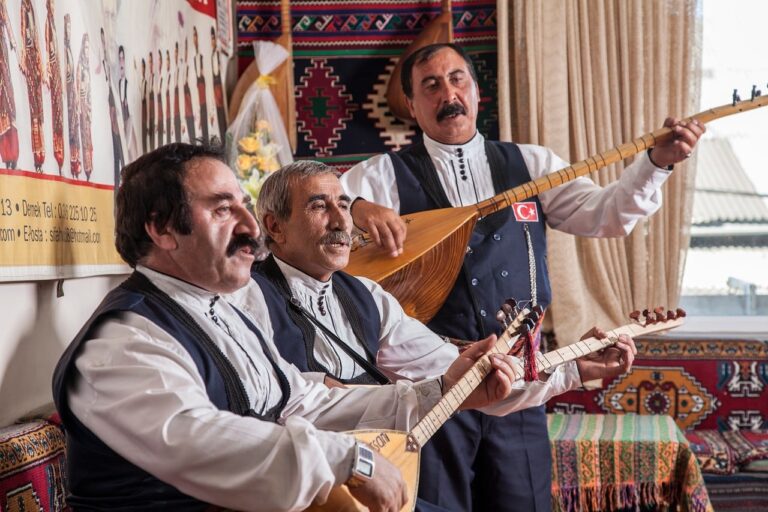
Turkish folk music is carried by a family of instruments that most visitors hear before they ever see them: the twang of the long-necked saz, the breathy flute of the kaval, the sharp beat of the darbuka.
We use cookies
Necessary cookies keep this site working. With your permission we also use cookies for analytics and advertising, which is how the site is funded. You can change your mind at any time. Cookie policy · Privacy policy