A Deep Dive into Ebru Marbling Art
Ebru, the Turkish art of marbling, looks like pure magic: paint that floats on water, then transfers to paper in patterns of cloud and stone.

Ebru, the Turkish art of marbling, looks like pure magic: paint that floats on water, then transfers to paper in patterns of cloud and stone.

You have probably seen ebru even if you do not know its name: those swirling, cloud-like patterns on paper, often in blue, gold, and red, sold in Turkish markets and museums.

Ebru is the Turkish art of marbling: painting on the surface of water, then transferring the image to paper.

Ottoman calligraphy is one of the great artistic achievements of the Islamic world, and one of the least understood outside it.

If you have visited a Turkish mosque, museum, or market, you have already seen Ottoman calligraphy: the flowing Arabic letters on walls, ceramics, and documents.

Calligraphy is the most Turkish of arts, yet many visitors walk past it.

Few arts say Turkey as instantly as its ceramics and tiles.

Every visitor to Turkey meets its ceramics: in the blue tiles of the mosques, in the painted plates of the bazaars, and in the pottery workshops where the craft is still alive.

Few crafts announce Turkey more beautifully than its ceramics.

The Turkish carpet is one of the world’s great crafts, and its history is a journey from the frozen burial mounds of Siberia to the trading floors of the global market.
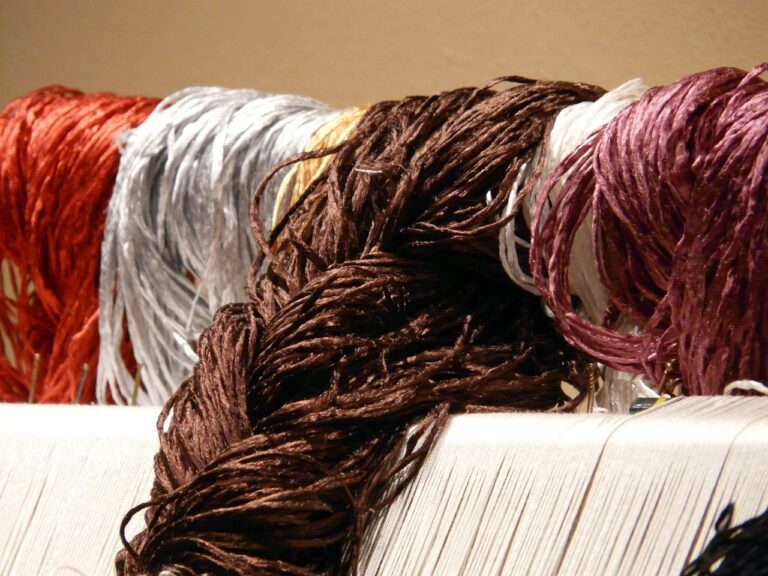
Walking into a Turkish carpet shop for the first time can be overwhelming: carpets stacked to the ceiling, tea arriving before you sit, and a thousand patterns competing for your attention.
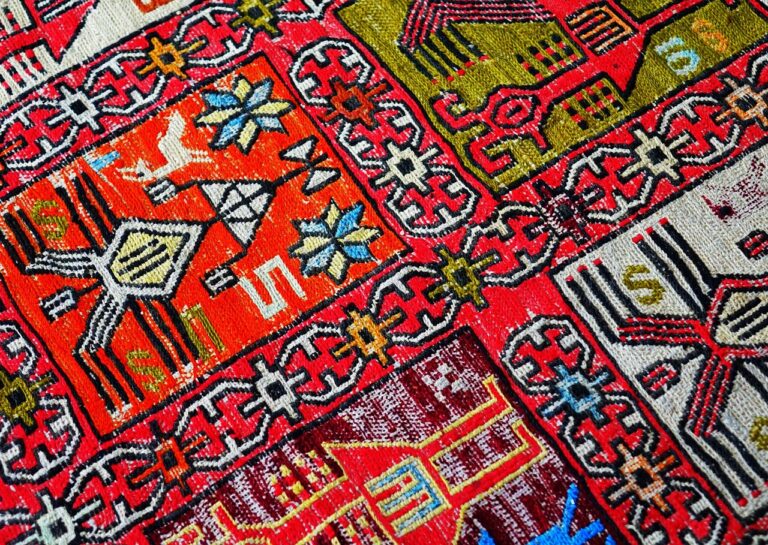
Turkish carpets are among the most famous crafts in the world, and behind every woven pattern lies a tradition that stretches back more than a thousand years.
We use cookies
Necessary cookies keep this site working. With your permission we also use cookies for analytics and advertising, which is how the site is funded. You can change your mind at any time. Cookie policy · Privacy policy