You may know more about Turkish pop culture than you think: a dramatic television series everyone is talking about, a song from a streaming playlist, or a food video shared by millions. This guide explains the essentials for newcomers, without any background knowledge. You will learn what Turks watch, listen to, and talk about, why the culture travels so well, and how to enjoy it during your visit or from your own couch.
The First Thing to Know: It’s Bigger Than You Think
Turkish pop culture is a major industry and a daily obsession for tens of millions of people. It is not a small national scene; it is one of the most productive television and music industries in the world, and its products reach audiences on every continent. The scale surprises most visitors.
The culture is also very social. Turks discuss the shows, the songs, and the stars constantly, at work, at the dinner table, and online, and joining the conversation is one of the easiest ways to connect with people. You do not need much knowledge; a single show or song is enough to talk about.
The tone is emotional. Turkish entertainment favors big feelings: love, jealousy, honor, family loyalty, and grand gestures. If the culture seems dramatic to you, that is the point, and the drama is part of its appeal at home and abroad.
The Music Scene: What You’ll Hear
Turkish popular music is a mix of styles with a distinctive sound. The mainstream pop is melodic and polished, and it dominates weddings, radio, and streaming playlists. Beneath it run deeper currents: arabesk, the emotional orchestral music of the twentieth century, and folk, which never went away.
The current scene is highly varied. Hip-hop and rap have a large young audience, rock has a loyal following, and the streaming era has brought countless new voices. Turkish music festivals draw huge crowds, and the songs of the summer are a national topic of debate.
You will hear the music everywhere. Taxis play it, shops play it, and family gatherings are not complete without it. The songs are the soundtrack of Turkish life, and learning one or two hits of the season is a surprisingly effective way to connect with locals.

Television: The Dizi Explained
The center of Turkish pop culture is the dizi, the long-running television drama. A typical dizi runs for many episodes, often over several seasons, and tells a single continuous story of love, family, and conflict. The episodes are long, the production is lavish, and the twists are relentless.
The dizis are not niche television; they are the most-watched programs in the country. When a big series airs, the streets empty, and the next morning everyone discusses the episode. The shows also sell to dozens of countries, which is why you may already have seen one.
The stars of the dizis are the biggest celebrities in Turkey. Their faces are on every billboard, their clothes are copied, and their private lives are the daily subject of the press. Knowing one current dizi is knowing the culture’s center of gravity.
The Stars: Who They Are
Turkish celebrity culture is intense and very visible. The top actors and singers are followed by millions, their endorsements are everywhere, and their personal stories fill the magazines and the websites. The stars are also active on social media, where they speak directly to their fans.
The fans are devoted. Turkish fan culture organizes streaming campaigns, charity projects, and birthday celebrations for the stars, and the rivalry between fan groups is a constant feature of the internet. The devotion is sincere, and it has real commercial power.
The stars also carry influence beyond entertainment. Their opinions on products, causes, and even politics reach millions, and brands compete for their endorsement. In Turkey, a star’s word is a marketing campaign in itself.
Social Media: Where the Culture Lives
Social media is the town square of Turkish pop culture. Music goes viral there, shows are discussed there, and stars announce their news there, and the platforms are used by the vast majority of the population. If you want to follow the culture, the apps are the place.
The humor is a national specialty. Turkish internet culture is famous for its memes, its running jokes, and its speed, and the humor often crosses borders, with Turkish memes appearing in international feeds. The jokes are usually warm, sometimes political, and always quick.
The trends move fast. A phrase from a show, a dance from a music video, or a joke from a meme can sweep the country in a day, and keeping up is part of the fun. For a visitor, the internet is also the best window into what Turks are actually talking about.
Food, Fashion, and Daily Habits
Pop culture in Turkey is not only screens; it is daily life. The food is part of it, with cooking shows, celebrity chefs, and a national obsession with regional dishes. The fashion is part of it, with the streets of Istanbul tracking global trends and the celebrity wardrobe setting the season’s looks.
The daily habits are part of it too. The tea houses, the cafes, the long meals, and the evenings with family are the settings in which the culture is discussed and shared. The shows and the songs are the soundtrack to a very social way of life.
For a visitor, the lesson is simple: the culture is lived, not just consumed. The best way to understand Turkish pop culture is to sit in a cafe, share a meal, and let the conversation, the music, and the television happen around you.

The Turkish Sense of Humor
Turkish humor is quick, warm, and sometimes absurd. The national comedy tradition runs from the folk trickster stories of Nasreddin Hodja to the modern sitcoms and the internet memes, and it is everywhere in the culture. The jokes often play on the gap between appearances and reality.
The humor can be self-deprecating. Turks laugh at their own habits, their traffic, their bureaucracy, and their own dramas, and the laughter is affectionate rather than bitter. Joining the laughter, even without understanding every joke, is a way in.
The comedy also travels. Turkish sitcoms and comedy films are popular across the region, and the memes have a global life. If you find yourself laughing at a Turkish joke, you are in good company; the culture is built for it.
What to Watch, Listen to, and Try
The best introduction is the current dizi, which is the subject of national conversation and the gateway to the star system. Next, try the music: the pop hits of the season, a classic arabesk song, and a folk song or two. The streaming platforms make all of it easy to find from anywhere.
For food, try the national favorites: the breakfast table, the kebab, the tea, and the desserts. For fashion, walk the shopping streets of the big cities. For the daily life, sit in a cafe and watch the world go by, and let the culture come to you.
The point is not to consume everything but to find one door in. One show, one song, one meal, and one conversation is enough to start, and the culture does the rest. The more you give it, the more it gives back.
Culture Etiquette for Visitors
A little etiquette smooths every encounter with Turkish culture. Accept the tea and the hospitality, which are offered sincerely, and return the warmth. Join the conversation about the shows and the music even if you know little; the effort is appreciated more than the knowledge.
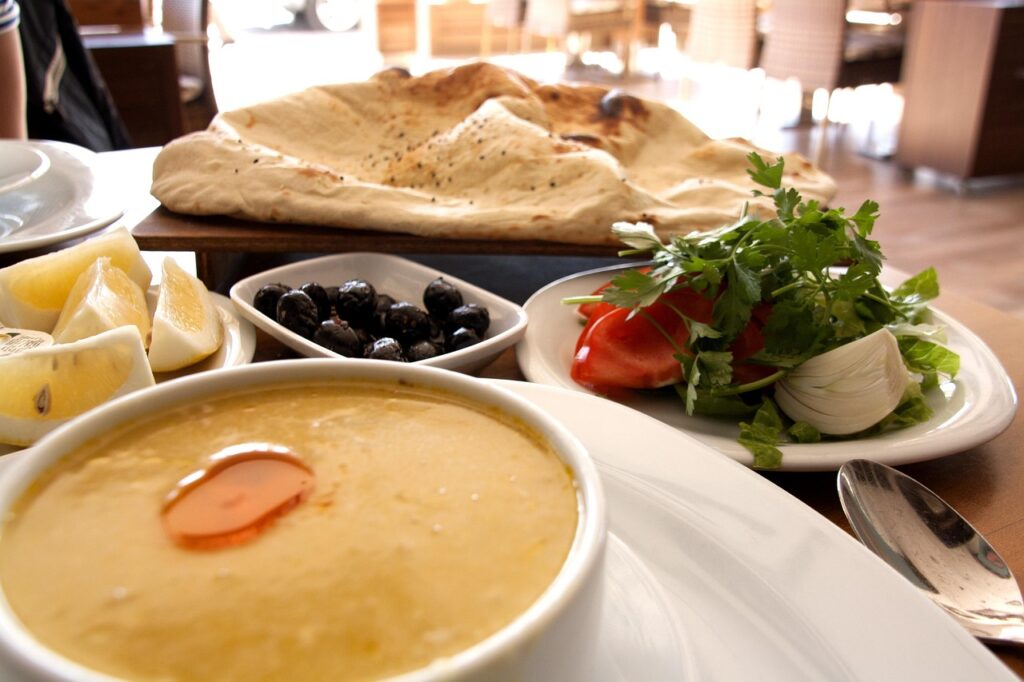
When eating, accept what is offered and taste everything; refusing food can be taken as refusing friendship. When watching television with a family, be ready for long viewing sessions, and ask questions; the family will be delighted to explain.
The general rule is openness. Turkish culture is generous with itself, and it expects you to engage rather than observe from a distance. The visitor who joins in, laughs, tastes, and talks is the visitor who is adopted.
Taking It Home
Turkish pop culture travels well, and you can take it home in your pocket. The streaming platforms carry the dizis and the films, the music apps carry the songs, and the social platforms carry the memes and the stars. The culture is only a search away.
The souvenirs are cultural as well as material. A playlist of the season’s hits, a favorite series to follow, or a recipe learned in Turkey will keep the connection alive long after the trip. Many visitors find themselves continuing to follow Turkish shows from their own homes.
The culture also leaves its mark on the way you see the country. The next time you hear a Turkish song or see a Turkish show, you will recognize it, and the recognition is the beginning of understanding. Welcome to the conversation.
Frequently asked questions
Where should I start with Turkish pop culture?
Start with the current hit dizi, since it is the center of the national conversation and introduces the star system. Then add the season’s popular songs, which you will hear in every shop and taxi. Follow the culture on social media, and try the national food. One show and one playlist are enough to begin.
Do Turkish people really watch those dramatic series?
Yes. The dizis are the most-watched programs in the country, and when a major series airs, the streets empty and the next day’s conversation is about the episode. The drama, the production values, and the stars keep the audience loyal across generations. The international success of the shows reflects their domestic dominance.
What phrases should I learn to join the conversation?
A few phrases open doors: the greetings merhaba and nasılsın, the thanks teşekkürler, and the polite evet for yes. For the culture itself, learn the words dizi for the series, şarkı for the song, and the names of one current star and one hit song. Enthusiasm in any language is the real key to the conversation.

All Over Information
The All Over Information editorial team researches and writes practical English-language guides to Turkey. Facts are checked against official and local sources before publication, prices are published as dated ranges rather than quotes, and guides are revised when things change. We accept no sponsored posts, paid placements or paid links.
More guides like this

How Friday Prayers Shape the Turkish Workweek
For a traveler, one of the most visible rhythms of Turkish life is the week itself, and Friday has a special place…

Ebru Marbling Art Explained for Foreigners
You have probably seen ebru even if you do not know its name: those swirling, cloud-like patterns on paper, often in blue,…

Understanding Turkish Humor and Comedy
Humor is the fastest way into any culture, and Turkish humor is a rich, layered tradition that rewards attention.

Volunteering Opportunities in Turkey
Turkey is one of the most rewarding countries in the world to volunteer in, and not only because of its scenery.

Understanding Turkish Superstitions
Turkish superstitions are everywhere once you know what to look for: the blue glass beads hanging in taxis and shops, the salt…
Turkey’s Agricultural Heartlands Explored
Turkey is one of the great agricultural countries of the world, a land where the Fertile Crescent's first farmers found their footing…