Denizli makes a superb base for exploring the Lycus Valley and beyond. The city sits in the middle of one of Turkey’s richest archaeological landscapes, with two great ancient cities within twenty kilometers, a cave of travertine terraces an hour away, and mountains, lakes, and weaving towns scattered through the surrounding districts. Every direction from the city offers a different day out, and the distances are short enough that you can return to the same hotel every night. This guide ranks the best day trips from Denizli, from the essential to the adventurous, with practical notes on how to reach each one and how to combine them.
Laodicea: The City at the Doorstep
The easiest and most rewarding day trip from Denizli is Laodicea, the ancient city on a plateau about six kilometers north of the center. Founded in the third century BC, it was one of the wealthiest cities of the region, famous for its banking and textiles, and it appears in the Book of Revelation as one of the Seven Churches.
The site is vast and still being excavated, with two theaters, a stadium, bath complexes, a monumental fountain, and a long colonnaded street emerging from the earth. The crowds are thin compared with Pamukkale, and the views across the Lycus Valley from the plateau are superb, stretching to the mountains on every side.
Laodicea is a half-day trip at most, and it can be combined with the city’s bazaar and museum in a single unhurried day. A taxi or dolmuş reaches the site in minutes from anywhere in Denizli, and the site itself rewards two to three hours of walking among the marble.
Pamukkale and Hierapolis: The Full Classic
The region’s great site, Pamukkale with the ancient city of Hierapolis, works perfectly as a day trip from Denizli. The white travertine terraces, the Roman theater, the vast necropolis, and the thermal pool of Cleopatra are all in one place, and a full day gives you time to see it properly and without rushing.
The formula for success is the early start. Arrive at opening time, walk the terraces as the light improves, swim in the Antique Pool at midday, and spend the afternoon among the ruins, when the tour groups have moved on. The site is large enough that a day never feels too long, and there is always one more corner to explore.
The minibus from Denizli takes about thirty minutes and drops you at the site gate. With a car, the same trip is simple, and the day can be extended with a thermal soak in Karahayıt or a sunset view from the hilltop on the way back.

Kaklık Cave: The Underground Terraces
About forty kilometers east of Denizli, the town of Kaklık hides one of the region’s most surprising sights: a cave filled with travertine terraces, formed by the same mineral-rich springs as Pamukkale but enclosed within a dramatic cavern. The white formations, the turquoise pools, and the cool darkness make it feel like a secret version of the famous site.
The cave is compact, taking about an hour to explore, and it is rarely busy. The boardwalks let you walk among the terraces, and the acoustics, the echoes of dripping water, and the light filtering from the openings above give the place a cathedral atmosphere that photographs beautifully.
Kaklık combines naturally with a day that includes the terraces or the airport, since the road passes through the area. It is the classic hidden extra, close to the main route and well worth the short detour, and it works in any weather because the cave keeps its own climate.
Honaz Mountain: The Green Escape
Rising south of Denizli, Honaz Mountain is the highest peak of the region, and a drive into its forests is a complete change of scene. The air cools, the pines close in, and the views over the Denizli plain open up as the road climbs through the foothills, past orchards and small villages.
The mountain is also the setting for Colossae, the ancient city of Saint Paul’s letter, now a quiet mound in the fields at the mountain’s base. History and nature combine here: a morning among the ruins, a picnic in the forest, and the afternoon free for the return drive or a walk in the woods.
Honaz makes a relaxed half-day or full-day escape, especially in summer, when the mountain is the province’s natural air conditioning. Bring a picnic and good shoes, and let the silence of the mountain do the rest. The village roads are friendly, and the welcome is genuinely warm.
Tripolis: The Ruins Above the Valley
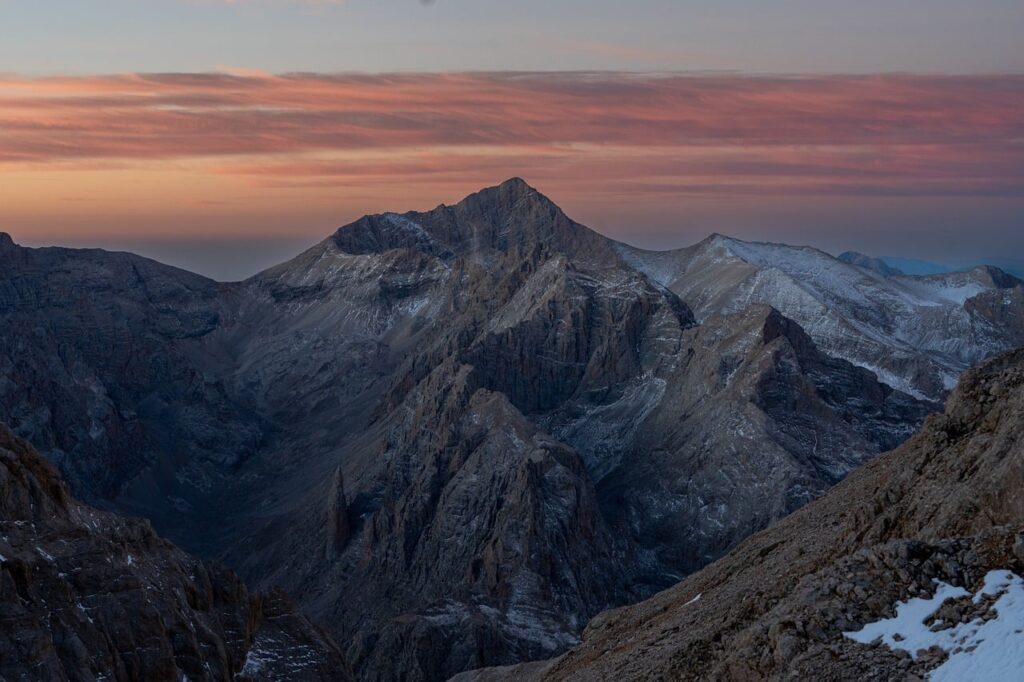
Perched on terraces above the Büyük Menderes valley, the ancient city of Tripolis is one of the region’s most beautiful and least visited sites. It grew prosperous in Roman times on the valley’s trade and its own textiles, and its remains include baths, a theater, and long colonnaded streets running between the terraces.
The setting is the draw: the ruins look down over the green valley, and the site is usually empty, giving the visit the feeling of genuine discovery. The stones are grass-grown and partly overgrown, and the walking is gentle but uneven, so sturdy shoes are the essential equipment.
Tripolis lies about thirty kilometers north of Denizli, near the town of Buldan, and it combines perfectly with a visit to Buldan’s weaving quarter. Together they make a full, varied day out of the city, with the morning among the ruins and the afternoon among the looms.
Buldan: The Weaving Town
The town of Buldan is famous across Turkey for its white cotton cloth, towels, and bed linens, and its looms have been running for generations. The weaving workshops are active in the old streets, and the town’s stone and timber houses give it a preserved, peaceful character that is rare in the region.
A day in Buldan means wandering the old quarter, watching weavers at work, and buying cloth directly from the workshops at prices that reflect the local market rather than the tourist trade. The town is also a pleasant place to sit and eat, with simple restaurants serving the valley’s cooking and tea gardens under the trees.
Buldan is a short drive from Denizli and a natural partner for Tripolis, and the two together make one of the most rewarding day trips in the region: a morning among Roman ruins and an afternoon among working looms, with the valley’s green hills as the backdrop to both.

Aphrodisias: The Marble City
For a longer day trip, Aphrodisias is worth the journey. About two hours from Denizli by road, this ancient city was famous across the Roman world for its marble and its sculptors, and its stadium, theater, and temple of Aphrodite are among the best-preserved in Turkey.
The site is magnificent and often quiet, with a museum that holds some of the finest sculpture from the Roman world. The marble, quarried nearby, glows in the afternoon light, and the stadium, seating tens of thousands, is one of the most impressive structures you will see anywhere, its rows of seats intact and breathtaking.
Aphrodisias demands a full day, including the drive, and it is best done with a car. If you have the time, it is the single greatest extension of a Denizli trip, a masterpiece of the ancient world in a valley of its own, and the drive itself passes through lovely countryside.
Çardak Lake: The Quiet Shore
Near the airport town of Çardak, a large lake spreads across the plain, ringed by reeds and farmland, with a calm, open landscape of water and sky. It is a place of simple pleasures: walking the shore, watching the birds, and sitting through the sunset as the water changes color from silver to gold.
There is no development and no crowd, only the wide water and the quiet of the countryside. If you are flying in or out of Çardak airport, the lake is a natural addition to the journey, a calm note before or after the flight, and a chance to stretch your legs in the open air.
The lake suits a short afternoon rather than a full day, and it combines with Kaklık Cave, which lies on the same eastern side of the province. Together they make a gentle day of water, cave, and countryside, with the travertines of the cave and the wide water of the lake as contrasting highlights.

Planning Your Day Trips
The day trips cluster neatly by direction. North: Laodicea at the doorstep, and Tripolis with Buldan further on. East: Kaklık Cave and Çardak Lake toward the airport. South: Honaz Mountain and Colossae. West and beyond: Aphrodisias for the long day.
A car unlocks the full range, and rental is the practical choice for a base in Denizli. Without a car, the minibus network reaches Laodicea, Pamukkale, and the main towns, and taxis cover the shorter hops. Your hotel can help with schedules and fair prices, so ask before you set out.
Finally, pace yourself. The region is dense with history, and the best day trips are the ones that leave time for a long lunch, a tea garden, and the unhurried pleasure of the valley. Denizli’s day trips are not a checklist; they are a series of different worlds, each worth a day of its own.
Frequently asked questions
What is the best day trip for first-time visitors?
Pamukkale and Hierapolis, the region’s great site, is the essential first day trip. Laodicea is the best second choice, close to the city and far less crowded. For a change of scenery, Honaz Mountain and Colossae offer nature and history, while Aphrodisias rewards those willing to travel further.
Can I visit two sites in one day?
Yes, if they are close. Laodicea and the city center combine easily, as do Tripolis and Buldan, and Kaklık Cave with Çardak Lake. Pamukkale and Aphrodisias each deserve a full day on their own. Group the nearby sites and keep the long drives separate for a relaxed rhythm.
Are the day trips possible without a car?
Mostly yes. Minibuses run from Denizli to Pamukkale, Laodicea, and the main towns, and taxis cover the shorter hops. Aphrodisias is the hardest without a car, though it is reachable with connecting buses and planning. For the full range of day trips, a rental car makes everything easier.

All Over Information
The All Over Information editorial team researches and writes practical English-language guides to Turkey. Facts are checked against official and local sources before publication, prices are published as dated ranges rather than quotes, and guides are revised when things change. We accept no sponsored posts, paid placements or paid links.
More guides like this
48 Hours in Denizli: The Perfect Itinerary
Forty-eight hours in Denizli is enough to see the region's two great ancient cities, swim in a Roman thermal pool, walk the…

Best Time of Year to Visit Denizli
Denizli is a year-round destination, and each season gives the region a different character.
Shopping Guide: What to Buy in Denizli
Denizli is a working industrial city, and its shopping reflects that character: this is where things are actually made, from the towels…

Nightlife Guide to Denizli
Let us be honest about Denizli's nightlife: it is not a party city, and pretending otherwise would be a disservice.

Photography Spots in Denizli You Can’t Miss
Denizli is one of the most photogenic regions in Turkey, and the camera barely needs help here.

Where to Stay in Denizli: Neighborhood Guide
Where you sleep in Denizli shapes your whole trip.