Uskudar is a district of layers, and even its famous sights — the Maiden’s Tower, the waterfront mosques, the Çamlıca view — are only the surface. Behind them lie the hillside neighborhoods, the historic cemeteries, the barrack that became a hospital for a war’s wounded, the teahouses the visitors never find, and the villages of the Asian shore that most travelers pass without stopping. This guide collects the hidden gems of Uskudar — the places the guidebooks skip and the day-trippers never reach.
The Selimiye Barracks: The Crimean War’s Hospital
Most visitors pass the great red-brick barracks of Selimiye without a second glance; the history inside is extraordinary. Built in the early 19th century, the barracks became the British military hospital during the Crimean War — and it was there that Florence Nightingale and her nurses revolutionized military medicine, the nightingale lamp making its rounds through the wards. The small museum in the barracks honors her work, and the building itself — the vast facade, the corner towers — is one of the most striking military architecture in the city. It is the hidden history of the district, a chapter of world history set on the Asian shore, and it rewards the visitor who knows to look.
The Historic Cemeteries: The Cypress Gardens
The hills of Uskudar hold some of the most beautiful cemeteries in the world — the great Ottoman and Republican burial grounds where the cypress trees rise over the gravestones and the view opens onto the Bosphorus. The cemeteries of Karacaahmet, one of the oldest and largest in the world, are the grand version: the silent lanes, the centuries of stones, the sense of the city’s deep history at rest. The cemeteries are also the district’s hidden viewpoint — the hillsides above the strait give the elevated views that the waterfront cannot, with the tower and the European shore below. They are free, quiet, and atmospheric, and the walk through them is one of the most contemplative experiences in Istanbul.

The Waterside Villages: Çengelköy and Kuzguncuk
The coast north of Uskudar holds the hidden villages of the Asian shore — and the most charming is Kuzguncuk, a few minutes by ferry or bus. The village is a living postcard: the pastel wooden houses, the waterfront promenade, the synagogue and the church and the mosque within steps of each other, the tea gardens on the water, the artists’ studios and the small galleries in the old houses. Çengelköy, just beyond, is the cucumber-farming village turned Bosphorus beauty, with its waterfront cafes and its views of the bridge. The villages are where the traditional Asian-shore life survives, and a morning or an afternoon there — the tea, the houses, the water — is the hidden gem of the district.
The Teahouses Beyond the Waterfront
The famous teahouses of the waterfront are on the maps now; the hidden ones are the hillside tea gardens and the backstreet rooms where the district’s life happens without the visitors. The hill tea gardens give you the tea with the elevated view — the rooftops, the strait, the European shore — at the same few lira as the waterfront. The backstreet coffeehouses, the kıraathane, hold the traditional version: the wood-paneled rooms, the backgammon boards, the Turkish coffee brewed over the hot sand, the regulars who have played each other for decades. These are the rooms where the real Uskudar lives, and the visitor who finds them has found the district.
The Small Mosques of the Hills
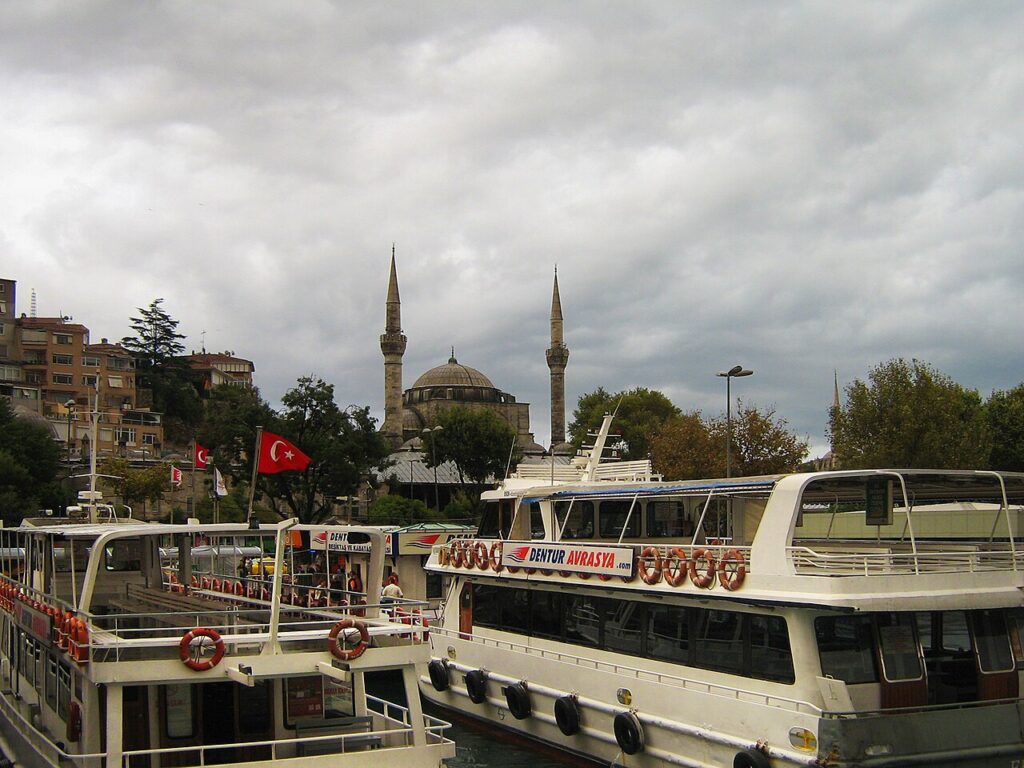
The grand mosques of the waterfront are the famous ones; the hills hold the district’s smaller treasures. The neighborhood mosques of the hillside quarters — the domed and minareted buildings tucked into the residential streets — are the working places of worship of the district’s daily life, and their courtyards are among the most peaceful spaces in the city. Some carry histories that reach back centuries; all of them open their doors to the visitor who comes quietly and respectfully. The walk through the hillside neighborhoods, from one small mosque to the next, is the district’s hidden architectural itinerary — the grand waterfront in miniature, lived daily.
The Waterfront Promenade North
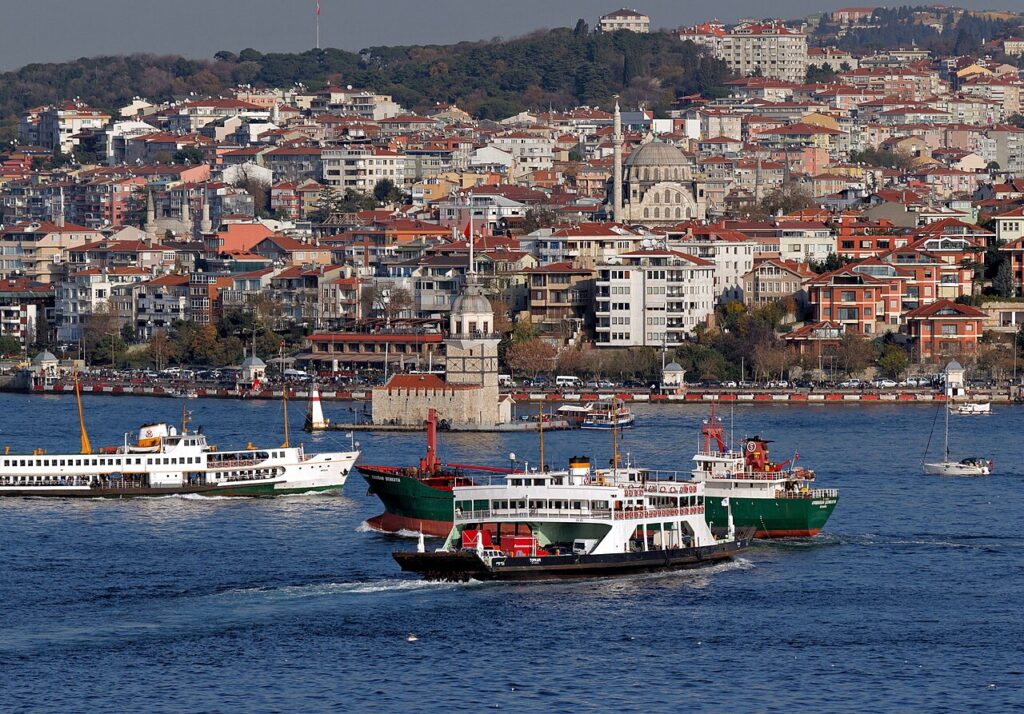
The travelers walk the south shore of Uskudar, past the tower viewpoint; the walk north — toward the villages, past the fishing piers and the small parks — is the version they miss. The promenade north of the center holds the district’s quieter life: the fishermen on the seawall, the small teahouses, the boatyards, the families, and the views of the Bosphorus Bridge growing closer with every step. It is the walk of the residents, the daily version of the waterfront that the visitors photograph, and at sunset — the bridge lit, the water golden — it is the hidden best hour of the district.
The Market Beyond the Piers
The market streets behind the piers are the district’s daily heart, and the hidden version is the one the visitors never find: the produce market, the cheese and the olive stalls, the spice sellers, the working shops where the residents actually shop. The market is where the district’s food culture begins — the ingredients of the lokanta trays and the breakfast spreads — and the wandering, the tasting, and the local prices are the experience. The hidden gem of the market is the timing: the early morning, before the crowds, when the stalls are at their fullest and the sellers have time to talk.
The Ferry to the Villages: The Local Line
The last hidden gem is a ride rather than a place: the local ferry lines that run from Uskudar along the Asian shore, stopping at the villages — Kuzguncuk, Çengelköy, and beyond — that the tourist boats only photograph from the deck. The local line is the transport of the residents, cheap, frequent, and unhurried, and the ride north along the shore — the village houses sliding past, the yalıs, the green hills — is the district’s most pleasant hour. Ride it out, get off at a village, have a tea, and ride it back: the hidden itinerary of the Asian shore.

The Hidden Day, Planned
A day of the hidden Uskudar writes itself. Morning: the Selimiye Barracks for the Crimean War history and the museum of Florence Nightingale’s work. Mid-morning: the cemeteries of the hills — the cypress avenues, the centuries of stones, the elevated views. Lunch: a lokanta in the market streets behind the piers. Afternoon: the local ferry north — the village houses sliding past — and the wander through Kuzguncuk: the pastel houses, the three houses of worship, the tea gardens on the water, the artists’ studios. Late afternoon: the hill tea gardens for the tea with the elevated view. Evening: the waterfront promenade north, the bridge lit, the sunset the residents keep for themselves. It is a day of the district that the guidebooks do not know — the barracks, the cemeteries, the village, the hills — and it is the day the residents would tell you to take, the version of Uskudar they keep for themselves.
Frequently asked questions
How do I visit the Selimiye Barracks?
The barracks houses the museum of Florence Nightingale’s work, accessible to visitors — check the opening hours, as the building still serves the military in part.
Are the cemeteries open to visitors?
Yes — the great cemeteries of the hills are open public spaces, free, and atmospheric. Walk quietly and respectfully; they are places of rest.
How do I get to Kuzguncuk?
The local ferry from the Uskudar piers, or a short bus ride north along the shore — the village is a few minutes away and a world apart.
Are the hill tea gardens worth the climb?
Yes — the tea with the elevated view over the strait is the hidden version of the waterfront experience, at the same few lira.
What is the best hidden walk?
The waterfront promenade north toward the villages — the fishermen, the teahouses, the bridge, and the sunset the residents keep for themselves.
Is the Selimiye Barracks museum worth a visit?
Yes — the small museum honoring Florence Nightingale’s work is the hidden history of the district, a chapter of world history set on the Asian shore.
Can I visit the village synagogues and churches?
Kuzguncuk’s houses of worship — the synagogue, the church, and the mosque within steps of each other — are part of the village’s living fabric; visits are arranged respectfully, and the exteriors and the streets are freely enjoyed.
How much time should I allow for the villages?
A morning or an afternoon — the ferry out, the village wander, the tea on the water, and the return crossing make the half-day that feels like a day out of the city.
Are the hill cemeteries safe to visit?
Yes — the great cemeteries are open public spaces, safe and atmospheric; walk quietly and respectfully, and they reward the visit with their silence and their views.

All Over Information
The All Over Information editorial team researches and writes practical English-language guides to Turkey. Facts are checked against official and local sources before publication, prices are published as dated ranges rather than quotes, and guides are revised when things change. We accept no sponsored posts, paid placements or paid links.
More guides like this

Best Time of Year to Visit Uskudar
Every season in Uskudar has its own character, and the honest truth about the district's climate is that it has no bad…

Shopping Guide: What to Buy in Uskudar
Shopping in Uskudar is the local version of the Istanbul shopping experience — and the better one for the traveler who wants…

Uskudar on a Budget: Money-Saving Travel Tips
Uskudar is already one of the cheapest parts of Istanbul to visit — a working Asian-side district where the prices are the…

A Foodie’s Guide to Uskudar
Uskudar is the district where Istanbul's food traditions are at their most intact — the working Asian shore where the teahouse, the…
Photography Spots in Uskudar You Can’t Miss
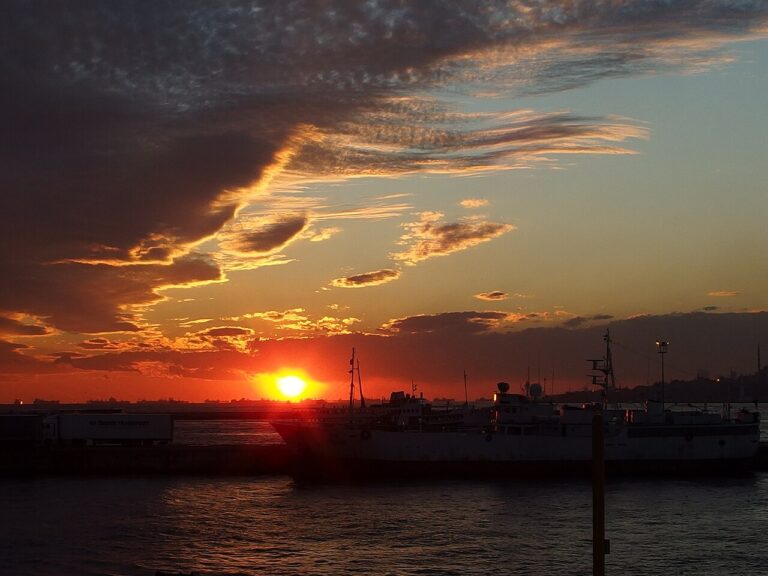
Uskudar is a photographer's district, and it offers a rare combination: one of the most famous buildings in the strait, a waterfront…

Nightlife Guide to Uskudar
Uskudar's nightlife is the traditional version of the Istanbul evening — and that is exactly its appeal.