Most first trips to Istanbul start in Sultanahmet, and most of them should. This is the old city the guidebooks mean when they talk about Constantinople: one compact peninsula where a Roman hippodrome, a Byzantine church, and an Ottoman palace all stand within a ten-minute walk of each other. You can see the big sights in a day, but the neighborhood rewards slower pacing. Give it two, and you leave with something closer to an actual sense of the place.
This guide walks you through getting there, seeing the major monuments without exhausting yourself, eating well without falling into the obvious tourist traps, and handling the practical details that trip up first-timers.
Why Sultanahmet Works So Well for First-Timers
Sultanahmet is the historic heart of Istanbul, sitting inside the old city walls on the European side of the Bosphorus. Nearly everything a first-time visitor most wants to see is concentrated here, and the neighborhood is compact enough to cover on foot.
Here is the practical case for basing yourself in Sultanahmet:
- Density of sights. Hagia Sophia, the Blue Mosque, Topkapi Palace, the Basilica Cistern, the Hippodrome, the Grand Bazaar, and the Spice Bazaar are all within a roughly two-kilometer radius.
- Flat and walkable. Unlike Beyoglu across the Golden Horn, the old city is easy to wander without endless stair climbs.
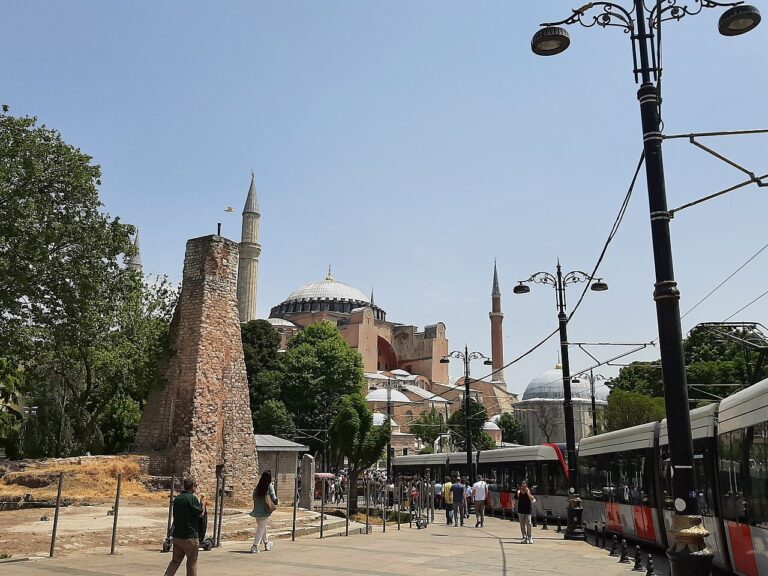
- Transport hub. The T1 tramline runs straight through Sultanahmet Square and connects to the ferry ports, the train station, and both directions of the city.
- Everything closes early, so you sleep well. The old city is quieter at night than Taksim, which suits most first-timers better than it sounds.
The trade-off is real: this is the most touristy part of Istanbul, and you pay for that in restaurant prices and carpet-seller persistence. Spend your days here, but plan one evening across the water in Karakoy or Beyoglu, where the city feels less like a museum and more like a city.

Getting to Sultanahmet
Two airports serve Istanbul. Istanbul Airport (IST) sits roughly 40 kilometers northwest of the city center on the European side. Sabiha Gokcen (SAW) is on the Asian side, farther out and usually cheaper for budget carriers but slower to reach.
From IST, the simplest routes into Sultanahmet:
- Havaist shuttle to Sultanahmet. Direct airport bus that drops you near the tram stop. Around 136 TL one way and about an hour and a half, depending on traffic.
- Metro and tram. Take the M11 metro to Kagithane, change to the M7, then the T1 tram to Sultanahmet. Cheaper, more transfers, and worth it only if you know the system.
- Taxi. Fixed-fare taxis from IST to Sultanahmet run around 700 to 900 TL. Use the official taxi stand and confirm the price before you get in.
From SAW, take the M4 metro to Ayrilik Cesmesi, transfer to the Marmaray train toward Yenikapi, and ride to Sirkeci, which is one tram stop from Sultanahmet. It sounds complicated; it works well.
Once you are in Sultanahmet, you barely need transit. The T1 tram (Sultanahmet stop) is there when your feet give out, and an Istanbulkart, the city’s reloadable transit card, costs about 130 TL to buy and about 20 TL per ride. You can also tap contactless credit cards on most readers these days.

The Big Three: Hagia Sophia, Blue Mosque, Topkapi Palace
Three monuments anchor the neighborhood, and they deserve their fame.
Hagia Sophia. The emperor Justinian completed this cathedral in 537 AD, and for nearly a thousand years it was the largest building on earth. The dome looks like it is floating; the Byzantine mosaics glint in the half-light. After 482 years as an Ottoman mosque and 85 years as a museum, it reopened as a mosque in 2020, and entry is free. Arrive early, cover your shoulders and knees, and remember that women are asked to cover their hair, as the building is an active place of worship. The queues move fast, but the 9 a.m. opening rush is still the calmest time to be inside.
Blue Mosque. Sultan Ahmed I built it between 1609 and 1616 to face down Hagia Sophia, and it is the only major Ottoman mosque with six minarets. The name comes from the roughly 20,000 blue Iznik tiles inside. It is free to enter, but it closes to visitors during the five daily prayers, so check the prayer times and time your visit around them. Dress the same way you would for Hagia Sophia.
Topkapi Palace. For four centuries this was the home and seat of government of the Ottoman sultans. Budget a full half-day. The courtyards alone justify the ticket, and the Harem is a separate, smaller ticket that most people find worth it. The palace kitchens now display a staggering collection of Chinese porcelain, and the terrace looks out over the Bosphorus. Entry runs around 750 TL for the palace and another 350 TL for the Harem at the time of writing, and prices move, so check before you go.
Beyond the Big Three
Once the headline monuments are done, the neighborhood still has plenty.
Basilica Cistern. A sixth-century underground reservoir with 336 columns, built to water the imperial palace. It reopened in 2022 after a long restoration, and the soft lighting and the two Medusa-head columns at the back make it one of Istanbul’s most atmospheric half-hours. It is underground, cool, and always busy, so go early or late.
The Hippodrome. This is the open square between Hagia Sophia and the Blue Mosque, and it used to hold chariot races for 100,000 people in Byzantine times. The Egyptian Obelisk, the Serpent Column, and the Walled Obelisk are the survivors. It is free, it takes fifteen minutes, and it gives you a clean sightline to both great buildings.
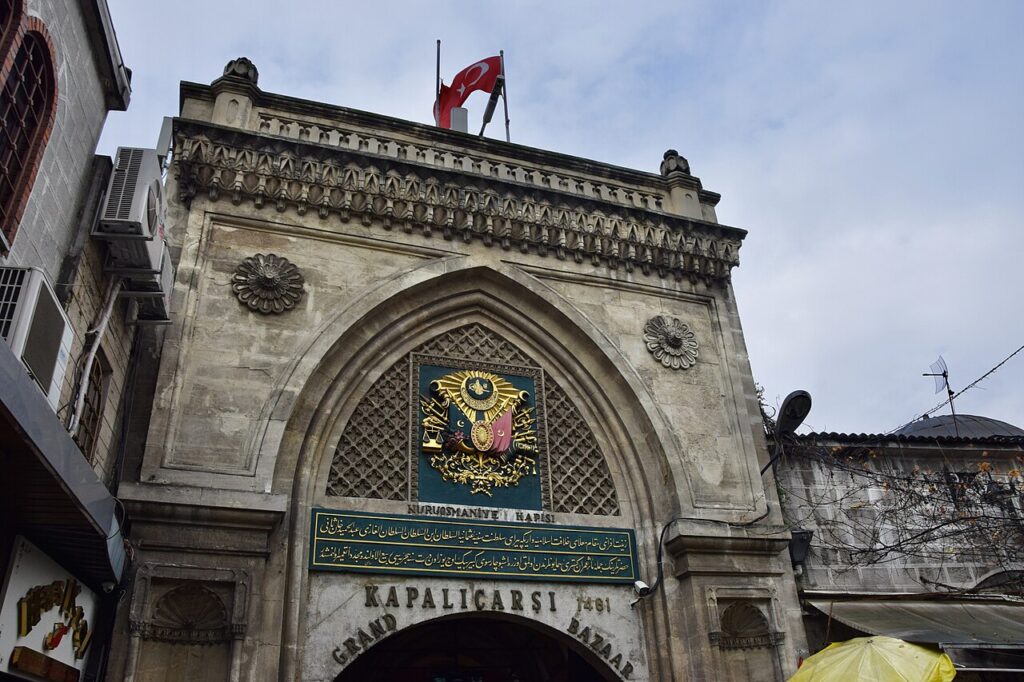
Grand Bazaar. Entering the covered bazaar, with its roughly 4,000 shops under vaulted ceilings, is like walking into a different century. It opened in 1461 and today it sells jewelry, carpets, lamps, leather, and tea sets, with the same item often appearing in twenty windows. Look, photograph, and negotiate, but know that the real bargains are found in the quieter side lanes, not the main arteries.
Spice Bazaar. Smaller and smellier than the Grand Bazaar and more fun to drift through. Saffron, apple tea, lokum (Turkish delight), and dried fruits are the staples, and it sits right by the Eminonu waterfront, where the Bosphorus ferries leave.

Where to Eat Without Getting Ripped Off
The golden rule in Sultanahmet: the restaurants with a waiter standing in the street waving menus are paying commission to the touts, and you are the one who covers it. Walk one street off the main square and the same food costs noticeably less.
For first-timers, the reliable options are:
- Lale Restaurant on Akbiyik Street serves proper home-style Turkish cooking, with a set menu and a loyal local following. It fills up, so book for dinner.
- Doy Doy and Tarihi Sultanahmet Koftecisi both do the no-frills version of the neighborhood’s food: grilled meatballs, beans, and rice at prices that do not require a second mortgage.
- A Turkish breakfast is an event, not a meal. Menemen, olives, cheese, simit, honey, and endless glasses of cay. Cafes on Akbiyik and near the Cistern do good versions for about 250 to 350 TL per person.
- Fish sandwich at Eminonu, the balik ekmek boat by the ferry terminal, is the classic cheap lunch. It is street food, so judge the queue rather than the menu.
- Baklava for dessert. Hafiz Mustafa near the Spice Bazaar is the tourist-friendly standard, but any busy pastry shop does the job.
Drink the tea. It is served in tulip glasses everywhere, it costs a few lira, and turning down the first invitation is how you avoid the teahouse scam where the bill appears later with a price nobody agreed to.
Practical Tips That Save First-Timers Real Money and Trouble
- Money. Carry some lira in cash for small purchases and street food, but you can pay by card almost everywhere else. Exchange at a proper bureau or use an ATM rather than the hotel desk.
- Scams to sidestep. The shoe-shine brush “dropped” in front of you, the “friendly local” who walks you to his cousin’s carpet shop, and the random teahouse invitation are the three classic setups. Be polite, keep walking, and you will be fine.
- Mosque etiquette. Shoes off before entering, shoulders and knees covered, women’s hair covered at Hagia Sophia, no photos during prayer.
- Prayer times. Five calls a day; minarets light up at night, and visitor access to the Blue Mosque pauses around each one. The ezan from the loudspeakers is part of the experience, not an emergency.
- Pickpockets. Crowded trams and the bazaar lanes are the risk spots. Keep your wallet out of your back pocket and your phone zipped away.
- SIM cards. Buy a tourist eSIM or a Turkcell/Vodafone/Turk Telekom tourist pack at the airport; data is cheap by Western standards.
When to Visit and How Long to Stay
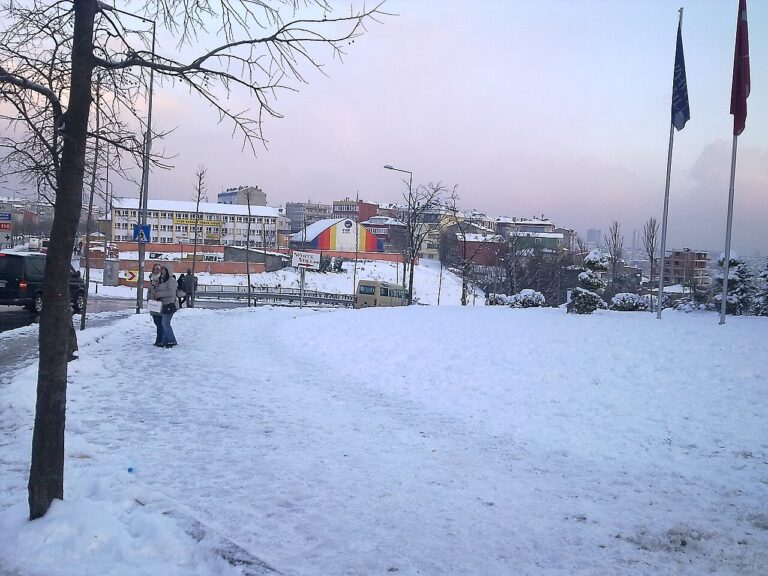
April through June and September through early November bring the best weather and the worst crowds. July and August are hot, crowded, and pricier, but the evenings on the terrace are lovely. Winter is quiet, rainy, and cheap, and Hagia Sophia with a light snowfall is one of the best free views in the city.
For the neighborhood itself, two nights is the honest sweet spot: one full day for the big three and the cistern, a morning for the bazaars, and an evening across the Golden Horn. Stay longer if you can, but don’t feel guilty about moving on — Istanbul has nine more districts worth your time.
The Takeaway
Sultanahmet is the front door of Istanbul: overwhelming, beautiful, and more manageable than it looks. Give it two days, walk instead of taxiing, eat a street or two away from the main square, and treat the bazaars as theater rather than a shopping duty. Do that, and the old city gives you the version of Istanbul that made people write guidebooks in the first place.
Then go across the water and see the rest. The neighborhood is a beginning, not the whole story — and the rest of this site exists to help you plan that next chapter.
Frequently asked questions
How many days do you need in Sultanahmet?
Two days is enough for the major sights and the bazaars at a relaxed pace. One day covers the essentials if you move quickly.
Is Sultanahmet safe for tourists?
Yes. It is heavily policed and very tourist-oriented. The risks are petty scams and pickpocketing in crowds, not violent crime.
Do you need to book Hagia Sophia and Topkapi in advance?
Topkapi Palace, the Harem, and the Basilica Cistern all benefit from booking ahead online during peak season. Hagia Sophia and the Blue Mosque are free to enter and do not take bookings.
Is Sultanahmet walkable?
Very. The main sights sit within a two-kilometer area, and the T1 tram runs through the middle for the rest.
What is the dress code for mosques in Sultanahmet?
Covered shoulders and knees for everyone, and hair covering for women. Scarves are provided at the entrances if you arrive unprepared.

All Over Information
The All Over Information editorial team researches and writes practical English-language guides to Turkey. Facts are checked against official and local sources before publication, prices are published as dated ranges rather than quotes, and guides are revised when things change. We accept no sponsored posts, paid placements or paid links.
More guides like this
Photography Spots in Sultanahmet You Can’t Miss
Sultanahmet is a photographer's dream that does half the work for you.
Hidden Gems of Sultanahmet Most Tourists Miss
Sultanahmet's headline monuments swallow the crowds, and that is exactly why the neighborhood's quieter corners remain so rewarding.
Sultanahmet in Winter: What to Expect
Winter is Istanbul's secret season, and Sultanahmet is its best-kept secret.
Sultanahmet on a Budget: Money-Saving Travel Tips
Sultanahmet is one of the easiest great cities to visit cheaply, once you know the local arithmetic.

The Best Day Trips from Sultanahmet
Sultanahmet is a superb base for a week of Istanbul, partly because the city around it is enormous and partly because so…

Shopping Guide: What to Buy in Sultanahmet
Sultanahmet is a shopping district disguised as a historic neighborhood, and for good reason: the Grand Bazaar has been trading here since…