Turkish ice cream is one of the oldest frozen desserts in the world, and its history reaches back into the mountains of Anatolia, long before refrigeration, freezers, or ice cream makers existed. The story of dondurma is the story of two extraordinary ingredients, salep and mastic, and of the city of Kahramanmaras, which turned a mountain tradition into a national treasure. This is the history of dondurma, from the snows of ancient mountains to the stretching show of the modern street vendor.
The Ancient Art of Cold Desserts
The idea of sweetening snow is as old as civilization. In the palaces of ancient Persia and Rome, runners carried snow from the mountains to cool the drinks and desserts of the wealthy, and the tradition of mixing snow with honey, fruit, and flavorings spread across the ancient world.
Anatolia stood at the crossroads of these traditions. The mountains of the region offered both snow and the wild orchids that would eventually define its ice cream, and the local cooks combined them in ways that had no parallel elsewhere.
By the time of the Ottoman Empire, the cold dessert culture was fully established, and the cooks of the palace and the cities had developed their own refined versions, made with snow, fruit syrups, and the fragrant ingredients of the region.
Salep: The Gift of the Orchid
The defining ingredient of dondurma is salep, the powdered root of wild orchids that grow in the highlands of Anatolia and the Aegean. For centuries, the tubers were dug up, washed, boiled, and dried, then ground into a fine powder that could thicken milk into something extraordinary.
Salep was valued long before ice cream. It was used as a warming drink, mixed with milk and honey, and it was a staple of the Ottoman pharmacy, believed to restore strength and calm the stomach. The word salep comes from the Arabic for fox, a reference to the shape of the tuber. In the coffeehouses of the empire, salep was a winter favorite, and the vendors of the warming drink carried their pots through the streets of Istanbul, keeping the city’s taste for the powder alive through the cold months.
The thickening power of salep made it ideal for a dense, slow-melting ice cream. When the frozen dessert culture reached Anatolia, the local cooks discovered that a little salep could transform milk into an elastic, stretchy cream that no other ice cream in the world could match.

Mastic: The Resin of the East
The second ingredient in the dondurma story is mastic, the resin of the mastic tree that grows on the island of Chios, near the Turkish coast. The resin has been traded for thousands of years, prized for its fragrance and its use as a natural gum.
In the Ottoman world, mastic was a luxury associated with the palace. It perfumed sweets, chewing gums, and drinks, and its clean, pine-like flavor became part of the identity of Ottoman desserts. Adding it to ice cream gave dondurma its characteristic aroma.
The combination of salep and mastic was a stroke of culinary genius. The salep provided the body and the stretch; the mastic provided the fragrance. Together they created a dessert that tasted and behaved like nothing else.
The Mountain Ice Cream of Kahramanmaras
The city of Kahramanmaras, at the foot of the Taurus mountains, is the birthplace of dondurma as we know it. The region offered everything the dessert needed: the milk of the local goats and cows, the salep of the mountain orchids, and the snow that could be stored in cool pits through the summer.
The makers of the region developed a technique that was entirely their own. The sweetened milk, thickened with salep and perfumed with mastic, was chilled and then pounded and folded by hand until it became dense and elastic. The ice cream was beaten in long sessions, and the result could be cut with a knife. The town’s ice cream makers were organized like a guild, and the knowledge of the trade, the timing of the harvest, and the rhythm of the pounding passed from master to apprentice.
The Maras style of dondurma became famous across the Ottoman Empire. Travelers who passed through the city carried its reputation with them, and the name of the city became attached to the dessert itself.
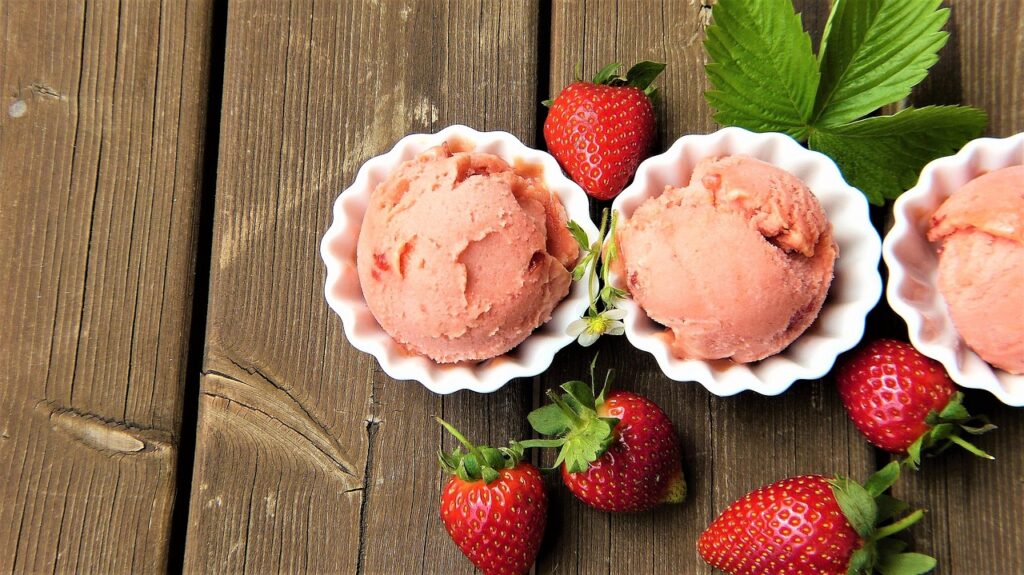
Dondurma in the Ottoman Palace
The Ottoman palace was a great consumer of the refined desserts of the empire, and dondurma found its way into the imperial kitchens. The palace cooks adapted the mountain ice cream, using the finest milk, sugar, and flavorings, and serving it at the great feasts of the sultans.
Snow was the palace’s secret ingredient. Packed snow was transported from the high mountains and stored in insulated pits, called kar kuyusu, so that the imperial kitchen could produce cold desserts even in the heat of the Istanbul summer. The palace ice cream was also a diplomatic tool; foreign ambassadors and visiting dignitaries were served the frozen dessert at imperial banquets, and its fame spread to the courts of Europe.
The palace also spread the taste for dondurma. As the courtiers and the officers of the empire tasted the ice cream at the imperial table, they carried the fashion back to their own households, and dondurma moved from the mountains to the cities.
The Rise of the Ice Cream Parlors
In the nineteenth century, dondurma left the palace and the village and entered the commercial life of the cities. The first ice cream parlors of Istanbul appeared, and the vendors developed the long-handled scoops and the rhythmic working of the mass that still define the trade.
The street vendors became a feature of the Ottoman city. With their bells and their cries, they sold dondurma from carts, and the teasing style of service, the reaching and the snatching, was already part of the performance. The new parlors of the nineteenth century were social places, where families gathered in the summer evenings and the ice cream was served with ceremony from marble counters.
The expansion of the ice cream trade went hand in hand with the modernization of the empire. Improved roads and railways made the milk, the sugar, and the snow easier to move, and dondurma became a treat for the many rather than the few.
The Modern Industry
In the twentieth century, dondurma became a national industry. The makers of Kahramanmaras founded companies that carried the Maras style to every city of Turkey, and the ice cream became a fixture of summer life across the country.
Refrigeration changed the production methods. Electric freezers and mechanical churners replaced the snow pits and the hand pounding in the larger factories, but the key ingredients remained the same. The authentic makers continued to use salep and mastic, and the traditional technique survived in the small parlors. The industry also created a national standard: the Maras method, the salep base, and the stretchy texture became the definition of dondurma from one end of the country to the other.
The famous stretching show also spread in this era. As tourism grew, the teasing vendors became a symbol of Turkish summer, and the routine that began on the streets of Kahramanmaras found a stage on every coast of the country.
The Struggle Over Salep
The modern history of dondurma includes a serious challenge: the future of salep. Because salep comes from wild orchids, and the tubers must be harvested before the plants can spread, overharvesting threatened the species across Anatolia.
In response, the collection of wild orchids was regulated, and the export of genuine salep was restricted. The price of the authentic ingredient rose sharply, and cheaper imitations, thickened with starch, appeared in the market.
The makers of dondurma responded with conservation efforts. Cultivation projects were launched, and a new generation of growers began producing salep from farmed orchids, protecting the wild populations while keeping the traditional ice cream alive.

Dondurma Goes Global
In recent decades, dondurma has traveled far beyond Turkey. Turkish ice cream parlors have opened in cities across Europe, the Americas, and Asia, and the stretching show has become a global attraction. The global spread has also brought a new audience for the history of the dessert, and travelers who see the stretch in a foreign city are often moved to visit Kahramanmaras and see the source for themselves.
The global dondurma has adapted to its new homes. Fruit flavors and local ingredients have joined the classics, and the modern parlors offer everything from the traditional sade to elaborate creations. But the salep-based stretch remains the signature, and the authentic makers still guard their methods.
The history of dondurma is far from over. It continues to evolve with every generation of makers, and the dessert that began in the mountains of Anatolia shows no sign of losing its magic.
The Legends of the Ice Cream
Like every great food, dondurma has gathered legends. The most persistent story tells of a master maker of Kahramanmaras who guarded his recipe so closely that he passed it to his sons on the condition that they would never reveal the proportions, a pact said to have held for generations.
Another tale credits the mountains themselves. The villagers of the Taurus claimed that the best ice cream required the first snow of the season, gathered before sunrise and stored in cool pits, and that the ice cream made from that snow carried the purity of the high slopes.
The legends are impossible to verify, and that is exactly their point. They express the reverence the region feels for its dessert, and they give the modern dondurma a depth of story that no factory product can claim. Every legend adds another layer to the taste.
Frequently asked questions
How old is dondurma?
The ice cream tradition in Anatolia reaches back centuries, and the Maras style of Kahramanmaras was famous across the Ottoman Empire. The ingredients, salep and mastic, have been used in the region for even longer, first as drinks and remedies and later in the frozen dessert. The modern parlors and the industrial era are products of the past two centuries.
Why is salep so important to dondurma?
Salep is the ground root of wild orchids, and its natural thickening agent gives dondurma its dense, stretchy texture. It behaves like a very mild glue, linking the molecules of the ice cream into elastic chains. Without salep, Turkish ice cream would be an ordinary frozen custard, and the famous stretching show would be impossible.
Is dondurma threatened by the loss of wild orchids?
The harvesting of wild orchids for salep threatened the species, so collection is now regulated and export restricted. Conservation projects and farmed orchids are helping to secure the supply. The authentic makers are leading these efforts, because they know that the future of dondurma depends on the future of salep.

All Over Information
The All Over Information editorial team researches and writes practical English-language guides to Turkey. Facts are checked against official and local sources before publication, prices are published as dated ranges rather than quotes, and guides are revised when things change. We accept no sponsored posts, paid placements or paid links.
More guides like this

Where to Find the Best Kunefe in Turkey
Kunefe is made all over Turkey, but it is not made equally well everywhere. The dish belongs to the southeast, and the…

Turkish Ice Cream (Dondurma) Vs. International Variations: What Makes It Turkish
Every country with a summer has an ice cream, and nearly every one of them is different. Italy has gelato, France has…
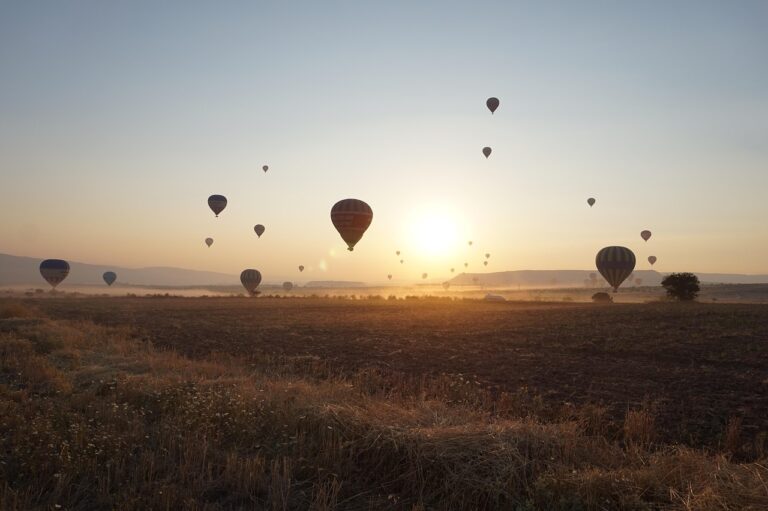
Turkey’s Best Food Tours
Turkey is one of the world's great food destinations, and there is no better way to explore its flavors than on a…

Midye Dolma (Stuffed Mussels) Vs. International Variations: What Makes It Turkish
Mussels are eaten everywhere, and stuffed or filled shellfish appear in cuisines from the Mediterranean to Southeast Asia.
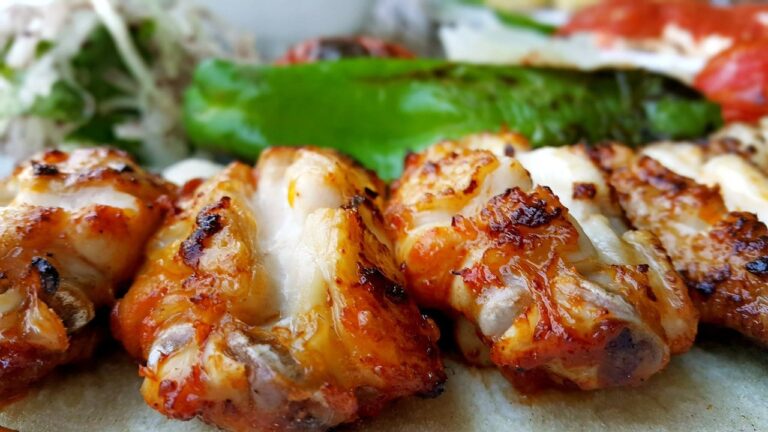
Testi Kebab (Pottery Kebab): A Taste of Turkish Culture
Most Turkish dishes arrive at the table quietly. Testi kebab does not. It arrives inside a sealed clay pot, and the first…

Turkish Soups (Corba) Vs. International Variations: What Makes It Turkish
Every culture on earth has a soup, yet Turkish corba feels unmistakably itself.