Turkey is a far better destination for plant-based eaters than most visitors expect. The country’s kitchen is built on vegetables, grains, legumes, and olive oil, and many of its most beloved dishes are naturally vegan or vegetarian. The challenge is knowing which ones to order and how to ask for them. This guide maps the plant-based side of Turkish cuisine, from meze to dessert, and gives you the words and habits to eat well everywhere from street carts to fine restaurants.
The Good News: A Plant-Based Tradition
Turkish cooking has never been meat-first. The tradition of olive-oil dishes, vegetable stews, stuffed vegetables, and lentil soups means a rich plant-based repertoire exists in every region. Much of the everyday home cooking of Turkey is vegetarian by default, and the country’s markets are gardens of seasonal produce.
The key word to learn is etsiz, meaning without meat. Many dishes arrive in both versions, with or without meat, and asking for the meatless version is completely normal. The other useful word is zeytinyagli, olive-oil dishes served cold or warm, which are almost always vegan.
So the traveler’s challenge is not scarcity but navigation. Once you learn a handful of dish names and two or three phrases, the plant-based options open up across the whole country. This guide gives you exactly that vocabulary, so you can order with confidence from your first day.
Zeytinyagli Dishes: Olive Oil Cooking
The zeytinyagli category is the backbone of vegan eating in Turkey. These dishes are cooked in olive oil and served cold, often as part of the meze spread. They include stuffed vine leaves with rice and herbs, white beans in tomato sauce, artichokes with peas and carrots, and green beans simmered with tomato and onion.
Because they are served cold, these dishes are usually prepared without butter, yogurt, or meat, making them naturally vegan. They are also some of the best-loved dishes on any Turkish table, appreciated by meat eaters and vegans alike. The olive-oil category is where Turkish vegetables shine at their brightest.
For the visitor, the strategy is simple: zeytinyagli dishes are safe, delicious, and usually the cheapest way to eat well. They pair with bread and salad into a complete meal and shine especially in the Aegean.

Meze: The Plant-Based Starter Table
Meze, the small shared plates that open a Turkish meal, are a plant-based paradise. Most meze lists include hummus, eggplant puree, stuffed vine leaves, white beans in oil, spicy tomato and pepper paste, yogurt-free salads, and grilled vegetables dressed in olive oil. A table of meze can easily become a full vegetarian feast.
The caveat is yogurt and butter. Some meze are yogurt-based, like haydari, and others arrive with butter or meat added. The fix is a simple question: there is no yogurt or meat in this one, right? In practice, most meze spreads offer plenty of options without any animal products at all.
The ritual of meze also suits plant-based travelers socially: the table is shared, the plates keep coming, and no one notices or minds that your half is entirely vegetable. Order a wide spread, add bread, and you have a meal that showcases the best of Turkish vegetable cooking.
Soups, Lentils, and Legumes
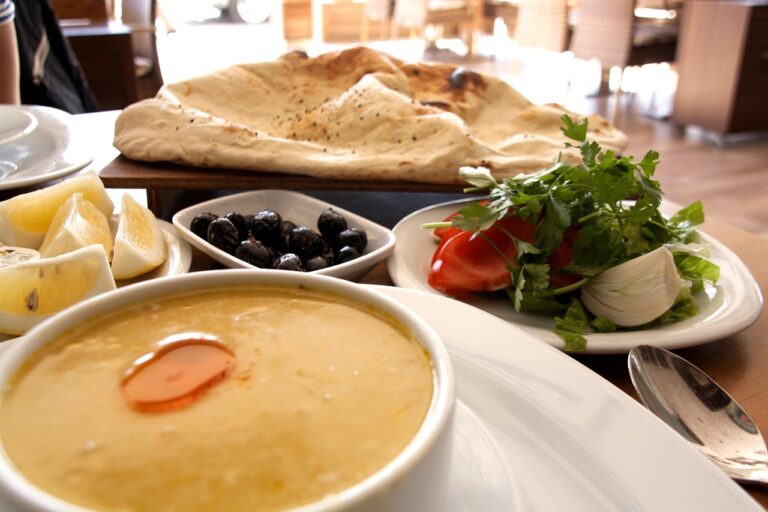
Turkish soup culture is a gift to plant-based eaters. Lentil soup, mercimek corbasi, is the national standby, thick, lemony, and usually made without any animal product beyond the optional stock. It appears in home kitchens, corner soup houses, and fine restaurants, and it is cheap, warming, and everywhere.
Beyond lentils, the legume tradition runs deep. Chickpea stews, kidney bean dishes, and dried bean preparations are everyday staples, often cooked in olive oil and served with rice and pickles. These are the foods that sustained Anatolia for centuries, and they remain the heart of casual Turkish dining.
For the traveler, soups and bean dishes are the reliable fallback at any hour. They are served quickly, they are easy to identify, and they fill the gap when you are tired of navigating menus. A bowl of lentil soup with lemon and bread remains one of the best values in Turkish food.
Vegetables as the Main Event
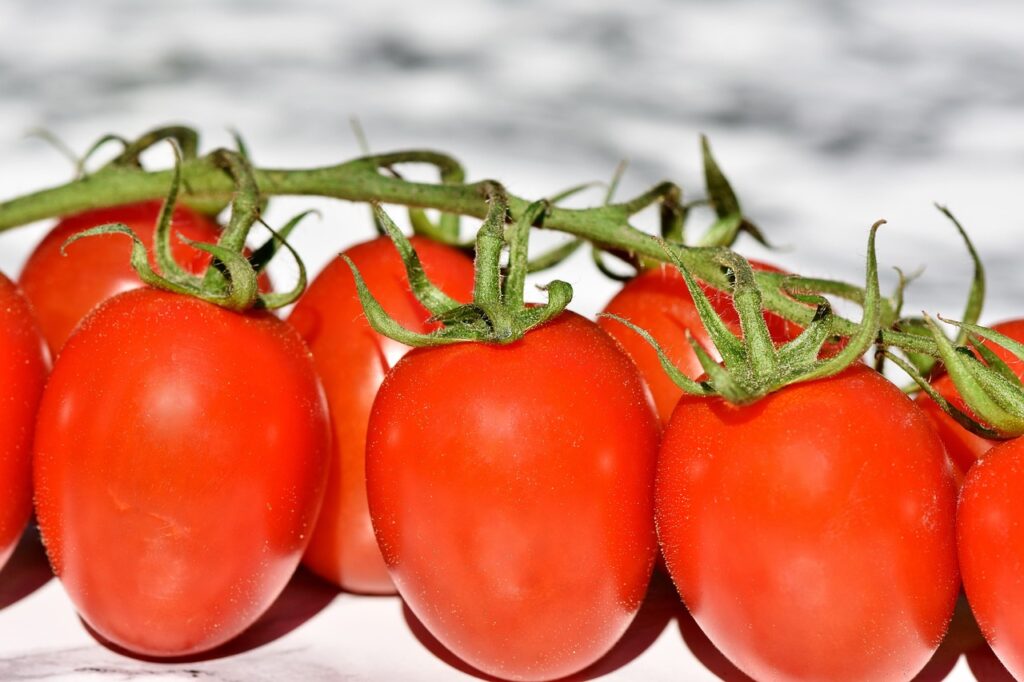
In Turkey, vegetables are stars, not sides. Eggplant appears in dozens of guises, smoked, pureed, stuffed, fried, and baked into stews, and zucchini, peppers, leeks, and artichokes receive the same devoted treatment.
The traditional method is to cook vegetables with onion, tomato, and olive oil, letting time do the work. Many such dishes are naturally vegan, and those that include meat usually have a meatless twin. The stuffed vegetable tradition, dolma, fills peppers, zucchini, and cabbage with rice, herbs, and spices, a full meal in itself.
Ordering vegetables as mains is completely normal in Turkey. A plate of stuffed peppers, a bowl of vegetable stew, and bread makes a satisfying dinner, and the vegetable dishes are where the subtle craft of the Turkish kitchen is most visible.
Bread and the Baker’s Craft
Bread is the constant companion of Turkish food, and it is almost always vegan. The daily loaf, the sesame-crusted simit, the paper-thin yufka, and the chewy flatbreads of the east are made from flour, water, salt, and yeast. The baker’s craft is a national pride, and every neighborhood has its bakery.
Pastries are the one area to watch. Borek and pogaca often contain cheese, butter, or egg, though potato-filled and vegetable versions exist. Asking for the potato or spinach filling is the vegetarian strategy, and many bakeries offer at least one plant-based option.
For the traveler, bread solves the practical problem of eating well cheaply. Fresh bread with olives, cheese-free salads, and vegetable spreads makes a fine meal, and the bakeries are also where you will find the day’s best-value food. Follow the morning queues to the bakery and you will eat like a local.

Breakfast Without Animal Products
Turkish breakfast is famously a spread of cheese and eggs, but the plant-based version is easier than it looks. The table always includes olives, tomatoes, cucumber, jam, honey substitute or plain honey, and fresh bread, and many breakfast places will build a vegan plate on request.
The additions to look for are menemen without eggs, a tomato and pepper scramble made with olive oil, which many places will prepare on request, and the many vegetable pastries from the bakery. Lentil soup is also a common morning dish in the east, and the simit with tomato and olives is a complete street breakfast.
The practical approach is to say you eat no eggs, no cheese, no meat, and most kitchens will happily assemble a spread of olives, vegetables, jam, and bread. Turkish hospitality means the request is treated as a pleasure, not a problem, and the table that arrives is usually generous enough for two.
Street Food You Can Eat with Confidence
The street food of Turkey offers a surprising number of vegan and vegetarian classics. The simit is vegan, the corn sold from carts is vegan, and the roasted chestnuts of winter are vegan. The stuffed mussels are off the list, but the stuffed flatbreads and the filled pastries often have vegetable versions.
The safest street picks are the baked ones you can see: simit, corn, roasted chestnuts, and filled flatbreads marked with potato or spinach. Ask for no cheese and you will rarely go wrong.
The street carts are also the cheapest way to eat plant-based in Turkey. A simit with tea costs little and fuels a morning of sightseeing, and the market stalls selling pickles, olives, and fresh fruit make perfect portable meals. Street eating is where vegan Turkey is easiest and most fun.
Sweet Endings: Desserts and Fruit
Turkish desserts divide cleanly for plant-based eaters. The syrup-soaked pastries of the classic repertoire, baklava without butter, are often made without eggs or dairy, though some versions use butter. The rice puddings and milk puddings are off the menu, but the fruit-based desserts and the candied chestnuts are safe.
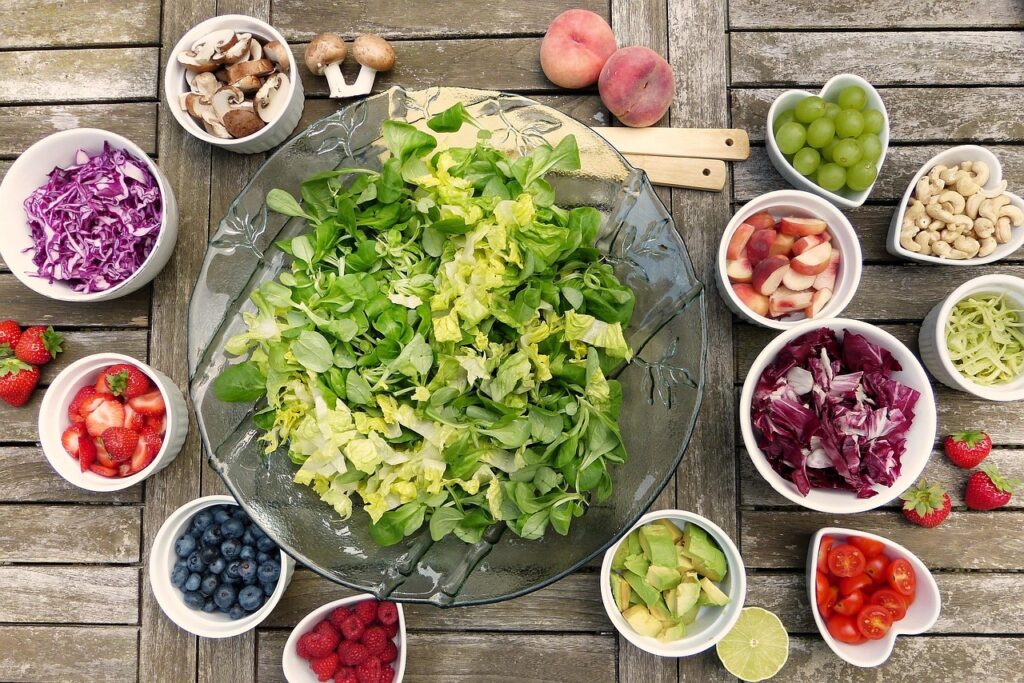
The safest sweet path is the fruit itself. Turkish melons, figs, grapes, and citrus are extraordinary, and the market fruit is a daily pleasure. The dried fruits and nuts of the bazaars, apricots, figs, pistachios, and almonds, make excellent travel snacks that need no refrigeration.
The final word on sweets is the halva: sesame-based halva is usually vegan, and the tahini of the region is a plant-based staple. Ask which desserts are made without milk and butter, and most sweet shops will point you to the syrup-soaked pastries and the sesame treats that need no animal products.
How to Order and Explain Your Diet
The practical phrase for plant-based eating in Turkey is etsiz, without meat, and you can add no eggs, no cheese, no butter, no milk. The phrase vejetaryen is understood in tourist areas, but the dish-by-dish approach works better everywhere. Pointing at dishes in a meze cabinet and asking what each one contains is completely normal.
The useful habit is to confirm the cooking medium. A dish that is etsiz may still be cooked with butter, so asking for olive oil instead is a reasonable request in most kitchens. The other habit is to check the yogurt: many vegetable dishes arrive with a yogurt garnish that you can simply decline.
Turkish hospitality also makes plant-based eating easy: waiters take pride in accommodating guests, and the vegetable tradition means the kitchen rarely needs to improvise. With a few phrases, you will eat superbly, and you may discover that some of Turkey’s most famous dishes were plant-based all along.
Frequently asked questions
Is it easy to eat vegan or vegetarian in Turkey?
Yes, surprisingly so. The cuisine is built on vegetables, grains, and olive oil, and many classics are naturally plant-based. The key is learning a few dishes and phrases, like etsiz, without meat, and zeytinyagli, olive-oil dishes. Outside of cheese-heavy breakfasts and some pastries, you will rarely struggle to find satisfying options.
Which Turkish dishes are naturally vegan?
Many: lentil soup, stuffed vine leaves in olive oil, white beans in tomato sauce, vegetable stews, hummus, eggplant puree, and most syrup-soaked pastries. Simit, corn, and roasted chestnuts are vegan street classics. Dishes to check are those with yogurt, butter, or meat, which usually have a plant-based version or a simple substitution.
How do I ask for meatless food in Turkish?
Learn etsiz, meaning without meat, and the phrase for no eggs, cheese, butter, or milk. Ask what dishes contain, point at the meze cabinet, and request olive oil instead of butter. Turkish kitchens treat such requests as normal hospitality, and most will gladly build you a generous plant-based plate.

All Over Information
The All Over Information editorial team researches and writes practical English-language guides to Turkey. Facts are checked against official and local sources before publication, prices are published as dated ranges rather than quotes, and guides are revised when things change. We accept no sponsored posts, paid placements or paid links.
More guides like this
Sutlac (Rice Pudding) Vs. International Variations: What Makes It Turkish
Rice pudding is one of the most widespread desserts on earth, made in some form by nearly every culture that grows rice.

The Ultimate Guide to Kebab
If you are heading to Turkey, kebab will almost certainly find its way onto your plate, and that is a very good…
The Ultimate Guide to Testi Kebab (Pottery Kebab)
Testi kebab is the most theatrical dish in Turkish cuisine: a clay pot sealed at the rim, cooked for hours, and cracked…

The Ultimate Guide to Borek
Borek is the dish that answers what Turks eat when they want comfort, celebration, and a full table all at once.

The Ultimate Guide to Kumpir (Stuffed Baked Potato)
Kumpir is Turkey's answer to the loaded baked potato, and it is one of the country's most beloved street foods.

How to Make Authentic Turkish Pilav at Home
Turkish pilav looks simple, and it is simple, but only if you respect the sequence: wash the rice, toast it in butter,…