Pide is the boat-shaped flatbread of Turkey, baked with a golden crust and a generous filling, and served hot from the wood-fired oven. It comes with cheese, sucuk, minced meat, spinach, or egg, and it is one of the most comforting foods of the country. This guide covers everything you need to know about pide, from the dough and the fillings to the pideci shops, the regional styles, and how to order like a local.
What Is Pide?
Pide is a Turkish flatbread, traditionally shaped like a boat, with the edges pinched up around a filling that is baked into the bread. It is one of the great dishes of the Turkish oven.
The dough is soft and leavened, rolled into an oval or a long boat, and the filling is placed in the center before baking. The edges are pinched or folded, and the whole pide goes into a very hot oven until the crust is golden.
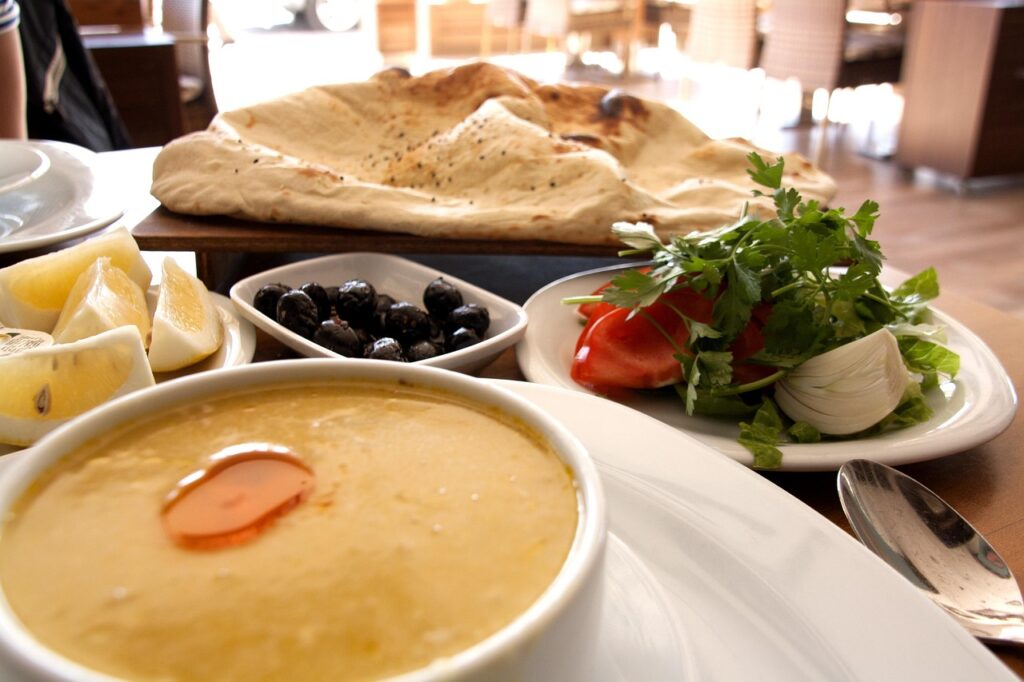
The word pide also refers to the plain flatbread served at breakfast and during Ramadan, but the filled pide is the version that has made the name famous around the world. The plain pide is stamped and scored, baked in large rounds, and torn at the table, and it shares the name with its filled cousin. The two forms show the range of the word, which covers everything from the daily bread to the festive pie.
The Dough
The dough is the foundation of a good pide. It is made from flour, water, yeast, salt, and a little sugar and oil, and it is kneaded until soft and elastic.
The dough must be soft enough to roll and shape easily, but strong enough to hold the filling without tearing. A good pide dough is slightly enriched, which gives the crust its golden color and its tender crumb.
The dough is left to rise until it is light, and the baker works it with the confidence of long practice. The quality of the dough is the first test of a pideci. The dough is often prepared early in the morning and rested for hours, because time is the cheapest and most important ingredient in bread. A pideci that rushes the dough will betray itself in the crust, and the regulars of the neighborhood will notice at the first bite.

The Boat Shape
The boat shape is the signature of pide. The dough is rolled into an oval, the filling is spread down the center, and the two long edges are pinched up around it, leaving the filling exposed at the top.
The pinched edges form the sides of the boat, and they bake into crisp, golden ridges. The shape is both beautiful and practical, holding the filling in place while the exposed top browns in the oven.
The boat shape also makes pide perfect for sharing or eating whole. The long, open form is the image that defines pide, and no other bread quite matches it. The boat shape also makes the pide easy to handle, because the pinched edges give the eater something to hold while the filling stays protected. Some regions bake the pide in a longer, narrower form, and others round the ends, but the open boat remains the family likeness.
The Classic Fillings
The fillings of pide are simple and generous. The classic choices are cheese, sucuk, minced meat, spinach, and egg, and every combination of these five appears in the pideci shops.
Cheese pide is the most popular, made with the white cheeses of Turkey, which melt into a soft, salty heart. Sucuk, the spicy garlic sausage, is added to cheese for one of the most loved versions.
Minced meat is seasoned with onion and spices and baked into a rich filling, while spinach is mixed with cheese and onion for a lighter pide. Egg is added to the top of the filling in the last minutes, so that it sets softly in the oven.

Cheese and Egg
The cheese and egg pide deserves special attention, because it is the favorite of many regulars. The cheese melts into the center, and the egg is cracked over the top near the end of the baking.
The egg cooks gently on the hot cheese, and the yolk stays soft, ready to be broken and spread across the pide. The combination of the salty cheese and the rich yolk is a classic of the Turkish table. The cheese and egg pide is also the version that travelers remember most vividly, because the golden yolk against the white cheese is as beautiful as it is delicious. It is the dish to order when you want to see the craft of the pideci at its most theatrical.
This version is often ordered at breakfast time, and it pairs beautifully with a glass of tea. The cheese and egg pide shows how a simple idea, bread, cheese, and an egg, can become a memorable dish.
Sucuk and Minced Meat
The meat fillings give pide its hearty character. Sucuk, the garlicky, spicy beef sausage, is sliced thin and laid across the cheese or the dough before baking.
The sucuk releases its red oil into the pide, and the spiced sausage flavor runs through the whole bread. The sucuk and cheese pide is the most famous meat version.
Minced meat, seasoned with onion, pepper, and herbs, is another classic filling. It is spread in a thin layer and bakes into a juicy, savory heart, and it is often paired with cheese for a richer result. The minced meat of the pide is seasoned in the same kitchen tradition as the kebab, with onion, pepper, and a careful hand with the spices. The meat is spread thin so that it cooks through in the short bake, and the result is a filling that is juicy without being heavy.
The Wood-Fired Oven
The wood-fired oven is the soul of the pideci. The fierce heat of the fire, often burning oak or beech, is what gives pide its charred edges and its tender center.
The baker slides the pide into the oven on a long peel and turns it against the flames, watching the crust color second by second. The dance with the fire is the skill of the trade.
No home oven reproduces the heat of the wood fire, which is why the pideci shops remain essential. The oven is the reason a pide from a proper shop tastes like nothing else. The wood also burns hotter than any gas flame, and the stone floor of the oven stores the heat and releases it evenly across the dough. Watching the pideci work the oven is one of the small spectacles of Turkish street life, and the fire is never allowed to rest.
Regional Styles
Pide varies across Turkey, and every region has its own habits. In the Black Sea region, the pide tends to be longer and narrower, and the fillings are generous.
In the eastern cities, the pide is often baked with spicier fillings, and the minced meat versions carry more heat. In the west, the cheese and sucuk versions dominate the menus.
The regional differences are small but treasured, and the locals will defend their version with warmth. Trying pide in several regions is one of the quiet pleasures of traveling in Turkey.

The Pideci Culture and How to Order
The pideci, the pide shop, is one of the warmest institutions of the Turkish street. It is a small room with a big oven, a marble counter, and a line of people waiting for the next batch.
The pideci bakes to order, and the rhythm of the shop follows the rhythm of the oven. The regulars have their favorite fillings, and the baker knows them by heart.
The pideci is also a social place, where neighbors meet and families gather. The smell of the baking pide draws people in, and the shop becomes part of the daily life of the neighborhood.
Choose your filling, and do not be shy about combinations, because the mixed pide with cheese, sucuk, and egg is a favorite. The pide arrives hot, straight from the oven, and it is eaten with a fork or with the hands.
Finish the meal with tea, and remember that pide is at its best in the first minutes after baking. Order it fresh, eat it hot, and the pideci will earn your loyalty.
Pide in Daily Life
Pide holds a special place in the daily life of Turkey. It is the lunch of the worker, the dinner of the family, and the treat of the weekend.
The dish is also a food of celebration, appearing at gatherings and on special occasions, and the plain pide of Ramadan is a tradition in itself. During the holy month, the bakeries bake pide in the thousands, and the queues stretch down the street.
For the traveler, pide is the most welcoming of Turkish foods. It is simple, honest, and delicious, and a hot pide from a neighborhood shop is the taste of Turkish daily life.
Frequently asked questions
What is the difference between pide and lahmacun?
Pide is a soft, leavened boat-shaped bread with the filling baked into the center and the edges pinched up around it. Lahmacun is a paper-thin flatbread with a spiced meat paste spread across the whole surface. Pide is thicker and served like bread, while lahmacun is rolled and eaten by hand.
What are the most popular pide fillings?
The classic fillings are cheese, sucuk, minced meat, spinach, and egg. The most popular combinations are cheese and sucuk, and cheese with a cracked egg on top. Meat lovers choose minced meat, and lighter appetites prefer the spinach and cheese version.
Why is pide baked in a wood-fired oven?
The wood fire gives pide its charred edges and its tender center, which no home oven can reproduce. The fierce, even heat of the stone oven bakes the pide quickly, and the smoke of the wood adds a subtle flavor that defines the dish.

All Over Information
The All Over Information editorial team researches and writes practical English-language guides to Turkey. Facts are checked against official and local sources before publication, prices are published as dated ranges rather than quotes, and guides are revised when things change. We accept no sponsored posts, paid placements or paid links.
More guides like this
Hunkar Begendi Vs. International Variations: What Makes It Turkish
Hunkar begendi belongs to a grand international family of baked and sauced eggplant dishes, from the moussaka of Greece and the Balkans…

Where to Find the Best Midye Dolma (Stuffed Mussels) in Turkey
Midye dolma is a dish of places.

Turkish Breakfast Culture: Why It Takes Hours
If you sit down to a Turkish breakfast expecting a quick bowl of cereal, you are in for a surprise.

Turkish Pastries: A Taste of Turkish Culture
You can read a great deal about Turkey from its pastries.

How to Make Authentic Stuffed Grape Leaves (Dolma) at Home
Making dolma at home is a quiet, satisfying craft, and it needs no special equipment, only patience and a gentle hand.

How to Make Authentic Turkish Delight (Lokum) at Home
Making lokum at home is a small adventure in patience, but the reward is a tray of soft, fragrant Turkish delight that…