Dolma is the kind of dish that is everywhere and nowhere at once: it appears on the tables of meze houses and family restaurants, in the breakfast spreads and the markets, but its true home is the private kitchen, where every family guards its own version. This guide maps the public places where the traveler can find serious dolma, region by region, and explains how to order it like a local. The dish rewards the traveler who knows where to look, and the versions of each region are worth seeking out on their own.
The Home Table: Where Dolma Lives
The honest truth about dolma is that its finest versions are made at home, for family and guests, and no restaurant can quite reproduce the version that a grandmother has been rolling for sixty years. The dish belongs to the private table.
The traveler’s path into that world is through hospitality. Turkish people love to feed visitors, and a guest who expresses genuine interest in the food will often be invited to taste a home version, an invitation that should never be refused.
Until that invitation arrives, the public versions will do beautifully. The meze houses, the family restaurants, and the breakfast spreads all serve dolma made with care, and the best of them taste close to the home table. The short journey from the restaurant plate to the family pot is one of the great pleasures of eating in Turkey, and the traveler who keeps an open, friendly approach will find it shorter than expected.
Istanbul: The Meze Capital
Istanbul is the easiest city in Turkey for serious dolma eating, because its meze houses serve the olive oil dolma as a matter of course, and the competition keeps the quality high.
The meze culture of the city, especially in the neighborhoods along the Bosphorus and the historic districts, treats dolma as a fixture of the table. The cold plate of dolma, glistening with olive oil, is the standard by which many travelers judge a meze house.
The city also gathers the regional traditions. The cooks of Istanbul come from everywhere, and a single evening of meze can include the Aegean’s lemon-bright rolls and the southeast’s richer versions, which makes the city the best possible introduction. Ask the staff where their dolma comes from, and you will hear the city’s whole geography in the answer.

The Aegean: Izmir and the Olive Oil Coast
The Aegean is the country of the olive oil dolma, and Izmir is its natural capital. The region’s cooks use the local oil without restraint, and their dolma are bright, herbal, and served at the perfect room temperature.
The meze houses of Izmir and the coastal towns serve the olive oil versions with the confidence of the home region, and the dolma here are the reference point for the whole style.
The Aegean is also the region of the great breakfasts, and the dolma that appear on the morning table, cold, with lemon, are among the best in the country. A morning spread in the region is a meal worth planning a trip around.
The Southeast: The Meat Dolma Country
The southeast is the country of the etli dolma, the meat version, and the region’s cooks fill their leaves with rice and minced lamb with an authority that comes from generations of practice.
The family restaurants and the grill houses of Gaziantep, Urfa, and the region’s cities serve the meat dolma as a main dish, rich with butter and spices, and the version here is the festive register of the dish.
The southeast also serves dolma in the context of its great tables, the full spreads that begin with soup and meze and end with sweets. The dolma occupy their proper place in that procession, and eating them there is an education in the region’s cooking, where the meat dolma sit comfortably beside the kebabs and the region’s other specialties.
The Black Sea: A Different Dolma
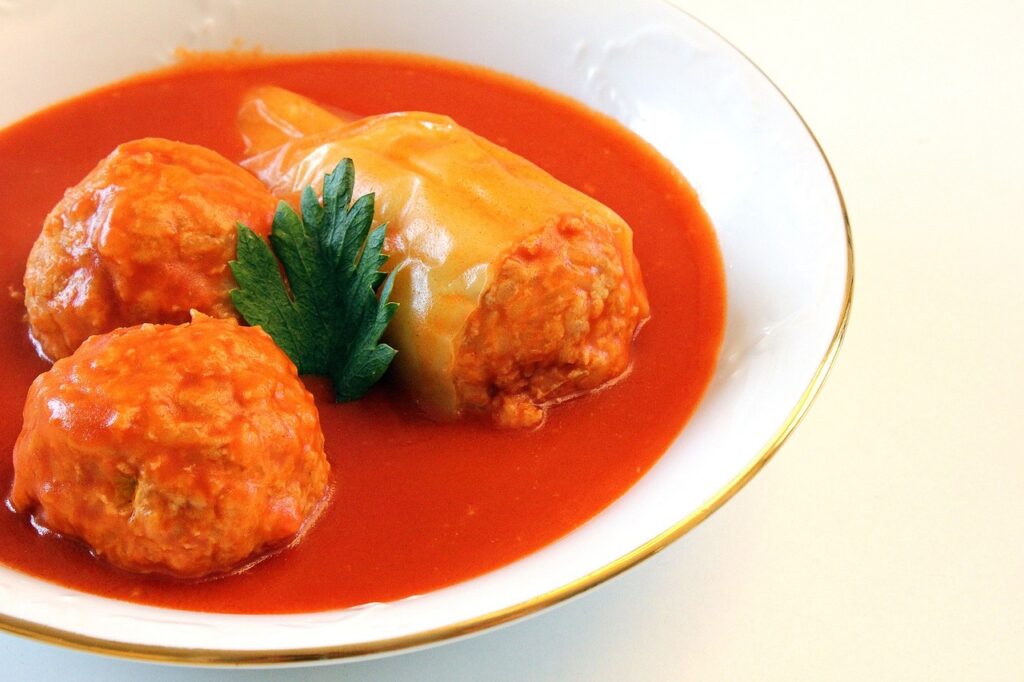
The Black Sea coast rolls its leaves with a character of its own. The region’s dolma are often heartier, and the cabbage leaf appears alongside the grape leaf, stuffed with rice and sometimes meat in the style of the long winters.
The region’s cooks use the local produce with pride, and the dolma of the Black Sea reflect the mountains and the rain: warming, substantial, and generous with the local butter.
The coastal cities, from Trabzon to Samsun, serve dolma in their lokantas and family restaurants, and the traveler who follows the locals will find versions that differ pleasantly from the Aegean and the southeast, with the cabbage leaf appearing alongside the grape leaf.
Ankara and the Interior
Ankara, the capital, is a city of migrants, and its kitchens carry the dolma traditions of the whole country. The lokantas of the city serve solid, honest versions of both the olive oil and the meat styles.
The interior provinces, from Konya to Kayseri, have their own dolma habits, shaped by the wheat plains and the long winters. The fillings tend toward the hearty, and the meat versions are favored.
The interior is not a destination for dolma tourism, but the traveler passing through will eat well. The lokantas of the interior are among the most honest in Turkey, and the dolma they serve is the real thing.

The Breakfast Spreads
The Turkish breakfast is the great stage for the cold dolma, and the serious breakfast houses serve them as part of the spread. The dolma sit beside the cheeses and the olives, and they are eaten with lemon, sometimes with a spoonful of yogurt.
The breakfast spread also teaches the correct context for the olive oil dolma: not a main course, but part of a table of small things, eaten slowly with tea. The dolma at breakfast are the everyday version, and they are excellent.
For the traveler, the breakfast house is the most reliable place to find good dolma in any city, because the dish is a fixture of the spread and the quality is a matter of routine, practiced every single morning. The dolma of the breakfast table are also the most honest measure of a kitchen, since they are made for the regulars.
Markets and Ready-Made Dolma
The markets of Turkey sell dolma made by the hands of the neighborhood cooks, and the quality is often remarkable. The market stalls offer the olive oil versions, packed in trays, glistening with oil and lemon.
The market dolma are the practical option for picnics and long journeys, and they are also the honest option: the cooks sell what they would serve at home, and the customers are their neighbors.
The bazaars and the food halls of the big cities also sell dolma, and the serious food traveler should always look at what the market cooks are offering, buying a small tray to taste before committing to more. The market is the place where the home kitchen and the public table meet, and its dolma are the everyday, honest version.

How to Order Dolma Like a Local
Ordering dolma is simple once you know the two names. Ask for zeytinyağlı if you want the cold olive oil version, and etli if you want the hot meat version, and specify the wrapper if you care: yaprak sarma for the grape leaf.
At the meze table, order the dolma as part of the spread rather than as a main course, and eat them with lemon. At the lokanta, the dolma may come as a main dish, and the meat version is the one to choose.
The final rule is to trust the house. The dolma that is listed simply, without adjectives, is usually the one the kitchen is proud of, and the version the staff recommends is the one to order. The staff of a good meze house know their dolma the way a winemaker knows the cellar, and their enthusiasm is a reliable signal.
Building a Dolma Itinerary
A dolma journey can be built around the country’s strengths. Start in Istanbul with the meze houses, then move to the Aegean for the olive oil versions, and finish in the southeast for the meat versions and the great regional tables, letting the dish itself draw the route.
Add the breakfast houses along the way, because the morning spread is where the cold dolma shine, and make time for the markets, where the neighborhood cooks sell their versions.
The itinerary does not need to be long. Even a few days of eating dolma with attention, comparing the versions, and asking the questions will transform the dish from a menu item into a doorway into Turkish cooking, and the memories of the best plate will last far longer than the trip.
Frequently asked questions
Where can I find the best dolma in Turkey?
The finest dolma are made at home, but the public versions are excellent in the meze houses of Istanbul and the Aegean coast, the breakfast houses across the country, and the family restaurants of the southeast for the meat versions. The markets also sell serious dolma made by neighborhood cooks, and a home invitation, if offered, is the ultimate version.
What is the difference between dolma in different regions?
The main divide is between the Aegean, which favors the cold olive oil versions, bright with lemon and herbs, and the southeast, which favors the hot meat versions, rich with lamb and butter. The Black Sea adds its own heartier character, and the interior leans toward the substantial meat styles. The same leaf and the same craft, expressed in regional voices.
How should I order dolma in a restaurant?
Ask for zeytinyağlı for the cold olive oil version, etli for the hot meat version, and yaprak sarma if you want the grape leaf specifically. Order the olive oil dolma as part of the meze spread with lemon, and choose the meat version as a main dish. Trust the house recommendation, which is usually the version the kitchen is proud of.

All Over Information
The All Over Information editorial team researches and writes practical English-language guides to Turkey. Facts are checked against official and local sources before publication, prices are published as dated ranges rather than quotes, and guides are revised when things change. We accept no sponsored posts, paid placements or paid links.
More guides like this

Ayran: A Taste of Turkish Culture
Ayran is more than a drink in Turkey; it is a daily ritual, a badge of identity, and one of the oldest…

The History Behind Testi Kebab (Pottery Kebab)
Testi kebab is a dish with a deep past and a thin paper trail.
Urfa Kebab: A Taste of Turkish Culture
Food is the quickest way into a culture, and in Şanlıurfa no dish opens more doors than the kebab that bears the…
How to Make Authentic Turkish Pastries at Home
You do not need a wood-fired oven or a pastry shop's decades of experience to make good Turkish pastries at home.

Turkey’s Craft Coffee Shop Scene
Turkey has one of the world's oldest coffee cultures, and now it has one of its newest.

The History Behind Turkish Breakfast (Kahvalti)
Turkish breakfast looks like a modern invention, a spread so abundant and so deliberate that it feels designed by a marketing department.