Soup has been simmering on Anatolian fires longer than any written recipe can tell us. The history of Turkish corba stretches from the nomads of Central Asia to the palace kitchens of Istanbul, from village drying racks to modern soup houses. In this article, you will follow the pot through time: how the Turks brought their broth culture west, how tarhana and yogurt shaped the national palate, and how a humble soup became one of Turkey’s most enduring symbols of hospitality and survival.
The Ancient Origins
The story of Turkish soup begins on the steppes of Central Asia, where the nomadic Turks cooked their meals in cauldrons over open fires. Meat, wild grains, and herbs were boiled together in water, creating broths that warmed the nomads through freezing winters. These simple pots were the ancestors of every Turkish soup that followed.
When the Turks moved west into Anatolia, they carried their cauldrons and their soup-making habits with them. The region they entered already had its own ancient soup traditions, from the lentil dishes of the first farmers to the grain porridges of the Hittites and the vegetable broths of the Greeks and Romans. The two traditions merged in the Anatolian pot.
What emerged was a cuisine in which soup was not a side dish but a central, daily food. The nomads’ portable cooking, the farmers’ grains, and the region’s abundant legumes all met in the same simmering water, and the Turkish corba was born.
Soup in the Ottoman Kitchen
When the Ottoman Empire rose, its kitchen became one of the most sophisticated in the world, and soup was at its foundation. The palace kitchens of Topkapi fed thousands of people every day, and soups of meat, rice, yogurt, and vegetables were prepared in enormous cauldrons by teams of specialist cooks.
The Ottomans refined soup into an art of layering: stocks were clarified, yogurt was tempered to silky smoothness, and dried fruits, nuts, and spices were added to the pot. Palace recipes for chicken soup, almond soup, and rice soup influenced the cuisine of the empire from the Balkans to Arabia.
The empire also spread Turkish soup culture outward, and borrowed from its own provinces in return. When the empire’s borders retreated, the soup stayed, and the classic recipes of the Ottoman kitchen became the heritage of the modern Turkish table.
The Soup Kitchen Tradition
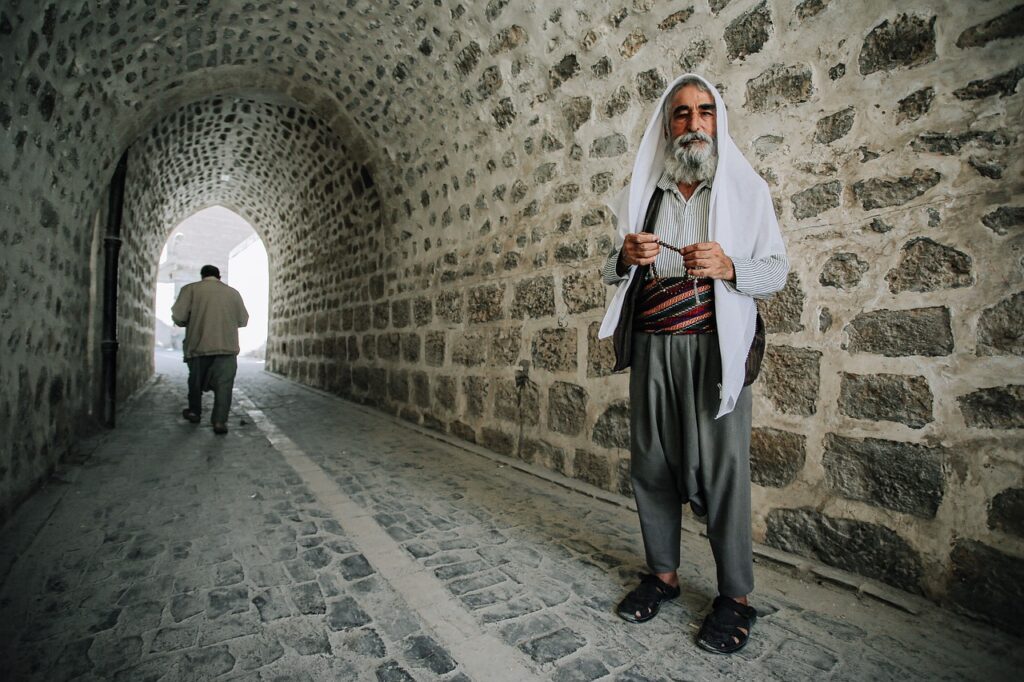
One of the most important chapters in soup history is the imaret, the Ottoman public soup kitchen. Founded by sultans, queens, and wealthy patrons, the imarets fed the poor, travelers, students, and pilgrims every day, often serving hundreds or thousands of bowls of soup from massive cauldrons.
The great mosque complexes of Istanbul, Bursa, and Edirne included imarets as part of their charitable foundations. The soup was usually simple: a grain or legume broth with bread, but it was guaranteed, every day, to anyone who needed it. This was the original institutional soup kitchen.
The imaret tradition planted the idea that feeding the hungry is a sacred duty, and that soup is the natural way to do it. When modern Turkish charities serve soup during Ramadan, they are continuing a practice that is centuries old.
The Rise of the Soup House
As the Ottoman Empire modernized, cities grew, and workers needed cheap, quick meals. The answer was the corbaci, the dedicated soup house, which appeared in the market districts and port neighborhoods of Istanbul and other cities. These shops cooked one or two soups in huge pots and served them from morning to night.
The soup house was democratic from the start. Porters, clerks, students, and officials all stood at the same counter, dipping the same bread into the same pot. A bowl of soup was the great equalizer of the Ottoman city, and the tradition has never disappeared.
Today’s soup houses are the direct descendants of those shops. The pots are bigger, the neighborhoods have changed, but the ritual is the same: steam rising before dawn, spoons clinking, and the whole city warming itself on corba before the day’s work.
Lentils and the Anatolian Land
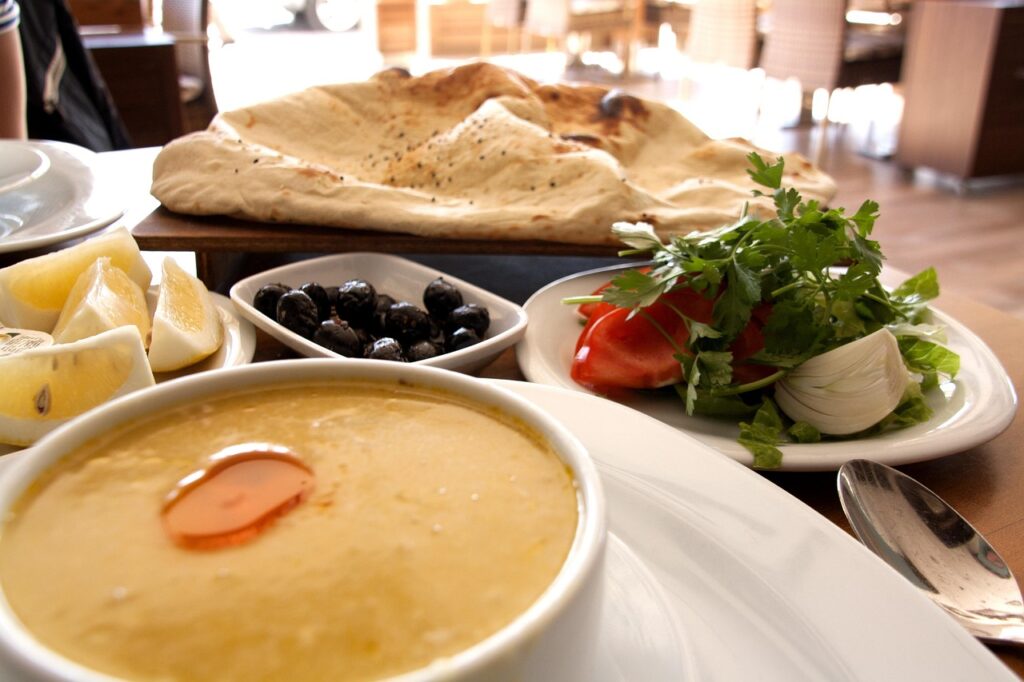
The lentil deserves special credit in the history of Turkish soup. Anatolia is one of the oldest homes of lentil cultivation, and the small red lentils of the region cook quickly, blend smoothly, and store for months. They became the backbone of the national soup pot.
Red lentil soup, mercimek corbasi, emerged as the simplest and most universal of Turkish soups: lentils, onion, a little tomato, and water, blended to velvet and finished with lemon. It needed no meat and no expensive ingredients, so it belonged to everyone.
The lentil also suited the climate. In the dry Anatolian plateau, where winters are hard and summers are hot, dried legumes were the reliable pantry. A sack of red lentils meant that soup was always possible, and mercimek corbasi became the taste of Turkish home cooking itself.
Tarhana’s Fermented Past
Tarhana is one of the world’s oldest prepared soup bases, and its history is written in fermentation. Flour, yogurt, tomatoes, peppers, and onions were kneaded into a dough and left to sour, then dried in the sun and ground into granules that would keep for a year without refrigeration.
The technique is ancient, and it made sense in the Anatolian village: the summer harvest of tomatoes and peppers was preserved inside the flour, while the yogurt gave the soup its tang and the fermentation gave it depth. Every village had its own tarhana, and its quality was a matter of family pride.
Tarhana also reveals the yogurt culture of the Turkish peoples, who carried dairy traditions from Central Asia. When the dried granules meet simmering water, the soup that rises is a direct link to the pastoral past, and it is still made and loved today.

Yogurt and the Nomadic Heritage
Yogurt is the other pillar of Turkish soup history. The nomadic Turks were among the first peoples to master fermented milk, and they brought yogurt, butter, and cheese-making into every cuisine they touched. In the soup pot, yogurt created an entire family of dishes.
Yayla corbasi, the mountain pasture soup, turns yogurt into a creamy, soothing broth with rice and dried mint. Wedding soup tempers yogurt with lamb stock, and countless regional variations enrich it with herbs, garlic, and grains. Yogurt soup is comfort food with a pedigree of thousands of years.
The yogurt tradition also influenced how Turks understand soup: not only as a way to use meat or vegetables, but as a way to use the dairy of the pasture. Even today, a bowl of yayla tastes like the high meadows of Anatolia.
From Palace to Street
The history of Turkish soup moved in two directions: the palace refined it, and the street kept it simple. The Ottoman palace created elaborate soups with almonds, saffron, and clarified stock, and its cooks developed techniques that became the standard of the cuisine. Meanwhile, the market soup houses cooked the same lentils the villagers cooked.
In the modern era, the two streams merged. Restaurants took the palace’s care and applied it to the people’s ingredients, and soup houses adopted better techniques without losing their simplicity. The result is a soup culture that can be both exquisite and everyday.
Today, a chef in Istanbul might serve a refined tarhana with modern garnish while the soup house next door serves the same tarhana the village way. Both are authentic, and both belong to the same long history of the pot.

The Modern Revival
The twentieth century brought new chapters to the soup story. As Turkey urbanized, the soup house adapted, serving late-night tripe soup to a new generation of night workers and students. Cookbooks and cooking shows carried village recipes into city apartments, and tarhana found its way onto modern breakfast tables.
In recent years, Turkish chefs have rediscovered their soup heritage, serving regional corba in contemporary restaurants and experimenting with fermentation and local grains. Food writers have mapped the country’s soup traditions, and travelers have made corba a stop on their culinary journeys.
The revival is also international. Turkish restaurants abroad serve mercimek and yayla to diners who have never been to Turkey, spreading the ancient pot to new tables. The soup that fed the steppes now feeds the world.
Why Soup Endures
Soup has survived every change in Turkish history because it is the most adaptable food there is. It uses what the land gives, feeds however many people are hungry, and requires no more than a pot, water, and fire. When everything else is uncertain, soup is certain.
It also carries memory. Every family has its soup story: the grandmother’s tarhana, the mother’s lentil soup, the soup shared with a friend in need. These stories are the real history of Turkish corba, written not in archives but in kitchens.
And so the pot keeps simmering. In villages and cities, at dawn and midnight, in homes and soup houses, the same broth that warmed the nomads continues to warm Turkey. That is the history behind Turkish soup, and it is still being written every day.
Frequently asked questions
How old is the tradition of Turkish soup making?
The tradition reaches back to the nomadic Turks of Central Asia, who boiled meat and grains in cauldrons over open fires more than a thousand years ago. When they settled in Anatolia, they merged their broth culture with the region’s ancient lentil and grain traditions, creating the foundation of modern Turkish soup.
Where did tarhana soup come from?
Tarhana comes from the Anatolian village kitchen, where flour, yogurt, tomatoes, peppers, and onions were kneaded, fermented, and dried to preserve the summer harvest. The technique is ancient and shared across the broader region. The dried granules were stored for winter and stirred into water or stock for a hearty, sour soup.
Did Ottoman palaces really influence Turkish soup?
Yes. The Ottoman palace kitchens developed refined soup techniques, including clarified stocks, tempered yogurt, and elaborate recipes with almonds, rice, and spices. These methods spread through the empire and influenced restaurant cooking. The palace refined the cuisine, while the street kitchens kept it simple, and the two traditions merged over time.

All Over Information
The All Over Information editorial team researches and writes practical English-language guides to Turkey. Facts are checked against official and local sources before publication, prices are published as dated ranges rather than quotes, and guides are revised when things change. We accept no sponsored posts, paid placements or paid links.
More guides like this

Where to Find the Best Turkish Coffee in Turkey
Turkish coffee is brewed everywhere in Turkey, but some places serve it with more history, more atmosphere, and more skill than others.

Kebab: A Taste of Turkish Culture
Few foods say more about Turkey than kebab. It is the smoke that rises from a hundred thousand grills, the warmth of…

Borek Vs. International Variations: What Makes It Turkish
Borek belongs to one of the largest pastry families in the world.

Turkey’s Best Cities for Foodies
Turkey is a country of regional cuisines, and each city tells its own culinary story. While the country as a whole is…

The History Behind Adana Kebab
Every Turkish city has a dish it claims as its own, but few claim one as fiercely as Adana claims its kebab.
The Ultimate Guide to Turkish Delight (Lokum)
Turkish delight, known in Turkey as lokum, is one of the most famous sweets in the world, yet it is also one…