Cankiri is a small city with a long memory, sitting between the central Anatolian plateau and the forests of the Black Sea region. Its best experiences run from a castle hill and a medieval stone mosque to a working salt mine you can walk inside, with the Ilgaz Mountains adding skiing and hiking just beyond the city. This is a province of layered history, quiet valleys, and genuine local life, and its ten defining experiences are the ones that show you the real Turkey between the landmarks.
1. Climb Cankiri Castle
The castle crowns the rocky hill above the city, the oldest landmark of Cankiri and the anchor of its skyline. Its walls have watched over the valley since the medieval period, when the fortress guarded the routes between the plateau and the coast.
The climb from the old town passes weathered houses and quiet lanes, and the summit rewards you with the finest view in the province: the city below, the valley running north, and the mountains on the horizon. On a clear day you understand at once why every power that ruled here wanted the hill.
Go in the late afternoon, when the light turns the stone golden and the city settles into its evening rhythm. Bring water, take your time, and let the panorama work its effect, because this is the image of Cankiri you will remember.
The castle hill is also the best spot to get your bearings on the first day of a visit, since it shows you the old town, the modern center, and the roads out of the city in a single glance. A map in hand, you will never be lost again.
2. Walk Inside the Rock Salt Cave
A short drive from the center, the rock salt cave at Balıbağı is the province’s most remarkable experience: a working salt mine whose galleries you can walk into, deep beneath the hills. The walls, floor, and ceiling are pure white salt, glittering under the lights.
The mine has worked for centuries, and the scale of the galleries, some of them vast, gives you a real sense of the labor that produced the region’s famous salt. The air is dry and cool, and the walk is easy, making the cave suitable for almost any visitor.
The cave is also a center of salt therapy, and visitors come for the air as much as the scenery. Wear comfortable shoes, bring a light layer, and allow an hour to explore the galleries and the exhibits.
3. See the Taş Mescit
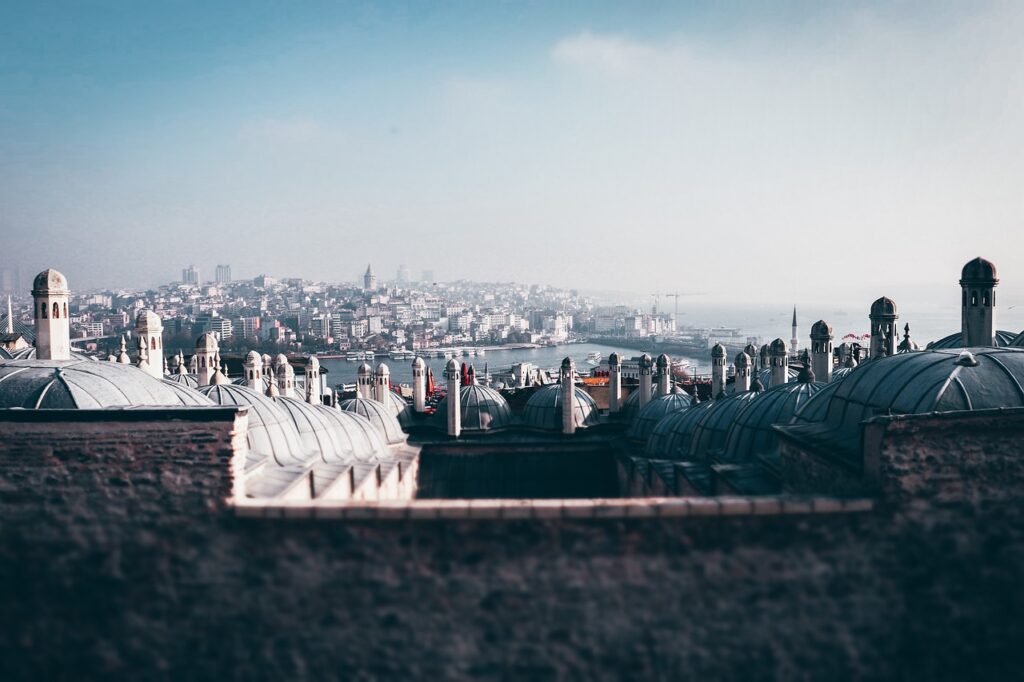
The Taş Mescit, the Stone Mosque, is the oldest monument of Cankiri, a compact twelfth-century building that belongs to the earliest age of Anatolian Islamic architecture. Its plain stone exterior hides a finely proportioned interior that has served the city for nine centuries.
The building sits in the heart of the old town, and its history is bound up with the Seljuk age that shaped the region. It is small, which is part of its power: this is a mosque you can understand completely, in minutes, in a way the great imperial buildings of the west never allow.
Visit quietly, respect the prayer times, and take time to study the stonework and the proportions. The Taş Mescit is the best introduction to Cankiri’s medieval past.
4. Explore the Old Town
Behind the modern avenues, the old town of Cankiri climbs the slopes beneath the castle in a tangle of lanes, traditional houses, and corner mosques. This is where the city’s character survives, away from the traffic and the newer buildings.
Wandering here is a pleasure in itself: wooden windows, courtyards behind high walls, the smell of baking bread, and the small commerce of daily life. The old town is compact, easy to explore on foot, and almost entirely free of other travelers.
Respect the fact that this is a lived-in neighborhood. Keep your camera discreet, greet the residents, and let the lanes lead you where they will, because the best discoveries are the unplanned ones.

5. Browse the City Market
The market of Cankiri is the beating heart of the city, a working bazaar that serves locals rather than tourists. Here you will find the produce of the region: honey from the mountain villages, dairy, grains, and vegetables, all sold with the cheerful noise of real commerce.
Take your time and wander every aisle. The food stalls alone are worth the visit, and buying a jar of mountain honey or a piece of local cheese makes a genuine souvenir of the region.
Markets are also the best place to meet people. The tea houses ringing the bazaar fill with regulars, and sitting down for a glass with a stallholder can turn a shopping trip into the most memorable hour of your day.
6. Ski Ilgaz Mountain
Ilgaz Mountain rises on the northern edge of the province, and in winter its slopes become the region’s ski destination. The ski center, with its runs and lifts, draws enthusiasts from Ankara and the surrounding provinces, and the snow season is reliable.
The mountain’s closeness to Cankiri is its great advantage: you can sleep in the city and be on the slopes in the morning. The facilities are straightforward and the atmosphere local, a world away from the crowded resorts of the west.
Check the snow conditions before you go, bring your own equipment if you are particular, and enjoy a mountain that serves the region with the no-fuss efficiency of the countryside.
7. Hike the Ilgaz National Park
In the warm months, Ilgaz National Park becomes a hiking destination, its forested slopes and high meadows crossed by trails that suit everything from short walks to full-day outings. The air is cool, the scenery is green, and the silence is genuine.
The park protects a swath of the mountain range, with its characteristic mix of conifer forest, open pasture, and rocky summits. Wildflowers in spring, berries in late summer, and golden forest in autumn give the trails a changing character through the year.
Pack water, wear proper shoes, and start early in the summer heat. The park is one of the great escapes of the region, and a day on its trails is the best possible antidote to the plateau.
8. Follow the Kızılırmak River Valley
The Kızılırmak, the Red River, crosses the southern part of the province, and its valley gives Cankiri a river landscape of surprising variety. The river, named for the color of its waters, winds through farmland, orchards, and rocky stretches.
The valley roads make fine drives, especially in spring when the water runs high and the fields are green. Villages, bridges, and riverside tea gardens complete a timeless picture that has changed little in a century.
Photographers should plan a sunrise or sunset visit, when the low light catches the water and the hills behind it. A half-day drive along the valley is an easy excursion that needs no guide and no ticket.

9. Visit the City Museum
The museum of Cankiri tells the story of the province from the earliest times, with archaeological finds from the ancient city of Gangra and the region’s long history of settlement, alongside the ethnography of the recent past. It is the best place to make sense of what you see around you.
The collections include the objects of daily life, costume, and craft that bring the province’s culture to life, and the displays are arranged to be followed easily by visitors with any level of background. Allow an hour or two to do it justice.
The museum is also a good rainy-day option and a useful orientation point at the start of your visit. With the castle above and the old town around it, the museum completes the picture of Cankiri.
10. Tour the District Towns
Beyond the city, the districts of the province each have their own character, from the mountain town of Ilgaz to the farmlands of the southern valleys. A loop through the district towns is the best way to see the variety of Cankiri in a single day.
Expect small market towns, mosques, and tea houses, with the countryside changing from forest to farmland as you drive. The people are curious and friendly, and a foreign visitor is still a novelty worth a conversation.
Plan your route the night before, allow time for the stops and the tea invitations, and let the districts show you the province that the city cannot. This is the Cankiri that locals know, and it is worth the road.
For drivers, the mountain roads toward Ilgaz and the forest country are the highlight, with views that open out over the valleys as you climb. In summer, the high villages are noticeably cooler than the city, which makes a district loop the perfect escape from the heat of the plateau.
Frequently asked questions
How many days do I need in Cankiri?
One full day covers the city: the castle, the Taş Mescit, the old town, and the market, with time to spare for the salt cave. Add a second day for Ilgaz Mountain, whether you are skiing, hiking, or simply driving the forest roads. Travelers combining Cankiri with Ankara or the Black Sea coast often find one or two nights ideal.
When is the best time to visit Cankiri?
From May to September for the city and the countryside, when the hills are green and the mountain roads are open, and in winter for skiing at Ilgaz. The salt cave and the city sights work year-round, and autumn is especially beautiful, with the region’s forests at their most colorful before the snows arrive.
Is the salt cave suitable for children and older visitors?
Yes. The rock salt cave at Balıbağı has an easy, level walking route through the galleries, so it suits children, older travelers, and anyone who does not want a strenuous excursion. The temperature underground stays cool and the air is dry, and the visit typically takes about an hour.

All Over Information
The All Over Information editorial team researches and writes practical English-language guides to Turkey. Facts are checked against official and local sources before publication, prices are published as dated ranges rather than quotes, and guides are revised when things change. We accept no sponsored posts, paid placements or paid links.
More guides like this
Best Local Food in Cankiri
The food of Cankiri is the food of north-central Anatolia, where the plateau meets the forests of the Black Sea region: wheat,…

Day Trip Ideas from Cankiri
Cankiri is a small province with a fortunate position, sitting between the central Anatolian plateau and the forested country of the Black…

A First-Timer’s Guide to Cankiri
Cankiri is the quiet surprise of north-central Anatolia, a small provincial capital an hour or two north of Ankara that most travelers…
History and Culture of Cankiri
Cankiri has a longer story than its modest size suggests.

Where to Stay in Cankiri
Cankiri is a small provincial capital, and its accommodation matches its scale: simple, affordable, and friendly, with none of the inflated prices…