Mugla city rarely makes the coast-bound itinerary, and that is exactly why it rewards the curious traveler. The inland capital of the province is compact, calm, and full of quiet pleasures: centuries-old lanes, a bazaar that still serves locals, rock tombs cut into the hillside, and a table built on olive oil and meze. None of it demands a ticket or a queue. It simply asks you to slow down and look.
Here are the top things to do in Mugla, in the order worth thinking about.
1. Wander the Old Town’s Whitewashed Lanes
The old quarter of Mugla is the city’s greatest treasure. Narrow cobbled lanes climb the hillside below the rock tombs, lined with whitewashed houses whose wooden bay windows lean over the street. Many date back to the Ottoman period, and the restoration work has been careful enough that the neighborhood feels alive rather than museum-like.
Give yourself at least an hour to wander without a plan. You will find courtyards with pomegranate trees, old stone fountains, doorways draped in bougainvillea, and the occasional restored mansion now serving as a guesthouse or cafe. Early morning is best, when the light is soft and the lanes are quiet. This is the Mugla the postcards should show.
2. See the Rock Tombs Above the City
Cut into the cliff that rises behind the old town, the ancient rock tombs are Mugla’s most striking sight. These burial chambers, carved into the living rock more than two thousand years ago, look down over the rooftops like dark doorways in the pale stone. They belonged to the people who lived here long before the modern city existed.
The short climb to the tombs is steep but worth it, ending at a viewpoint over the red-tiled roofs, the clock tower, and the pine-covered hills beyond. Late afternoon is the best time, when the sun lights the cliff face. There are benches and shade for a rest, and the silence of the site makes the history easy to feel.
3. Visit Ulu Cami and the Arasta Bazaar
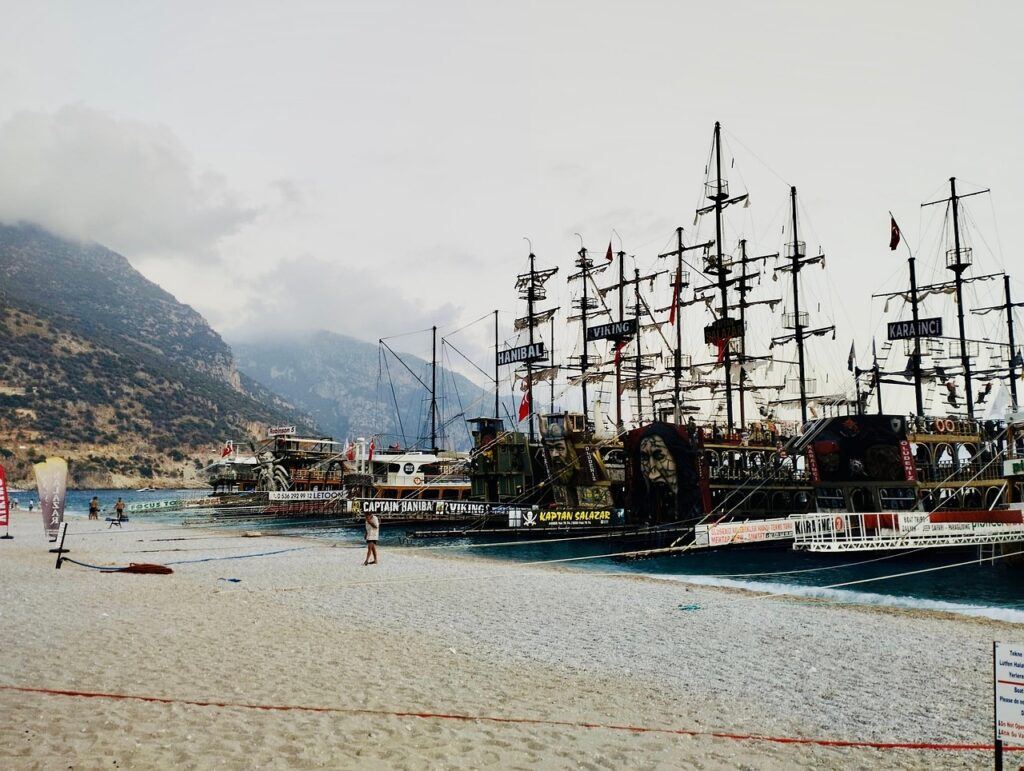
Ulu Cami, the grand mosque of Mugla, traces its origins to the fourteenth century, when the city was the seat of the Menteşe principality. The building has been restored many times, but its age is unmistakable, and the shaded courtyard is a cool retreat on hot days. Visitors are welcome outside prayer times, with modest dress.
Just downhill, the Arasta is Mugla’s old covered market street, a line of small shops serving the town for generations. Spices, tea, textiles, olive oil, and honey fill the stalls, and the pace is relaxed and friendly. It is a working bazaar rather than a tourist trap, and browsing here is one of the most genuinely local experiences the city offers.
4. Admire the Clock Tower in the Main Square
The clock tower is the symbol of Mugla, a square stone structure that has anchored the city center since the late nineteenth century. It stands at the edge of the old town, where the lanes meet the modern square, and it has seen everything the city has been through since. Around it, life follows its unhurried rhythm: tea drinkers, students, market days.
The tower is worth a visit at two moments: mid-morning, when the square is busy with the town’s daily business, and dusk, when the lights come on against the darkening hills. The open-air tea gardens around the square are the perfect place to sit and watch both. Order a cay and give the tower the slow look it deserves.

5. Explore the Mugla Museum
For context on everything you are seeing, the city museum is a compact and rewarding stop. Its collections cover the region’s long story, from the ancient settlements of the area to the Ottoman town and the modern province, with objects ranging from archaeological finds to the traditional crafts and household items of the old houses.
The museum is small enough to see in under an hour, which makes it an easy addition to an old-town morning. The exhibits on local life are the highlight, showing how the people of Mugla actually lived, worked, and farmed through the centuries. Check the opening hours in advance, since smaller museums in Turkey often close for lunch.
6. Drive the Pine Forest Roads and the Karabaglar Plateau
Mugla is one of the most forested provinces in Turkey, and the pine belt around the city is part of its character. A short drive from the center brings you to picnic areas, viewpoints, and the high plateau of Karabaglar, where the air is cool even in August and the meadows are dotted with traditional plateau houses.
There is no need for a strict plan. Pick a road heading into the hills, stop where the view opens up, and enjoy the silence of the pines. In the summer months, locals escape the heat on this plateau, and you can join them for a simple lunch of local produce. It is the easiest escape from the heat and crowds in the whole region.

7. Taste the Local Meze and Kabak Çiçeği Dolması
Mugla’s food is the food of the olive grove and the vegetable garden, and it is best experienced as meze. A spread of small plates might include wild greens in peppery local olive oil, garlicky yogurt, stuffed vine leaves, and cheese with walnuts, all made for sharing and all deeply satisfying.
The signature dish is kabak çiçeği dolması, zucchini flowers stuffed with herbed rice and cooked in olive oil. Served cool with lemon, it tastes exactly like a Mugla summer. Look for it on the menus of the family lokantas around the old town during the warm months. Pair it with ayran, then let the fruit of the season finish the meal.
8. Discover the Tobacco Heritage
For more than a century, tobacco was the heart of Mugla. The local leaf, grown on small family plots across the province, built the town’s wealth, and the old warehouses and drying sheds still stand as evidence of that era. In summer, you can see the broad leaves strung up to dry outside houses and barns, exactly as they have been for generations.
The tobacco story is also a story of community, because the harvest brought families and neighbors together in a seasonal rhythm that shaped local life. Today the industry has declined, but the pride remains strong. A conversation in a tea garden about the tobacco days will usually produce a story or two worth hearing.
9. Day Trip to Akyaka and Gokova Bay
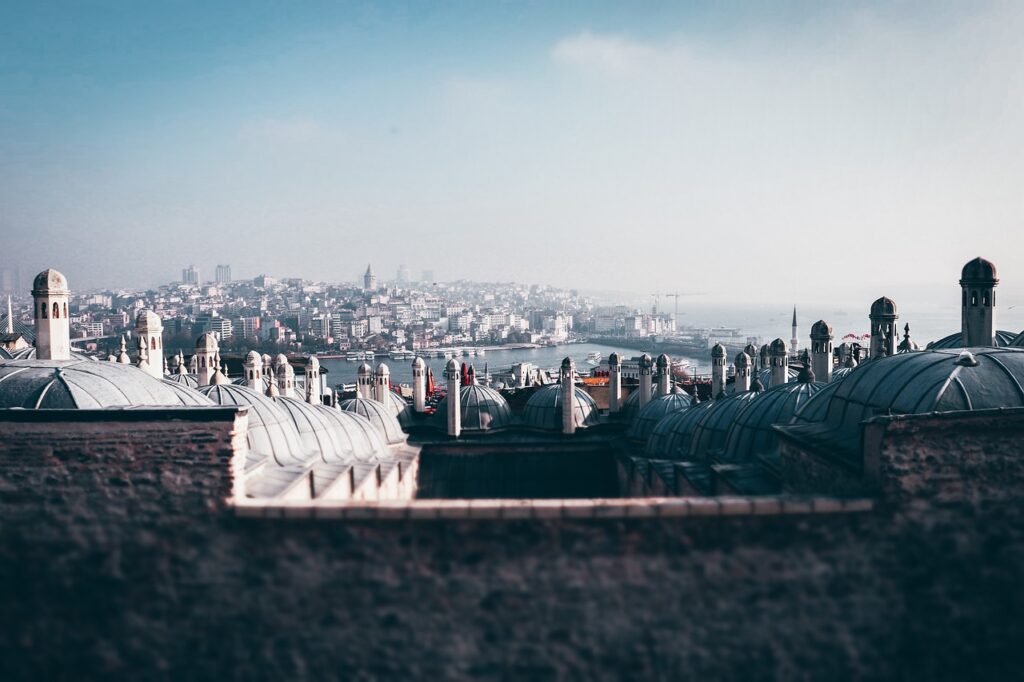
Half an hour from Mugla, the town of Akyaka sits at the head of Gokova Bay, where a protected river meets the sea. Its distinctive houses, the azure water, and the forested mountains behind it make this one of the most beautiful corners of the Aegean coast. The river offers gentle boat trips and swimming in clear, cool water.
The bay itself is a favorite for day boat excursions, and the scenery is classic Turkish Riviera. Akyaka is also a pleasant place for a long lunch of fresh fish. The drive from Mugla passes through pine forest and small villages, so the trip itself is part of the pleasure. Plan a full afternoon to do it properly.
10. Head to Dalyan and Kaunos for a Full-Day Adventure
The single best day trip from Mugla combines river, ruins, and beach. Dalyan, near Ortaca, sits on a river that flows past the ancient city of Kaunos, whose rock-cut tombs stare down from the cliffs. Boats carry visitors along the waterway, past the tombs and the reed beds, to the famous long beach where sea turtles nest.
The boat trip is the highlight, and the sight of the tombs from the water is unforgettable. Add a visit to the Kaunos acropolis and the mud baths, and you have a full and varied day. Dalyan is about ninety minutes from Mugla by road, so start early. This is the excursion that turns a Mugla trip into a holiday.
11. Explore the Surrounding Villages
The countryside around Mugla hides villages where the pace of life has barely changed. Stone houses, walnut trees, terraced fields, and friendly welcomes await on almost any road out of the city. These are farming communities first and foremost, and a slow drive through them gives you the real Mugla, far from any tourist itinerary.
Stop at a village square, buy bread or fruit at a local shop, and do not be surprised if you are invited for tea. The tobacco terraces in summer and the olive harvest in autumn are especially beautiful, and the hills offer easy walking with big views. A half-day loop through the villages and back to the city is one of the most rewarding ways to spend your time in this region.
Frequently asked questions
How many days should I spend in Mugla?
One full day covers the old town, the rock tombs, the bazaar, and a meal of local meze at a relaxed pace. Two days allow you to add the Karabaglar plateau and a coastal day trip. For a base to explore the province, plan three nights or more. The city rewards those who do not rush it.
What is Mugla city best known for?
Mugla is known as the inland capital of its province, the gateway to Bodrum, Marmaris, Fethiye, and Datca. Its own attractions are quieter: whitewashed Ottoman houses, a nineteenth-century clock tower, the Arasta bazaar, ancient rock tombs, pine forests, and a tobacco heritage. Its cuisine, especially the meze and stuffed zucchini flowers, is a highlight in its own right.
Is Mugla a good base for visiting the coast?
Yes, and it is an underrated one. Bodrum, Marmaris, Fethiye, and Datca are all reachable in a day, and the coastal towns of Akyaka and Dalyan are even closer. Staying in Mugla gives you lower prices, cooler nights, and a genuine Turkish town to return to each evening, all within easy reach of the beaches.

All Over Information
The All Over Information editorial team researches and writes practical English-language guides to Turkey. Facts are checked against official and local sources before publication, prices are published as dated ranges rather than quotes, and guides are revised when things change. We accept no sponsored posts, paid placements or paid links.
More guides like this

History and Culture of Mugla
Mugla has a way of being overlooked by history books even though it has been lived in for thousands of years.
Where to Stay in Mugla
Mugla is not a resort town, and that is precisely why staying here feels so different from a week on the coast.

Day Trip Ideas from Mugla
Mugla's inland position, often seen as a disadvantage, is actually its secret weapon.

A First-Timer’s Guide to Mugla
Every summer, tens of thousands of travelers fly into the Mugla province and never see the city it is named after. They…
Best Local Food in Mugla
Mugla's kitchen belongs to the olive grove and the vegetable garden.