Turkey sits on one of the most seismically active regions on Earth, where the Arabian and Eurasian plates collide. Earthquakes are a fact of life here, and understanding that reality makes you a safer, more confident traveler rather than a worried one. This guide explains why Turkey experiences earthquakes, where the main fault lines run, and exactly what to do before, during, and after a tremor. A little knowledge and preparation will let you travel with awareness instead of anxiety.
Why Turkey Experiences Earthquakes
Turkey’s geology is a collision story. The Arabian Plate pushes northward into the Eurasian Plate, squeezing the Anatolian Plate westward in the process. This constant movement builds stress along vast fractures in the Earth’s crust known as faults, and when the stress overcomes friction, the ground suddenly shifts, releasing the energy we feel as an earthquake. The process is ongoing and measurable, with the plates moving a couple of centimeters every year.
This tectonic setting is why the region has been home to major earthquakes throughout recorded history and why ancient cities such as Ephesus and Antioch were repeatedly rebuilt. It also explains the country’s dramatic landscape, since the same forces that cause earthquakes raised the mountains and shaped the valleys you travel through. Earthquakes are not random accidents here; they are the visible heartbeat of a geologically young and active region.
The North Anatolian Fault
The North Anatolian Fault is the most important fault line in Turkey, a strike-slip fracture running more than a thousand kilometers across the north of the country. It extends from the Aegean Sea in the west, passing close to Istanbul and the Marmara Sea, eastward toward the Caucasus. Along this line, the Anatolian Plate slides westward past the Eurasian Plate, and the fault has produced some of the most destructive earthquakes in Turkish history.
The fault has a striking pattern: major earthquakes have often migrated westward along it in a sequence over decades. The devastating quakes of 1939 through 1999 marched progressively west, culminating in the 1999 Izmit earthquake, which struck a densely populated industrial region near Istanbul. Because the westernmost section, close to the city, has not ruptured in recent memory, scientists watch it closely. For travelers, this fault line matters most for the Marmara region and Istanbul itself.

The East Anatolian Fault
The East Anatolian Fault is the second great fracture system, running from the southeastern corner of Turkey northeastward to meet the North Anatolian Fault. It is the boundary where the Arabian Plate meets the Anatolian Plate, and it produced the catastrophic February 2023 earthquakes centered near Kahramanmaras, which devastated parts of southeastern Turkey and northern Syria. This fault had been relatively quiet for two centuries before that event.
The 2023 earthquakes were a reminder that both major fault systems can rupture with devastating force. The region affected includes historic cities such as Antakya, Gaziantep, and Hatay, and reconstruction continues. For travelers, the practical lesson is that the east and southeast are just as seismically active as the north. Modern building codes aim to reduce risk, but older buildings remain vulnerable, and awareness is essential across the country.
How Earthquakes Are Measured
Earthquakes are described in two main ways. Magnitude measures the energy released at the source on a logarithmic scale, so a magnitude 7 earthquake releases about thirty times the energy of a magnitude 6. Intensity, by contrast, describes how strongly the shaking is felt at a particular location, which depends on distance, depth, and local soil. Turkey’s earthquake monitoring network reports both, and the magnitude is usually what you see in the news.
Turkey experiences thousands of small earthquakes every year, the vast majority far too weak to feel. A magnitude of about 4 to 5 is noticeable as a rumble and swaying; above 6, damage becomes possible in vulnerable buildings; and above 7, widespread destruction can occur. Aftershocks, smaller tremors that follow the main event, can continue for weeks and are a normal part of the sequence. Understanding the scale helps you interpret reports calmly.

Building Codes and Preparedness
Turkey has learned hard lessons about construction, and modern building codes are strict. Since 1999, regulations have required earthquake-resistant design, including proper concrete, reinforced columns, and ductile detailing that lets buildings sway without collapsing. New buildings in the major cities generally follow these standards, which is why modern hotels and apartments in tourist areas are considered structurally safe. Older buildings, however, were built under weaker rules.
The government has run urban renewal programs to demolish and rebuild the most vulnerable older stock, though progress is uneven. For you as a traveler, the reassurance is that purpose-built tourism infrastructure, hotels, airports, and modern shopping centers, are constructed to the current code and inspected. Rural and historic buildings are the riskier category. When choosing accommodation, a modern, well-maintained hotel is generally the safest choice in any seismic region.
Before the Earthquake: What to Prepare
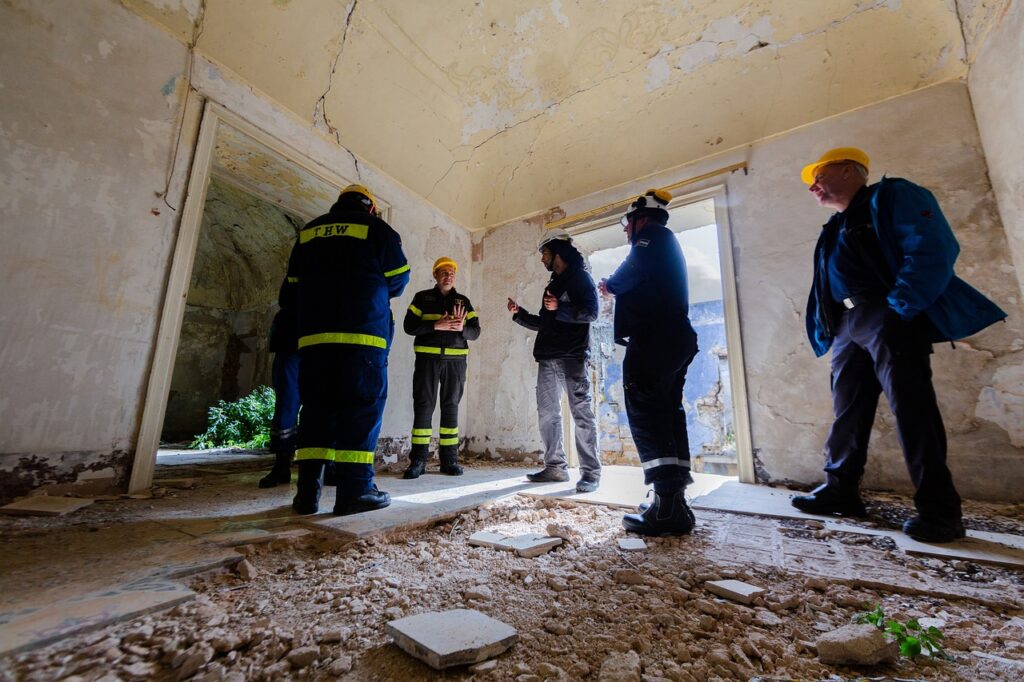
Preparation begins before you feel anything. When you check into accommodation, note the exits, stairwells, and assembly points, and decide where you would take cover: under a sturdy table or desk, or beside a solid interior wall away from windows, mirrors, and heavy furniture. It is worth carrying a small emergency kit with water, a snack, a flashlight, and a power bank, especially if you are traveling in rural areas.
Also consider digital preparation. Download offline maps, keep your phone charged, and know the emergency numbers for the country, including the national emergency line. Tell someone at home your itinerary so they know where to look if communication fails. Travel insurance that covers natural disasters is a wise investment, and it is worth checking that your policy includes earthquake-related disruption. A few minutes of preparation can make a genuine difference.
During the Earthquake: What to Do
When the ground starts shaking, the advice is simple: drop, cover, and hold on. Drop to your hands and knees so you cannot be knocked over, take cover under a sturdy table or desk, and hold on until the shaking stops. If no table is nearby, crouch beside an interior wall, away from windows, and protect your head and neck with your arms. Stay inside; doorways are no longer recommended, and running outside risks falling debris.
If you are outdoors, move to an open area away from buildings, streetlights, and utility wires. If you are driving, pull over to a clear spot, stay in your vehicle, and avoid bridges and overpasses. The shaking may last only seconds, but in a large earthquake it can continue for a minute or more. Do not use elevators during or immediately after a tremor, and expect the power and water to be disrupted in affected areas.
After the Earthquake: What to Do
Once the shaking stops, check yourself and those around you for injuries, then be ready for aftershocks, which can arrive within minutes and can themselves cause damage. If you are indoors and the building appears structurally damaged, evacuate carefully using the stairs and move to an open area. Avoid touching downed power lines and report gas leaks by smell, and do not light matches or flames if you suspect one. Expect phone networks to be overloaded and use text messages instead.
Follow the instructions of local authorities and hotel staff, who are trained for these situations. If you are in a coastal area and the earthquake was strong, move inland and to higher ground in case of a tsunami, though this risk is limited to the open seas. Listen for official announcements, and be patient: rescue and aid operations take time. In the hours after a major quake, the safest place is open ground, well clear of damaged buildings.
Historical Earthquakes and Their Lessons
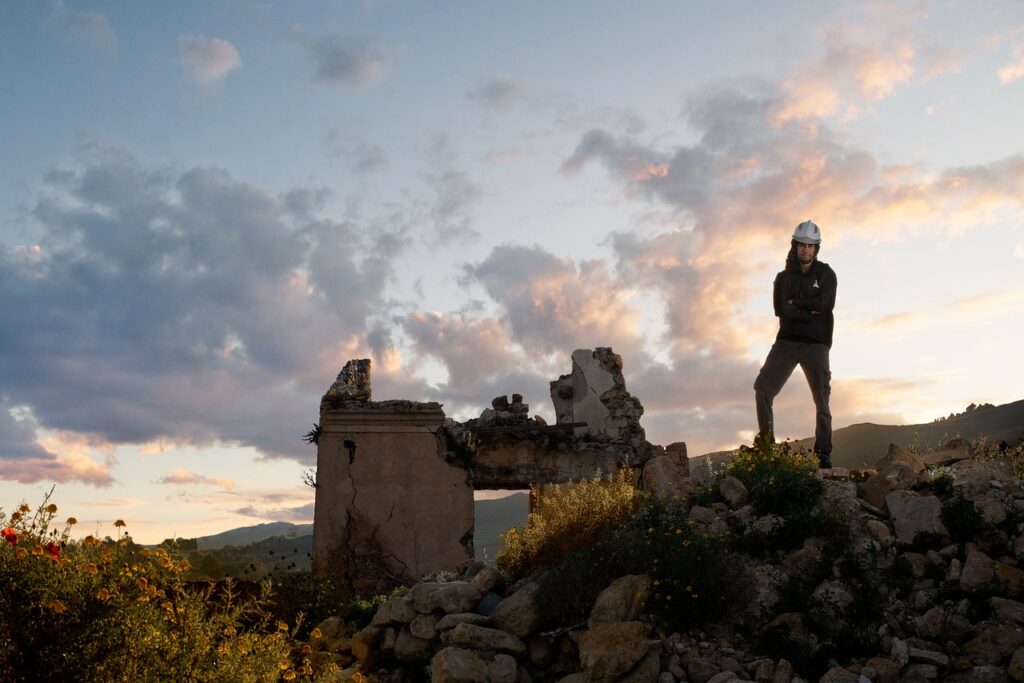
Turkey’s seismic history reads like a long and sobering curriculum. The 1999 Izmit earthquake, magnitude 7.6, killed thousands and collapsed thousands of buildings, transforming building regulations and public awareness. The 1939 Erzincan earthquake remains the deadliest of the modern era. The 2023 Kahramanmaras sequence, with magnitudes exceeding 7.7, showed how two major faults can rupture in rapid succession and devastated a wide area of the southeast.
Each disaster has driven improvement. After 1999, the country rebuilt its monitoring network, updated building codes, and created rapid-response systems. International rescue teams now train with Turkish teams, and early warning research has advanced. The historical record also helps planners: knowing which fault segments have accumulated stress guides construction rules and retrofitting priorities. For travelers, the lesson is that Turkey is not ignoring the problem; it is actively learning from its own history.
Staying Informed During Your Trip
Information is your best tool. Turkey’s earthquake monitoring agency publishes real-time data and mobile alerts for significant earthquakes, and many international apps provide the same service. During a trip, it is wise to follow official accounts and local news, especially if you are in a seismically active region. Hotel staff, tour guides, and local residents are usually the most practical sources of up-to-date information and guidance.
Remember that most earthquakes in Turkey are small and harmless, and the country welcomes tens of millions of visitors every year without incident. Your risk as a traveler is low, particularly if you stay in modern buildings and follow basic precautions. Preparedness is not about fear; it is about confidence. Knowing the faults, the procedures, and the practical steps lets you enjoy Turkey’s extraordinary landscapes and cities with your attention where it belongs: on the journey.
Frequently asked questions
How common are earthquakes in Turkey?
Turkey experiences thousands of earthquakes each year, but the vast majority are small tremors that go unnoticed. Larger earthquakes occur on a recurring basis, with damaging events happening somewhere in the country every few years. The major fault systems in the north and east are the source of most significant quakes. Modern monitoring makes the picture clearer than ever, and daily updates are available from Turkey’s earthquake monitoring agency.
Is it safe to travel to Turkey given the earthquake risk?
Yes, it is safe for the vast majority of travelers. Modern hotels, airports, and tourist infrastructure are built to current earthquake-resistant codes and are among the safest structures in the country. The risk cannot be eliminated anywhere on Earth, but awareness and basic preparation dramatically reduce danger. Tens of millions of visitors travel to Turkey each year without incident, and tourist areas are generally well prepared for seismic events.
What should I do if an earthquake strikes while I am in Turkey?
Drop, cover, and hold on: get under a sturdy table or beside an interior wall, protect your head, and stay put until the shaking stops. Avoid windows, elevators, and doorways, and do not run outside during the shaking. Afterward, check for injuries, expect aftershocks, and follow hotel staff and local authorities. If you are coastal and the quake was strong, move inland and to higher ground.

All Over Information
The All Over Information editorial team researches and writes practical English-language guides to Turkey. Facts are checked against official and local sources before publication, prices are published as dated ranges rather than quotes, and guides are revised when things change. We accept no sponsored posts, paid placements or paid links.
More guides like this

Understanding Turkish Coffee Fortune Telling
At the end of a meal in Turkey, a small cup of strong coffee may arrive with an offer that surprises many…
Turkey’s Secularism and Religious Traditions Explained
Few countries present a more fascinating puzzle than Turkey when it comes to religion and the state.
The Street Art and Graffiti Scene in Istanbul
Istanbul is a city that wears its history in layers, and in recent years it has added a new one: paint.

Turkey’s Olympic and International Sports Achievements
Turkey has a long and proud record in international sport.

A Visit to a Traditional Turkish Barber Shop: What to Expect
A visit to a traditional Turkish barber shop, known as a berber, is often described as one of the more memorable everyday…

Understanding Turkish Football Fan Culture
Football in Turkey is not a pastime; it is a passion that runs through the whole society.