Stand on any major shipping route between Europe and Asia and you are standing in Turkey’s shadow. The country sits at a crossroads that has carried trade for millennia, from the Silk Road to the container ships of today. In modern terms, Turkey is one of the world’s larger trading nations, with exports that span cars, machinery, textiles, and food, and with trade links that reach every continent. This guide explains Turkey’s role in global trade, its main exports, the partners it trades with, and the forces shaping its commercial future.
A Country at the Crossroads
Turkey’s geography is its first economic asset. It bridges Europe and Asia, controls the sea routes around its long coastline, and sits within easy reach of the Middle East, the Caucasus, and Central Asia. A large share of the world’s population lives within a few hours of its borders.
This position has shaped the country’s history and its trade. Istanbul has been a commercial hub for centuries, and the same logic that made it a Silk Road terminus drives its modern ports and logistics. Goods moving between East and West frequently pass through Turkish territory or Turkish infrastructure.
Geography is not destiny, but in Turkey’s case it is a powerful advantage. The country has built its modern trade strategy on this location, developing ports, airports, and logistics corridors that turn the crossroads into a competitive business.
The Size of Turkish Trade
Turkey ranks among the larger trading economies in the world, with exports and imports that place it well inside the global top twenty in many years. The numbers move with the global economy and with the lira, but the country’s position is consistently significant.
The trade balance has historically leaned toward imports, with energy a permanent and heavy item in the import bill. Turkey imports most of its oil and gas, and when energy prices rise, the trade deficit widens. This structural dependence is one of the defining features of Turkish trade.
Despite the deficit, exports have grown strongly in recent decades, diversifying from agriculture and textiles into machinery, vehicles, and electronics. The composition of the export basket has changed faster than almost any comparable economy.
What Turkey Exports
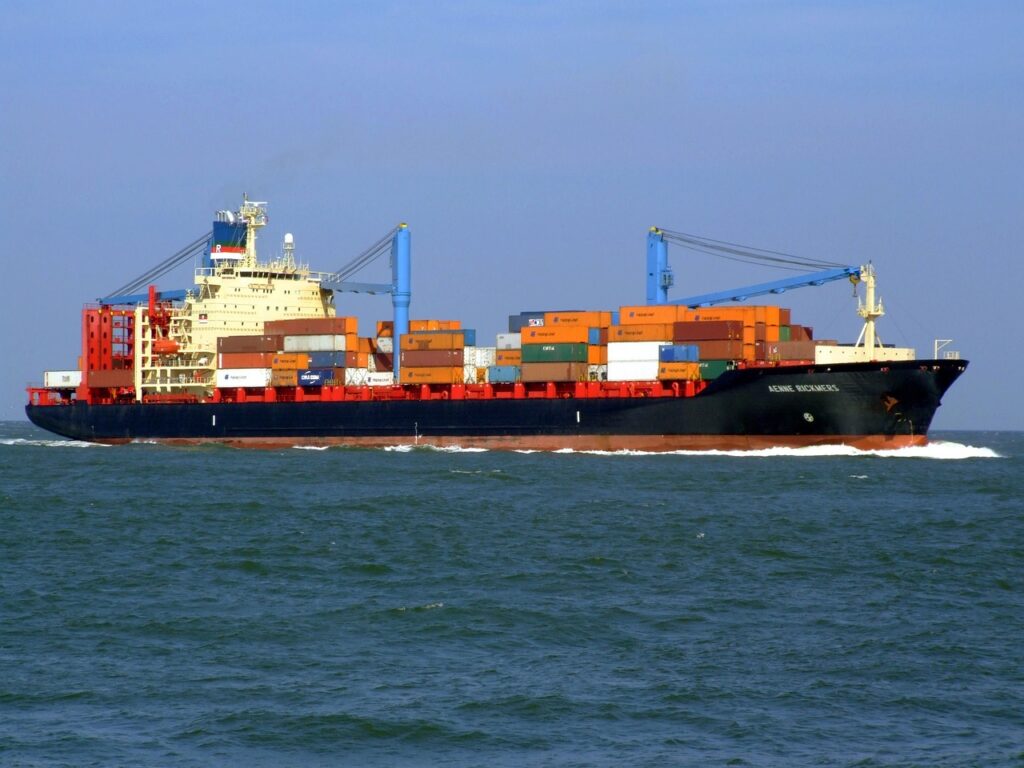
The modern export basket is far more industrial than most outsiders expect. Vehicles and automotive parts lead the list, with Turkey acting as a major production base for carmakers that sell across Europe. The machinery that follows reflects the country’s deepening industrial capacity.
Textiles and clothing, the traditional engine of Turkish exports, remain enormous, and Turkish brands are household names across Europe and the Middle East. The sector has moved upmarket, from basic garments toward fashion and technical fabrics.
Food and agriculture complete the picture: fruits, nuts, grains, and processed food travel from Turkish fields to markets worldwide. Add steel, chemicals, ceramics, and increasingly electronics and defense products, and you have a broad, resilient export base.
Who Turkey Trades With
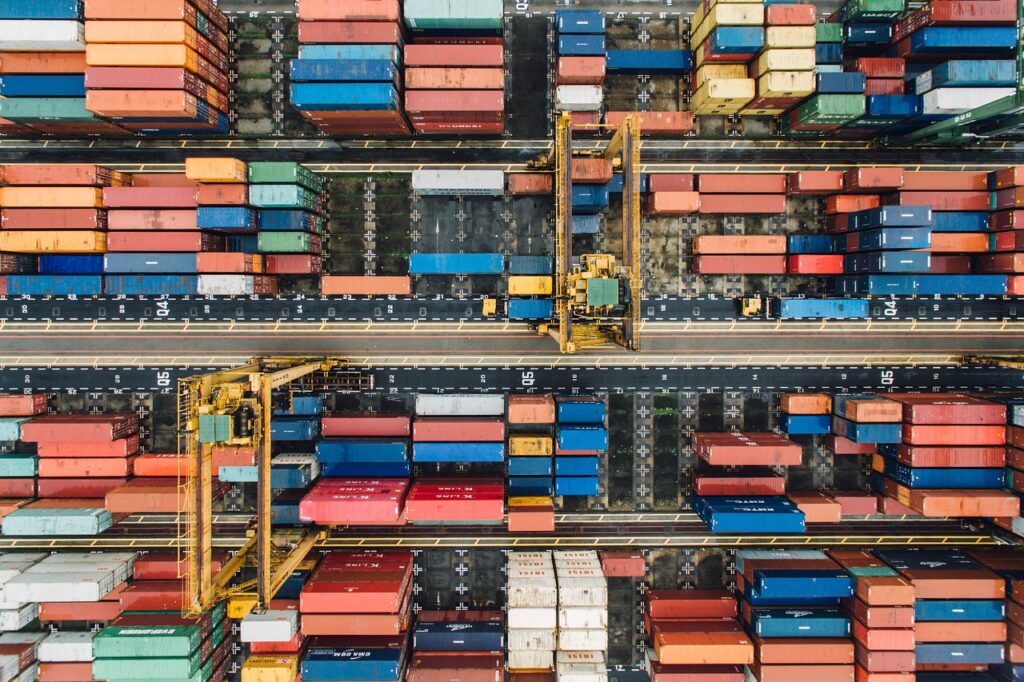
Europe is Turkey’s dominant trading partner. The European Union takes the largest share of Turkish exports, with Germany alone absorbing a significant portion. The customs union between Turkey and the EU, in place for decades, shapes the commercial relationship deeply.
Beyond Europe, the Middle East and North Africa are major markets, driven by proximity and by construction and contracting services that Turkish firms supply across the region. Russia and the wider Black Sea area are important partners for energy and food.
The United States is a significant market for Turkish goods, while trade with Asia has grown rapidly, with Turkey importing electronics and machinery from the East while exporting raw materials and food. The geography of Turkish trade is genuinely global.
The Customs Union with Europe
The customs union between Turkey and the European Union is the backbone of Turkish trade policy. Under it, most industrial goods move between Turkey and the EU without customs duties, integrating Turkish manufacturing into the European market.
The arrangement has costs as well as benefits. Turkey must apply the EU’s common external tariff to imports from third countries, and it has limited freedom to negotiate its own trade deals on industrial goods. The relationship is a constant theme in Turkish economic policy.
For businesses, the practical meaning is simple: Turkish-made industrial goods enjoy privileged access to the European market. That access explains why so many global companies manufacture in Turkey, and it is the anchor of the country’s export strategy.
The Rise of Turkish Brands
Turkish trade is no longer only about components and contract manufacturing. The country has developed global brands of its own, particularly in home appliances, textiles, food, and increasingly automotive and defense products. Turkish products are now visible in stores worldwide.
The brand-building has been supported by consistent quality improvements and by a young, skilled workforce. Turkish engineers, designers, and marketers have moved the country’s products up the value chain, and the export mix reflects that climb.
The image of Turkish goods has changed accordingly. Where Turkish exports were once seen as cheap, they are increasingly seen as well-made and fairly priced. That reputation shift is one of the quiet success stories of the modern Turkish economy.
The Service Exports
Goods are only part of the story. Turkey is also a major exporter of services, and tourism leads the way. The country welcomes tens of millions of visitors a year, and the tourism sector earns foreign currency that helps balance the trade accounts.
Beyond tourism, Turkish construction and contracting companies operate across the Middle East, Africa, and Central Asia, and transport and logistics firms carry cargo through Turkish ports and airlines. Freight, transit trade, and business services all add to the service export total.
The service sector also includes the digital economy, which has grown rapidly. Software, gaming, and online services from Turkey reach customers worldwide, adding a modern layer to a service tradition that began with hospitality and construction.
The Role of the Lira
The currency is the shadow over Turkish trade. The lira has depreciated substantially over the years, and a weaker lira makes Turkish exports cheaper and imports more expensive. The exchange rate is a live factor in every trade decision.
For exporters, the weak lira is a mixed blessing. It improves price competitiveness abroad, but it raises the cost of imported inputs and fuels inflation at home. The balance of these forces shapes the profitability of Turkish trade from year to year.
For importers and consumers, the lira’s value determines the price of everything from energy to electronics. The currency’s movements are followed as closely as any trade statistic, and they are the clearest link between the economy’s health and the daily lives of Turks.

Trade Infrastructure
Turkey’s ports, airports, and logistics corridors have been built up steadily, and the infrastructure is a major source of competitive advantage. The ports on the Marmara and Aegean coasts handle the bulk of container traffic, with modern terminals and efficient customs.
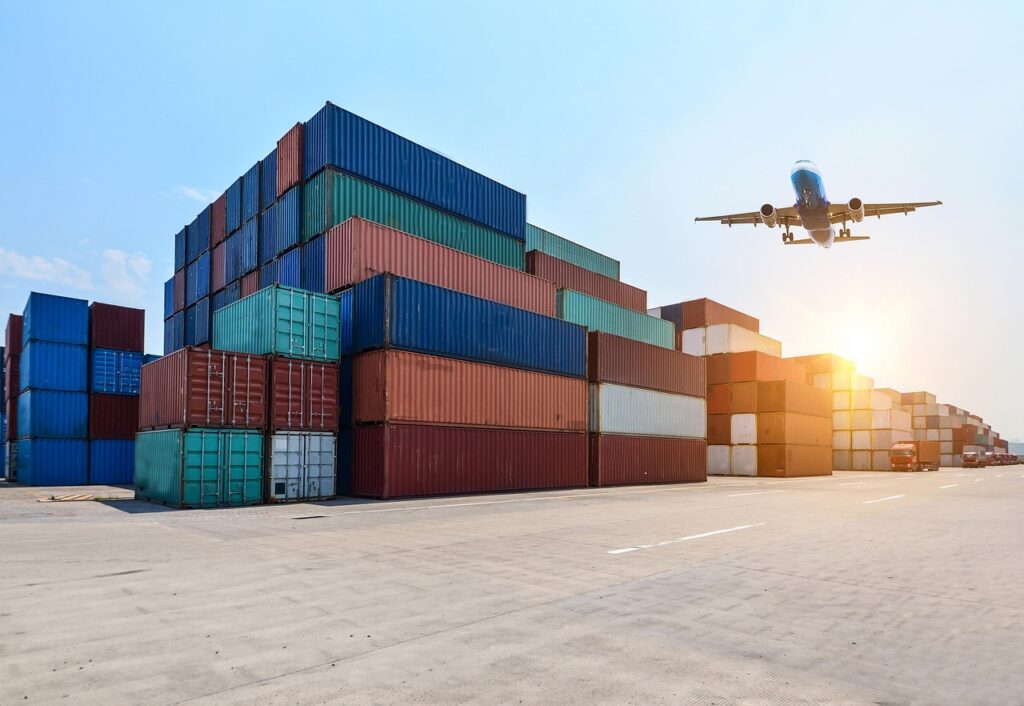
The airports, led by the massive hub in Istanbul, connect Turkish exporters to global markets with a dense network of flights, and the cargo capacity has grown with the passenger traffic. Air freight is increasingly important for high-value exports.
On land, Turkey’s highway and rail networks link the manufacturing heartland to the ports, while border crossings connect the country to its neighbors. The logistics chain, from factory floor to foreign customer, has been engineered to compete.
Challenges and the Road Ahead
Turkish trade faces real challenges. Energy dependence keeps the import bill high, and the chronic need for foreign capital makes the economy sensitive to global financial conditions. Inflation and currency volatility complicate planning for exporters and importers alike.
The global trading environment is also harder than it was. Rising protectionism, supply-chain reconfiguration, and the shift toward regional production create both threats and opportunities. Turkey’s position between manufacturing Europe and the growing Middle East cuts both ways.
The opportunities are equally real. The search for alternative production bases has pushed many companies to look at Turkey, and the country’s industrial depth, young workforce, and logistics position make it a plausible hub for regional supply chains. How Turkey navigates this moment will define its trade position for a generation.
What It Means for You
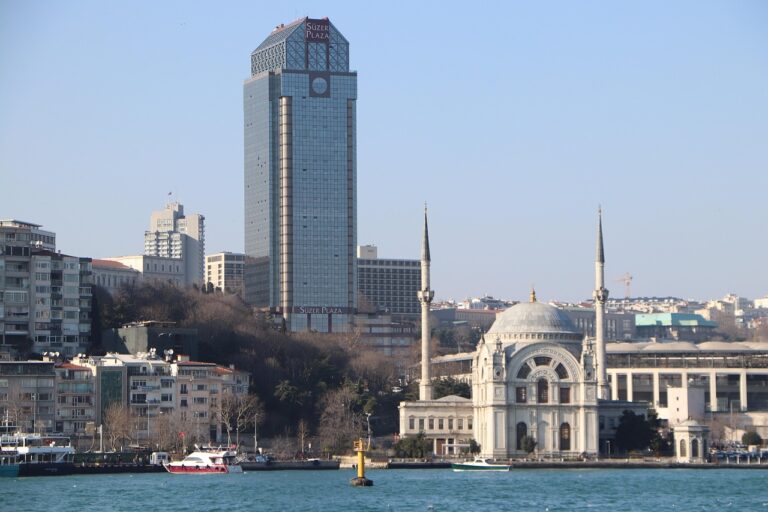
For the business traveler, the investor, or the curious visitor, Turkey’s trade position explains much of what you see around you. The ports, the industrial zones, the highway traffic, and the Istanbul skyline all bear the marks of a country that lives by commerce.
If you are considering business in Turkey, the trade infrastructure is on your side: the customs union, the zones, the ports, and the logistics are all working tools, and the country is practiced at international commerce in a way that few emerging markets can match.
For the traveler, the same currents shape your experience. The goods in the markets, the brands in the shops, and the ships in the strait are all evidence of Turkey’s place in the global economy. Understanding the trade story makes every part of the country more legible.
Frequently asked questions
Is Turkey a major exporting country?
Yes. Turkey consistently ranks among the world’s largest trading nations, with exports spanning vehicles, machinery, textiles, food, and increasingly electronics and defense products. Europe is its dominant market, but Turkish goods and services reach customers on every continent.
Why is the trade deficit a recurring issue for Turkey?
The main structural cause is energy. Turkey imports most of its oil and gas, and when energy prices rise, the import bill expands faster than exports can compensate. The deficit is partly balanced by tourism earnings and other service exports.
What is the customs union between Turkey and the EU?
It is an agreement under which most industrial goods move between Turkey and the European Union without customs duties, deeply integrating Turkish manufacturing into the European market. In exchange, Turkey applies the EU’s common external tariff on imports from third countries.

All Over Information
The All Over Information editorial team researches and writes practical English-language guides to Turkey. Facts are checked against official and local sources before publication, prices are published as dated ranges rather than quotes, and guides are revised when things change. We accept no sponsored posts, paid placements or paid links.
More guides like this

Investing in Turkey’s Textile Manufacturing Sector
Turkey's textile and apparel manufacturing sector is one of the country's oldest and most important industries, and it remains a global force…

Turkish Work-Life Balance Compared to the West
Ask a Turkish professional about work-life balance and you will get an answer that surprises many Western visitors. On paper, Turkish working…

Investing in Turkey’s Education Sector
Turkey's education sector is one of the country's most stable and socially meaningful investment fields, serving a large, young population that is…
Investing in Turkey’s Tourism Sector
Turkey's tourism sector is one of the most dynamic engines of the national economy, drawing tens of millions of international visitors each…

Opportunities and Challenges in Turkish Renewable Energy
Turkey's renewable energy market has grown from a niche interest into one of the most active investment arenas in the region, and…

Turkey’s Real Estate Market for Foreign Investors
Turkey has become one of the world's most popular destinations for foreign property buyers.