Turkey’s tourism sector is one of the most dynamic engines of the national economy, drawing tens of millions of international visitors each year to its coasts, its cities, and its cultural landmarks. For you as an investor, the sector offers a rare combination of scale and diversity: accommodation, transport, food and beverage, entertainment, and a fast-growing layer of supporting services all sit within reach of new capital. Before you commit money, you need a clear picture of how the market works, where the genuine opportunities sit, and which risks deserve respect. This guide walks you through the fundamentals so you can approach the sector with your eyes open and a strategy that fits your resources.
Why Tourism Matters to Turkey
Tourism is not a marginal industry in Turkey; it is one of the pillars of the economy. The country sits at the crossroads of Europe, the Middle East, and Central Asia, with thousands of kilometers of coastline, a deep cultural heritage, and a climate that supports travel for much of the year. International arrivals number in the tens of millions annually, and the sector generates substantial foreign currency earnings that help balance the country’s external accounts.
For an investor, this scale matters because demand is broad rather than fragile. The sector spans luxury resorts on the Aegean and Mediterranean coasts, boutique hotels in historic neighborhoods, health and wellness tourism around thermal springs, and the growing conference segment. Each operates with different economics and seasons, giving you room to choose a niche that matches your capital and risk appetite.
Governments have long treated tourism as a strategic priority, which helps explain why the industry has rebounded after each downturn. For a newcomer, the takeaway is straightforward: this is a deep, resilient, and politically important market.
The Main Investment Entry Points
There are several ways to put capital to work, ranging from direct ownership to lighter involvement. The most visible route is accommodation: buying or developing hotels, boutique pensions, holiday villages, or apartment-style units rented to tourists. This is the classic play, supported by legal frameworks that welcome foreign property buyers.
Beyond beds, a whole ecosystem deserves your attention. Restaurant concepts, guided tour operations, transfer and transport services, and experience businesses such as diving schools, sailing charters, and cooking classes all feed on tourist flows. Digital services form a growing niche too, from booking platforms to travel-technology products serving visitors and the local trade.
A third route is indirect: buying shares in listed hospitality companies, joining funds focused on tourism assets, or providing capital to established operators through joint ventures. Each entry point carries a different level of control and liquidity, so choose according to the time and capital you can commit.

Where the Opportunities Are Strongest
Opportunity is not evenly distributed, and your first job is to understand the geography. The Mediterranean and Aegean coasts, from Antalya through Bodrum to the Cesme peninsula, dominate sun-and-sea tourism and draw the largest visitor numbers. Competition is intense, but so is the infrastructure: airports, marinas, and services are mature.
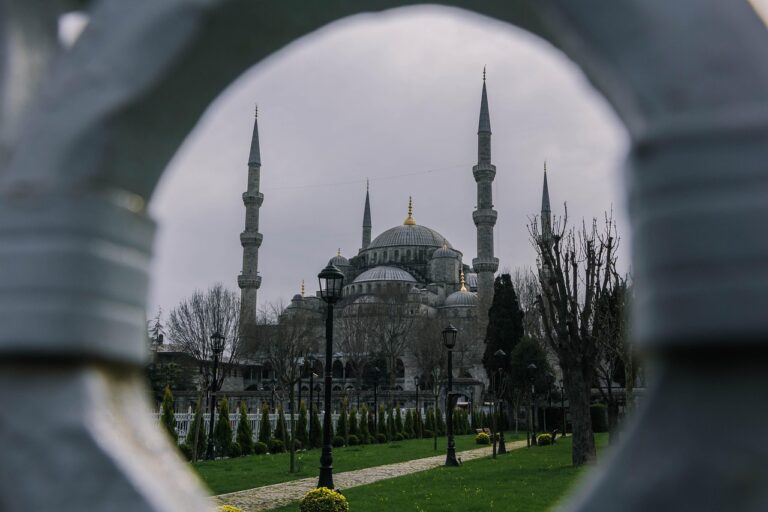
Istanbul operates on a different rhythm, with city-break tourism, business travel, and cruise arrivals feeding a year-round market. Cappadocia, with its balloon flights and cave hotels, and the Aegean hinterland, with its history and gastronomy, represent the experience-led segment growing faster than the traditional beach holiday. Wellness tourism around thermal springs extends the season beyond summer.
The practical question is where your competitive advantage lies. If you can serve a specific source market with language skills and cultural familiarity, you can differentiate in almost any region. The most attractive pockets are where demand grows but supply is still catching up, often outside the famous resort strips.
The Regulatory Environment
The regulatory framework is accessible but not trivial. Foreigners can generally own property and establish companies on the same terms as local investors, which is one reason the sector attracts international capital. Company formation follows standard commercial law, and most investors operate through a limited liability company that separates personal and business risk.
Sector-specific rules vary by activity. Accommodation businesses may need municipal licenses and tourism operation certificates, and hotel classification follows national standards that affect signage, pricing, and promotional support. Food and beverage venues must meet health and safety requirements, and tour operators face consumer protection rules governing contracts and cancellations.
You will deal with several institutions: the ministry responsible for tourism, provincial directorates, and municipalities all play a role in permitting and inspection. Working with a local lawyer and an accountant from day one is how you navigate zoning, licensing, and tax registration without surprises. Expect paperwork to move slowly, and build that into your timeline.

The Financial and Currency Realities
The Turkish lira has a history of volatility, and any investor in Turkey must make peace with that reality. Revenues in tourism are often collected from international visitors, sometimes in foreign currency, which can act as a hedge, but your costs, from salaries to utilities to supplies, are largely in lira. The interaction creates a genuine currency risk you should model before committing.
Financing is another layer. Local banks lend in lira at rates that reflect the country’s inflation picture, so borrowing can be expensive in real terms. Some bring their own capital, some use offshore financing, and some mix the two.
Taxation is worth understanding early. Corporate income tax, value-added tax on tourism services, and withholding taxes all apply, and rules change with the budget cycle. Build your financial model with conservative assumptions, stress-test it against a weaker lira, and never rely on currency movements going your way.
The Challenges You Should Take Seriously
No honest guide can ignore the challenges. Seasonality comes first: in the classic coastal destinations, the active season runs from spring to autumn, and a property that earns well in summer must carry its costs through the winter. You need a realistic occupancy model, not an optimistic one.
Competition comes second. The hospitality market is crowded in established destinations, and new supply arrives every year, pressing prices and occupancy. Differentiation through service, niche positioning, or a unique location is not a luxury; it is the minimum requirement for survival.
Macroeconomic conditions form the third challenge. Inflation has periodically run high, eroding purchasing power and pushing up operating costs. Interest rates and currency moves can shift quickly, and rules can change mid-project. Regional events have also affected visitor numbers, and the sector remains sensitive to disruptions.

Practical Notes on Getting Started
Start with a visit, and not a short one. Spend time in the destination during both peak and off-peak seasons, talk to operators, and observe how businesses actually run. The numbers in brochures rarely match reality on the ground, and a week of walking the streets teaches more than a month of desk research.
Test the market before committing large capital. Many successful investors begin with a small property, a management role in an existing business, or a partnership that lets them learn while sharing risk. This staged approach also builds the local relationships you cannot buy.
Build your team early: a lawyer, an accountant, and ideally a bilingual manager with local experience. You will rely on them for everything from company formation to daily operations. Keep liquidity in reserve as well, because projects take longer and cost more than the first plan suggests.
Building Local Partnerships
Local partners are often the difference between a smooth entry and a frustrating one. A partner with established relationships can help you navigate municipal approvals, find contractors, recruit staff, and understand the unwritten rules no manual explains. Many foreign investors choose a joint venture precisely for this reason.
Choose partners carefully. Look for a track record, aligned incentives, and clear roles from the start. A written shareholders’ agreement covering decision rights, profit distribution, and exit mechanisms is essential even with people you trust, because it forces the difficult conversations early.
There is also a softer side that matters in Turkey: personal relationships. The business culture values trust and direct communication, and partners will judge you by how you show up, not just by your balance sheet. Invest in the relationships, and the practical advantages tend to follow.

The Seasonal and Geographic Dimension
Understanding the seasons is fundamental. Coastal resorts concentrate revenue into a window of roughly five to seven months, and a hotel in Antalya operates on a very different rhythm from a city hotel in Istanbul or a thermal facility in the interior. Financing, staffing, and marketing must fit the calendar you choose.
Geography also determines your customer mix. Some destinations draw mainly from Western Europe, others from the Gulf countries, and others from domestic travelers. That mix affects pricing, language requirements, and the services you offer.
Diversification can smooth the seasonality. Businesses that combine a summer location with events, weddings, or corporate retreats in the shoulder months, or that add wellness elements, tend to generate steadier cash flow. If you can build several revenue streams into one asset, you reduce the risk of a one-dimensional seasonal business.
The Long-Term Outlook
The long-term fundamentals remain constructive despite the cyclical turbulence. The country’s natural and cultural assets are world-class, its location gives access to enormous source markets, and the government continues to invest in airports, transport, and promotion. Visitor numbers have repeatedly recovered to new highs after downturns.
Technology and changing traveler preferences will reshape the sector. Sustainable tourism, wellness travel, digital marketing, and experience-led offerings are all growing faster than the traditional package holiday, and the winners will read these shifts early.
For you, the sensible posture is patient and selective. Enter at a sensible valuation, keep leverage moderate, and be prepared to hold through cycles. Tourism in Turkey rewards investors who understand its rhythms and punishes those who ignore them. With careful research, honest financial modeling, and good local partners, the sector offers a genuine opportunity to build a lasting business.
Frequently asked questions
Can foreigners invest in Turkish tourism businesses?
Yes. Foreign investors can establish companies and acquire assets in the tourism sector under the same general framework as Turkish nationals. Most choose a limited liability company, and property ownership is permitted subject to the standard rules on location and size. Professional legal and accounting advice is strongly recommended for licensing, zoning, and tax matters.
What is the best way to enter the tourism market as a newcomer?
Most newcomers start with a small, manageable asset or a joint venture with an established local operator. This lets you learn the market, build relationships, and understand seasonality before committing large capital. A staged entry is far safer than a large first investment in an unfamiliar environment.
How do currency movements affect a tourism investment?
Currency is a double-edged sword. Revenues from international visitors may come in foreign currency while costs are largely in lira, and a weaker lira can boost competitiveness but raises import and financing costs. You should model both scenarios and structure financing so the business survives adverse currency moves.

All Over Information
The All Over Information editorial team researches and writes practical English-language guides to Turkey. Facts are checked against official and local sources before publication, prices are published as dated ranges rather than quotes, and guides are revised when things change. We accept no sponsored posts, paid placements or paid links.
More guides like this

Investing in Turkey’s Logistics and Shipping Sector
Turkey's logistics and shipping sector sits at the center of the country's economic geography, moving goods between Europe, Asia, and the Middle…

Opportunities and Challenges in Turkish the Automotive Industry
If you are exploring business opportunities in Turkey, the automotive industry deserves your close attention.

How Foreign Entrepreneurs Are Entering Turkey’s the Automotive Industry Industry
Turkey's automotive industry is one of the country's most internationally connected sectors, and foreign entrepreneurs are entering it through a range of…

Investing in Turkey’s Renewable Energy Sector
If you are considering where to place your energy investment, Turkey's renewable energy sector deserves a serious look.

Investing in Turkey’s Textile Manufacturing Sector
Turkey's textile and apparel manufacturing sector is one of the country's oldest and most important industries, and it remains a global force…
Hair Transplant Tourism in Istanbul: What to Know
Istanbul has become the undisputed world capital of hair transplantation, and the reasons are practical: skilled surgeons, advanced techniques, and prices that…