Turkish delight is a sweet that has traveled the world, yet it remains deeply rooted in Turkish daily life. In Turkey it is lokum, a word that carries centuries of hospitality, craft, and small ceremonies. It arrives with coffee, it is given as a gift, and it sits on the table of every visit. To understand lokum is to understand the Turkish art of sweetness, and this guide takes you into that world.
A Sweet With a Thousand Faces
Lokum is one of the oldest sweets of the Ottoman world, and it has never lost its place in Turkish life. Its soft, chewy cubes are as familiar as tea.
The sweet comes in endless variation, from simple rose and lemon to pistachio-studded masterpieces, and every region and every shop has its own style.
Yet all lokum shares a spirit: gentle sweetness, delicate texture, and a flavor that whispers rather than shouts. It is a sweet of restraint.
That restraint is part of its charm. In a world of loud desserts, lokum is quiet, and its quietness is exactly what makes it endure.
Lokum also has a quiet democratic character. It is inexpensive enough for everyone, and it appears on the tables of palaces and workers homes alike, a sweet that belongs to the whole nation rather than to any class.
From the Ottoman Court to the World
The story of lokum begins in the Ottoman world, where confectioners developed the art of sugar and starch into a soft, gelled sweet.
The palaces and the great houses of Istanbul were the stage, and the craft spread from them to the shops of the city and the provinces.
By the nineteenth century, lokum had crossed borders, carried by travelers and traders who introduced it to Europe, where it became a fashionable curiosity.
The journey from Ottoman kitchen to world fame is part of the sweet’s identity. Lokum carries the memory of an empire in every cube.
The court connection also gave lokum a polish it never lost. The palace confectioners set standards of appearance and texture that the shops still honor, and the sweet carries that refinement to this day. The nineteenth-century travelers who carried lokum to Europe also wrote about it, and their descriptions helped create the romantic image of the Ottoman sweet world that still colors the dessert reputation.

The Name That Traveled
The name lokum comes from the Ottoman phrase rahat lokum, which means comfortable morsel, a lovely description of the soft, soothing sweet.
Europeans, hearing the unfamiliar words, transformed them into the English name Turkish delight, and the new name stuck.
The translation is fitting. The sweet is a comfort, a small pleasure that eases the moment, and its name promises exactly that.
Language, like the sweet itself, traveled and adapted, and the two names now live side by side around the world.
The double name also tells the story of globalization. Lokum belongs to its homeland, Turkish delight belongs to the world, and both names are used with affection, depending on who is speaking and where.
Lokum With Coffee and Tea
The classic pairing of Turkish culture is lokum with Turkish coffee. The bitter coffee and the sweet cube complete each other perfectly.
The ritual is a small ceremony. The coffee is served in tiny cups, the lokum sits beside it, and the conversation unfolds slowly.
Tea, the other great Turkish drink, also loves lokum. The sweet balances the astringency of the tea and turns an ordinary moment into a treat.
This pairing is so natural that a coffee service without lokum feels incomplete. The sweet is the quiet companion of Turkey’s most social drinks.
The pairing is also a matter of scale. The coffee is tiny, the lokum is small, and the whole ceremony is built on the idea that great pleasures come in modest portions, taken slowly, with company.

A Gift of Goodwill
Lokum is the classic Turkish gift. It is carried to family visits, to friends, and to the homes where you are received as a guest.
A box of lokum says thank you, welcome, and I am thinking of you, all at once. Its sweetness carries the message without words.
The gift is chosen with care. Pistachio lokum, in its elegant boxes, is the most prestigious, while rose and citrus versions are everyday tokens of affection.
This culture of giving is part of what makes lokum special. It is a sweet designed to travel from hand to hand, and its meaning grows with every journey.
The gift culture also has rules. The box should be presentable, the lokum fresh, and the gesture sincere, and the recipient will judge the quality of the sweet as a measure of the respect it carries.
The Craftsmen of the Trade
Behind every tray of lokum stands a confectioner who learned the craft through years of practice. The trade has its own masters and its own secrets.
The master confectioner controls the boiling, the stirring, and the timing with an expert’s eye, because lokum is unforgiving of mistakes.
Apprentices learn the trade slowly, starting with simple tasks and rising to the delicate art of flavoring and cutting.
The craft is respected, and the best confectioners are known by name. Their shops are institutions, and their lokum is the standard of the city.
The confectioner day begins early, because the lokum must be made, cut, and dusted before the shop opens. The morning work is physical, hot, and exacting, and the rewards are the queues that form by midday. The tools of the trade are simple, a kettle, a wooden spoon, a tray, and a knife, and the mastery lies in the hands that use them.

Lokum in Language and Lore
Lokum has entered the language and the imagination of Turkey. It appears in proverbs, jokes, and stories, always as a symbol of sweetness and comfort.
The phrase rahat lokum itself has come to mean a comfortable, easy situation, showing how deeply the sweet is woven into speech.
Travelers’ tales of lokum, from the Ottoman era to today, spread its fame, and the sweet appears in literature and film across the world.
This presence in language and story shows that lokum is more than food. It is an idea, a promise of sweetness, embedded in the culture.
The proverbs also reveal the Turkish sense of humor about sweetness, since a sweet that is too sweet is a joke, and the word lokum can be used with a wink in everyday speech. The sweet has entered the language lightly.
Modern and Regional Variations
The lokum of today is more varied than ever. Classic flavors remain, but modern makers experiment with pomegranate, bergamot, chocolate, and spices.
Regionally, the differences are real. Afyon is famous for its rose-scented lokum, made with local roses and soft water, while the southeast specializes in pistachio versions.
Safranbolu lends its name to a saffron-flavored lokum, and Istanbul’s old shops offer the full history of the sweet in a single counter.
This variety keeps lokum alive. The tradition honors its classics while welcoming invention, and the sweet remains a living craft.
The regional variations are also worth seeking out on the road. Every city shop has a local specialty, and asking for the house recommendation is the best way to discover what makes each place different.
The Culture of the Sweet Shop
The Turkish sweet shop is a cultural institution. Its windows glow with trays of lokum, baklava, and other sweets, arranged like jewelry.
Entering a sweet shop is a ritual of hospitality. The staff offer samples, explain the flavors, and wrap your purchase with the care of a gift.
The sweet shop is also a place of memory. Families buy their lokum from the same shop for generations, and the shopkeepers know their customers by name.
For the traveler, the sweet shop is a doorway into this world. Stand at the counter, taste the samples, and you will learn more about Turkish sweetness than any book can teach.
The sweet shop is also a place of negotiation, since the prices of gift boxes are often flexible. A friendly traveler who asks politely may receive a better price and a better box, and the shopkeeper enjoys the dance.
A Living Tradition
Lokum is an old sweet, but it is not a relic. It is made fresh every day in thousands of shops, eaten at millions of tables, and given as gifts on countless occasions.
The craft is passing to new generations, and the masters teach their skills to apprentices who will carry the tradition forward.
The world’s appetite for lokum is growing too, and Turkish makers are finding new audiences for a sweet that never needed to advertise.
The tradition is alive because it serves a simple human need: the desire for a small, gentle sweetness, shared with the people you care about.
The future looks sweet. Young confectioners are rediscovering the craft, and the interest in traditional food is growing, both in Turkey and abroad. Lokum will be made and loved for many generations to come.
Frequently asked questions
Why is lokum served with Turkish coffee?
Turkish coffee is strong, thick, and bitter, and the sweet cube of lokum balances that intensity perfectly. The pairing is a traditional ceremony of hospitality, and the combination of bitter coffee and soft sweet is a defining taste of Turkish social life.
What is the most traditional flavor of lokum?
Rose is the classic and most traditional flavor, made with distilled rose water. Lemon and orange are also ancient favorites, and mastic, a piney-sweet resin, is a distinctive traditional taste. Pistachio lokum is the most popular modern choice.
How is Turkish delight eaten in Turkey?
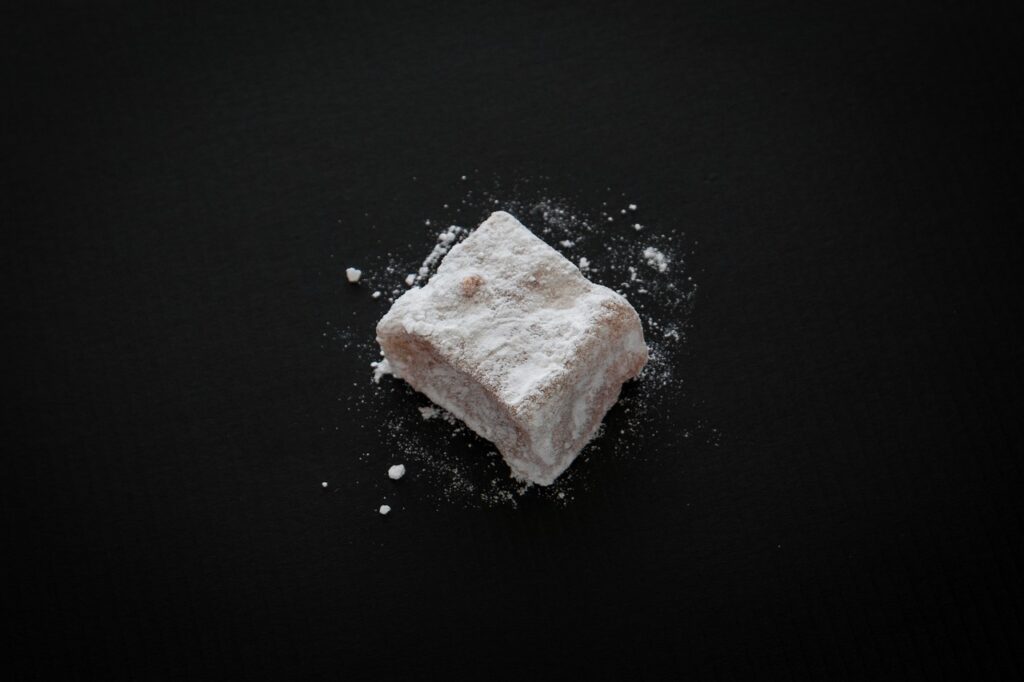
Lokum is eaten as a small sweet with coffee or tea, offered to guests, and given as a gift. It is served at room temperature in small cubes, dusted with powdered sugar, and meant to be savored slowly rather than eaten as a large dessert.

All Over Information
The All Over Information editorial team researches and writes practical English-language guides to Turkey. Facts are checked against official and local sources before publication, prices are published as dated ranges rather than quotes, and guides are revised when things change. We accept no sponsored posts, paid placements or paid links.
More guides like this

Where to Find the Best Manti (Turkish Dumplings) in Turkey
Manti are served all across Turkey, but the quality and the style change dramatically from region to region.

How to Make Authentic Ayran at Home
Ayran is the easiest authentic Turkish drink you will ever make, and the entire recipe is three ingredients: yogurt, water, and salt.

A Guide to Turkish Pastry Shops (Pastane)
If you spend any time in a Turkish city, you will notice glass-fronted shops filled with colorful cakes, cookies, and pastries. These…

The History Behind Testi Kebab (Pottery Kebab)
Testi kebab is a dish with a deep past and a thin paper trail.
Where to Find the Best Turkish Ice Cream (Dondurma) in Turkey
Dondurma is one of Turkey's most beloved treats, and it is also one of its most regional.

The History Behind Manti (Turkish Dumplings)
Manti are the oldest travelers on the Turkish table.