Turkish winters can be surprisingly cold, especially in Istanbul, Ankara, and the Anatolian heartland. Fortunately, Turkish cuisine responds with an entire repertoire of warming, hearty dishes designed for short days and long nights. Soups simmer on stoves, beans bubble in clay pots, and chestnuts roast on street corners. If you are visiting between November and March, these are the flavors that will keep you warm. This guide introduces the comfort foods Turks turn to when the temperature drops, so you know exactly what to order.
Soup: The Winter Staple
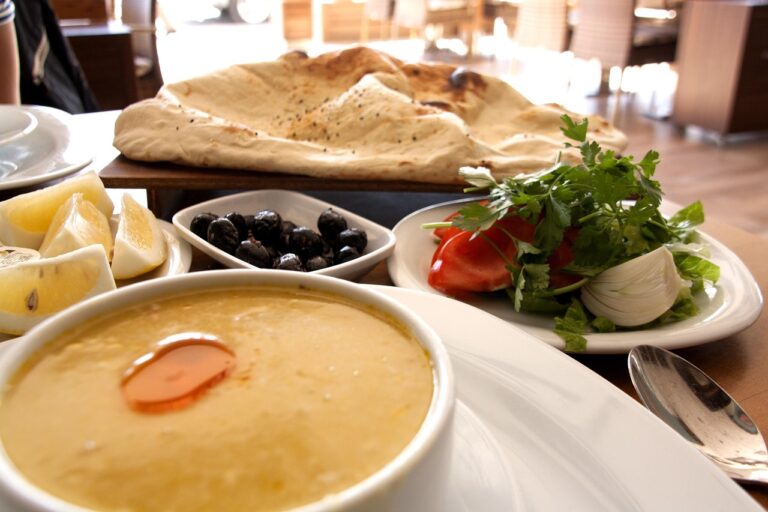
No cuisine takes soup more seriously than Turkish cuisine, and winter is soup season in full force. Mercimek çorbası, a smooth red lentil soup, is the most common and beloved, served in virtually every lokanta and home. It is simple, nourishing, and perfect with a squeeze of lemon and a slice of crusty bread.
Ezogelin çorbası, named after a legendary woman from Gaziantep, combines red lentils with bulgur and rice in a rich tomato base. It is slightly heartier than plain lentil soup and carries a gentle spice. Many Turks consider it the ultimate cold-weather remedy, and it is often garnished with dried mint and butter.
Tarhana is the great survivor of Anatolian winters. Fermented from yogurt, wheat, and vegetables, then dried and crumbled, it keeps for months without refrigeration. Rehydrated into a thick, tangy soup, it tastes of the autumn when it was made. Every region has its own recipe, and every grandmother swears hers is best.
Hearty Bean and Meat Dishes
Kuru fasulye, white beans slow-cooked with onions, tomato, and sometimes a piece of beef, is often called the national dish of Turkey. It is the classic winter lunch, served over rice with a side of pickles and bread. Despite its humble ingredients, it is deeply satisfying, and no two pots taste quite alike.
Etli nohut, chickpeas stewed with meat, offers a similar comfort with a different texture. Both dishes belong to the world of sıcak yemek, the hot main courses that define Turkish lunchtime. They are cooked slowly, so the flavors meld into something far greater than the sum of their parts.
These stews are at their best in neighborhood lokantas, where they sit in bain-maries behind glass and are served with a smile. You can ask for “yarım porsiyon,” a half portion, if you want to sample two dishes. Add rice, pickles, and a bowl of soup, and you have a perfect winter meal.

Mantı: Tiny Dumplings, Big Comfort
Mantı, the Turkish dumpling, is labor-intensive, which makes it a dish of love and cold nights. Tiny squares of dough are filled with seasoned minced meat, boiled, and topped with garlic yogurt, melted butter, and tomato or red pepper sauce. A dusting of dried mint and sumac finishes the plate.
The smaller the dumplings, the greater the cook’s skill, and some families roll them to the size of a thumbnail. Mantı is served with a spoon, mixing the sauces as you eat. The combination of warm dough, cool yogurt, and spicy butter is one of the great comfort-food experiences of Turkish cuisine.
Mantı is not strictly a winter dish, but it is particularly welcome when the weather turns cold. In Kayseri, the city most associated with mantı, winter afternoons are spent folding dumplings for the evening meal. For visitors, a bowl of mantı with a side of ayran is a meal that satisfies completely.
Güveç: Cooking in Clay
Güveç refers both to a clay pot and to the slow-cooked stews prepared inside it. Vegetables, meat, and sometimes beans are layered in the pot, sealed, and cooked over low heat until tender. The clay imparts a gentle earthy character and keeps everything moist and fragrant.
Testi kebabı, the dramatic cousin of güveç, is sealed with dough and cracked open at the table. The meat cooks in its own juices, emerging fork-tender and aromatic. While more common in Cappadocia and central Anatolia, it appears on winter menus across the country.
For home cooks, güveç is the essence of winter cooking: assemble, cover, and let time do the work. The dish fills the house with steam and spice, making the cold outside seem distant. In restaurants, it arrives bubbling at the table, and the first spoonful is always worth the wait.

Breakfasts That Fight the Cold
Turkish breakfast is legendary all year, but winter gives it extra purpose. Menemen, eggs scrambled with tomatoes, peppers, and sometimes cheese, is served bubbling in a small pan. It is eaten with bread straight from the pan, and it warms you from the inside out.
Sucuklu yumurta, eggs fried with slices of garlicky beef sausage, is another cold-weather favorite. The sausage is sautéed until crisp, then the eggs are cracked over it and cooked until just set. Served with bread, cheese, and olives, it turns breakfast into a proper winter event.
Kavurma, meat slow-cooked in its own fat and preserved, appears on many winter breakfast tables in central and eastern Anatolia. It is rich, salty, and intensely savory, perfect with eggs or tucked into bread. Alongside honey, jam, and clotted cream, it anchors the savory side of the morning spread.
Street Warming: Chestnuts and Corn
When winter arrives, Istanbul’s streets fill with the smoke of roasting chestnuts. Vendors roast kestane over charcoal in perforated drums, calling out to passersby. The nuts are peeled hot, their sweet flesh a portable pocket of warmth in the cold air.
Corn, mısır, is boiled or grilled at the same street corners, brushed with salt and sometimes served with a squeeze of lemon. It is simple, cheap, and deeply comforting, the kind of snack that makes a winter stroll more pleasant. Locals buy both without ceremony, eating them straight from the paper wrapper.
These street foods are seasonal, appearing with the first cold weather and disappearing in spring. If you see a chestnut vendor, stop. The smell alone is worth it, and eating them while walking through an old city street is one of winter’s small pleasures.
Sweet Winter Drinks
Turkish winter drinks deserve their own attention. Boza, a thick, fermented wheat drink with a sour-sweet flavor, is traditionally consumed in cold months. It is served chilled or at room temperature, topped with cinnamon and roasted chickpeas, and has been enjoyed in Istanbul since Ottoman times.
Salep, a hot, creamy drink made from orchid root powder, is the definitive winter warmer. It is sweetened, dusted with cinnamon, and sipped slowly from a small cup. Because genuine salep is scarce, many cafés serve imitations, but the experience remains delightful on a freezing day.
These drinks are best enjoyed in a busy café or street stall, where the steam rises against the cold air. Boza vendors are especially atmospheric, wheeling their barrels through neighborhoods in the evening. Both drinks are seasonal, so winter visitors should seize the chance to try them.
Hearth Cooking and Family Tables
Turkish winter food is deeply tied to the hearth, the center of traditional homes. Dishes like bulgur pilaf with meat, and stuffed vegetables, dolma, are prepared in large quantities and shared. The winter table is generous, with soups, stews, pickles, and bread appearing together.
Regional traditions add further warmth. In the Black Sea region, hamsi, the anchovy, becomes a winter obsession, fried, baked, and stuffed into pilaf. In the southeast, winter brings spicy kebabs and lentil dishes designed to ward off the cold. In Konya, the famous etli ekmek, a long flatbread with minced meat, does the same job.
For visitors, the lesson is to follow the seasons. Eat what locals are eating when the weather turns cold, and you will taste Turkey at its most authentic. The winter menu is different from the summer one, and that difference is precisely what makes it special.

Where to Find Winter Comfort Food
Neighborhood lokantas serve the full range of winter classics, from lentil soup to kuru fasulye, at reasonable prices. These casual eateries are where workers eat lunch, and their menus change with the season. Point at what looks good, and you will rarely be disappointed.
For breakfast, look for cafes advertising serpme kahvaltı, the spread-style breakfast served on a large tray. Menemen and sucuklu yumurta are always available, and the variety will keep you warm and full for hours. In smaller towns, ask at your accommodation for the local favorite.
Street vendors add the finishing touch: chestnuts, corn, boza, and salep appear on winter corners across the country. Together, restaurant food and street food give you a complete picture of Turkish winter eating. Let the cold guide your choices, and you will eat better than any guidebook itinerary could manage.
A Winter Food Plan for Visitors
Start your day with menemen and strong tea, warming up slowly. For lunch, choose a lokanta and order soup followed by kuru fasulye with rice and pickles. In the afternoon, grab roasted chestnuts from a street vendor, and finish with a glass of boza or salep.
For dinner, seek out a güveç or testi kebab for a slow-cooked, steaming main course. If you are adventurous, try mantı with garlic yogurt, or a regional specialty like hamsi pilav in the Black Sea style. End the meal with a warm, syrup-soaked dessert and another cup of tea.
The golden rule of Turkish winter eating is simplicity: eat what is hot, eat what is local, and eat what the season offers. The food is designed for exactly these conditions, which is why it tastes so right. Cold weather, it turns out, is one of the best reasons to visit Turkey.
Frequently asked questions
What is the most common Turkish winter soup?
Red lentil soup, mercimek çorbası, is the most common and appears on nearly every lokanta menu. It is smooth, warming, and served with lemon. Ezogelin and tarhana soups are also winter favorites, each with a distinct regional character.
Is kuru fasulye really the national dish?
It is often called the national dish because it is eaten everywhere, from home kitchens to high-end restaurants. White beans stewed with tomato, onion, and sometimes meat are served with rice and pickles. Its popularity is based on taste, comfort, and affordability.
Where can I try boza and salep?
Boza and salep are sold by street vendors and in traditional cafés, mainly during winter. Look for vendors in busy neighborhoods and near markets in the evening. Salep is also available at many cafés that serve Turkish coffee and desserts.

All Over Information
The All Over Information editorial team researches and writes practical English-language guides to Turkey. Facts are checked against official and local sources before publication, prices are published as dated ranges rather than quotes, and guides are revised when things change. We accept no sponsored posts, paid placements or paid links.
More guides like this

The Ultimate Guide to Adana Kebab
Adana kebab is the most famous of all Turkish kebabs, a long, hand-pressed skewer of minced lamb, seasoned with hot red pepper,…

Where to Find the Best Kazandibi Dessert in Turkey
Kazandibi is one of the easiest Turkish desserts to find, because it is a staple of pastry shops and restaurant menus across…

How to Make Authentic Cig Kofte at Home
Making authentic cig kofte at home is a commitment of time and arms, but the reward is a plate of the most…
The History Behind Baklava
Few desserts carry as much history as baklava, and few histories are as hotly debated. Nations from the Balkans to the Levant…
How to Make Authentic Pide at Home
Making pide at home is a satisfying project that brings the warmth of the Turkish oven into your kitchen. The dough is…
The Ultimate Guide to Turkish Pilav
Pilav is the quiet backbone of the Turkish table. While the kebabs and the mezes get the attention, the bowl of perfectly…