Family is the first thing you will notice about Turkish society, and the last thing you will fully understand. Turks speak about relatives constantly, visit parents every weekend, and make decisions with the family in mind. For visitors from cultures where family is a private matter, this can be surprising. This guide explains the structure of Turkish families, the rules that govern them, and how you can fit in as a guest. By the end, the family life around you will make sense.
The First Family You Meet
Your first contact with Turkish family life may be small. A shopkeeper shows you a photo of his children, a colleague leaves early for a family dinner, a taxi driver talks about his mother. These are not random comments: they are the surface of a culture where family identity is always present.
Every Turk carries their family into public life. People introduce themselves through their hometowns and relatives, and family status matters in business and social settings. The question of whose family you come from is rarely far away.
The practical consequence is that conversations in Turkey often turn to family. Ask about children, parents, and siblings, and you will make friends quickly. The warmth you receive will increase whenever you show interest in the family stories people want to tell.
The Extended Family Network
The Turkish family is not the small nuclear unit familiar in the West. It is a wide network of grandparents, aunts, uncles, and cousins who are all deeply involved in each other’s lives. A child may have twenty close relatives, and each one has a role.
This network operates as a system of mutual support. Family members help each other find jobs, lend money, provide childcare, and care for the elderly. When a family member marries or dies, the whole network gathers. When a young couple needs help, both families provide it.
For you as a visitor, the network explains the crowds at Turkish gatherings. The wedding with five hundred guests, the hospital room full of relatives, the endless family dinners: all are the network in action. Understanding this helps you read Turkish social life.
Respect for Elders Explained
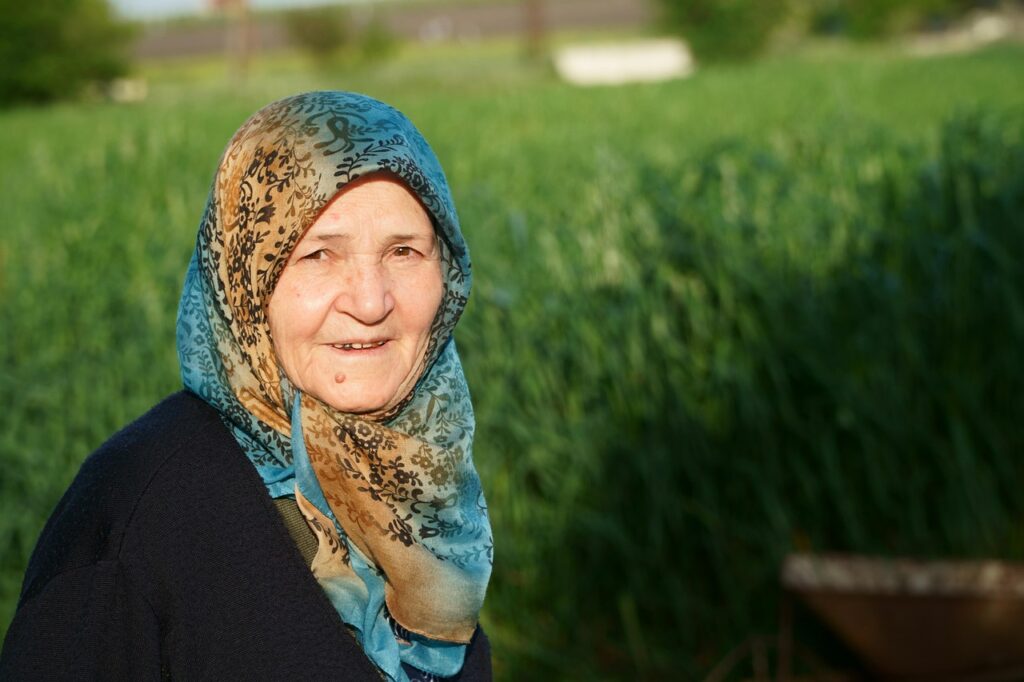
Respect for elders is the most visible rule of Turkish family life. Older people are treated with deference everywhere: they are greeted first, served first, and given the best seats. In the family, grandparents hold real authority, and their opinions on marriage, money, and careers are sought.
The greetings have specific forms. Younger people kiss the hands of their elders and touch the hand to the forehead. Children are taught from infancy to show this respect, and it extends beyond the family to all older people.
For visitors, the rule is simple: show deference to the elderly. Greet them first, let them pass first, and listen when they speak. Your respect will be noticed, and Turkish families will warm to you quickly when they see it.
Family Meals and Their Meaning
The family meal is the daily ritual of Turkish family life. In traditional households, the whole family eats together, sharing dishes from the center of the table. The meal is long, loud, and full of conversation, and it is not finished quickly.
The meal’s meaning is togetherness. The food is shared, the talk is free, and the generations mix at one table. Sunday lunch at the grandparents’ home is a weekly institution, and holidays are marked by family feasts.
When you are invited to a family meal, you are being welcomed into the ritual. Eat, talk, and stay for the conversation. The meal is how the family renews itself, and your presence there is a genuine honor.

Greetings and Formality
Turkish family life has its own forms of greeting and address. Relatives use intimate terms for each other, and the vocabulary of family titles, for mother, father, grandmother, and grandfather, carries real warmth. The words are used constantly in daily speech.
The formality between generations is real but warm. Young people use respectful forms with elders, while members of the same generation are easy and informal. The balance of warmth and respect is the pattern of Turkish family interaction.
For visitors, learning a few family words opens doors. Saying the word for grandmother or uncle to an older person is a small act of respect with a large effect. The family vocabulary is the key to the culture’s warmth.
Family Visits and Customs
Visits between family members are the heartbeat of Turkish family life. Weekly visits to parents are the norm, and unannounced visits between close relatives are welcome. The visitor is greeted with tea and food, and the visit is unhurried.
The customs around visits are specific. Guests are offered the best seat, served first, and pressed to eat. The visit includes a long conversation, and leaving quickly is considered rude. The ritual of the visit is the family at its most characteristic.
For visitors, accepting family invitations is the best way into Turkish life. A visit to a Turkish home is a lesson in hospitality, warmth, and family. Accept it when you can, and bring a small gift.

The Question of Marriage
Marriage in Turkey connects two families, not just two people. Family approval is sought, the engagement is a formal event, and the wedding is a public celebration of both households. The families invest in the marriage and expect it to last.
The path to marriage varies. In some families, the parents play a central role in introductions, while in others, young people choose freely. In most cases, the families meet, approve, and celebrate together, and the wedding is the summit of family life.
For visitors, weddings are the grandest window into Turkish family values. If you are invited, you will see the family network at full strength. The celebration is the family’s announcement of its unity and pride.
Children and Grandchildren
Children are the center of the Turkish family, and they are treated with affection and attention wherever they appear. In restaurants, on buses, and at family gatherings, children are welcomed, played with, and adored by the whole circle of relatives.
Grandparents play a major role in raising children. Grandmothers often provide daily childcare, and the bond between grandparents and grandchildren is one of the warmest in Turkish life. The older generation passes on language, tradition, and values.
For visitors, this explains the presence of children everywhere in Turkey. The family is built around them, and the attention they receive is the family’s future investment. The warmth shown to children is the warmth of the culture itself.

Privacy and Public Life
Turkish family life is lived publicly as well as privately. Families gather in parks, restaurants, and tea gardens, and the family group is a constant sight in public spaces. The family is not hidden behind closed doors: it is on display.
At the same time, the family protects its privacy. Family matters are discussed within the family, and outsiders are not invited into domestic conflicts. The boundary between the public warmth and the private core is respected.
For visitors, the lesson is to respect that boundary. Enjoy the public warmth, accept the invitations, but do not probe into private family matters. The balance of openness and privacy is part of the family’s strength.
How to Fit In
Fitting into Turkish family life is easier than you might think. Show respect to elders, take an interest in children, and ask about relatives. Accept invitations, bring small gifts, and praise the food. These simple behaviors align you with the culture’s deepest values.
Learn a few family words and greetings. The Turkish words for thank you, welcome, and the family titles will carry you far. Effort is noticed and rewarded.
Finally, be patient with the pace. Turkish family life is unhurried, and the long conversations are part of the point. Slow down, join in, and the family warmth will embrace you. You may arrive as a tourist and leave as a friend.
Family Celebrations and Rituals
Turkish family life is punctuated by celebrations that bring the whole network together. The two religious festivals, bayram, are the great family occasions of the year: homes are visited, sweets are offered, and children receive gifts and money. The holidays are so firmly family events that the cities empty as people travel to their hometowns.
The rituals of daily family life are equally strong. Engagements, weddings, births, and circumcisions are marked with gatherings that can involve the entire extended family and much of the neighborhood. Each event has its customs: the gold gifted at weddings, the sweets shared at births, the formal visits of condolence after a death. These rituals bind the family together across the years.
For visitors, the celebrations are the best introduction to Turkish family warmth. If you are present during a festival or invited to a celebration, you will see the family at its most joyful. The rituals may be unfamiliar, but the welcome will be unmistakable, and the memory will stay with you long after you leave.
Frequently asked questions
Why is the extended family so involved in Turkish life?
The extended family is the primary unit of identity and support in Turkey. Relatives help each other with work, money, childcare, and care for the elderly, and family gatherings are the center of social life. This network gives security and belonging that visitors often find remarkable.
How should I greet older Turkish people?
Show deference. Greet elders first, let them pass through doors ahead of you, and listen when they speak. In many families, younger people kiss the hands of elders as a greeting. Your respect for older people will be noticed and warmly appreciated.
What should I do if I am invited to a Turkish family home?
Accept the invitation, arrive on time or slightly late, and bring a small gift such as sweets or flowers. Praise the food, engage in the conversation, and do not leave immediately after eating. The visit is a ritual of hospitality and family warmth.

All Over Information
The All Over Information editorial team researches and writes practical English-language guides to Turkey. Facts are checked against official and local sources before publication, prices are published as dated ranges rather than quotes, and guides are revised when things change. We accept no sponsored posts, paid placements or paid links.
More guides like this

The Sacrifice Feast (Kurban Bayrami) Explained
Kurban Bayrami, known in English as the Feast of Sacrifice, is the most significant religious holiday in the Turkish calendar.
Understanding Traditional Turkish Folk Instruments
Turkish folk music is carried by a family of instruments that most visitors hear before they ever see them: the twang of…

Understanding Turkish Naming Traditions
Every culture has its own way of naming children, and Turkey's is one of the most expressive in the world. A Turkish…

How the Turkish Republic Was Founded
The Republic of Turkey was not born in a single moment.

Turkey’s Agricultural Heartlands Explored
Turkey is one of the great agricultural countries of the world, a land where the Fertile Crescent's first farmers found their footing…

Understanding the Hittite Empire: A Beginner’s Guide
If you are new to ancient history, the Hittite Empire is one of the most rewarding civilizations to discover, and it happened…