Çıralı is a small village, and the first question travelers ask — “which neighborhood should I stay in?” — has a slightly different answer than it does in a big city. There is no old town and no resort quarter; instead there are a few distinct micro-neighborhoods, each with its own character, and the choice between them is really a choice about the texture of your days: how close you want to be to the beach, whether you want the village lanes or the orchard quiet, and how much you are willing to trade convenience for charm. This guide maps the areas of Çıralı, explains the kinds of places you will find in each, and helps you match your accommodation to the way you want to spend your holiday.
The Layout of the Village
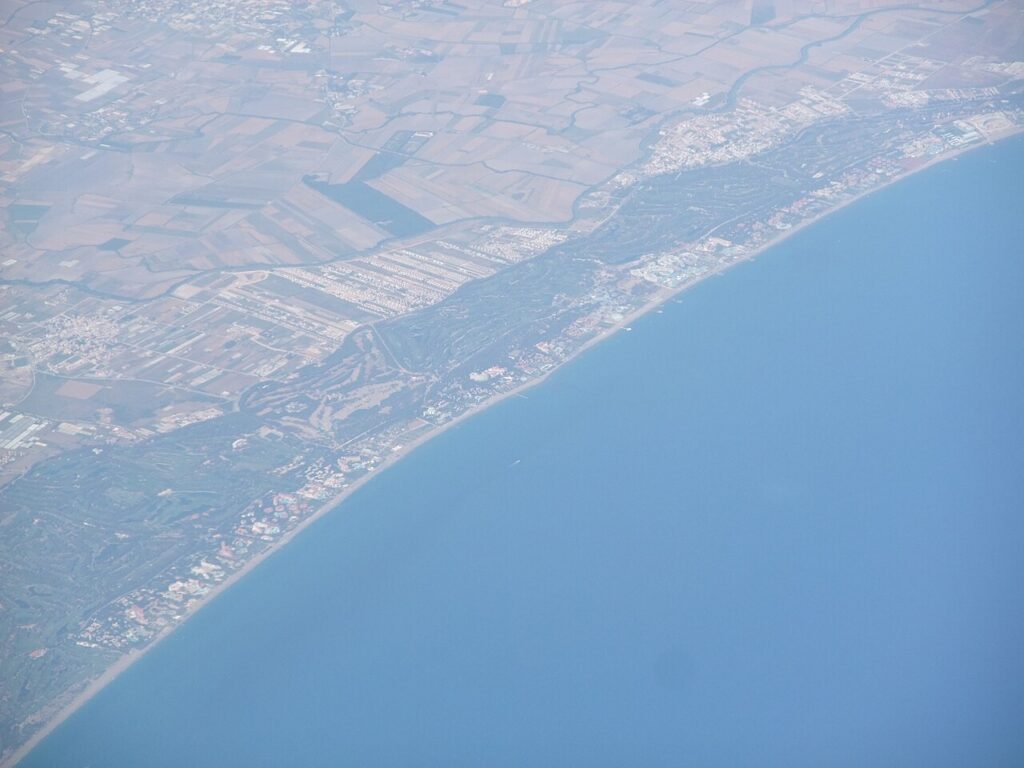
Çıralı runs along the coast in a loose, organic way, between the beach and the forested slopes of the mountains. Three zones matter:
- The beachfront and the beach access lanes — the places nearest the sand, with the easiest beach mornings and the busiest summer evenings.
- The village core — the lanes around the mosque and the main road, the working heart of the community, with the shops, the tea gardens, and the restaurants.
- The orchard and garden compounds — the accommodation set back among the citrus and the pomegranate trees, quieter and greener, a short walk or drive from the beach.
Within these, the guesthouses, pensions, bungalows, and small hotels are scattered on a human scale — everything is within a few minutes’ walk of everything else, so the “neighborhood” choice is about atmosphere more than logistics.

The Beachfront Zone: Roll Out of Bed and Swim
The guesthouses and pensions on or very near the beach access points are the first choice for many visitors, and it is easy to see why. The morning is the best hour on the beach, and staying beachfront means you get it without the walk — a cup of coffee and you are on the sand before the day heats up.
What you get: immediate beach access, the sound of the sea, and the easiest possible beach-day logistics — back to the room for a towel, a hat, a forgotten snack, or a shower before lunch. The best of these places have garden terraces that run down toward the dunes, and in summer the beachfront lanes are where the village’s evening life clusters.
The trade-off: the beachfront is the busiest part of the village in summer, the prices are at the top end of the village scale, and the turtle-nesting protection means the beachfront areas are kept dark and quiet at night in season — which suits most people but is worth knowing.
Who it suits: beach-first travelers, families who want the sand at the doorstep, and anyone who measures a good holiday in swimming hours.

The Village Core: In the Middle of the Life
The village core — around the mosque, the main road, and the cluster of shops and restaurants — is where the daily life of Çıralı happens. Staying here puts you in the middle of it: the bakers and the grocers, the tea garden conversations, the restaurant strip, and the village’s ordinary rhythm.
What you get: the most genuine version of Çıralı, the easiest access to the restaurants and the shops, and a feel for the working village that the more secluded compounds don’t give you. Many of the village guesthouses have lovely gardens tucked behind their frontages, so the location is livelier than the accommodation feels.
The trade-off: you are a few minutes’ walk from the beach rather than on it, and in the evenings the village lanes carry a little more life. For most travelers this is a feature — the village core is where the evening social life, such as it is, actually happens.
Who it suits: travelers who want the restaurants and the village life close at hand, first-timers who like being in the middle of things, and anyone who wants to feel part of the community rather than beside it.
The Orchard and Garden Compounds: The Quiet Quarter
Set back from the beach and the main road, among the citrus and pomegranate orchards and the gardens, are the village’s most peaceful places to stay. These are the guesthouses and pensions that the travelers who come back year after year tend to prefer: green, shaded, and quiet, with the sounds of the birds and the trees rather than the village lanes.
What you get: the true Çıralı atmosphere — waking to the smell of the orchard, breakfast on a terrace under the fruit trees, and the sense of being in the countryside that happens to have a beach at the end of the path. The gardens are the accommodation’s best feature, and the seclusion is real.
The trade-off: you are a five-to-fifteen-minute walk from the beach and the restaurants, and the lanes are unpaved and unlit at night — a torch and comfortable shoes matter. Many of these places run their own kitchens and shuttle you to the beach with a golf buggy or a lift, which softens the distance.
Who it suits: couples and romantics, travelers who value quiet and greenery over proximity, repeat visitors, and anyone whose idea of a holiday is a hammock in a garden rather than a sunbed on the sand.

The Practical Comparisons
Proximity to the beach
- Beachfront: seconds to minutes.
- Village core: a short walk (2–5 minutes).
- Orchard compounds: 5–15 minutes, often with a guesthouse lift.
Atmosphere
- Beachfront: the sea, the sand, the summer energy.
- Village core: the working village, the shops, the restaurants.
- Orchard compounds: quiet, green, secluded.
Price (relative)
- Beachfront: top end of the village scale.
- Village core: mid-range, wide choice.
- Orchard compounds: mid-to-high, value in the setting.
Best for
- Beachfront: beach-first travelers, families, swimmers.
- Village core: first-timers, food-lovers, anyone who wants to feel in the middle of it.
- Orchard compounds: couples, repeat visitors, quiet-seekers.
The Kinds of Places to Choose From
Beyond the neighborhoods, the style of accommodation matters as much as the location:
- Family guesthouses and pensions. The village’s bread and butter: family-run, garden-terraced, breakfast included, and genuinely hospitable. The host is a source of information — the flame timing, the boat bookings, the day-trip logistics.
- Small hotels and boutique pensions. A step up in polish, with pools, design, and a slightly more curated feel, while staying true to the village scale. These are the top end of the Çıralı market.
- Bungalows and cabins. Simple, self-contained wooden and stone cabins, some with private bathrooms and small kitchens, scattered through the gardens. A good middle ground for families and longer stays.
- The orchard retreats. The most atmospheric options — a handful of rooms or cabins in a garden, with an emphasis on the setting and the slow pace.
Booking Tips for Cirali
- Book ahead in summer. The village fills in July and August, and the best guesthouses — especially the beachfront and the popular orchard compounds — go weeks in advance.
- Ask about breakfast. The included breakfast is the village norm, and it is one of the best things about staying here — the terrace spreads with the local produce are worth planning around.
- Confirm the beach access. If the beach is the priority, ask how far the guesthouse is from the sand and whether they provide beach towels, a lift, or sunbeds.
- Ask about the turtles. In the nesting season, the beach management affects the evening access; a good host will explain it and make it part of the story rather than a problem.
- Consider the season. The shoulder seasons (May, June, September, October) give the best value and the calmest beaches; summer is the full version at the top prices.
The Takeaway
The neighborhood choice in Çıralı is a gentle one — the whole village is within walking distance, and the differences are matters of atmosphere rather than logistics. Sleep by the beach if you want the sea at your door, in the village core if you want the life and the restaurants around you, or in the orchard gardens if you want the quiet and the greenery. Whichever you choose, the same things wait for you: the beach, the ruins, the flame, and a village that treats its guests like neighbors. The only wrong choice is the one that does not match the way you like to travel — and even that is easily corrected, because in Çıralı, everywhere is close to everywhere else.
Frequently asked questions
Where is the best area to stay in Cirali?
The beachfront for the easiest beach days, the village core for the restaurants and the village life, and the orchard compounds for the quiet and the greenery. All three are within walking distance of everything.
Is Cirali walkable?
Very. The village is compact, and the beach, the restaurants, and the lanes are all within a short walk of each other.
Which area is best for families?
The beachfront, for the sand at the doorstep and the easiest beach logistics.
Which area is best for couples?
The orchard and garden compounds, for the privacy, the greenery, and the quiet.
Are there hotels in Cirali?
The village has small hotels and boutique pensions alongside the family guesthouses and bungalows — all on a village scale, with nothing resembling a large resort.
How far is Cirali from the Olympos ruins?
About two to three kilometers — a five-minute drive or a forty-minute beach walk.

All Over Information
The All Over Information editorial team researches and writes practical English-language guides to Turkey. Facts are checked against official and local sources before publication, prices are published as dated ranges rather than quotes, and guides are revised when things change. We accept no sponsored posts, paid placements or paid links.
More guides like this
Family-Friendly Activities in Cirali
Çıralı is the family destination of the Olympos area — the place that gives you the wild beach, the ancient city, and…
Top 10 Things to Do in Cirali
Çıralı is a small village with a disproportionate amount to offer — the kind of place where a week barely feels like…

Cirali in Summer: A Complete Travel Guide
Summer is when Çıralı is at its fullest — the beach the reason everyone comes, the village alive with travelers from every…
Cirali on a Budget: Money-Saving Travel Tips
Çıralı is one of the best-value places on the Turkish coast, and it is the kind of destination where a budget traveler…

Best Local Restaurants in Cirali
Çıralı's restaurant scene is one of the village's great underrated assets — and the reason many travelers who plan to stay in…