Summer is when Çıralı is at its fullest — the beach the reason everyone comes, the village alive with travelers from every continent, the evenings long and warm, and the flame drawing its nightly pilgrims up the mountain. It is also the hot, busy, and expensive season, and the one that rewards planning more than any other. This guide is the complete summer handbook: what the weather and the crowds really do, how to handle the heat, how to get the most from the beach, the ruins, the flame, and the boats, and the practical details that make a summer Çıralı trip run smoothly instead of frazzled.
Summer in Cirali: The Reality
The weather. The Mediterranean summer is long, hot, and dry. From late June through September, expect:
- Daytime highs: 30–35°C, with the hottest weeks in July and August. The village’s gardens and trees soften it a little, but the heat is real.
- Nights: warm, often 22–25°C, so evenings are balmy and the terrace dinners run late.
- Rain: essentially none from June through August. Summer is the dry season; the beach days are dependable.
- The sea: the real attraction. Water temperatures climb through June and July to about 26–28°C in August, and stay beautifully warm into October.
The crowds. Çıralı never becomes a mass-market resort — the village is small and the beach is protected — but summer brings its peak. The guesthouses fill, the beach gets busy in the middle of the day, and the good restaurants need booking. It is the social, vibrant version of the village, and for many travelers that is exactly the point.
The prices. Summer is the peak season, and accommodation and transport prices rise accordingly. Booking ahead — ideally weeks in advance — is essential.

The Summer Days: What Actually Happens
A good summer day in Çıralı follows the heat. The rhythm is: early mornings for the walking and the sightseeing, middays for the water, late afternoons for the beach and the ruins, and evenings for the flame and the village’s long dinners.
The morning: beat the heat. Start early. The ancient city of Olympos is at its best in the first cool hours — the light is clean and the site is quietest before the crowds. A dawn or early-morning visit, reached by the spectacular beach walk, is the single best piece of advice for a summer trip. By ten or eleven, the day turns toward the sea.
The middle of the day: the water. This is what summer Çıralı is for. The beach — long, sandy, and protected — is the center of the action: swimming, snorkeling, sunbathing, and the café stop for gözleme and cold drinks. The turtle nesting zone at the back of the beach adds a conservation story to the day. Water shoes, sunscreen, and a hat are non-negotiable.
The afternoon: the lazy hours. The late afternoon is for the second swim, the hammock in the garden, or a walk along the beach. This is also the good time for a boat trip, with the sea at its calmest.
The evening: the flame. As the sun drops, the village stirs again. The climb to the flame of Chimaera — about thirty to forty minutes up the marked path from the car park above the village — is the evening ritual, timed to arrive as darkness falls. The flames on the hillside in the summer dusk, with the coast below and the stars above, are the moment most people remember forever.
The night: dinner and the dark beach. Back in the village, the garden restaurants fill, and the long Mediterranean dinner — meze, grilled fish, tea, and conversation — runs late. After dinner, the beach in the dark for the stars is the perfect close to the day.

The Summer Essentials List
- Sunscreen and a hat. The summer sun is fierce, and the beach offers limited shade. Reapply; the sand and the sea reflect the light.
- Water shoes. The beach and the coves are pebbly in places, and the ruins are rough. Good water shoes save your feet all day.
- Swimwear and a towel. The summer day revolves around the water.
- A torch (flashlight). Essential for the flame descent and the summer evenings.
- Mosquito repellent. The village’s orchards and water breed mosquitoes at dusk. Repellent is the difference between a lovely evening and a scratchy night.
- Plenty of water. Carry more than you think you need for the walks, the beach, and the flame climb.
- Cash. Summer is when the village economy runs, and the small shops and cafés prefer cash.
- A light layer. Even in July, the evenings by the sea can cool enough that a thin jumper is welcome.
Making the Most of Summer’s Highlights
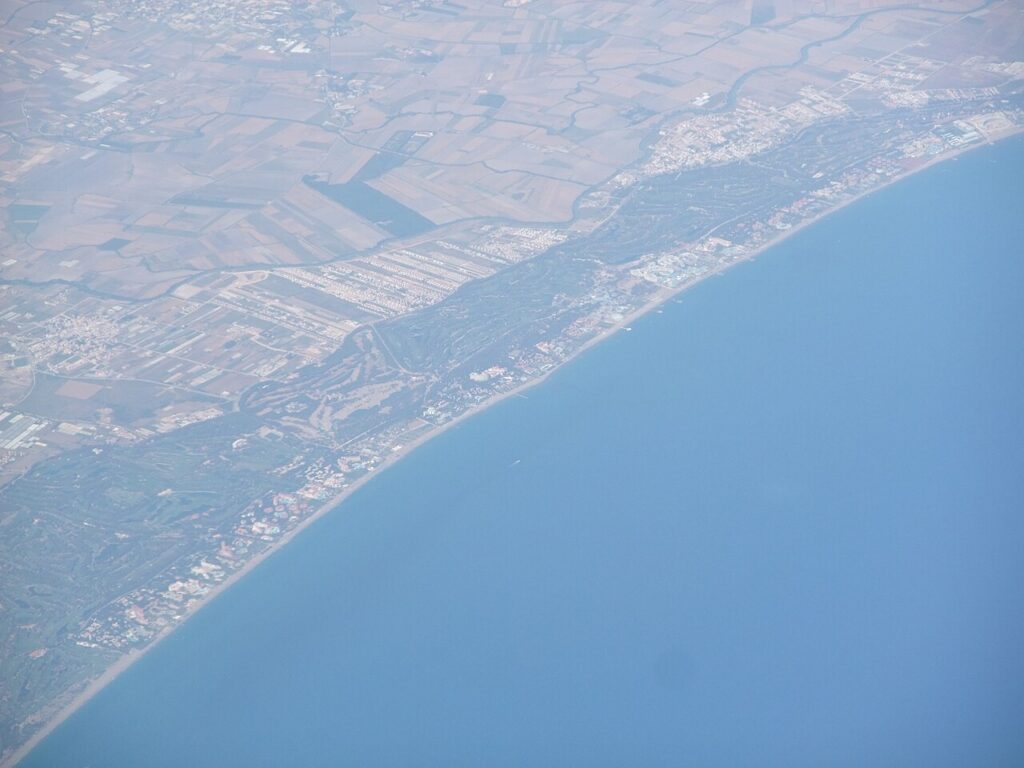
The beach. Summer is the beach season, full stop. Get there early for the best spot, bring everything you need for the day, and embrace the wild, unspoiled version — no sunbed empires, no beach bars lined up, just the sand, the water, and the forest behind you. The few cafés near the access points do gözleme, salads, and cold drinks for the midday break.
The ruins. Visit early. The summer heat makes the middle of the day brutal, and the crowds make it busy. The early morning — with the beach walk as the approach — is cooler, emptier, and better lit for photographs.
The flame. Go on a weekday if you can, and start the climb late enough that you arrive as the light fails. Bring a torch and enough water. The summer evenings are the busiest, but the flames never disappoint.
The boats. A boat day is the summer’s classic excursion. The half-day and full-day trips from the village and the nearby harbors stop at the coves, the sea caves, and the swimming spots you cannot reach by land. Book a day ahead in the peak weeks, take your towel and snorkel, and let the boat do the work.
The river. The stream that runs through the village and the pools above the Olympos ruins are summer’s secret weapon — cold, clear, spring-fed water that offers a natural contrast to the warm sea. Follow it and you find swimming holes the beach crowd never reaches.

Handling the Heat
- Plan around it. The summer day has a rhythm: sightsee in the morning, swim at midday, rest in the afternoon heat, walk and socialize in the evening.
- Hydrate constantly. The heat, the walking, and the swimming all dehydrate. Carry water everywhere.
- Protect the feet. The sand and the pebbles get hot, and the rocks around the coves are unforgiving. Water shoes and sturdy sandals are the summer uniform.
- Mind the mosquitoes at dusk. This is the summer’s one real annoyance. Repellent on before the evening walk, and a long-sleeved layer if the bugs are bad.
- Respect the turtles. In the nesting season, the back of the beach is protected at night. Keep it dark and quiet — the conservation story is part of the place.
Booking and Planning for Summer
- Book accommodation early. The best guesthouses and pensions fill weeks, sometimes months, ahead for the peak weeks. Reserve as soon as your dates are fixed.
- Book the restaurants. The popular garden restaurants fill for dinner in July and August. A message earlier in the day sorts it.
- Book the boat ahead. In the peak weeks, the good boat days sell out. Book a day or two in advance.
- Give yourself the days. A summer Çıralı trip works best with at least three nights: one for the ruins and the flame, one for a boat day, and one for the pure beach-and-do-nothing version.
Summer Day-Trips
Summer is also the season for the day trips — the long daylight hours make the drives easy, and the beaches and sites of Phaselis, Patara, Kekova, and Kas are all at their prime. See the dedicated day-trip guide for the full rundown; in summer, the combination of warm water and long evenings makes every option attractive.
The Takeaway
Summer is Çıralı at its fullest: the warmest sea, the liveliest evenings, the beach the reason everyone came, and the flame drawing its crowds. It asks for planning — book ahead, beat the heat, carry water and sunscreen — and repays it with the complete Mediterranean summer: wild beaches, ancient ruins in golden light, and evenings that run long in the garden restaurants. Follow the rhythm of the heat — early for the ruins, midday for the water, dusk for the flame — and you will have the holiday the postcards advertise, with the real village underneath it.
Frequently asked questions
How hot does it get in Cirali in summer?
Daytime highs reach 30–35°C in July and August, with warm nights and no rain. The village’s gardens soften it a little, but the sun is fierce.
Is the sea warm enough to swim in June?
Yes — by June the sea is inviting, and it reaches its warmest (26–28°C) in August and September.
Is Cirali very crowded in summer?
Busy, yes, but never a resort crowd. The village is small and the beach is protected; summer is the social season rather than a mass-market one.
Do I need to book accommodation in advance in summer?
Absolutely. The best guesthouses fill weeks ahead in July and August.
Is the flame walk safe at night in summer?
Yes, with the basics: a torch, water, sturdy shoes, and company if you prefer. The path is marked and well-trodden in summer.
What is the best time of day for the Olympos ruins in summer?
Early morning — cooler, emptier, and with the best light. By midday the heat and the crowds build.

All Over Information
The All Over Information editorial team researches and writes practical English-language guides to Turkey. Facts are checked against official and local sources before publication, prices are published as dated ranges rather than quotes, and guides are revised when things change. We accept no sponsored posts, paid placements or paid links.
More guides like this

Nightlife Guide to Cirali
Let's be clear about what nightlife means in Çıralı, because the village has nothing to do with neon, DJs, and queues —…
A First-Timer’s Guide to Cirali
" Çıralı — spelled Cirali in English — is the village at the northern end of the same wild beach, a working…
Photography Spots in Cirali You Can’t Miss
Çıralı is a photographer's gift wrapped in a working village.
Family-Friendly Activities in Cirali
Çıralı is the family destination of the Olympos area — the place that gives you the wild beach, the ancient city, and…
How to Get to Cirali from Istanbul
Getting from Istanbul to Çıralı is a proper journey — more than a thousand kilometers as the road runs, and several ways…

48 Hours in Cirali: The Perfect Itinerary
Two days in Çıralı is exactly the right amount to see the area's three great things — the beach, the ancient city…