Turkey has one of the oldest wine cultures in the world, yet its vineyards remain a pleasant secret for most travelers. The country sits on the same latitude as Italy and southern France, grows hundreds of native grape varieties, and has been making wine since long before the Ottomans. In recent decades, a new generation of wineries has modernized the industry, and visiting them has become one of the most rewarding off-the-beaten-path experiences in Turkey. This guide introduces the wine regions worth visiting, what to expect at Turkish wineries, and how to plan a tasting trip through the country’s vineyards.
Why Turkish Wine Deserves Your Attention
Turkey grows more grapes than almost any other country, though only a small fraction is vinified. The serious wine industry is compact, quality-focused, and full of character. The native grape varieties, names you will not find in France or Italy, are the real draw for curious drinkers.
Okuzgozu, the dark-skinned variety meaning bull’s eye, and Bogazkere, meaning throat burner, are the two great reds of eastern Anatolia. Narince, a white from the same region, and Emir, a crisp white from Cappadocia, lead the whites. Each region has its own local specialties, and tasting them side by side is a crash course in Turkish viticulture.
Anatolia’s high plateau brings hot, dry summers and cold winters, with big day-night temperature swings that concentrate flavor in the grapes. The result is wines with pronounced aromas and firm structure, increasingly polished as winemakers refine their techniques.
The Aegean: The Historical Heartland
The Aegean region, especially around Izmir, is where modern Turkish wine re-established itself. Ancient Ionia and Lydia were famous for wine, and the tradition never fully died. Today, vineyards spread across the hillsides of Urla, Cesme, and the peninsula west of Izmir, within easy reach of the airport.
Urla has become the center of a small wine renaissance, with a cluster of boutique wineries on the peninsula, many with tasting rooms and restaurants overlooking the vines. The maritime climate brings cooling breezes, and the local Karasakiz grape, also known as Kalecik Karasi in other regions, produces fresh, aromatic reds that pair beautifully with Aegean food.
A day trip from Izmir can easily include two or three winery visits, with lunch at one of them, and the region is close to the ancient city of Ephesus, one of the most spectacular archaeological sites in the Mediterranean.

Cappadocia: Wine in the Land of Fairy Chimneys
Cappadocia, the surreal volcanic landscape famous for its cave dwellings and hot-air balloons, is also one of Turkey’s oldest wine regions. The volcanic soil is ideal for viticulture, and cool nights and sunny days produce grapes with bright acidity and distinctive minerality.
The signature grape is Emir, a white variety grown on the high plateau that makes fresh, citrusy wines perfect for summer drinking, and the local reds are increasingly ambitious. The setting makes the tasting unforgettable: many cellars are carved into the soft volcanic rock.
Wine tourism in Cappadocia is growing quickly. Several wineries offer guided tastings and tours of their rock-cut cellars, and the town of Urgup has restaurants with impressive local lists.
Thrace: The Near-West Frontier
Thrace, the European corner of Turkey that borders Greece and Bulgaria, is the country’s westernmost wine region. The rolling hills around Tekirdag, Kirklareli, and Edirne are covered with vineyards, and the region supplies a large share of the grapes used by Turkish producers.
The climate, influenced by the Sea of Marmara and the Black Sea, has more humidity and milder winters than the interior. Local grapes include Papazkarasi and Karalahna, while international varieties also grow well, and the region hosts some of Turkey’s oldest and largest wineries.
Thrace is within a few hours of Istanbul by road, which makes it the easiest region for a wine weekend from the country’s biggest city. The historic city of Edirne, with its great Ottoman mosques, adds a cultural dimension, and the region’s restaurants serve excellent local cuisine alongside the regional wines.

The Anatolian Plateau: The Eastern Vineyards
The vast interior of Anatolia, from Ankara eastward, holds Turkey’s highest vineyards, where the country’s most distinctive grapes grow. Okuzgozu and Bogazkere are firmly associated with this harsh, beautiful landscape, and the region around Elazig and Diyarbakir has grown grapes for millennia.
Elazig is the home of Okuzgozu, a grape that makes velvety, cherry-scented reds with surprising elegance given the extreme climate. Just to the southeast, the Diyarbakir region grows Bogazkere, which produces darker, more tannic wines built for aging. The two grapes are often blended, and the best examples are among the most exciting reds being made anywhere in Turkey.
The eastern vineyards are not yet set up for the kind of winery visits you find on the Aegean, though a handful of producers welcome guests by appointment. The reward is a genuine sense of discovery: ancient vine culture, dramatic landscapes, and wines that taste like nowhere else.
The Mediterranean Coast: Warm-Climate Wines
The Mediterranean coast, from Antalya eastward, is better known for oranges and tourism than for wine, but a significant part of Turkish production happens here. The hot, dry climate suits certain varieties, and the vineyards climb the Taurus Mountains, where altitude moderates the heat.
The area around Mersin and Tarsus has a long winemaking history, anchored by large producers. The Mediterranean wines tend to be fuller-bodied and higher in alcohol than their Anatolian counterparts, though some producers now experiment with higher-altitude sites for freshness.
Wine tourism here is less developed, but the region rewards independent travelers. Driving the coastal highway, stopping at small producers, and tasting wines that rarely leave the country gives you a different view of Turkish wine, far from the tasting rooms of the Aegean. The ancient ruins of the region make natural companions to the vineyards.

How to Visit Turkish Wineries
Most wineries, especially the boutique operations, prefer advance bookings for tastings, and some require them, so email or phone ahead or ask your hotel to arrange visits. English is widely spoken at the modern wineries, while the small traditional producers may need a translator.
Tasting fees vary, and many wineries waive them if you buy bottles. Food pairings are increasingly offered, from cheese plates to full meals, and driving between wineries is common, though consider hiring a driver if you plan to taste extensively.
The best months are the harvest season of September and October and the mild months of spring. Summer is hot across most of the country, and winter visits are best limited to the Aegean and Thrace.
Buying Wine and Shipping It Home
Turkish wine is a wonderful souvenir, and getting it home is simpler than many travelers expect: duty-free allowances are generous, properly packed bottles travel well in checked luggage, and many wineries can arrange shipping.
When buying, look for the vintage and the producer rather than price as a guide; some of the best value is mid-priced, and the boutique producers of Urla and Cappadocia offer experiences the export market cannot match. The real selection is at the wineries themselves.
Keep in mind that Turkish exports are still small, so a bottle you fall in love with at a vineyard may be impossible to find back home; buy an extra bottle or two while you are there.

Pairing Turkish Wine with Turkish Food
Turkish cuisine and Turkish wine are natural partners, and a tasting trip is incomplete without exploring the match. The fresh, aromatic whites of the Aegean pair with meze, the array of small appetizers that begins every Turkish meal. The grilled fish of the coast calls for the crisp whites of Cappadocia or the Aegean.
The bold reds of eastern Anatolia stand up to the grilled meats and kebabs that dominate the country’s main courses: Okuzgozu’s soft fruit works with lamb, while the firmer Bogazkere handles spicier preparations.
A useful rule of thumb is to match the region: drink the wines of the Aegean with Aegean food, the wines of the plateau with the hearty cuisine of the interior. The logic holds surprisingly well, because both the food and the wine evolved to suit the same climate and the same table.
Planning a Wine Road Trip in Turkey
A wine road trip can be as simple as a day out of Izmir or as ambitious as a two-week circuit across the country. The easiest region to explore independently is the Aegean, where wineries cluster near Urla, and a base in Izmir or Cesme works well.
Cappadocia offers the most atmospheric visits, Thrace suits a long weekend from Istanbul, and the eastern vineyards demand a longer, more flexible journey, as visiting arrangements are less formal and distances are large.
Wherever you go, pace yourself: two or three wineries a day, with time for lunch, a walk through the vines, and unhurried conversation with the people who made the wine.
Frequently asked questions
Do Turkish wineries offer tours in English?
Many modern wineries, especially in Urla and Cappadocia, offer tours and tastings in English, and staff at the boutique producers are often fluent. Smaller traditional wineries may not, so booking in advance and asking about language is wise. Organized wine tours with English-speaking guides are available in the main regions.
When is the best time to visit Turkey’s wine regions?
September and October are the best months, when the harvest is underway and the vineyards are at their most photogenic. Spring is also pleasant, with mild weather across most regions. Summer can be very hot on the plateau and the Mediterranean coast, while the Aegean and Thrace remain comfortable through most of the year.
Can I visit the wine regions as a day trip from Istanbul?
Yes. Thrace is the easiest, with wineries reachable in a few hours by road. For a day trip with vineyard visits, the Tekirdag and Kirklareli areas are ideal. The Aegean and Cappadocia regions require flights or longer drives and are better treated as multi-day destinations.

All Over Information
The All Over Information editorial team researches and writes practical English-language guides to Turkey. Facts are checked against official and local sources before publication, prices are published as dated ranges rather than quotes, and guides are revised when things change. We accept no sponsored posts, paid placements or paid links.
More guides like this

Where to Find the Best Stuffed Grape Leaves (Dolma) in Turkey
Dolma is the kind of dish that is everywhere and nowhere at once: it appears on the tables of meze houses and…
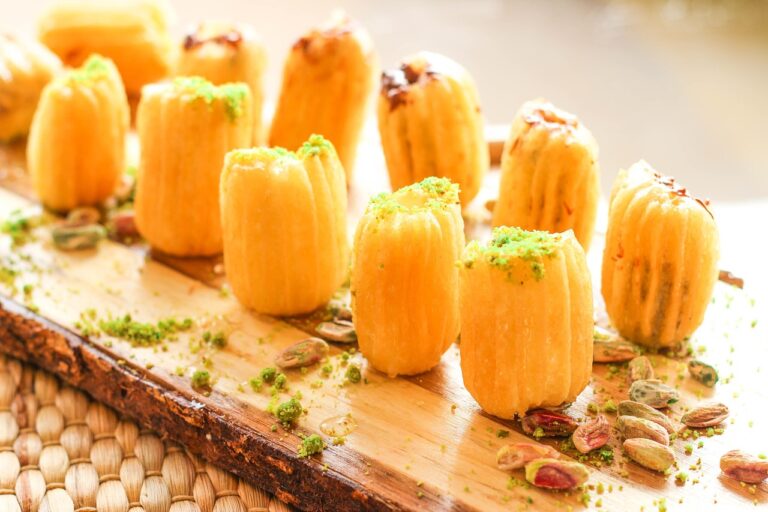
The History Behind Baklava
Few desserts carry as much history as baklava, and few histories are as hotly debated. Nations from the Balkans to the Levant…

The History Behind Turkish Simit Sandwiches
The simit sandwich brings together two histories: the ancient story of the sesame bread ring, which has fed the streets of Turkey…

Ayran: A Taste of Turkish Culture
Ayran is more than a drink in Turkey; it is a daily ritual, a badge of identity, and one of the oldest…
Where to Find the Best Borek in Turkey
Finding the best borek in Turkey is less about a specific address and more about knowing how the country works.
