Two days in Diyarbakir sounds short for a city with six thousand years of history, but the old city is compact enough that a well-planned 48 hours covers the essentials without feeling rushed. You can walk the famous black basalt walls, explore the Sur district, eat your way through the bazaar quarter, and still have time to watch the sunset over the Tigris River.
This itinerary assumes you arrive with a full day ahead of you, stays in the old city, and moves on foot. If your first afternoon is a travel day, shift the first day’s plan into day two and accept that something has to give. Diyarbakir rewards flexibility almost as much as it rewards planning.
Getting Around: Your Two-Day Plan
Everything worth seeing on a short visit sits inside or just below the walls of the Sur district, which makes walking the obvious choice. The walled city is roughly a kilometer across at its widest, and the main sights from Ulu Cami to the New Gate are connected by lanes that take minutes to walk. Wear comfortable shoes, because the basalt pavements are worn smooth by centuries of use.
For the Hevsel Gardens and the riverbank below the walls, a short walk down through the gates gets you there. Taxis are cheap and plentiful for longer hops, such as the return to the airport or a trip to the Dicle Bridge. Negotiate the fare or insist on the meter, and carry small change for the drivers who do not have it.
Aim to start both days early. The summer heat makes midday sightseeing punishing. Plan the heavy walking for the first hours after breakfast and save the shaded tea gardens for the afternoon.
Day 1 Morning: The City Walls
Start your first morning with the monument that defines Diyarbakir: the black basalt city walls. Begin at the Urfa Gate, where the fortifications are at their most dramatic, and walk the circuit westward along the top of the walls. The towers are open at intervals and give superb views across the old city to the Hevsel Gardens and the Tigris beyond.
Allow two hours for the walk. The walls stretch for roughly five and a half kilometers around the old city, and while you will not walk all of it, the stretch between the Urfa Gate and the Mardin Gate is the highlight. The stone is volcanic basalt, dark and forbidding, studded with inscriptions from the various empires that held the city.
Climb one of the restored towers for the classic photograph looking down over the gardens and the river. Finish the circuit in time to descend for a late breakfast in the old city, where the morning bazaars are just waking up.

Day 1 Midday: Ulu Cami and the Four-Legged Minaret
From the walls, walk into the heart of the Sur district and the Ulu Cami, the Grand Mosque of Diyarbakir. Built in the eleventh century under the Seljuk rulers, it is one of the oldest mosques in Anatolia, and its courtyard, with a central fountain and arcades, is one of the most peaceful spaces in the city. Non-Muslim visitors are welcome outside prayer times.
The mosque’s architecture is unusual, mixing the stone traditions of the region with influences from the Umayyad architecture of Damascus,. Dress respectfully, cover your head if you are a woman, and time your visit to avoid the five daily prayers.
A short walk away stands the four-legged minaret, one of the most curious structures in Turkish Islamic architecture. The square minaret is supported on four thick stone pillars, leaving an open passage at its base, and it is a favorite of photographers. The story goes that the unusual design was a deliberate answer to an architectural problem, and it has stood for centuries.
Day 1 Afternoon: The Bazaar Quarter
After lunch, plunge into the covered bazaar streets that fill the district between Ulu Cami and the New Gate. This is the working commercial heart of the old city, where coppersmiths hammer out trays and teapots, fabric sellers hang bolts of colorful cloth, and spice merchants heap counters with sumac, cumin, and dried mint.
Wander without a fixed plan. The bazaar is layered with history: an old inn here, a small mosque there, and everywhere the smell of grilled meat drifting from the lokantas, the casual local restaurants. The coppersmiths’ street is the most atmospheric, and you will rarely be rushed into buying anything,.
Pause for tea in the courtyard of Hasan Pasha Han, the seventeenth-century caravanserai that anchors the quarter. Its arcaded galleries now house shops and tea gardens, and it is the perfect place to rest before the evening program. The han is at its liveliest in the late afternoon, when the tea drinkers take over.
Day 1 Evening: Dinner and the Tigris
Dinner on your first night should be the signature dish of the region: kaburga dolmasi, lamb ribs stuffed with rice, almonds, and spices and baked until the meat falls from the bone. It is a dish you will not find done better outside the southeast, and it is best shared with a group.
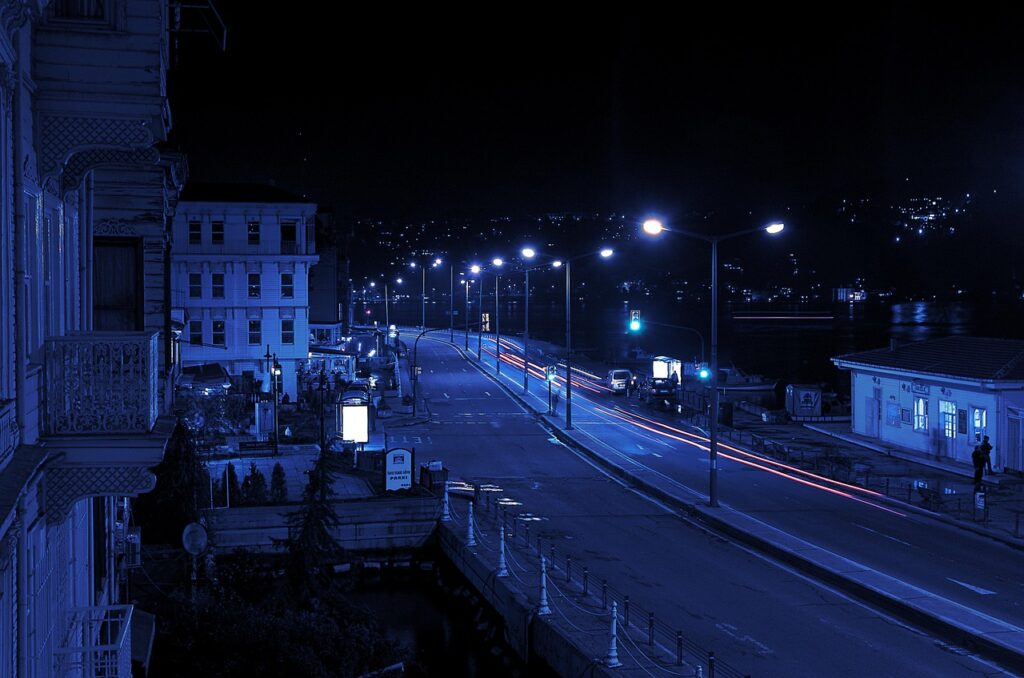
After dinner, walk down toward the river. The Tigris runs along the western edge of the city, and the evening promenade between the walls and the modern bridges fills with families and tea drinkers as the light fades. The view of the walls glowing in the last light, with the river below, is one of the great rewards of the city.
For a quieter end to the evening, find a rooftop tea garden in the old city. The call to prayer echoes across the rooftops, the bazaar shuts down for the night, and the walls stand black against the sky. It is a simple pleasure, and it is exactly what a first night in Diyarbakir should be.
Day 2 Morning: Hevsel Gardens and the Tigris
Begin day two below the walls, in the Hevsel Gardens. These ancient agricultural terraces along the Tigris have fed the city for thousands of years, and together with the walls they form the UNESCO World Heritage listing that recognized Diyarbakir in 2015. Paths wind between the vegetable plots and orchards, still worked by hand.
The classic approach is to descend through one of the river gates from the walls and walk out into the green floodplain. The contrast is striking: black stone behind you, green fields ahead, and the slow brown-green river sliding past. Farmers grow onions, peppers, and the famous Diyarbakir watermelons, and in season you can buy produce straight from the fields.
Give the gardens two relaxed hours. The walk is easy and flat, and the light in the morning is beautiful across the water. If you have time, continue along the riverbank to the Dicle Bridge, the old stone bridge that once carried Silk Road caravans across the Tigris,.

Day 2 Afternoon: The Mardin Gate and Sur Streets
Spend the second afternoon inside the walls, filling in the pieces you missed. Start at the Mardin Gate, the grand southern entrance to the old city, and climb the tower for its wide view. Then let yourself drift through the residential lanes of Sur, past the restored stone houses with their carved facades and the small mosques that punctuate the streets.
The neighborhood has been through a difficult recent history, and parts of it are still rebuilding. The restoration work that has revived the historic core continues, and the mix of ancient and new is part of the experience. Keep a respectful distance from any buildings still under repair,.
The afternoon is also a good time for the small museums and galleries in the old city, and for the souvenir streets, where the local crafts of the region are on display. Copperware, kilims, and jewelry all make good mementos, and the prices in the old city are reasonable by national standards.
Day 2 Evening: Sunset and a Last Meal
Close the second day at the Dicle Bridge at sunset. The old bridge, built in the twelfth century, spans the Tigris with a series of pointed arches, and the evening light on the water and the stone is genuinely beautiful. Locals gather here too, making it a relaxed, sociable spot to end the trip.
For the final dinner, return to the bazaar quarter and choose one of the lokantas that pack in the locals. The menu will revolve around grilled meats, stuffed vegetables, and the region’s excellent flatbreads, and the prices will be a fraction of what you would pay in Istanbul. Order the local yogurt drink with your meal; it is the perfect counter to spicy food.
If your flight is early the next morning, keep the evening simple. The airport is only a short taxi ride from the old city, and Diyarbakir’s small size works in your favor. Two days here will not be enough to see everything, but it is enough to understand why the city inspires such fierce affection.

Practical Notes for Your 48 Hours
Carry cash. The bazaars, tea gardens, and many small restaurants in the old city do not take cards, and the nearest ATMs are near the main square. Dress modestly, especially around the mosques, and keep a scarf in your bag for the Ulu Cami visit. Water is essential in the warm months; bottled water is cheap and sold everywhere.
Plan around prayer times if you want to photograph the mosques. The interiors close to visitors for the five daily prayers, and the times shift through the year, so check the daily schedule in the morning. The early afternoon prayer is the one most likely to disrupt a visit, and it is easily avoided with a quick check.
Frequently asked questions
Is 48 hours enough to see Diyarbakir?
Two full days covers the essential sights comfortably: the walls, Hevsel Gardens, the Sur district with Ulu Cami and the four-legged minaret, the bazaar quarter, and the Tigris riverside. You will miss day trips and some neighborhoods, but you will leave with a genuine feel for the city. Three days is better, two is workable.
What should I not miss in Diyarbakir?
The city walls are the unmissable sight, and you should walk at least the stretch between the Urfa Gate and the Mardin Gate. The Hevsel Gardens below the walls, Ulu Cami with its ancient courtyard, the four-legged minaret, and the bazaar quarter around Hasan Pasha Han round out the essentials, with the Dicle Bridge at sunset for a memorable finish.
Should I book a guide in Diyarbakir?
A guide adds real value in Diyarbakir. The walls are covered in inscriptions and the layers of the Sur district are not obvious to the untrained eye, and the local guides bring the history to life. For a two-day visit, a half-day guided walk around the walls and Sur is a good investment, and the tourism office can arrange one.

All Over Information
The All Over Information editorial team researches and writes practical English-language guides to Turkey. Facts are checked against official and local sources before publication, prices are published as dated ranges rather than quotes, and guides are revised when things change. We accept no sponsored posts, paid placements or paid links.
More guides like this

History and Culture of Diyarbakir
Diyarbakir is one of the oldest continuously inhabited cities in the world, a settlement on the banks of the Tigris that has…
Diyarbakir on a Budget: Money-Saving Travel Tips
Diyarbakir is one of the best-value destinations in Turkey, and a traveler with a tight budget can do very well here.
Best Time of Year to Visit Diyarbakir
Diyarbakir is a city of four distinct seasons, and each one changes the character of the visit.

A Solo Traveler’s Guide to Diyarbakir
Diyarbakir is an excellent destination for solo travelers, and it is one of the friendliest cities in Turkey to explore alone.

The Best Day Trips from Diyarbakir
Diyarbakir makes an excellent base for exploring the wider southeast, a region packed with historic towns, dramatic landscapes, and sites that see…

Best Local Restaurants in Diyarbakir
Diyarbakir is one of the great food cities of Turkey, and eating well here needs no guidebook star ratings.