Turkey’s diving is one of the Mediterranean’s best-kept secrets. The country has thousands of kilometers of coastline, clear warm water, and a seabed scattered with reefs, caves, and shipwrecks, and the diving industry is well developed along the southern and western coasts. The best sites combine underwater life with the drama of the coast above. This ranking covers the finest diving locations in Turkey, from the established capital of the sport to the quieter corners, with the practical notes that help you choose. Whether you are a certified diver planning a week on the water or a beginner curious about the underwater world, this guide will point you to the right coast, the right sites, and the right season.
1. Kas: The Diving Capital
The small town of Kas, on the Turquoise Coast, is Turkey’s undisputed diving capital. Its position on a protected bay, with deep water close offshore, has made it the center of the country’s diving industry, and the town’s character, small, relaxed, and full of dive centers, revolves around the sport.
The diving around Kas is built on its walls and reefs. The underwater cliffs drop steeply into deep blue, the canyons and caves hold the bigger marine life, and the visibility is famously good. The sites suit every level, from sheltered bays for beginners to deep walls for the experienced.
The town itself completes the experience. The dive boats leave from the small harbor, the evenings are spent at waterfront restaurants, and the atmosphere is that of a genuine dive town rather than a resort. For anyone planning a diving holiday in Turkey, Kas is the obvious base.
2. The Gulf of Fethiye
The Gulf of Fethiye, east of Kas, offers the region’s most dramatic dives, built around the island of a small archipelago that shelters the bay. The gulf’s sites include walls, reefs, and one of the Mediterranean’s most famous wreck dives.
The wreck, an Italian vessel sunk in the shallows near the islands, is the gulf’s signature site: an intact hull covered in marine life, resting in water shallow enough for a wide range of divers. The surrounding reefs and caves add variety, and the gulf’s clear water makes the colors glow.
The practical base is Fethiye town or the coastal villages, and the day trips run out to the islands through scenery that is half the appeal. The gulf combines the convenience of a developed resort area with diving that feels wilder than the name suggests.

3. Bodrum and the Aegean
Bodrum, on the Aegean, offers Turkey’s most established diving scene outside the Mediterranean proper, and its character is different: calmer water, softer visibility, and a seabed shaped by the region’s ancient history. The diving is as much archaeology as nature.
The Aegean sites around Bodrum include reefs, rocky pinnacles, and a number of artificial reefs built deliberately for marine life and divers. The underwater visibility is generally lower than the Mediterranean’s, but the life is rich, and the water is a little cooler and fresher.
Bodrum’s strength is its infrastructure. The town is one of Turkey’s major resort centers, with a huge choice of dive centers, and the diving can be combined with the peninsula’s beaches, nightlife, and ancient sites. It is the best choice for divers traveling with non-divers.
4. Marmaris
Marmaris, at the meeting of the Aegean and the Mediterranean, offers a diving scene built on its many small islands and bays. The area’s sheltered waters and numerous dive sites make it a reliable choice, and the town’s scale brings a full tourism infrastructure.
The dives around Marmaris include reefs, caves, and the region’s characteristic rocky seabeds, and the marine life includes the Mediterranean’s familiar cast of groupers, octopus, and barracuda. The sites are well run, with daily trips from the harbor.
Marmaris suits divers who want the diving combined with a classic resort holiday. The bay is busy in summer, and the diving day trips fit neatly around the beach time, making it a popular choice for families with mixed interests.

5. Antalya and Kemer
The Antalya region, and the resort of Kemer in particular, has built a serious diving industry around its limestone coast. The diving here is organized, accessible, and increasingly popular, with a seabed of walls, reefs, and marine park areas.
The region’s signature is its underwater parks, areas managed for marine life where the fish are protected and abundant. The diving is largely gentle, with shallow sites and good conditions, which makes it an excellent region for beginners and for underwater photography.
The practical appeal is the resort infrastructure: Antalya’s airport, the huge choice of hotels, and the organized dive trips that collect divers from the resorts. The diving is not the region’s wildest, but it is among its most convenient and its most beginner-friendly.
6. Kalkan
Kalkan, the elegant neighbor of Kas, offers a smaller and more refined diving scene. The town’s bay and the offshore reefs provide good sites, and the diving here shares the Turquoise Coast’s famous water quality without the crowds of its bigger neighbor.
The dives around Kalkan include walls, reefs, and the island sites offshore, and the visibility is excellent, with the deep blue water that characterizes the region. The marine life is typical of the Mediterranean, with the reef species and the seasonal visitors of the big fish.
The experience is boutique: smaller dive groups, a stylish town, and a quieter atmosphere. Kalkan suits divers who want quality diving with a more upscale setting, and the town’s harbor-side evenings are among the best on the coast.
7. The Datca Peninsula
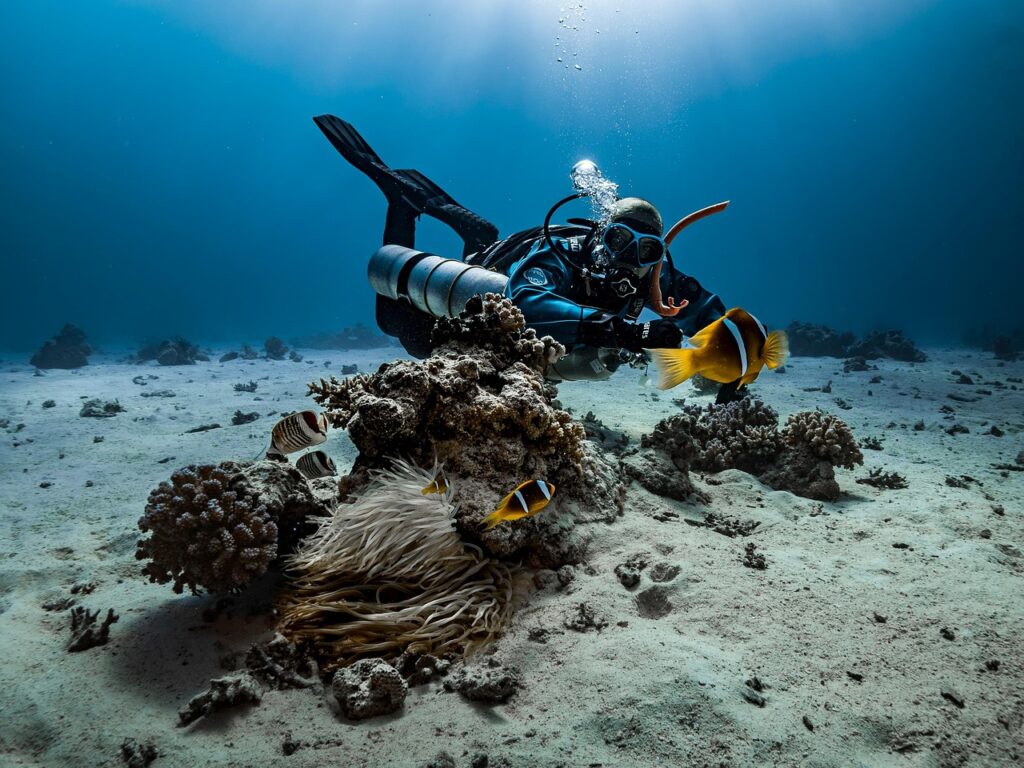
The Datca peninsula, the long finger of land between the Aegean and the Mediterranean, offers the region’s quietest diving. The peninsula’s remote character and protected waters give its dive sites a wild, uncommercialized feel that is increasingly rare.
The diving around Datca is built on reefs and rocky points, with good visibility and healthy marine life, and the sites are spread along a coast of isolated bays. The dive centers are small, and the boats are intimate, and the atmosphere is that of diving discovered rather than organized.
The peninsula suits divers who want to escape the industry. The base is the town of Datca or the coastal villages, the pace is slow, and the diving is combined with a genuinely unspoiled coast. For the experienced diver seeking solitude, this is the choice.
8. The Northern Aegean: Canakkale
The northern Aegean, around Canakkale and the Dardanelles, offers Turkey’s most historic diving: the shipwrecks of the Gallipoli campaign. The strait’s waters hold the remains of warships and the scars of one of the First World War’s great naval battles.
The Gallipoli wrecks are the draw, and the dives are managed under a careful framework that treats the sites as war graves and underwater heritage. The visibility in the strait varies, and the diving is for experienced divers who respect the sites’ significance.
The experience is unique in Turkey, and moving. The wrecks, the memorials, and the history above the water combine into a diving trip with a different meaning from the reefs of the south. For divers interested in history, it is the most significant diving in the country.
9. The Sea of Marmara
The Sea of Marmara, between the Aegean and the Black Sea, offers a small and unusual diving scene. The sea’s islands, particularly the Princes’ Islands near Istanbul, provide sites within reach of the country’s largest city.
The diving is characterized by the Marmara’s particular conditions: cooler water, varying visibility, and a marine life that differs from the Mediterranean’s. The sites include reefs and rocky seabeds, and the appeal is largely the access: diving within an hour of Istanbul.
The Marmara diving suits visitors based in Istanbul who want a dive without traveling to the south. The operators are few, the conditions demand flexibility, and the experience is more adventurous than the resort diving of the Mediterranean, but the convenience is unmatched.
10. Practical Notes for Diving in Turkey
The practical side of Turkish diving is well organized. The dive centers operate to international standards, with modern equipment, and most offer courses from beginner through instructor level, taught in English as well as Turkish.
The season runs from spring through autumn, with the warmest water and the best conditions from May to October. The water is at its clearest in the calm summer months, and the visibility on the Turquoise Coast regularly reaches the kind of distances divers travel to the Red Sea to find.
The requirements are standard: a certification for most sites, a medical form for the courses, and a respect for the marine parks and the wreck sites. For anyone holding a certificate, Turkey’s coast is a diving destination that deserves a place on the list, and the variety of its sites, from reefs to wrecks to walls, is the country’s great strength.
Frequently asked questions
Do I need a diving certificate to dive in Turkey?
Yes, for the open-water sites you will need a recognized scuba certification, which you will be asked to show at the dive center. If you are not certified, the centers offer beginner courses, from introductory dives that need no certification to full courses that qualify you over several days. Non-divers can also join many trips for the boat experience.
When is the best time to dive in Turkey?
The diving season runs roughly from April to October. The warmest water comes in late summer, and the calmest conditions and clearest visibility are found in the summer months, with May, June, and September often offering the best balance of conditions and crowds. Winter diving is possible at some centers but is cold and limited.
What will I see when diving in Turkey?
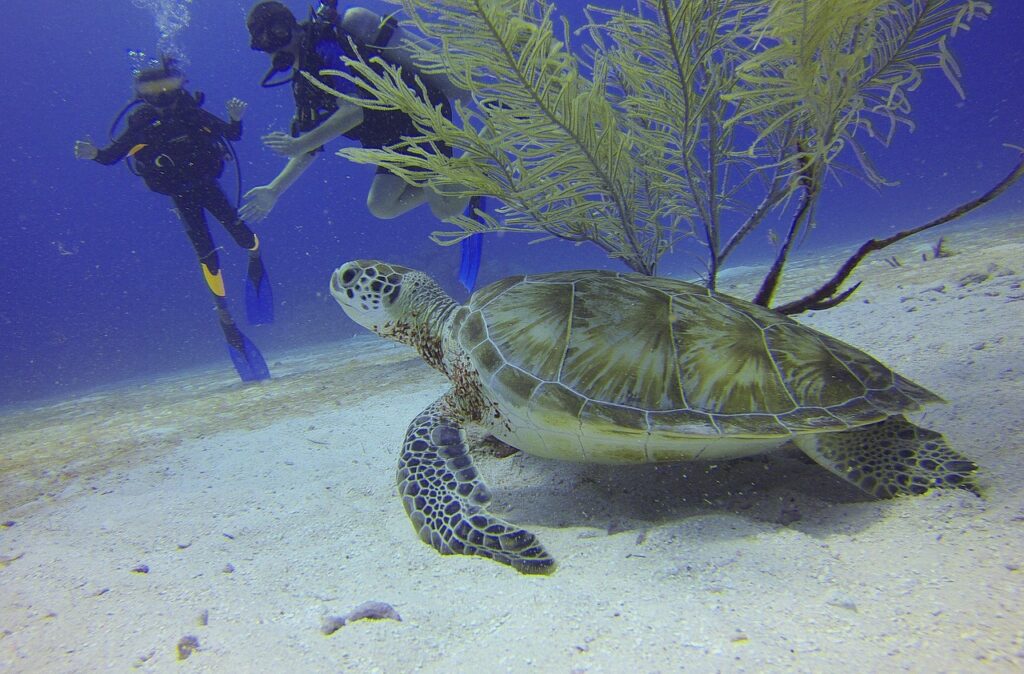
The Mediterranean’s characteristic marine life: groupers, octopus, moray eels, barracuda, and the colorful reef species, along with seasonal visitors like sea turtles and dolphins. The seabed adds walls, caves, and reefs, and the region’s history adds wrecks, from the Gallipoli warships to the Italian vessel in the Gulf of Fethiye.

All Over Information
The All Over Information editorial team researches and writes practical English-language guides to Turkey. Facts are checked against official and local sources before publication, prices are published as dated ranges rather than quotes, and guides are revised when things change. We accept no sponsored posts, paid placements or paid links.
More guides like this

How to Visit Yedigoller National Park: Practical Tips
Yedigoller National Park is one of the easiest of Turkey's great natural sights to visit, but a little planning makes the difference…

How to Visit Gallipoli Peninsula National Park: Practical Tips
Visiting the Gallipoli Peninsula is straightforward in practical terms but profound in every other way.
Exploring Salt Lake (Tuz Golu): A Complete Guide
Salt Lake, known as Tuz Golu in Turkish, is the second largest lake in Turkey and one of the most surreal landscapes…
Exploring Yedigoller National Park: A Complete Guide
In the forested mountains of Bolu province, about halfway between Istanbul and Ankara, lies one of Turkey's most beautiful and most visited…
Climate Zones Across Turkey Explained
Turkey's climate is far more varied than its holiday-brochure image suggests.

Mount Ararat: Turkey’s Natural Wonder
Mount Ararat is the great natural landmark of eastern Turkey, a vast snow-crowned volcano that rises more than five thousand metres above…