Kadikoy is the neighborhood that makes Istanbul feel like two cities in one. On the European side, the day is a parade of monuments, crowds, and Ottoman grandeur. Cross the Marmara Sea for twenty minutes and you land in Kadikoy, where the rhythm slows, the coffee is serious, the streets hum with student energy, and the waterfront — the famous Moda coast — belongs to joggers, fishermen, and families with kites. A weekend here is not a rushed checklist of sights. It is a long, unhurried meal with the city, eaten on the right side of the Bosphorus.
This two-day plan assumes you are arriving by ferry from the European side, which is how most travelers reach Kadikoy for the first time. It is built around the neighborhood’s real strengths: an excellent food scene, a brilliant Saturday market, vintage shopping, waterfront walks, and some of the best people-watching in the country. Bring comfortable shoes, an empty stomach, and a willingness to stay out later than you planned.
Before You Go: The Essentials
Getting there. The Kadikoy ferry terminal sits directly on the Bosphorus shore, a five-minute walk from the neighborhood’s heart. Ferries from Eminonu, Karakoy, Besiktas, and Uskudar run frequently; the trip from Eminonu takes about twenty minutes and costs a few lira per ride on the Istanbulkart transit card. The Marmaray rail tunnel also lands at the Ayrilik Cesmesi station, a fifteen-minute walk from the main square — useful if you are coming from the airport or the European side in a hurry. Buses and the Metrobus stop near the terminal too, but the ferry is half the experience, so take it at least once.
When to go. Kadikoy is at its liveliest on Saturday morning, when the historic Salı Pazarı (Tuesday Market) actually holds its biggest session — no, the name is misleading; the market runs most days, and Saturday draws the biggest crowds of growers and home cooks. Friday and Saturday evenings are the best for the bar streets around Moda and the cafes near the coast. Weekday mornings are wonderfully calm for photography and long breakfasts.
What to bring. Cash for market stalls and tiny lokantas, a reusable shopping bag for market finds, and comfortable shoes — Kadikoy is flat but you will cover serious distance between the pier, Moda, and the back streets of Yeldeğirmeni. A light jacket even in summer, because the evening sea breeze off the Marmara is real.
Day One: The Market, the Coast, and the Nightlife Quarter

Morning: The Market and a Turkish Breakfast
Start at the market that anchors Kadikoy’s food identity. The Salı Pazarı occupies a permanent covered hall near the pier, with the stalls spilling into the surrounding streets on market days. Even if you are not cooking, this is the best place in Istanbul to see what Turks actually eat: barrels of olives in every brine, trucks of seasonal produce, buckets of the anchovies called hamsi in winter, and men selling cheese with the authority of museum curators. Taste before you buy — the vendors expect it. Pick up a bag of dried figs or a jar of homemade pepper paste as a souvenir that will actually be used.
From the market, walk five minutes uphill to one of Kadikoy’s famous breakfast spots. Breakfast in Istanbul is not a small thing: it is a table covered in dozens of small plates — menemen, olives, cheeses, honey and kaymak, sucuklu yumurta, fresh bread, and endless tea. Order the serpme kahvaltı (spread breakfast) if you see it, share it between two people, and plan to sit for at least an hour. It is the meal Istanbulis linger over most, and rushing it is considered a small crime.
Midday: The Moda Coast Walk
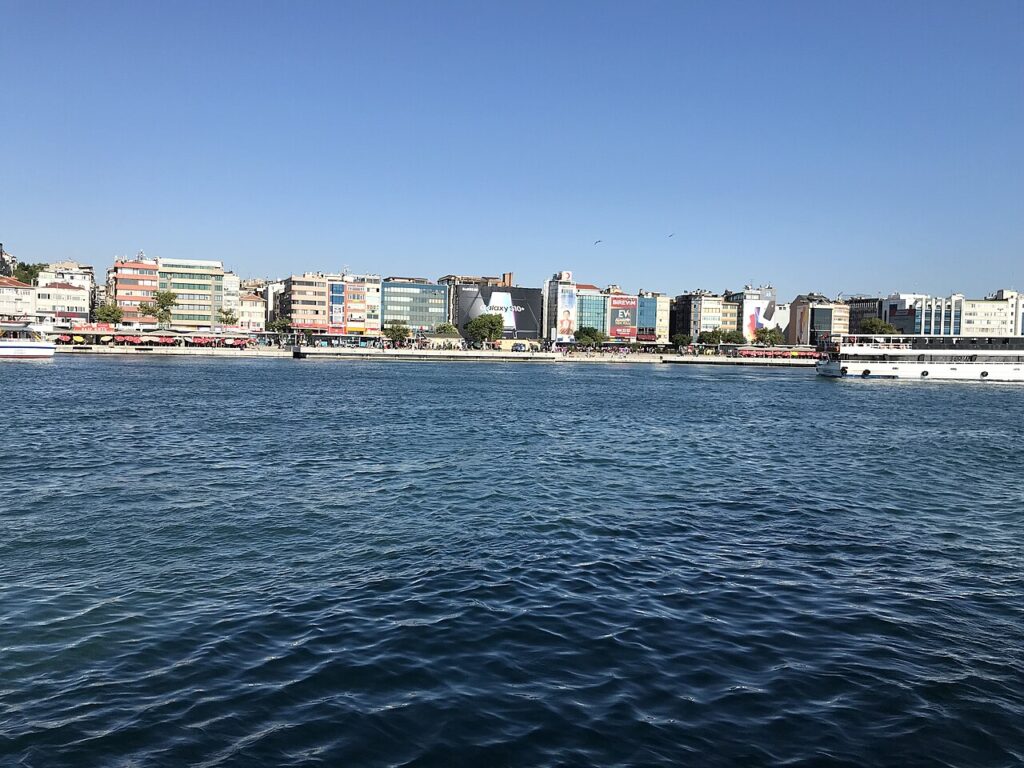
With breakfast settled, head downhill and east along the waterfront toward Moda. The walk hugs the sea the whole way, past the ferry terminal, past fishermen on the low seawall, past the Moda pier with its red-and-white ferries, until you reach the grassy park at the tip of Moda where the whole city spreads out in front of you: the minarets of the old city across the water, the Galata Tower on the hill behind it, and seagulls treating the benches like real estate.
This stretch is the heart of daily Kadikoy life. You will see women doing yoga on the grass at sunrise, teenagers on skateboards, old men playing backgammon under the trees, and — if you time it right — one of the famous Moda sunsets that turns the sea to copper. The park is also where the neighborhood’s famous kites take flight on breezy days. It costs nothing, and it is genuinely one of the most pleasant public spaces in Istanbul.
Afternoon: Vintage, Bookshops, and Backstreet Cafes
Leave the coast and wander inland through Moda’s residential streets, where the old apartment buildings — many dating from the early 1900s — are painted in faded pastels and wrapped in bougainvillea. This is vintage-shopping territory. The secondhand clothing shops of Moda have become famous for their curated racks of 1970s dresses, military surplus, and Turkish textiles, all at prices far below what the same items would cost in a European thrift store.
Kadikoy is also the book capital of Istanbul. The street called Bahariye, a broad pedestrian avenue that runs parallel to the coast, is lined with bookshops, and the neighborhood’s used-book sellers pack shelves with everything from Ottoman-era poetry to translated Japanese manga. A bookstore crawl is a legitimate afternoon activity here.
Evening: Bars, Meze, and the Streets That Come Alive
As the sun drops, Kadikoy transforms. The small streets behind the market — particularly around Moda Caddesi and the lanes near the old tram stop — fill with tables spilling out of meyhanes, the traditional Turkish taverns where meze (small shared dishes) are eaten with raki or wine and conversation runs long. A meyhane evening is not dinner so much as an event: order a few meze to start, let the waiter steer you toward the day’s fish, and do not be surprised if the table next to you breaks into song.
For a younger, louder scene, the bars around the Kadikoy nightlife quarter stay open late, and on weekends the streets are packed until the early hours. The beer is cheap by European standards, the music leans rock and alternative, and the atmosphere is genuinely friendly — Kadikoy has a reputation as the most liberal, artsy corner of Istanbul, and its nightlife reflects it.
Day Two: Beyond the Center

Morning: The Asian-Side Grandeur
Kadikoy is the gateway to a pair of grand Ottoman landmarks that most visitors never see because they never cross the water. The first is Haydarpaşa Station, the huge neoclassical railway terminus on the waterfront, built by German engineers in 1908 as the start of the legendary Baghdad Railway. Its columns and clock tower have dominated the Kadikoy skyline for over a century. The station is partly closed for restoration, but the building is worth walking around just to gape at its scale.
The second is the Harem Coast and the ferry piers beyond, where commuter ferries glide out every few minutes. If you have time, the twenty-minute ferry from Kadikoy to Uskudar delivers you to the Maiden’s Tower, the tiny stone lighthouse on an islet that is one of the most photographed buildings in Turkey. From Uskudar you can also climb to the Çamlıca Hill viewpoint, the highest point on the Asian side, for a panorama of both sides of the Bosphorus in a single frame.
Afternoon: Cafes and the Creative Quarter
Spend the afternoon in Yeldeğirmeni, the old Jewish quarter just behind the ferry terminal that has become Kadikoy’s creative hub. Its streets are covered in murals — an annual street-art festival has painted entire building facades — and its courtyards hide specialty coffee roasters, independent galleries, and small design studios. This is where to buy something that was actually made in Istanbul: ceramics from a local potter, prints from a neighborhood artist, textiles from a workshop down the street.
Coffee is taken seriously here. The specialty scene that made Turkish coffee culture famous in the specialty world — the slow-pour, the careful roast, the barista with opinions — flourishes in Kadikoy’s cafes, many of which roast their own beans. Try a Turkish coffee made properly over hot sand, then a flat white from a local roaster, and settle the eternal debate yourself.
Evening: One Last Ferry at Sunset
End the weekend the way it should end: on the water. The sunset ferry from Kadikoy back to the European side is a miniature cruise that costs the price of a transit ticket. As the ferry pulls away from the pier, the minarets of the old city line up against the orange sky, the Galata Bridge lights flicker on, and you get the single best view in Istanbul for a handful of lira. Take a seat on the open deck, let the spray hit your face, and watch the city stitch itself together behind you.
If you are staying in Kadikoy itself, walk the coast one last time instead — the evening lights reflecting on the water, the fishermen packing up their rods, the last ferry pulling in. It is a quiet, perfect ending to a neighborhood that rewards slowness.
Where to Eat in 48 Hours
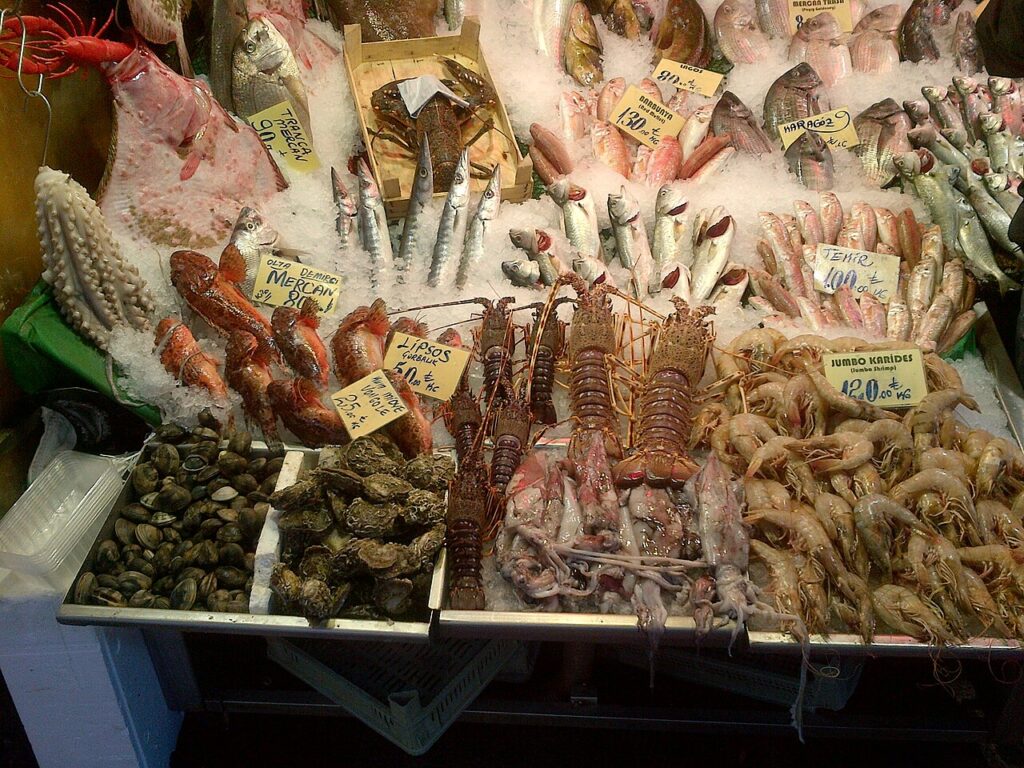
Breakfast: A serpme spread at one of Moda’s famous kahvaltı spots — expect to queue on weekends and it is worth it. Lunch: A lokanta (working-class restaurant) near the market, where you point at the daily dishes in their steel trays and the total for a full plate rarely breaks the cheap end of the budget. Dinner: A meyhane for meze and raki, or a seafood place along the coast where the catch arrives daily. Late night: Balık ekmek (fish sandwich) from the street vendors near the pier, or simit from the cart outside the terminal.
The 48-Hour Rule of Thumb
Two days is exactly the amount of time Kadikoy deserves on a first visit: long enough to eat well, walk the coast, dig through a market and a few bookshops, and see the sunset from the water — short enough to leave you wanting more. The neighborhood is famously livable, and many travelers who spend a weekend here return for a month. Do not be surprised if you are one of them.
Frequently asked questions
How do I get from Sultanahmet to Kadikoy?
Take the tram to Eminönü, then the Kadikoy ferry from the Eminönü landing. The whole trip takes about 40 minutes and costs two transit fares.
Is Kadikoy safe at night?
Yes. Kadikoy is one of Istanbul’s safest neighborhoods, with busy streets, a young population, and a strong police presence around the nightlife quarter. Standard city caution applies, but solo travelers of all kinds are common here.
Which is better, Kadikoy or Moda?
They are the same neighborhood. Moda is the coastal, residential quarter of Kadikoy proper — the names are used interchangeably by locals.
Do restaurants in Kadikoy accept cards?
Most sit-down restaurants do. Market stalls, street vendors, and small lokantas are largely cash-only, so carry a modest amount of lira.
Can I visit Kadikoy in half a day?
You can, but you will miss the point. A half-day tour covers the market, a coffee, and the Moda coast; the neighborhood’s real texture — the meyhanes, the vintage shops, the bookstores — needs an evening and a morning at least.

All Over Information
The All Over Information editorial team researches and writes practical English-language guides to Turkey. Facts are checked against official and local sources before publication, prices are published as dated ranges rather than quotes, and guides are revised when things change. We accept no sponsored posts, paid placements or paid links.
More guides like this
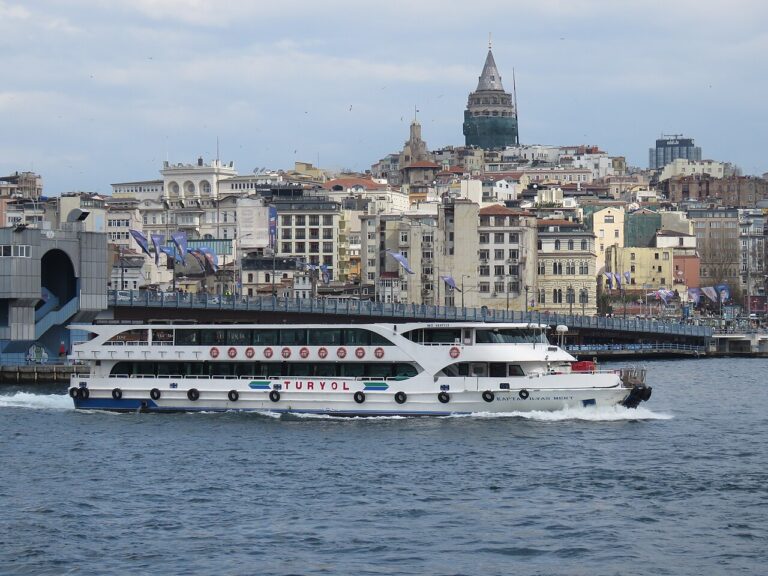
Photography Spots in Kadikoy You Can’t Miss
Kadikoy is a photographer's neighborhood, and not in the way the old city is.

The Best Day Trips from Kadikoy
Kadikoy is more than a neighborhood — it is the Asian side's great transport hub, and the launch point for a set…
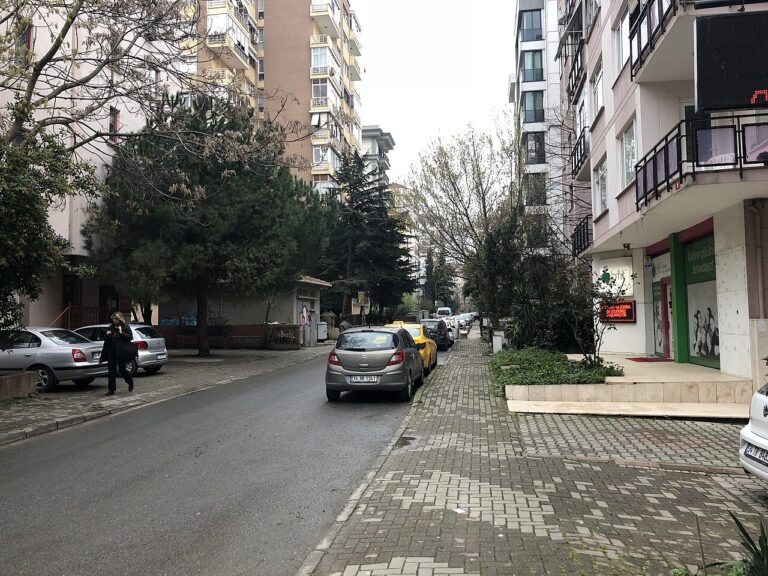
How to Get to Kadikoy from Istanbul
Kadikoy sits on the Asian shore of Istanbul, across the Bosphorus and the Marmara from the neighborhoods most visitors first see —…
Kadikoy Airport and Transport Guide
Kadikoy is one of the best-connected points in Istanbul, and the neighborhood's transport is part of why travelers choose to base themselves…

Kadikoy on a Budget: Money-Saving Travel Tips
Kadikoy is already one of the cheapest parts of Istanbul to visit — a neighborhood that prices for its own residents rather…

Kadikoy in Winter: What to Expect
Kadikoy in winter is the neighborhood's best-kept secret.