Kadıköy is the neighborhood that surprises first-timers most. Most visitors spend their Istanbul trip on the European side — the old city, the avenue, the palaces — and never cross the water. Those who do cross discover the city’s most loved local district: the market streets, the waterfront promenades, the legendary food scene, and the version of Istanbul that lives without the tourist apparatus. Kadıköy is where Istanbul’s own residents go to eat, drink, shop, and live — and it is the best “local” day of any Istanbul trip.
This guide covers the lay of the land, the essential experiences, and the practical details for your first crossing to the Asian side.
What Kadıköy Actually Is
Kadıköy sits on the Asian shore of the Bosphorus, directly across the water from the old city. It is one of Istanbul’s oldest settlements — the Greek colony of Chalcedon was founded here around 685 BC, decades before Byzantium on the opposite shore, and the ancients joked that the founders of the European city must have been blind to miss the better site. Today it is the Asian side’s cultural capital: the ferry port that pours commuters and visitors onto its streets, the market quarter behind the pier, and the neighborhoods of Moda and beyond spreading along the waterfront.
The district’s heart is small and walkable. Everything a first-timer needs sits within twenty minutes on foot: the ferry pier, the Çarşı (the market quarter), the Moda promenade, and the restaurants, bookshops, and bars that fill the streets between them.
Getting There: The Crossing Is the Point
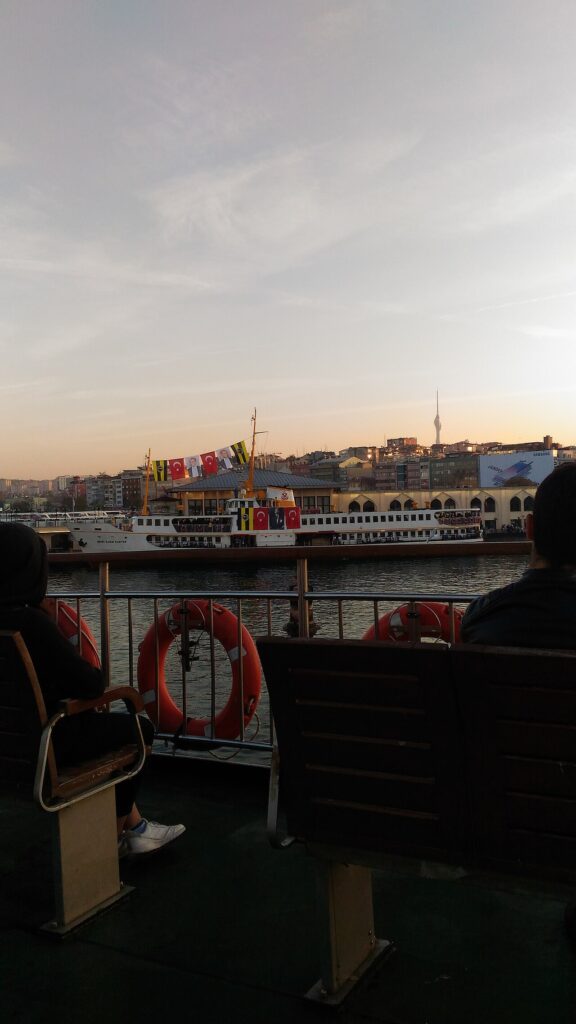
Kadıköy is a ferry ride from the European side, and the crossing is one of the great free shows in Istanbul. The classic routes:
- From Karaköy or Kabataş — the ferries land directly at Kadıköy pier in about twenty minutes. The European skyline recedes, the seagulls follow, and you arrive at the Asian side’s doorstep.
- From Eminönü — the ferry from the old city’s dock, a little longer, equally scenic.
- By rail — the Marmaray train crosses under the Bosphorus to Söğütlüçeşme, a short walk or minibus from the center.
Use the same Istanbulkart for the ferries as for the trams and the metro — the system is one card, one network.
The Essential First-Timer Experiences
The Çarşı (the market quarter). Behind the pier, the covered and open lanes of the Çarşı are the district’s engine: the fish market, the fruit and vegetable stalls, the spice shops, the tiny restaurants, and the bustle that defines Kadıköy. The bull statue (Boğa) at the quarter’s entrance is the classic meeting point. Walk it slowly, eat something, and let the market set the tone.
The Moda promenade. Ten minutes’ walk along the shore from the pier, the Moda neighborhood’s waterfront promenade is the district’s living room: the sea walls, the benches, the cafes, and the ferries passing close enough to wave at. It is the most relaxed stretch of waterfront in Istanbul, and the sunset version is essential.
The food. Kadıköy is the city’s food capital by local consensus: the meyhanes, the brunch cafes, the fish restaurants, the street food. First-timers should eat at least one full meal here — the meyhane tradition on the streets off the Çarşı, or the legendary brunches of Moda.
The bookshops and the vintage. The district’s side streets hold the second-hand bookshops, the record stores, and the vintage shops that make Kadıköy the bookish, bohemian heart of the Asian side.
The cats. Kadıköy’s street cats are a local institution, fed and befriended by the whole district. They are part of the scenery, and they own the waterfront.

Where to Start: A First-Timer’s Day
A balanced first day in Kadıköy:
- 10 a.m. Ferry from Karaköy, coffee at the pier end, and a slow walk through the Çarşı with the market’s morning energy.
- 1 p.m. Lunch at a meyhane or a fish restaurant off the market, or a brunch if you’ve arrived hungry.
- 3 p.m. The Moda promenade, the parks, and the waterfront cafes.
- 6 p.m. Sunset on the seafront, then a bar or a meyhane dinner as the district’s nightlife begins.
- 10 p.m. The ferry back — the skyline in lights, the perfect ending to the crossing.

When to Visit
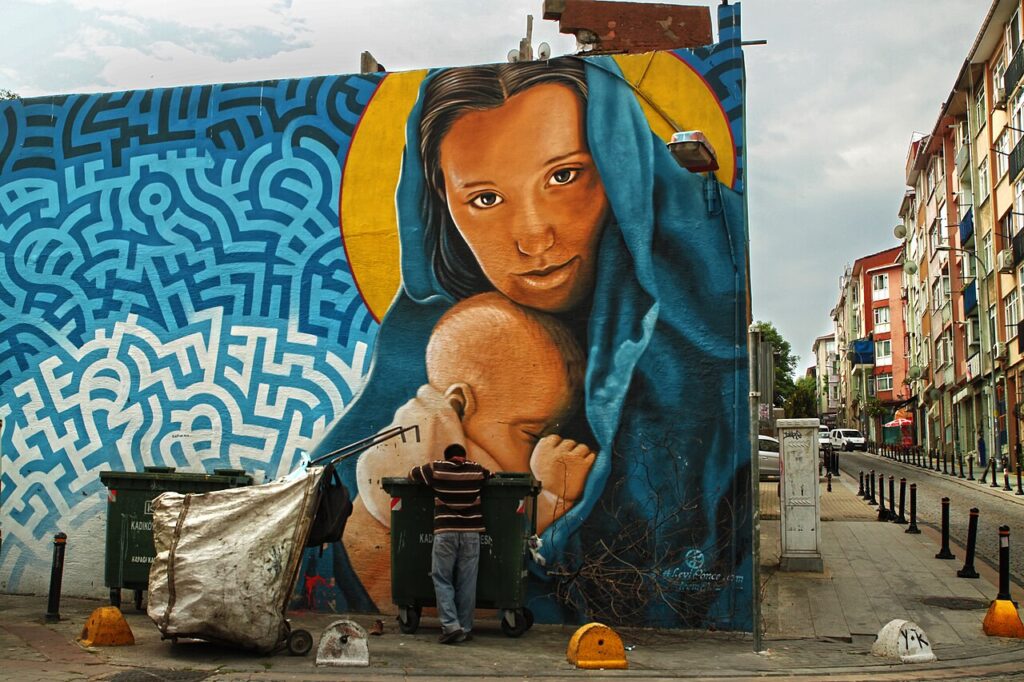
Kadıköy has no bad season, but it does have moods. Spring and autumn are the sweet spot: mild days for the coast walk, the market at its most colorful, and the streets full of life without the summer crush. Summer brings the Moda beach vibe — the park packed with families, the ice-cream queues, the ferries running late into the night — and the street-art festival that repaints Yeldeğirmeni’s walls every year. Winter is the local’s secret: the neighborhood quietens, the breakfast houses empty out, the fish restaurants serve the season’s anchovies and bluefish, and the cafes turn into warm, steamy refuges from the sea wind. The only genuinely busy window is the big holiday weekends, when Istanbul itself comes to Kadıköy to shop and eat — which, if anything, is a show worth watching.
The Food Scene: Why the Locals Cross the Water
Ask an Istanbulite where to eat and the answer, more often than not, will involve a ferry ticket to Kadıköy. The district’s food culture is the strongest argument a first-timer needs: the market at the Çarşı, the breakfast houses of Moda, the fish restaurants along the coast, and the meyhanes of the backstreets all serve food priced for people who live here rather than visitors passing through. The serpme kahvaltı — the table-loading spread of menemen, kaymak and honey, cheeses, olives, and endless tea — is the morning ritual that made Kadıköy famous, and the weekend queues outside the best breakfast houses are the neighborhood’s own review system. At lunchtime the lokantas, the working-class restaurants with their steel trays of daily dishes, offer the cheapest proper meal in the city: beans, stew, rice, salad, and bread for a few lira. And in the evening the meyhanes — the traditional taverns where meze is eaten slowly with rakı or wine — host the social meal that defines Turkish hospitality. Eat your way through all of it, and you have understood more of Istanbul than any monument tour will teach you.
The specialty-coffee scene deserves a special note, because it is a genuine pilgrimage destination. The roasters of Yeldeğirmeni, the old quarter behind the ferry terminal, helped make Turkish coffee culture famous in the specialty world, and the neighborhood’s cafes — both the modern roasteries and the traditional sand-brewed coffeehouses — are a study in the city’s two coffee lives. Drink both, and let the barista tell you the difference.
Practical Notes for First-Timers
- The district is safe and walkable, and it is the most liberal, lived-in part of Istanbul — the crowds are locals, not tour groups.
- The ferry times matter. The last ferries to the European side run until around midnight; check the return schedule before you cross for the evening.
- Cards are fine, cash is better for the market. The small stalls and the street food prefer lira.
- The district rewards the slow visit. Kadıköy has no monuments to tick off; its attractions are the market, the waterfront, the food, and the atmosphere — give it time.
- Learn one phrase: “ne önerirsin?” — what do you recommend? — is the key that unlocks the food stalls.
The Takeaway
Kadıköy is the Istanbul that lives across the water — the market quarter, the waterfront, the food, and the atmosphere that the guidebooks’ itineraries barely touch. It rewards the visitor who comes with time and an appetite. It is an easy ferry ride from the tourist trail and a world away from it, and it is the district where the city’s own residents spend their Saturdays. Cross the water, walk the Çarşı, sit on the Moda sea wall, and you will have found the local Istanbul — the one the brochures leave out, and the one you’ll come back for.
Frequently asked questions
How do you get to Kadıköy from the old city?
Ferry from Eminönü, Karaköy, or Kabataş — twenty minutes, with the skyline as the entertainment. The Marmaray rail tunnel is the faster, less scenic alternative.
Is Kadıköy worth visiting for a first-timer?
It is the best local day in Istanbul — the market, the waterfront, the food, and the city as its residents live it, with almost no tourist apparatus.
How long should you spend in Kadıköy?
A day and an evening is the honest minimum; a half day covers the market and the promenade. The district repays longer visits.
Is Kadıköy safe?
Yes — it is a busy, lived-in district, safe at all hours, and safer-feeling than most European capitals. The usual city sense applies.
Is Kadıköy expensive?
By Istanbul standards it is mid-range and fair: the market food and the street stalls are cheap, the meyhanes and the brunches are the splurges.

All Over Information
The All Over Information editorial team researches and writes practical English-language guides to Turkey. Facts are checked against official and local sources before publication, prices are published as dated ranges rather than quotes, and guides are revised when things change. We accept no sponsored posts, paid placements or paid links.
More guides like this

The Best Day Trips from Kadikoy
Kadikoy is more than a neighborhood — it is the Asian side's great transport hub, and the launch point for a set…

A Solo Traveler’s Guide to Kadikoy
Kadikoy may be the best neighborhood in Istanbul for the solo traveler, and the reasons are specific.
Nightlife Guide to Kadikoy
Kadikoy is the Asian side's nightlife capital, and one of the most vital scenes in Istanbul.


Where to Stay in Kadikoy: Neighborhood Guide
Most visitors to Istanbul sleep on the European side, close to the monuments, and cross the water only for a day trip…
