Kadikoy is the neighborhood where Istanbulis argue the best food in the city actually lives. The old city has the monuments and the tourist restaurants to match; Kadikoy has the market, the working-class lokantas, the meyhanes, the fish restaurants, and the cafes that locals actually fill. You will not find menus in six languages or a staff member waving a laminated card at you here. You will find food cooked the way it has been cooked for generations, at prices that reflect a local clientele. This guide is a curated walk through the essential Kadikoy eating experiences — the places and the dishes that define the neighborhood.
The Market: Where Kadikoy’s Food Culture Begins
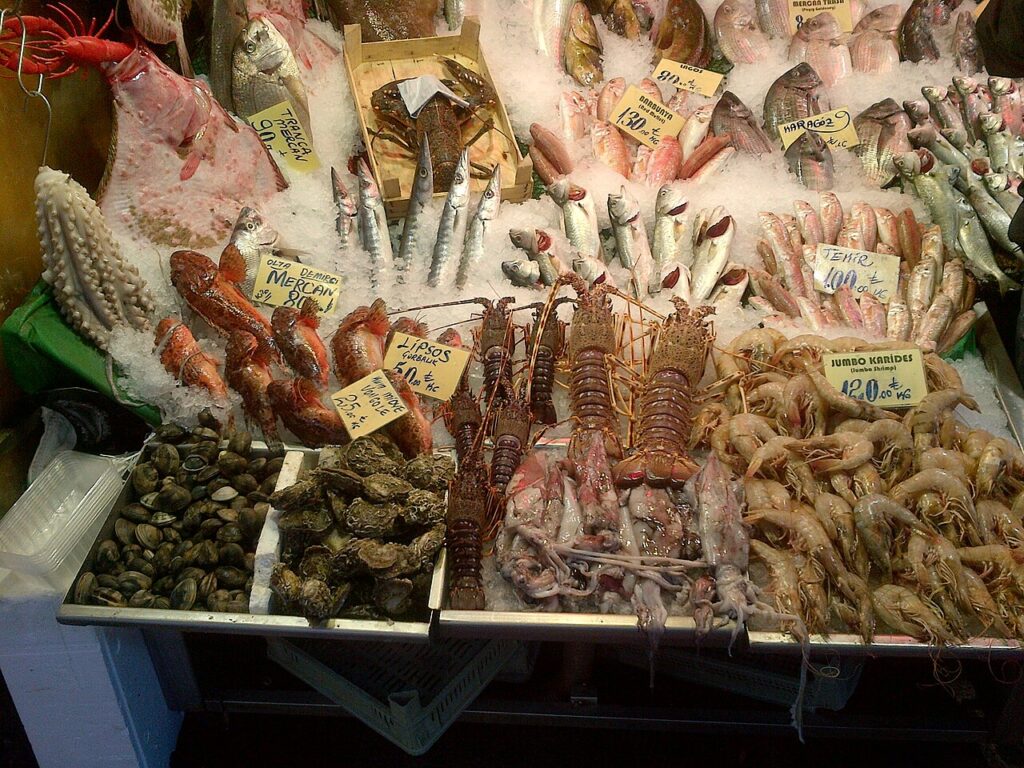
Before any restaurant, understand the market. The Salı Pazarı hall behind the ferry terminal supplies Kadikoy’s kitchens, and eating your way through its stalls is the fastest possible education in Turkish food. Sample the olives — try the green ones with lemon and herbs before you commit to a kilo; taste the cheeses, from the white feta-like beyaz peynir to the aged, salty varieties from eastern Turkey; buy a wedge of halva, sweetened sesame paste, for dessert. In season, the market fills with produce from the farms across the Marmara, and in winter the anchovy — hamsi — stalls do a roaring trade. Come hungry, taste freely, and build the ingredients for a picnic or an apartment dinner.
Breakfast: The Serpme Tradition
Kadikoy’s breakfast houses are famous across Istanbul, and the weekend queues outside the best of them are proof. The serpme kahvaltı — the “spread” breakfast — is a table crowded with small plates: menemen, the scrambled eggs cooked with tomatoes and peppers; kaymak and honey, the clotted cream that is one of Turkey’s great pleasures; sucuklu yumurta, eggs fried with spicy sausage; olives, cheeses, cucumbers, fresh bread, and bottomless tea. A proper serpme for two is a feast and a half. Order it at any of the breakfast spots along the Moda coast or the streets behind it, arrive early on weekends, and plan to sit for the better part of an hour.

Lunch: The Lokanta Way
The lokanta is the working-class restaurant of Turkey — a counter of steel trays holding the day’s dishes, a staffer who serves whatever you point at, a table where you eat quickly and well. Kadikoy has some of the best in Istanbul, clustered around the market and the streets behind it. Point at the dishes that look like they were made that morning: the beans — kuru fasulye — white beans in a rich tomato broth, served with rice and a pickle; the vegetable stews that change with the season; the börek, flaky pastry filled with cheese or spinach; and the daily meat dish, often a kebab or a stew. The total for a full plate with bread, a salad, and ayran — the salty yogurt drink — will not trouble a modest budget.
The Fish Restaurants of the Coast
Kadikoy’s waterfront is lined with fish restaurants, and while the ones closest to the ferry terminal court the passing tourist trade, the neighborhood’s real seafood is found at the established houses along the coast and behind Moda. The rule of thumb: the place full of locals at 8 p.m. on a Tuesday is the place to be. Order by the day’s catch — the fish come in fresh from the Marmara and the Black Sea — and eat it simply: grilled, with lemon, a green salad, and a glass of raki or white wine. In season, the anchovy (hamsi), the bluefish (lüfer), and the bonito (palamut) are the stars. A meal of meze followed by grilled fish is the classic Kadikoy seafood evening.

The Meyhane: Dinner as an Event
The meyhane is the Turkish tavern, and Kadikoy’s meyhanes are the soul of its evening life. The ritual is specific: a table of meze — stuffed vine leaves, white beans in olive oil, octopus salad, grilled halloumi, a dozen more — arrives in waves, eaten slowly with raki (the anise-flavored national drink) or wine; the main course is usually fish; and the evening runs long, with conversation, music, and sometimes a roomful of strangers singing together. The streets behind the market are dense with meyhanes, and locals have fierce loyalties to their favorites. Do not try to rush a meyhane dinner — the point is the opposite of rushing.
Beyond the Tourist Streets: Where Locals Actually Eat
Walk ten minutes from the ferry terminal in any direction and the restaurant scene transforms. The streets of Moda hide small Italian-Turkish hybrids and neighborhood grills; the lanes around the market hold kebab shops where the meat is carved at the counter and the dürüm — the wrap — is assembled in front of you; the backstreets of Yeldeğirmeni have specialty pide (Turkish flatbread) ovens and modern small-plate places run by the neighborhood’s young chefs. The through-line is that the food is cooked for people who live here. Follow the queues — in Kadikoy, a line outside a restaurant is a reliable recommendation.

Sweet Things and the Cafe Culture
Turkish sweets deserve their own category. Kadikoy has baklava houses where the pastry is made on the premises, and the neighborhood’s fırın — bakeries — produce simit (the sesame-covered bread rings sold from carts across the city), börek, and fresh pastries through the day. The yogurt-based künefe, a hot cheese-and-dough dessert drowned in syrup, is a specialty you should not miss. And the cafe culture: Kadikoy’s specialty-coffee roasters have made the neighborhood a pilgrimage site for coffee people, alongside the traditional coffeehouses where Turkish coffee is brewed over hot sand and served with a glass of water and, sometimes, a fortune reading in the grounds.
Drinks: Raki, Wine, and the Bar Streets
No guide to Kadikoy food is complete without the drinking culture that surrounds it. Raki is the classic companion to meze and fish — anise-flavored, milky-white when mixed with water, a drink designed for long tables. The neighborhood also has a growing wine scene, with shops selling Turkish wines — the country has a serious wine tradition that surprises many visitors — and bars pouring them alongside the beer and the rakı. The nightlife quarter fills after dinner with the same crowd that ate the meze. In Kadikoy, eating and drinking are the same activity, just sequenced.
The Budget Rule
Kadikoy is the neighborhood where a traveler can eat remarkably well for remarkably little — provided you follow the local rules. Eat breakfast at a breakfast house but split the serpme; eat lunch at a lokanta, where the full meal is the cheapest thing on the menu; get your dinner fish from the market and grill it yourself if you have a kitchen, or order the meze-heavy version of a meyhane evening rather than the full raki ritual. The single biggest budget move is to eat where the locals eat: the same meal that costs a fortune on the Sultanahmet tourist strip is a fraction of the price here, and usually better.
A Kadikoy Food Day, Planned
Start with breakfast at a Moda kahvaltı house. Mid-morning, coffee at a roaster in Yeldeğirmeni with a piece of baklava. Lunch at a market-area lokanta — beans, rice, salad, ayran. Mid-afternoon, a simit from a street cart with cheese from the market. Dinner: meze and fish at a coastal restaurant, or the full meyhane ritual behind the market. Finish with künefe and mint tea, or head to the nightlife quarter if the evening is young. This is not a plan to execute strictly — it is the shape of a Kadikoy day, and the neighborhood will happily fill in the details.
Frequently asked questions
Do Kadikoy restaurants have English menus?
Many do, especially in the center and in Moda. In the traditional lokantas and meyhanes, you may need to point at dishes or let the staff recommend — which is half the fun.
Is it hard to find vegetarian food?
Not at all. Turkish cooking is full of vegetarian dishes — the meze tables are largely vegetable-based, and the bean and vegetable stews of the lokantas are standard. Tell the staff “etsiz” (without meat) and you will be well fed.
How much should I budget for food in Kadikoy?
A lokanta lunch is remarkably cheap; a serpme breakfast for two is a comfortable mid-range splurge; a meyhane evening with raki and fish is the most expensive item on this list but still undercuts the equivalent in the tourist centers.
Do I need to book the famous breakfast places?
Weekends are the problem — the queues are real. Go on a weekday, or arrive early on Saturday. The big meyhanes take bookings for evenings, which is wise in high season.
Is the market food safe to eat?
Yes. The market is busy, fast-moving, and its produce turns over daily. The raw-milk cheeses are a local favorite but a risk for some stomachs — stick to the pasteurized options if you are cautious.

All Over Information
The All Over Information editorial team researches and writes practical English-language guides to Turkey. Facts are checked against official and local sources before publication, prices are published as dated ranges rather than quotes, and guides are revised when things change. We accept no sponsored posts, paid placements or paid links.
More guides like this

Kadikoy in Winter: What to Expect
Kadikoy in winter is the neighborhood's best-kept secret.
Photography Spots in Kadikoy You Can’t Miss
Kadikoy is a photographer's neighborhood, and not in the way the old city is.

Where to Stay in Kadikoy: Neighborhood Guide
Most visitors to Istanbul sleep on the European side, close to the monuments, and cross the water only for a day trip…

Family-Friendly Activities in Kadikoy
Kadikoy is the Istanbul neighborhood that families discover by accident and then never forget.

History and Culture of Kadikoy
Kadikoy is older than Istanbul — or rather, older than the city that became Istanbul.