Kadikoy is a neighborhood of layers. The travelers who come here — most of them on a day trip from the European side — tend to see the same strip: the ferry terminal, the market, a walk along the Moda coast, a meal, a ferry back. It is a good strip. But the real Kadikoy sits behind it and beyond it: courtyards, hilltop viewpoints, century-old bakeries, quiet mosques, streets that hold entire histories. This guide collects the hidden gems — the places the guidebooks skip and the day-trippers never reach.
The Yeldeğirmeni Murals and the Courtyards Behind Them
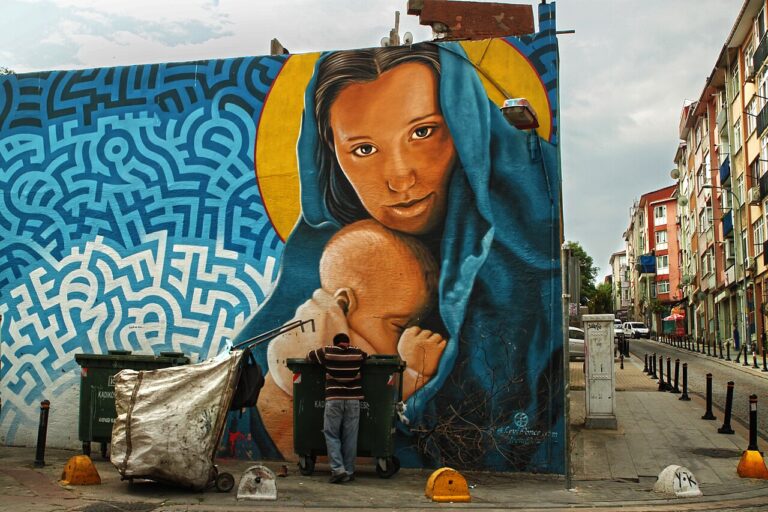
The old Jewish quarter directly behind the ferry terminal has been repainted, quite literally, by an annual street-art festival: entire building facades now carry enormous, ambitious murals, and the narrow streets between them form an open-air gallery that changes every year. Tourists photograph the market and the coast; the murals are where the neighborhood’s artists actually live. Wander the streets without a map — Yeldeğirmeni rewards getting lost. Look up often, because the best works are on the upper walls, and check the doorways of the courtyards, which hide small galleries, ceramic workshops, and the specialty-coffee roasters that made the quarter a pilgrimage for coffee people.
The Sailors’ Quarter History of Yeldeğirmeni
The murals are the new layer; the old layer is the quarter’s history. Yeldeğirmeni — “the windmill quarter” — took its name from the windmills that once turned on its hill, and for centuries it was home to one of Istanbul’s most important Jewish communities, whose presence shaped the neighborhood’s fabric. The synagogue, built in the 1880s, still stands, a modest building on a backstreet that most visitors walk straight past. On its history tours — and occasionally at open days — you can see how the community lived. The quarter’s character — introverted, communal, quietly proud — is a direct inheritance, and knowing the history makes the murals read differently.
The Küçük Moda Hillside and Its View
Everyone walks the Moda coast; almost no one climbs the hillside above it. Take the steps up from the waterfront, past the old apartment buildings with their balconies full of laundry and bougainvillea, and you reach a viewpoint that looks back down over the park, the piers, and the whole sweep of the Marmara toward the old city. It is the classic Moda postcard view — from above. The hillside streets are also where the neighborhood’s vintage shops and record stores cluster, and where the morning smells of the bakeries drift up from the street below. Come at golden hour; you will likely have the viewpoint to yourself.
The Neighborhood Bakeries, the Fırın
Every Turkish neighborhood has its fırın, the corner bakery that runs from early morning, and Kadikoy’s are among the best in Istanbul — but the tourists who come for the market never find them. These are the places that produce the city’s great daily breads: the simit rings fresh from the oven, the pide flatbreads, the börek pastries filled with cheese and spinach, the sesame rings and the loaves that fill Istanbul’s breakfast tables. Find the bakery that smells of wood smoke and morning; buy a warm simit and a wedge of cheese from the market, and you have a breakfast that no restaurant can match. Locals will queue for the fırın’s pide at lunchtime — a reliable sign.

The Moda Football Club and the Passion of the Neighborhood
Kadikoy has one of the great football cultures in Europe, and most visitors never notice. Moda’s streets are painted in the yellow and navy of Fenerbahçe, the club founded here in 1907 and worshipped with an intensity that defines the neighborhood’s identity. On match days the cafes and barbershops of Moda fill with fans; the club’s Şükrü Saracoğlu Stadium sits just south of the coast, its huge arched facade visible from the water. You do not need to love football to feel the atmosphere — a match-day evening walk through Moda is a lesson in what a community’s heart looks like. Tickets for matches are available to visitors and are one of the great local experiences.
The Rahmi Koç Museum: Istanbul’s Industrial Secret
Just across the water in Hasköy, a short ferry or bus ride from Kadikoy, sits one of Istanbul’s most surprising museums: the Rahmi Koç Museum of industry and transport. Housed in a centuries-old shipyard on the Golden Horn, it holds everything from vintage cars and trains to submarines, aircraft, and the most remarkable collection of steam engines in the region. It is fascinating for adults and irresistible for children — you can board a real submarine and a historic tram, and the collection is beautifully curated. It is the museum Istanbulis take their kids to and tourists never find. Allow half a day, and take the ferry from Kadikoy to make the crossing part of the adventure.
The Ferry to the Princes’ Islands — from the Asian Side
Almost every tourist who visits the Princes’ Islands — the car-free archipelago in the Sea of Marmara — sails from the European side. The secret is that the islands’ main port, Büyükada, is served by ferries from Kadikoy itself, making the neighborhood the natural jumping-off point and putting you an hour from a day on an island of pine forests, horse-drawn carriages, and waterfront mansions that time forgot. The island is small, walkable, and blissfully free of cars; rent a bicycle or take a carriage to the monastery hill at the center, and you will understand why Istanbul’s old-money families summered here.
The Backstreet Mosques and the Call to Prayer
Kadikoy’s mosques are not monuments in the Sultanahmet sense — they are neighborhood institutions, small and unassuming, woven into the streets. The call to prayer from the minarets of Moda and the center is one of the great soundtracks of Istanbul, and the mosque courtyards — cool, tiled, planted with trees — are sanctuaries of calm in the middle of a busy day. Some, like the Süleymaniye-style mosque near the market, have histories that reach back centuries. Visit quietly, respect the customs — modest dress, shoes off — and you will have an experience of living Islam that the tourist mosques, for all their beauty, cannot give.
The Records and the Secondhand Culture
Kadikoy is a collector’s paradise hiding in plain sight. The record shops of Moda and the streets behind Bahariye carry Turkish classics — the great singers of the Arabesque and folk traditions — alongside jazz, rock, and electronica, at prices that make crate-diggers weep. The vintage clothing stores, already mentioned in every “things to do” list, have their quieter cousins in the furniture and curio shops of the backstreets, where old brass, copper, and kilims surface at flea-market prices. Set aside an afternoon with no plan; the finds are the kind you will be talking about for years.
The Quiet Coffeehouses vs. the Loud Cafes
Everyone finds the specialty roasters of Yeldeğirmeni — they are on the map now. The hidden gem is the traditional coffeehouse, the kıraathane, where the coffee is brewed in a copper pot over hot sand and served with a glass of water and a piece of Turkish delight. These rooms — wood-paneled, tobacco-scented, full of backgammon boards and old men who have played each other for decades — are disappearing from Istanbul, and Kadikoy still has a few working ones. The coffee is serious, the atmosphere is a living museum, and the only tourist in the room will be you. Ask a local where the old men play backgammon; that is where the coffeehouse will be.
The Rooftop of the Moda Coast at Night
Last, a moment rather than a place: the Moda coast at night, after the crowds have gone home. The ferries keep running, the lights of the old city shimmer across the water, the fishermen settle onto the seawall with their rods, and the park empties to a few couples and night runners. It is the same view that draws the daytime crowds, transformed — quieter, darker, more intimate, and all yours. This is the Kadikoy the residents keep for themselves, the one that survives the day-trippers’ return ferries.
Frequently asked questions
How do I get to the Rahmi Koç Museum from Kadikoy?
Take the ferry from Kadikoy toward the Golden Horn, then a short bus or walk. The whole journey is under an hour and part of the experience.
Can I visit the Princes’ Islands from Kadikoy?
Yes — ferries to Büyükada and the other islands run from Kadikoy’s pier, making it the natural departure point for an island day trip.
Are the Yeldeğirmeni murals new?
They are repainted regularly by the annual street-art festival, so the gallery changes every year — worth a visit in any season.
Is the Moda football culture something visitors can join?
Yes. Match tickets go on sale to everyone, the atmosphere is famous, and even a visit to the stadium area on a match day is an experience.
Are the traditional coffeehouses open to tourists?
Yes, warmly. Order a Turkish coffee, sit, and let the room do the rest. The regulars are used to curious visitors and happy to chat — football, backgammon, and the neighborhood are the safe topics.

All Over Information
The All Over Information editorial team researches and writes practical English-language guides to Turkey. Facts are checked against official and local sources before publication, prices are published as dated ranges rather than quotes, and guides are revised when things change. We accept no sponsored posts, paid placements or paid links.
More guides like this

Top 10 Things to Do in Kadikoy
Kadikoy is the Asian-side neighborhood that travelers keep discovering, then keep coming back to.

Shopping Guide: What to Buy in Kadikoy
Shopping in Kadikoy is a different experience from the tourist bazaars of the old city — and a better one. The Grand…
A Solo Traveler’s Guide to Kadikoy
Kadikoy may be the best neighborhood in Istanbul for the solo traveler, and the reasons are specific.
Kadikoy Airport and Transport Guide
Kadikoy is one of the best-connected points in Istanbul, and the neighborhood's transport is part of why travelers choose to base themselves…

Best Local Restaurants in Kadikoy
Kadikoy is the neighborhood where Istanbulis argue the best food in the city actually lives.

Kadikoy in Winter: What to Expect
Kadikoy in winter is the neighborhood's best-kept secret.