Aladaglar National Park is one of Turkey’s most spectacular mountain destinations, but it is also one of the most demanding to visit well. The park is remote, the terrain is serious, and the services are basic, so a little planning goes a long way. This practical guide covers everything you need to know: when to go, how to get there, which gateways to use, what permits and arrangements you need, how to prepare for the trails, and how to stay safe. Whether you plan a day visit or a week of trekking, these tips will help you make the most of the mountains.
When to Go
The practical season for visiting Aladaglar runs from June to October. In June, the valleys are green and the passes may still hold snow, while July and August offer the most stable weather.
September is many trekkers’ favorite month, with clear skies, cooler temperatures, and the crowds of summer gone.
In spring, the valleys are wet and the high routes are blocked by snow, while winter brings deep snow and severe cold, closing the park to ordinary visitors.
For the best balance of weather, flowers, and quiet, aim for mid-June or September, and always check the conditions before you commit to a route. The park is open all year, but the practical season is defined by the snow, and the high routes are only walkable in the summer months. Weekends in July and August bring the most trekkers, so if you value solitude, aim for weekdays or the shoulder months of June and September.
Getting to the Park
The park is reached from two sides. The northern gateway is the town of Camardi, in the province of Nigde, and the southern gateway is Cukurbag, in the province of Adana.
The nearest cities are Nigde and Adana, both with transport connections, and from either you continue by road into the mountains.
Because the park is remote, you need your own vehicle or a pre-arranged transfer, and most visitors organize transport through their accommodation or a local agency.
The roads into the park are rough in places, so drive carefully, and consider a four-wheel-drive vehicle for the higher valleys. The approach roads pass through attractive countryside of orchards and villages, and the first sight of the peaks rising ahead is one of the great moments of the journey. There is no public transport to the park itself, so plan your transfers carefully, and confirm your arrangements before you leave the city.
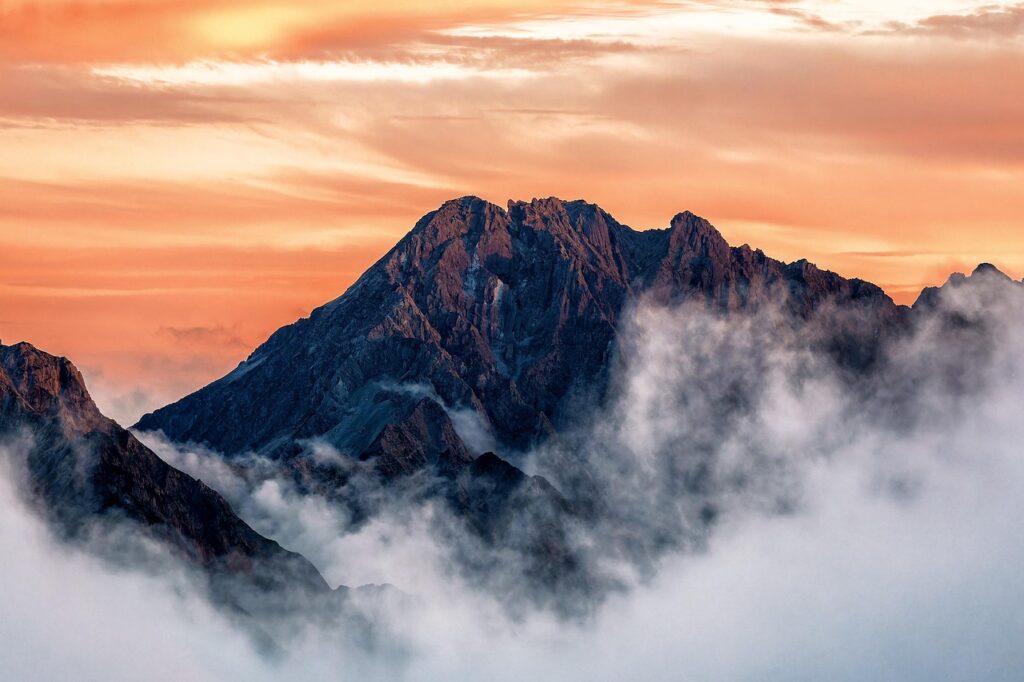
The Gateways: Camardi and Cukurbag
Camardi, on the north side, is the traditional base for the park, with guesthouses, restaurants, and agencies that organize guides and treks.
Cukurbag, on the south, is smaller and quieter, but it is the starting point for the classic Sokullupinar valley approach.
Both villages offer simple accommodation, and both can arrange transport, guides, and supplies for the trails.
Most visitors choose one gateway as a base and organize their treks from there, though the classic through-trek crosses the park and ends at the other side. Both villages have a long history with the mountains, and the local people are happy to share advice about routes, conditions, and the best camping spots.
Permits and Mountain Huts
Visitors to the park are asked to register at the entrance, and this simple registration is the formal control for trekking. No advance permit is needed for day visits.
The park has a small number of mountain huts in the high valleys, offering basic shelter and beds, and they fill quickly in the summer season.
Camping is the more common choice, and you should bring your own tent, sleeping bag, and stove, because the huts provide little more than walls.
For climbing the highest peaks, an organized expedition with a guide is expected, and the local agencies handle the arrangements and the registrations. The registration is quick and simple, and the park staff can also give you up-to-date information about snow, trails, and conditions. The huts are simple: stone walls, wooden bunks, and no services, so trekkers still need their own bedding and food.

Trekking with or without a Guide
For experienced trekkers with good maps, the valley routes can be walked independently, and the main trails are reasonably clear.
For the high passes, the plateaus, and the approaches to the peaks, a guide is strongly recommended, because the weather and the remoteness make mistakes costly.
Guides also know the campsites, the water sources, and the safest routes, and their company adds greatly to the experience.
If you are unsure about your experience or your fitness, hire a guide: it is the safest and most rewarding way to discover the park. The cost of a guide is a fraction of the value they add, and most visitors who use one say it was the best decision of their trip.
Equipment and Packing
The mountains demand proper equipment. Sturdy waterproof boots, warm layers, a waterproof jacket, and a hat and gloves for the heights are essential.
For trekking, add a tent, sleeping bag, stove, and food, because the park has no shops and the huts are basic.
Carry a map and compass or a GPS, a first-aid kit, a headlamp, and a whistle, and pack sun protection for the open slopes.
Finally, remember that temperatures drop sharply at altitude and after sunset, so pack for cold even in the summer months. Rent anything you lack in the gateway villages, because the agencies carry tents, sleeping bags, and stoves for trekkers who travel light. A whistle, a mirror, and a headlamp are small items that can make a big difference in an emergency on the high trails.

Food and Water
You must carry all your food into the park, so plan your meals carefully and buy supplies in the gateway villages before you set out.
Water is available in the valleys from the streams and lakes, but it should be treated or boiled before drinking, because the mountain water is not guaranteed safe.
Carry a day’s supply of water with you on the higher routes, where streams are scarce, and a water filter or purification tablets are worth their weight.
On long trekking days, snack regularly, eat a good evening meal, and keep your energy up, because the altitude and the walking burn through reserves quickly. The gateway villages have small shops where you can buy the basics, from bread and cheese to dried fruit and fuel for your stove.
Weather and Mountain Safety
The weather in the Aladaglar changes quickly, and storms can gather over the peaks within an hour even in summer, so check the forecast daily and watch the sky.
Lightning is a danger on the high ridges, so start early, finish the exposed sections by the middle of the afternoon, and never shelter under solitary rocks.
The streams run fast and cold with snowmelt, and the ground beside them is slippery, so cross carefully and keep children close.
Finally, tell someone your route and return date, walk with company where possible, and turn back if conditions turn against you. Altitude sickness is possible above three thousand meters, so climb slowly, drink water, and descend if you feel unwell.

Where to Stay
The gateway villages of Camardi and Cukurbag offer simple guesthouses and small hotels, with basic but welcoming rooms and good local food.
For the high season, book ahead, because the accommodation is limited and the park is popular with Turkish trekkers in summer.
Inside the park, your options are the basic mountain huts or your own tent, and both need advance thought.
Staying in the villages also puts you close to the agencies, the transport, and the local knowledge that make a visit to the mountains run smoothly. The village guesthouses also serve generous local meals, and an evening meal in Camardi or Cukurbag is the perfect end to a day in the mountains. Camping in the gateway valleys is another option, and the sound of the streams makes a fine night’s sleep after a day of walking.
Planning Your Trip
A day visit to the lower valleys is possible without special equipment, and it gives a real taste of the park’s beauty.
A trek of two to four days allows the classic valley routes and the high lakes, while a full week can cover the passes and the approaches to the peaks.
Whatever your plan, allow a day of acclimatization before any high walking, and build in a reserve day for bad weather.
Plan your route, register with the park, brief your accommodation, and go prepared, and the Aladaglar will give you memories to last a lifetime. Give yourself time to enjoy the park rather than racing through it, because the valleys and lakes deserve a slow pace.
Frequently asked questions
How many days do I need in Aladaglar?
One day is enough for a taste of the park, with a walk in the lower valleys and views of the peaks. Two to four days allows the classic trek through the high valleys, camping by the lakes and crossing the passes. A week gives time for the full range, including acclimatization, the approaches to the summits, and a reserve day for weather.
Is Aladaglar suitable for families?
The high mountains are not suitable for young children, but families with older, fit children can enjoy the lower valleys on day walks, which are gentle and beautiful. Trekking with small children is not recommended, because the distances are long, the altitude is real, and help is far away. Camping in the gateway villages and day walking is the family-friendly way to visit.
What should I pack for a trek in Aladaglar?
Pack for cold and changeable conditions: sturdy waterproof boots, warm layers, a waterproof jacket, hat and gloves, and sun protection. For camping treks, add a tent, sleeping bag, stove, food, and a water filter. Carry a map, compass or GPS, first-aid kit, headlamp, and whistle, and tell someone your route. The mountains reward preparation.

All Over Information
The All Over Information editorial team researches and writes practical English-language guides to Turkey. Facts are checked against official and local sources before publication, prices are published as dated ranges rather than quotes, and guides are revised when things change. We accept no sponsored posts, paid placements or paid links.
More guides like this
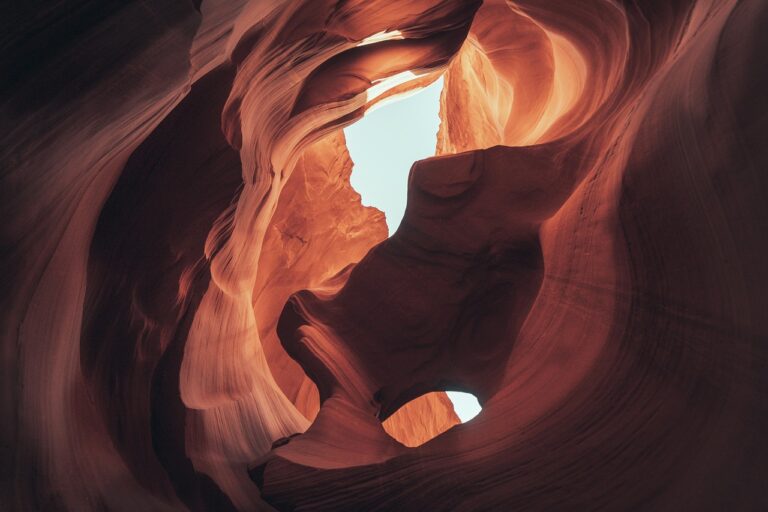
Exploring Koprulu Canyon: A Complete Guide
Koprulu Canyon is the adventure heart of Turkey's Mediterranean coast: a deep gorge carved by the Koprucay river in the Taurus Mountains,…
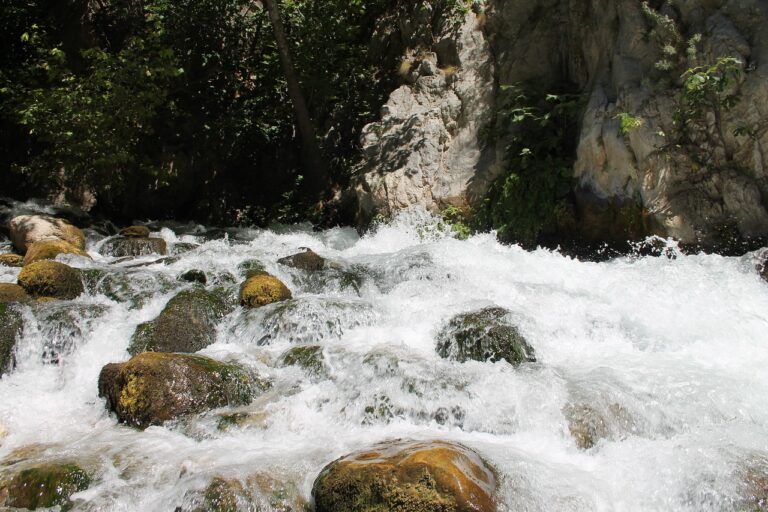
Exploring Saklikent Gorge: A Complete Guide
Saklikent Gorge is one of the most extraordinary natural sites in Turkey, a deep slot canyon cut through the mountains where an…
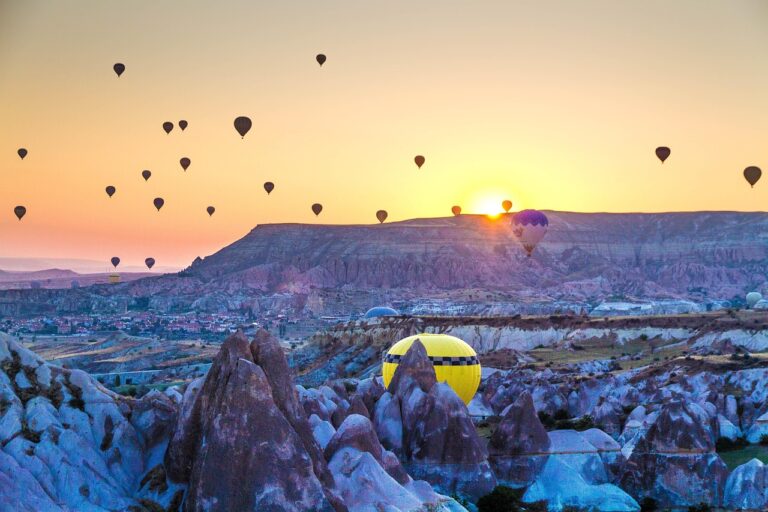
Butterfly Valley: Turkey’s Natural Wonder
Butterfly Valley is a natural wonder in the truest sense: a deep, green canyon that opens onto the Mediterranean with cliffs so…

Best Hiking Trails Around Mount Ararat
Hiking around Mount Ararat is a wilderness experience unlike anything else in Turkey.
How to Visit Egirdir Lake: Practical Tips
Egirdir Lake is one of the easiest of Turkey's great natural sights to visit, and one of the most rewarding.

How to Visit the Goksu Delta Wetlands: Practical Tips
The Goksu Delta is one of the most rewarding wildlife destinations in Turkey, and one of the easiest to visit badly.