Dolmabahce Palace is one of Istanbul‘s busiest sights, and its guided-tour system means crowds are not just uncomfortable but limiting: you wait longer, move faster, and see less. The good news is that the palace has a very predictable rhythm, and a little planning will put you inside when the halls are calm. This guide maps the crowd patterns by season, by day of the week, and by hour, so you can time your visit for the quietest experience possible.
Understanding the Crowds
The crowds at Dolmabahce come in waves, and the wave pattern is the key to planning. Tour groups arrive from mid-morning onward, and their coaches cluster at the gates in bursts that swell the queues for tickets and for the guided tours themselves.
The palace’s timed-entry system adds another layer. Because visitors are admitted in groups with guides, the pace is set by the schedule, and a busy hour means you spend more of your time waiting in line and less of it standing in rooms.
The busiest periods of the day follow the tour operators: roughly mid-morning to early afternoon. The quietest windows sit at the two ends of the day, and the very first entries are almost always the calmest, which makes the opening hour your most reliable ally.`n`nOne more factor shapes the rhythm: the cruise ships that anchor in Istanbul through spring and summer. When the ships are in port, their excursion groups add to the mid-morning surge, so the palace crowds track the shipping calendar as well as the tour schedule. On days when several large ships are in town, even the shoulder seasons can feel busy, which makes an early entry even more valuable.
The Shoulder Seasons: Spring and Autumn
Spring and autumn offer the best balance at Dolmabahce. From late April through June, and again from mid-September through October, the weather is mild, the light is beautiful, and the crowds, while real, have not reached the summer peak.
Spring is particularly rewarding for the gardens and the waterfront, which are at their greenest, and the palace’s position on the Bosphorus makes a morning visit genuinely pleasant. The shoulder seasons also bring fewer school groups and a slightly more relaxed atmosphere.
Autumn has the same advantages with an extra gift: the golden light of late afternoon over the strait. If you can pair an autumn visit with the late-day hours, you will see the palace at its most photogenic and among the fewest visitors of the whole year.
Summer: The Peak and How to Survive It
July and August are the heaviest months. Istanbul fills with travelers, the tour buses multiply, and the palace’s corridors and queues can feel relentless, especially between late morning and early afternoon.
If your trip falls in summer, survival is a matter of timing. Book your entry for the earliest available slot, arrive before the gates open, and treat the first hour as your protected time inside. After that, the crowds build quickly.
You can also use the summer calendar itself: the very hot middle hours drive some visitors to indoor sights, and the palace is one of them, so midday is often busier than the edges of the day. The opening and closing windows remain your best friends.
Winter: Quiet and Clear
Winter is the quiet season at Dolmabahce, and for many travelers it is the best time of all. From December through February the visitor numbers drop sharply, the queues vanish, and you can move through the palace at a genuinely gentle pace.
The trade-offs are real but modest. The days are shorter, the weather can be cold and wet, and some outdoor elements, like the gardens, are less inviting, though the palace interiors are comfortably heated and the light inside is warm.
For photographers and for travelers who hate queues, winter is the insider’s choice. The palace’s marble and gold photograph beautifully in the low winter light, and you will have the famous rooms largely to yourself.
The First Entry of the Day
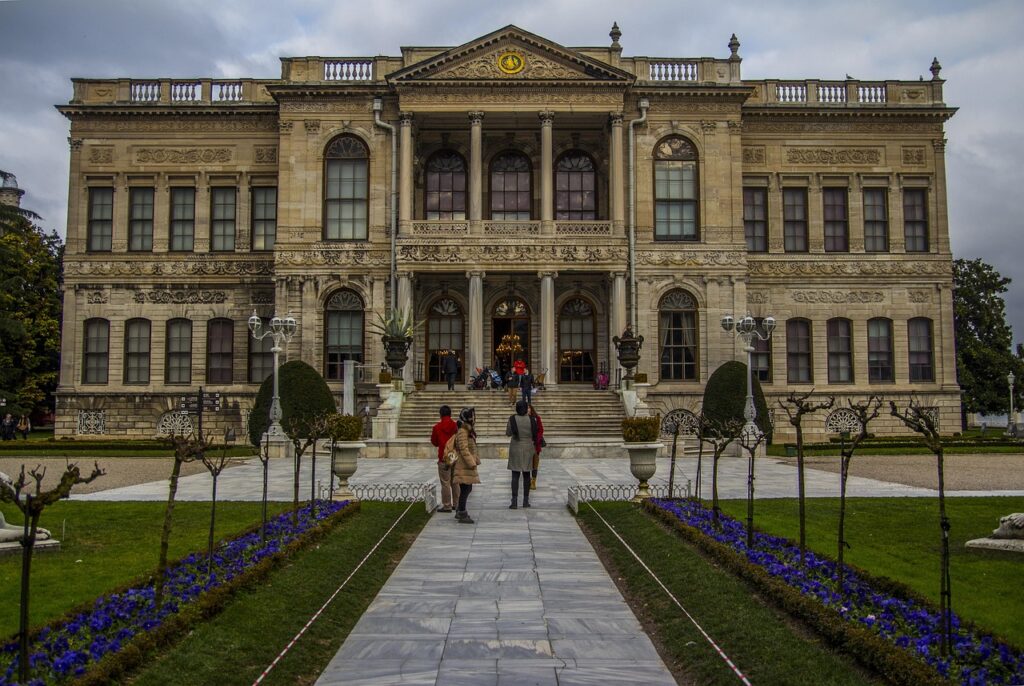
The single most effective way to beat the crowds is to take the first entry of the day. The palace’s earliest tours are consistently the quietest, with the smallest queues and the most relaxed pace inside the state apartments.
Arriving early also helps you beat the secondary crowds: the security line, the ticket purchase, and the wait to join a group all move fastest in the first half hour. Plan to be at the gates a little before opening, and the day rewards you.
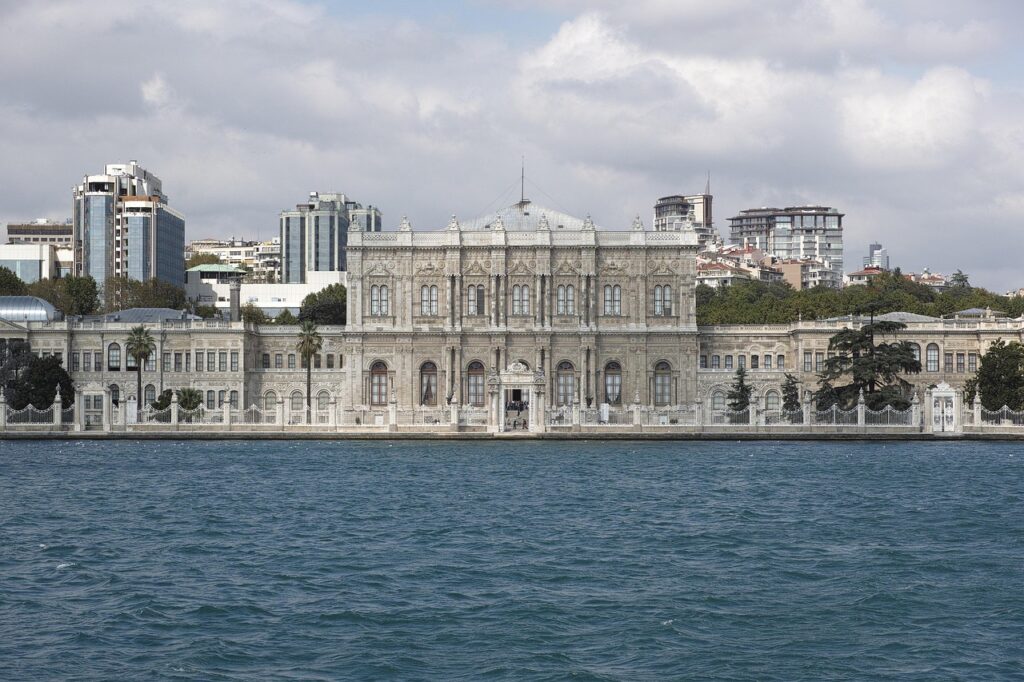
The morning light is another argument. The sun rises over the Asian shore, and the palace’s waterfront facade glows in the early light, giving you both the calmest visit and the best light for the exterior photographs you are allowed to take.`n`nThe staff are also at their freshest in the first hour, and the atmosphere inside is noticeably calmer. Guides have smaller groups in the early slots, which means more attention and a slower, more detailed tour of the rooms. For photographers and history lovers, that extra minute in each room is worth more than any other advantage you can arrange.
Midday and the Tour Group Wave
Midday is the time to avoid if you can. Between roughly 10:30 and 14:00 the tour groups dominate, the halls fill, and the guides move their parties through the rooms in a steady stream that makes lingering difficult.
The reason is logistical as well as cultural: the palace’s schedule of guided entries peaks in these hours, so the building is simply operating at capacity. Even the flow between rooms, controlled by the guides, becomes more hurried.
If your schedule forces a midday visit, accept a busier experience and use the waiting time productively: photograph the exterior, walk the gardens, and study the facade before you enter. The rooms themselves you will see, but at a quicker pace and in denser company.
Weekdays versus Weekends
The day of the week matters less at Dolmabahce than at some sights, because tour groups arrive on every day of the week. Still, weekends bring their own wave: more local visitors, more families, and longer queues in the middle of the day.
Tuesday through Thursday are generally the calmest weekdays, while Friday and Monday edges of the week can be busier, and weekends are the least predictable of all. If you are flexible, aim for a midweek morning.
There is one important exception to watch: the palace is closed on Mondays. That means Tuesday mornings can absorb the overflow, so the true sweet spot is usually Wednesday or Thursday, when the building has had a day to settle back into its rhythm.
Holidays and Special Days
Public holidays and religious festivals change the crowd picture completely. On national holidays the palace can be surprisingly busy with domestic visitors, while during the main religious festivals the site may close for part of the day.
The effect of holidays can be hard to predict, which is exactly why you should check the calendar before locking in your plans. A holiday falling on your chosen day may mean crowds, closures, or a shortened schedule.
The practical advice is simple: if your travel dates touch a holiday, build flexibility into your itinerary and check the palace’s schedule again a few days before your visit. The quietest planning is the planning done with the calendar in hand.`n`nA final note: the palace’s own schedule can change from year to year, with occasional closures for official events and conservation work. Checking the official sources shortly before you arrive is the only reliable way to know exactly what will be open when you are there.

Weather and the Light on the Bosphorus
Weather shapes both the crowds and the experience. Rainy days push some visitors indoors, so a light drizzle can actually reduce the queues at the palace, though it also dims the light inside and dampens the gardens.
Clear days give you the full show: the sun on the marble facade, the reflections in the strait, and the views from the windows over the water. For photographs, the soft light of late afternoon on a clear day is the best moment of all.
A sunny weekday in the shoulder season, with an early entry, is the closest thing to a perfect visit: bright rooms, calm halls, and the Bosphorus sparkling through the windows. Plan for that combination and you will rarely be disappointed.
Building Your Own Quiet Visit
You can combine every strategy into one plan. Choose a shoulder-season month, aim for a Wednesday or Thursday, book the first entry of the day, and hope for clear weather, and you have assembled the recipe for the calmest possible visit.
Before you go, do the small checks: confirm the opening schedule, book your tickets in advance, and allow time to be at the gates before the first entry. The five minutes of planning save you an hour of queue time at the busy end of the day.
The reward is a palace seen at its best: the halls quiet, the guides unrushed, and the marble glowing in morning light. Dolmabahce is beautiful in any crowd, but it is extraordinary when you have it to yourself.
Frequently asked questions
What is the best time of day to visit Dolmabahce Palace?
The first entry of the day is consistently the quietest, with the smallest queues and the calmest pace inside. Arrive before the gates open, book in advance, and you will tour the state apartments before the tour-group wave builds from mid-morning onward.
Which season has the fewest crowds?
Winter, roughly December through February, has the fewest visitors overall, and the palace is comfortably warm inside. Spring and autumn offer the best balance of mild weather and moderate crowds, while July and August are the heaviest months.
Is the palace open on Mondays?
No, the palace is generally closed on Mondays. Because of that, Tuesday mornings can absorb overflow crowds, so Wednesday or Thursday mornings are the sweet spot, especially when combined with an early entry time.

All Over Information
The All Over Information editorial team researches and writes practical English-language guides to Turkey. Facts are checked against official and local sources before publication, prices are published as dated ranges rather than quotes, and guides are revised when things change. We accept no sponsored posts, paid placements or paid links.
More guides like this

The Complete History of Hagia Sophia
Few buildings anywhere have lived as many lives as Hagia Sophia.

Spice Bazaar Through the Centuries
The Spice Bazaar has stood on the waterfront of Eminönü since the 1660s, and in that time it has witnessed the transformation…

The Architecture of Dolmabahce Palace Explained
Dolmabahce Palace is one of the most instructive buildings in Turkey because it is many styles at once: Baroque, Rococo, Neoclassical, and…

Best Time to Visit Rumeli Fortress to Avoid Crowds
The Rumeli Fortress is one of the most visited monuments of the Bosphorus, and the crowds of the castle can be as…

The Architecture of Spice Bazaar Explained
The Spice Bazaar is one of the finest surviving examples of Ottoman market architecture, a building that has done the same job,…

Turkey’s Best Museums Beyond Istanbul
Istanbul has the museums everyone knows, from the great archaeological collections to the palaces and cisterns.