Most first trips to Turkey stick to Istanbul, Cappadocia, and the coast, which means most travelers miss the country’s true culinary capital. Gaziantep, in the southeast near the Syrian border, is a UNESCO Creative City of Gastronomy where baklava, pistachios, and spicy kebabs have been refined for centuries. Beyond the food, you will find one of the world’s great mosaic museums, a medieval castle, atmospheric copper bazaars, and a famously warm welcome. This guide covers getting there, eating well, and handling the practical details so your first visit goes smoothly.
Why Gaziantep Deserves a Place on Your Itinerary
Gaziantep rarely appears on the classic Turkey route, and that is exactly why you should go. The city was named a UNESCO Creative City of Gastronomy in 2015, and it treats the title as a responsibility: every kebab, pastry, and soup is a matter of local pride. If you care about food at all, this is the most rewarding city break in the country.
The city pairs serious eating with serious history. The Zeugma Mosaic Museum holds one of the world’s richest collections of Roman mosaics, including the haunting Gypsy Girl portrait that has become the city’s symbol. Gaziantep Castle crowns the old town, and the bazaars below it have traded copper, spices, and pistachios for centuries. Day trips to Rumkale, Halfeti, and the Euphrates add a whole other dimension.
Practically, Gaziantep is easier than you expect. The historic core is walkable, the airport is a short drive from the center, and locals are famously hospitable. Allow a couple of days, eat often, and you will leave planning your return.
Getting to Gaziantep
Gaziantep is served by Oğuzeli Airport, about twenty kilometers south of the city center, with direct flights from Istanbul and other major Turkish cities. The flight from Istanbul takes roughly an hour and a half, making it by far the fastest way to arrive. From the airport, you can take a shuttle, a public bus, or a taxi into town, with the ride taking around half an hour.
If you prefer the ground, long-distance buses from Istanbul’s main bus terminal run overnight and take about twelve hours or more. Buses drop you at the modern otogar north of the center, where taxis and dolmuş minibuses connect onward. Driving is feasible if you are touring the southeast by car, but parking in the old town is tight and best avoided.
For travelers combining Gaziantep with southeastern cities like Şanlıurfa, Adıyaman, or Hatay, intercity buses are frequent and comfortable. Many visitors treat Gaziantep as the regional hub.
Getting Around the City
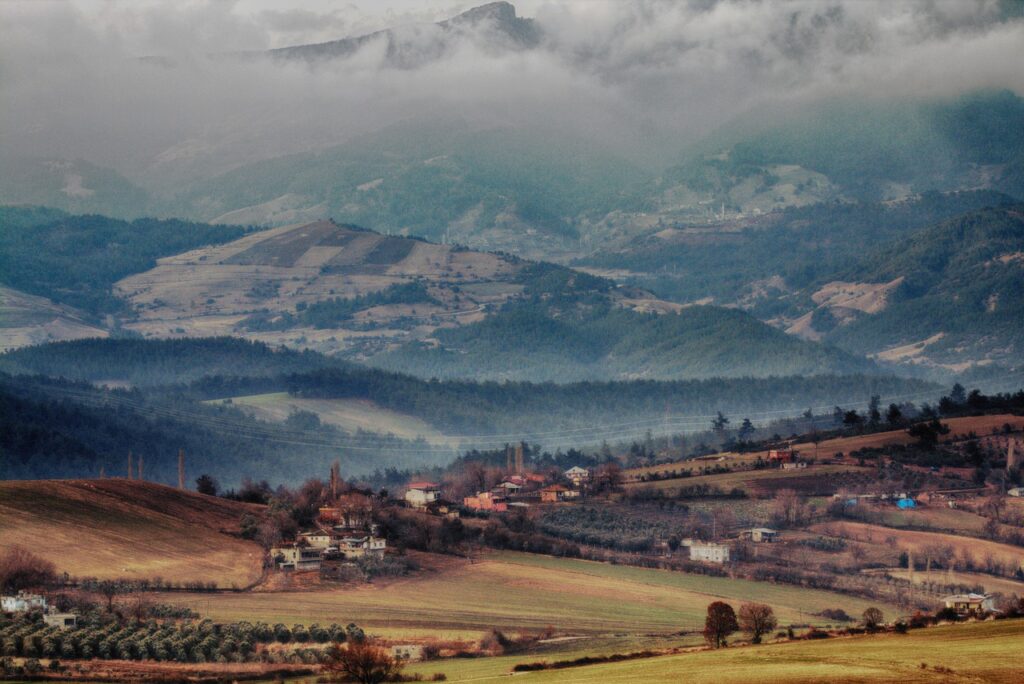
Gaziantep’s historic core is compact, and most first-timers will walk it. The castle, the bazaars, the mosques, and the old stone houses of the Bey district all sit within a comfortable radius. Walking is not just practical; it is the point, because half the pleasure is drifting between copper workshops, pistachio stalls, and tea gardens.
For longer moves, a tram line connects the railway station with the center, buses cover the wider metro, and taxis are plentiful and metered. The shared minibuses called dolmuş follow fixed routes for small fares and are worth trying once you have your bearings.
The climate matters for pacing: summer afternoons are intense, so do outdoor wandering in mornings and evenings. Winter brings cold and rain, so pack accordingly.
Eating: The Real Reason to Come
Eating is the main event in Gaziantep, and first-timers should approach it like a schedule. Start a day the local way with katmer, a flaky pistachio pastry served warm, or beyran, a fiery lamb and rice soup that wakes you up faster than coffee. Both are Gaziantep signatures you will not find done this well anywhere else.
Lunch means kebab. Alinazik, with its smoky eggplant base, is a great introduction, and the thin, crisp lahmacun is a snack you will want every day. For sweets, the baklava here is the benchmark the world measures against, made with Antep pistachios and clarified butter. Şöbiyet, a cream-filled cousin of baklava, and fıstık ezmesi, a simple pistachio paste, deserve their own tastings.
Drinks matter too. Menengiç, a coffee made from wild pistachios, is caffeine-free and local, while the bitter dark mırra is served in tiny cups as a sign of hospitality. Plan several short meals rather than one big dinner, and you will eat like a local without wrecking your digestion.

Zeugma Mosaic Museum and the Gypsy Girl
The Zeugma Mosaic Museum is the single best reason to visit Gaziantep, and it is genuinely world-class. It houses mosaics rescued from the ancient city of Zeugma, which guarded a crossing of the Euphrates and was partly flooded by the Birecik Dam reservoir. Excavations recovered extraordinary floor mosaics from Roman villas, and they now fill this purpose-built museum.
The star is the Gypsy Girl, a fragmentary mosaic portrait whose tilted face and mysterious gaze follow you across the room; she has become the emblem of the city. Beyond the icon, the collection spans mythological scenes, ocean gods, and everyday Roman life.
Plan at least two hours and use the English signage to find the major pieces. The museum can be busy on weekends, so a weekday morning gives the calmest viewing. Photography is allowed in most areas, though the lighting is dim by design.
Gaziantep Castle and the Old Town
Gaziantep Castle rises on a hilltop in the heart of the old town, its massive stone walls visible from most of the center. The site has ancient origins, with the current fortifications largely shaped in Byzantine times. Climbing the ramparts gives sweeping views over the red rooftops, minarets, and copper-domed bazaars below.
The castle was severely damaged in the 2023 earthquakes, and parts of the complex remain closed for restoration, so check current access. Even if the inner keep is closed, the approach and surrounding streets are atmospheric, and its wartime role is worth understanding.
Below the hill spreads the old town: a maze of narrow lanes lined with restored stone houses, ornate fountains, and craftsmen’s workshops. The area around Tahmis Kahvesi, a historic coffeehouse, is perfect for an afternoon wander, with tea, sweets, and shade on every corner. Let yourself get lost; the old town rewards it.
The Copper Bazaar and the Spice Market
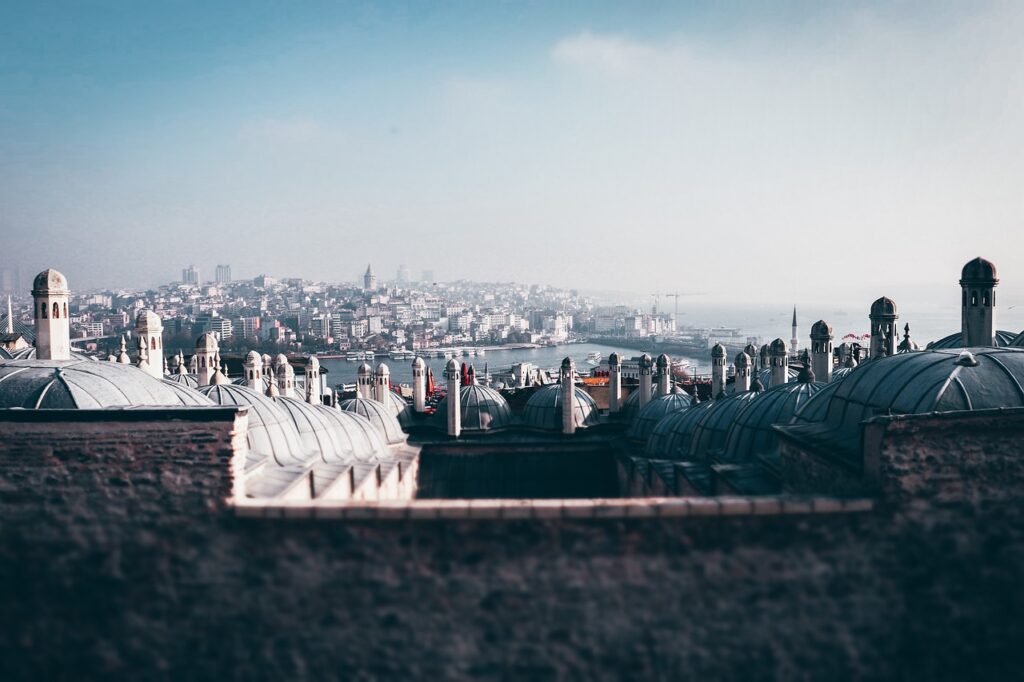
Gaziantep’s bazaar district is the beating heart of the old town, and the copper bazaar is its loudest corner. Coppersmiths hammer sheets of metal into pots, trays, and coffee sets, keeping alive a craft the city has been famous for since Ottoman times. Watching the work is free; resisting the finished pieces is harder.
Nearby, the spice market stacks dried peppers, sumac, pomegranate molasses, and the red pepper flakes that define Gaziantep cooking. You will also find the pistachio economy in full display: roasted nuts, raw kernels, and jars of paste. Buy small amounts to taste, and keep purchases sealed for the journey home.
The covered bedestens, historic market halls, sell textiles, jewelry, and souvenirs alongside food. Prices are often negotiable, so polite haggling is expected. Carry cash for smaller stalls, and arrive hungry, because many shops offer samples as a matter of courtesy.
Sıra Gecesi: A Night of Music and Food
One of Gaziantep’s great cultural experiences is the sıra gecesi, a traditional evening gathering where friends share food, music, and conversation. The name refers to the seated row of guests, and the format has roots in old neighborhood life, when households took turns hosting. Today, restaurants and cultural venues stage sıra gecesi performances for visitors.
Expect a long, slow evening of shared dishes, regional songs, and the distinctive sound of the cura and other local instruments. The food is generous and communal, and the mood is warm rather than staged. You will likely be invited to clap along, and occasionally to join a circle dance.
Bookings are generally needed, and venues often cater to groups, though couples and solo visitors can join shared tables. Evenings start late and run long, so treat it as the main event of your day. It is the city’s signature night out.

Where to Stay for First-Timers
For a first visit, staying near the historic center is the smart move. The old town around the castle and bazaars puts you within walking distance of the main sights and the best food streets, and the restored stone mansions in this area make atmospheric hotels. The streets can be busy, so ask about quiet rooms if you sleep lightly.
The Şehitkamil side of the city, north of the old town, holds larger hotels and easier parking, a reasonable trade-off for walkability. The Bey district, famous for its restored Ottoman-era houses, mixes boutique stays with museum visits. Any of these keeps your days simple.
For airport convenience, the area around the station and the newer commercial districts has modern hotels. Prices are generally lower than in Istanbul, and even mid-range places are good value. Book ahead in spring and autumn, when the city draws the most visitors.
Practical Tips for a Smooth Visit
A few habits will make Gaziantep easy. Learn a handful of Turkish phrases, merhaba, teşekkürler, and kolay gelsin, the universal greeting to workers, and doors will open. Cash is useful in the bazaars, though cards are accepted in most shops and restaurants. Keep small notes handy for dolmuş fares and tips.
Dress modestly for mosque visits and bring a scarf if you plan to enter any of the historic mosques; the city is more conservative than the coast. In summer, sun protection and water are essentials; in winter, the city can be surprisingly cold and rainy.
Finally, be generous with your time. Gaziantep rewards the traveler who sits down for a third glass of tea and lets the day unfold slowly. Rushing misses the point of a city whose greatest export is hospitality.
Frequently asked questions
How many days should I spend in Gaziantep as a first-timer?
Two full days is the sweet spot for a first visit. Day one covers the castle, the bazaars, and the old town, with a long meal in the middle. Day two is for the Zeugma Mosaic Museum, more serious eating, and a sıra gecesi evening. Add a third day if you want a day trip to Rumkale and Halfeti along the Euphrates.
Is Gaziantep safe for tourists?
Gaziantep is a large, working city, and the tourist areas are generally safe and welcoming. Exercise the same common sense you would anywhere: watch your belongings in crowded bazaars, use licensed taxis, and stay aware at night. Tourism infrastructure is well developed, and locals are famously hospitable to visitors walking around the old town.
What is the best way to eat in Gaziantep?
Eat often and eat small. Breakfast is the city’s most ritualistic meal: katmer, beyran, or menengiç coffee. Through the day, graze on lahmacun, kebabs, and sweets, treating each one as its own event. Ask locals and hotel staff where they eat, follow the queues, and let portion sizes guide you.

All Over Information
The All Over Information editorial team researches and writes practical English-language guides to Turkey. Facts are checked against official and local sources before publication, prices are published as dated ranges rather than quotes, and guides are revised when things change. We accept no sponsored posts, paid placements or paid links.
More guides like this

Gaziantep in Summer: A Complete Travel Guide
Summer in Gaziantep is intense, bright, and delicious.

Gaziantep in Winter: What to Expect
Winter transforms Gaziantep from a city of open-air bazaars into a city of steam, spice, and warm rooms.

The Best Day Trips from Gaziantep
Gaziantep is a superb base for exploring the upper Euphrates and the ancient lands of the southeast.
48 Hours in Gaziantep: The Perfect Itinerary
Two days in Gaziantep sounds short, and it is, but the city is compact enough that a well-planned 48 hours covers the…
Shopping Guide: What to Buy in Gaziantep
Shopping in Gaziantep is a serious pursuit, and the city's reputation as a gastronomy capital has a craft side to match.

History and Culture of Gaziantep
Gaziantep has been a city for thousands of years, and its history is written across the landscape: in the mound of Dülük,…