Turkey is a year-round destination, but the best time to go depends entirely on where you are going. The Mediterranean coast shines in summer, Cappadocia glows in spring and autumn, the Black Sea highlands peak in July, and the ski slopes of the east come alive in winter. This guide walks you through each region in turn, explaining its seasonal rhythm so you can match your itinerary to the weather you actually want. Read the section for your destinations, and you will know exactly which months to book.
Istanbul and the Marmara Region
Istanbul has a transitional climate with warm, humid summers and cool, wet winters. The classic travel window runs from April to June and from September to November, when temperatures hover in a comfortable range and the city’s outdoor life is at its best. Spring brings tulip season and fresh energy, while autumn offers golden light over the Bosphorus and fewer crowds than the summer peak.
Summer in Istanbul is hot and sticky, with August temperatures regularly climbing past thirty degrees, though evening breezes off the water help. Winter is the quiet season: cool, rainy, and occasionally snowy, with the famous landmarks at their most atmospheric and hotel prices at their lowest. If you can tolerate drizzle, December and January reward you with a nearly empty Topkapi Palace. For most travelers, though, May and October offer the ideal balance.
The Aegean Coast
The Aegean coast enjoys a classic Mediterranean rhythm, and the best months are May, June, September, and October. In late spring the sea is fresh, the hills are green, and the ancient ruins of Ephesus and Pergamon are comfortable to explore. Early autumn keeps the water warm from the long summer while the crowds thin out noticeably after the school holidays. Both seasons offer long, sunny days with moderate heat.
July and August are the peak beach months, with temperatures in the mid-thirties, strong afternoon breezes, and busy resorts from Cesme to Bodrum. The sea is at its warmest, and the nightlife hums. Winter, from November to March, is mild and rainy, and many beachfront businesses close, but the season is perfect for culture travelers: the ruins, museums, and charming old towns are nearly empty. If you want both swimming and sightseeing, aim for late May or late September.

The Mediterranean Coast
The Mediterranean coast has the longest, hottest summer in Turkey, and its best season runs from late April through October. Spring brings wildflowers, comfortable temperatures in the low twenties, and the famous Lycian Way hiking trails at their finest. By June the sea is warm enough for long swims, and the season builds through July and August, when temperatures can exceed forty degrees inland and the coastal resorts operate at full capacity.
Autumn is many travelers’ favorite here. September and October keep the sea warm from the summer’s heat, the sun is gentler, and the crowds fade as the season closes. Winters are exceptionally mild, making Antalya and Alanya popular escapes for older travelers and golfers. Even in January you can walk the old town of Kaleici in a light jacket. For families wanting guaranteed beach weather, July and August are safe choices; for everyone else, May, June, September, and October are the sweet spot.
The Black Sea Coast
The Black Sea coast has a short but lovely summer season, from mid-June to early September. Because the region is one of the rainiest in Turkey, the warm months are the window when rain eases and the sea is swimmable. July and August are the peak, with warm, humid days, lively beach towns, and the famous highland pastures of the eastern Black Sea at their greenest and most accessible.
Spring brings dramatic waterfalls and a landscape exploding with rhododendrons, though rain is frequent. Autumn is mild and quiet, with tea harvests and golden forests, but the weather turns damp and grey by November. Winter is cool and wet, and while the coast rarely freezes, it is not a beach destination. For most travelers, the best plan is July or August, combining the coast with the highlands, where temperatures drop pleasantly with altitude.
Central Anatolia and Cappadocia
Central Anatolia has a continental climate of hot, dry summers and cold winters, and its sweet spot is spring and autumn. April, May, September, and October offer daytime temperatures in the high teens and twenties, ideal for hiking the valleys of Cappadocia and wandering the streets of Ankara and Konya. The famous hot-air balloon flights run year-round, but the calmest, clearest conditions most often occur in spring and autumn.
Summer brings heat, with daytime highs in the mid-thirties, though the dry air makes it bearable and the nights cool off quickly. Winter is magical in its own way: snow dusting the fairy chimneys of Cappadocia creates one of the most photographed scenes in Turkey, and the region’s cave hotels make a cozy base. The cold is real, with night temperatures below freezing, but the scenery is unforgettable. For the classic Cappadocia experience, choose May or late September.
Eastern Anatolia
Eastern Anatolia has the harshest climate in Turkey, and its travel season is short: roughly June through September. In these months the highland roads open, the mountain passes clear of snow, and the region’s dramatic landscapes are at their most accessible. July and August bring warm days and cool nights, perfect for exploring the shores of Lake Van, the terraces of Hasankeyf, and the summits of Mount Ararat, which climbers usually attempt in August and September.
Spring arrives late and brings flooding rivers and muddy roads, while autumn is brief and crisp. Winter is severe, with heavy snow, freezing temperatures, and many roads closed, but it draws a dedicated crowd to the ski slopes near Erzurum. If your goal is a classic Anatolian road trip through the east, plan for June to September and be flexible: mountain weather can change quickly at any altitude.

Southeastern Anatolia
Southeastern Anatolia, around Gaziantep, Sanliurfa, and Diyarbakir, has the hottest summers in Turkey, so the best travel window is October through May. Spring, especially April and May, is glorious: warm days, green fields, and the great archaeological sites of Gobekli Tepe and Mount Nemrut at their most pleasant. Autumn, from October to November, is equally comfortable, with the bonus of harvest-season cuisine in the region’s famous kitchens.
Summer is punishing, with daytime temperatures regularly above forty degrees and little shade on the open plains. The region’s architecture responds to this, with deep courtyards and stone houses designed to stay cool, but sightseeing becomes an early-morning and evening activity. Winter is mild compared with the rest of the interior, with cool days and occasional rain. For food lovers and history buffs, the cooler months are unquestionably the time to go.
The Mediterranean Islands and Beaches
Turkey’s beach islands and coastal resorts, from the Princes’ Islands near Istanbul to the small islands of the Aegean, follow the pattern of their surrounding seas. The swimming season runs from May through October, with June and September offering the best combination of warm water and manageable crowds. July and August guarantee hot, sunny days and lively island villages, but they also bring the highest prices and the fullest ferries.
If you can travel outside school holidays, late September is a hidden gem: the sea retains its summer warmth, the sun softens, and the island tavernas return to a local rhythm. Spring, in May, is lovely for walking and eating fresh seafood, though the water is still cool. Winter on the islands is quiet and introspective, with many restaurants closed. For a relaxed island holiday with warm swimming, book early autumn.

Winter Sports and Mountain Resorts
Turkey’s winter season is shorter and less famous than its summer, but it is real. The main ski centers are around Erzurum and Kayseri in the east and interior, along with smaller resorts in the Taurus and Kackar mountains. The season typically runs from December through March, with January and February offering the most reliable snow. Powder conditions, uncrowded slopes, and some of the lowest lift prices in Europe make Turkey a budget-friendly winter destination.
The same mountains offer summer possibilities. The Kackar range in the northeast is a trekking paradise from June to September, and the Taurus range hosts alpine hiking and camping through the same window. Ski resorts such as Erciyes, near Cappadocia, are busy on winter weekends but quiet midweek. If winter sports are your priority, December to February is your season; if mountain hiking is, plan for July and August instead.
Planning Around Holidays and Festivals
Beyond weather, Turkish holidays shape the travel calendar. The summer school holidays, from mid-June to mid-September, fill the coastal resorts with domestic and international visitors, and prices reflect it. The main religious festivals, known as bayrams, bring nationwide travel surges and can close businesses for several days, so check the calendar before booking. Public holidays in spring and autumn also swell domestic tourism at popular sites.
For a smoother trip, travel in the shoulder seasons of May and September, when the weather is good, the crowds are lighter, and prices are more reasonable. If you plan to visit during a bayram, embrace the festive atmosphere, book accommodation well in advance, and expect museums and some shops to close on the holiday itself. With a little calendar awareness, you can avoid the surges and enjoy Turkey at its most welcoming.
Frequently asked questions
What is the best month to visit Turkey?
For a broad itinerary covering several regions, May and September are the best months. Temperatures are comfortable across most of the country, rainfall is moderate, and the crowds of July and August have not yet arrived or have already thinned. If you want beach weather, add late May through October; if you want winter snow, plan for January. No single month suits everywhere, but spring and autumn come closest.
Is Turkey crowded in summer?
Yes, especially on the Aegean and Mediterranean coasts, in Istanbul, and in Cappadocia. July and August are the peak season, with schools on holiday across Europe and Turkey, and popular sites can be very busy. If you want to avoid the worst crowds, travel in June or September, when the weather is still excellent but the numbers drop noticeably. Booking accommodation early is essential for summer visits.
When is the best time for a Cappadocia balloon ride?
Balloon flights run year-round, weather permitting, but the most reliable conditions are in spring and autumn, particularly May, September, and October. These months offer clear skies, light winds, and comfortable morning temperatures. Winter flights are magical over the snow, but cancellations are more common, and summer mornings can be hazy. Whatever the season, book the earliest flight for the calmest conditions.

All Over Information
The All Over Information editorial team researches and writes practical English-language guides to Turkey. Facts are checked against official and local sources before publication, prices are published as dated ranges rather than quotes, and guides are revised when things change. We accept no sponsored posts, paid placements or paid links.
More guides like this

Budget Hostels for Backpackers in Turkey
Turkey is one of Europe's great backpacking destinations, and its hostel scene has grown up to match.

How to Plan a Multi-City Turkey Itinerary
Turkey is a country that rewards the traveler who sees more than one place.
Street Vendors of Istanbul: What to Try
Istanbul is a city that eats on its feet. From the first simit of the morning to the late-night kokoreç, street vendors…
Victory Day in Turkey: History and Meaning
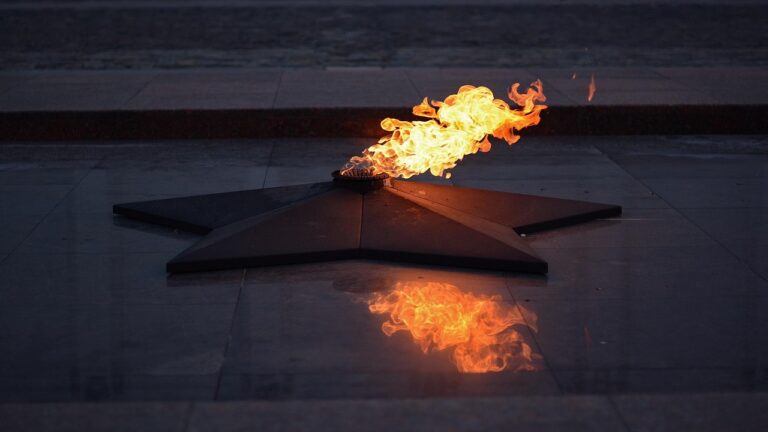
On August 30 each year, Turkey celebrates Victory Day, the holiday that remembers the final great battle of the War of Independence.

Leather Goods in Turkey: What to Know Before You Buy
Turkey has a serious leather industry, and for travelers that means one thing: some of the best leather jackets, bags, and shoes…

Turkey Honeymoon Guide: Best Romantic Spots
Turkey is one of the most romantic countries in the world to travel as a couple.