Balat is the old city’s food at its most real — the working tables and the waterfront, the tea houses and the street food, the cafes of the colored streets and the coffee of the old quarter. It is not the fine-dining quarter of the new Istanbul; it is the quarter of the honest food — the day’s dishes at the lokanta, the fish of the Golden Horn at the water, the tea of the residents’ rooms — and the foodie who eats it eats the old city from the inside. This guide is for the traveler who takes food seriously — the dishes to order, the tables to find, the meals that define the quarter.
The Lokanta Lunch: The Day’s Dishes
The heart of Balat’s food is the lokanta — the daily-dish cafeteria-restaurant of the working streets, where the day’s cooking sits in steel trays behind glass. The dishes are the old city’s home cooking: the stews of the day — the lamb and the beans, the chicken and the okra — the vegetable dishes in olive oil, the rice and the bulgur, the meatballs and the köfte, the soups and the puddings. The lunch crowd queues at the door by one o’clock; you point at what looks good, take the bread and the salad, and finish with the day’s pudding. The quality is exactly what the quarter’s own residents demand — the lokanta that loses its regulars closes — and the price is the most honest in the quarter. For the foodie, the lokanta is the essential education: the daily dishes of the old city, cooked the way the city cooks them.
The Kebab Houses: The Old City’s Grill Craft
The kebab houses of the quarter are the grill craft of the old city — the open grills, the charcoal smoke, the evening queues. The standards are the city’s standards: the şiş of the marinated meat, the Adana and the Urfa of the spiced ground lamb, the döner from the vertical spit, the pide from the stone oven. The order is the craft: the kebab with the grilled peppers and the tomato, the sumac onions on the side, the ayran to drink, the baklava after. The regulars have their tables and their orders, and the waiter remembers both. For the foodie, the kebab house is the test of the old city’s grill craft — and the quarter’s houses pass it, with the honest tables and the neighborhood crowds.

The Fish Tables: The Waterfront’s Catch
The fish restaurants of the waterfront — the tables along the Golden Horn below the quarter — are the old shore’s catch, and the meal is the traditional fish dinner. The meze spread comes first — the white bean salad, the haydari, the octopus, the stuffed vine leaves — then the fish of the day, grilled simply with the lemon and the olive oil, then the fruit and the coffee. The setting is the meal’s third course: the water below, the ferries and the fishing boats in the inlet, the colored houses of the quarter climbing the hill behind. For the foodie, the fish table is the waterfront’s craft — the fish of the Golden Horn, the meze of the old city, the dinner over the water that the quarter does best.
The Tea Houses: The Residents’ Rooms
The tea houses of the working streets are the residents’ rooms — the simple tables where the quarter’s life sits. The tea glass costs pennies; the backgammon boards and the conversation run long; and the room is the old city’s living room, the everyday social life of the neighborhood. For the foodie, the tea house is the deep education: the everyday layer of the city’s food culture — the tea that accompanies everything, the room where the residents sit — the context that the restaurants never provide. The visitor joins politely — the tea, the nod, the quiet sitting — and the tea house gives the quarter’s real life at the table.

The Cafes: The New Quarter’s Coffee
The cafes of the colored streets — the coffee shops and the brunch rooms in the restored houses — are the new Balat’s craft: the specialty coffee and the brunch of the fashionable quarter. The vintage decor, the courtyard tables, the single origins and the flat whites: the cafes are the new quarter’s contribution to the food of the old streets, the coffee culture that the day-trippers come for. The brunch is the ritual — the eggs and the pastries, the coffee and the cake — and the courtyard tables are the fashionable rooms. For the foodie, the cafes are the new layer of the quarter’s food: the coffee of the new Istanbul in the houses of the old quarter, the present life at the table.
The Street Food: The Fast Craft
The street food of the quarter is the fast craft of the old city — the simit carts at the corners, the corn and the chestnut vendors of the season, the midye stalls of the evening. The simit — the sesame bread ring of the city — is the essential snack, fresh from the cart’s box with the tea from the stand beside it; the midye — the stuffed mussels of the evening stalls, lemon-squeezed and eaten from the shell — is the late-night classic; the corn of the winter is the season’s treat. The street food is the city’s food at its most immediate — the fast craft of the corners, eaten on the move the way the residents eat it. For the foodie, it is the everyday layer of the quarter’s cuisine, and it is as essential as the sit-down tables.

The Turkish Coffee: The Final Course
The Turkish coffee is the final course of the Balat meal — the small cup, the glass of water, the piece of lokum, the foam on top and the grounds below. The strength is declared in advance — sade, orta, şekerli — and the ritual is unhurried: the coffee drunk slowly, the conversation running, the fortune in the grounds read by tilting the cup. The cafes of the colored streets serve it beside the specialty brews; the tea houses serve it the old way; and the wise foodie takes it after every serious meal, at the hour the city takes it. It is the smallest course in the quarter’s cuisine and the most necessary — the ceremony that the Balat table ends with.
The Practical Notes
A few things make the eating better. The queue is the review: the lokanta at one o’clock and the kebab house at the evening are crowded because they are good — follow the locals. The brunch is the morning: the cafes of the colored streets do their busiest trade in the late mornings — go early for the tables. The tea is the everyday: the tea houses are the residents’ rooms, and the polite visitor is welcome — the tea and the quiet sitting are the way. The fish is the evening: the waterfront tables are the quarter’s classic dinner — book the popular ones ahead. And the coffee is the ending: the Turkish coffee after the meal is the ritual of the city — take it where the residents take it.

The Takeaway
The food of Balat is the old city’s cuisine at its most real — the lokanta’s day’s dishes and the kebab houses’ grill craft, the fish of the waterfront and the tea of the residents’ rooms, the cafes’ coffee and the street food and the Turkish coffee that ends it all. Eat it the way the quarter lives: the lunch at the working table, the fish over the water, the tea in the tea house, the coffee after. It is the food of the old city from the inside — the honest tables and the everyday rituals, the crafts that the fashionable quarters never show — and the traveler who eats it whole eats the color postcard of Istanbul at its most genuine.
Frequently asked questions
What is the single best meal in Balat?
The lokanta lunch — the day’s dishes at the honest tables of the working streets, the old city’s home cooking at its most real.
Where do the quarter’s food professionals eat?
The lokantas for lunch and the kebab houses and the tea houses for the evenings — the tables where the cooking is daily and the regulars are demanding.
Is there fine dining in Balat?
Not in the fashionable sense — the quarter’s food is the honest end of the old city’s range, and its craft is the daily dishes and the fish of the waterfront.
What should a foodie not miss?
The day’s dishes at the lokanta, the fish over the water, the tea in the residents’ room, and the Turkish coffee after — the crafts of the quarter’s food.
How do I find the honest tables?
Follow the queues — the lunch crowd at the lokanta, the evening crowd at the kebab house. The crowds of Balat are the quarter’s food critics, and they are never wrong.

All Over Information
The All Over Information editorial team researches and writes practical English-language guides to Turkey. Facts are checked against official and local sources before publication, prices are published as dated ranges rather than quotes, and guides are revised when things change. We accept no sponsored posts, paid placements or paid links.
More guides like this

Nightlife Guide to Balat
Balat is not the nightlife quarter of Istanbul — the clubs and the loud bars belong to other districts — but the…

How to Get to Balat from Istanbul
Balat is the old city's hidden quarter — off the tram lines, reached by the buses and the walking, and the better…
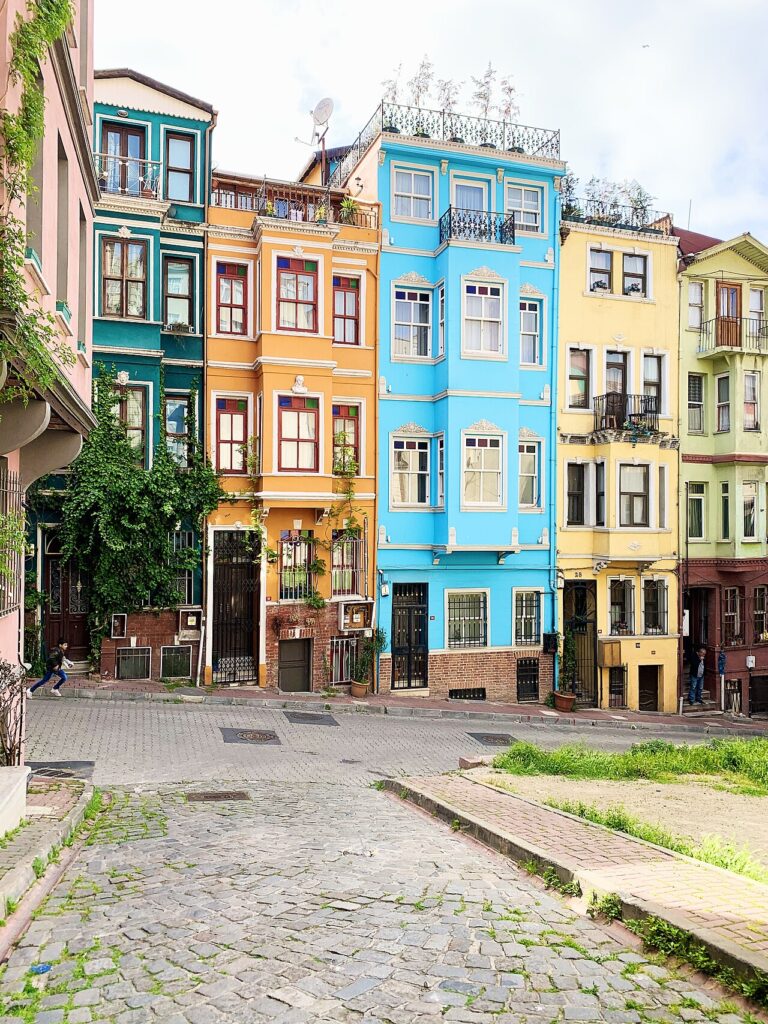
Top 10 Things to Do in Balat
Balat is the color postcard of Istanbul — the old quarter on the Golden Horn where the houses climb the hill in…

A First-Timer’s Guide to Balat
Balat is the color postcard of Istanbul — the old quarter on the Golden Horn where the houses climb the hill in…
Shopping Guide: What to Buy in Balat
Balat is the treasure shopping of the old city — the quarter of the antique shops and the vintage rooms, the crafts…
Hidden Gems of Balat Most Tourists Miss
Balat has a famous face — the colorful streets and the vintage cafes — and most visitors never see past it.