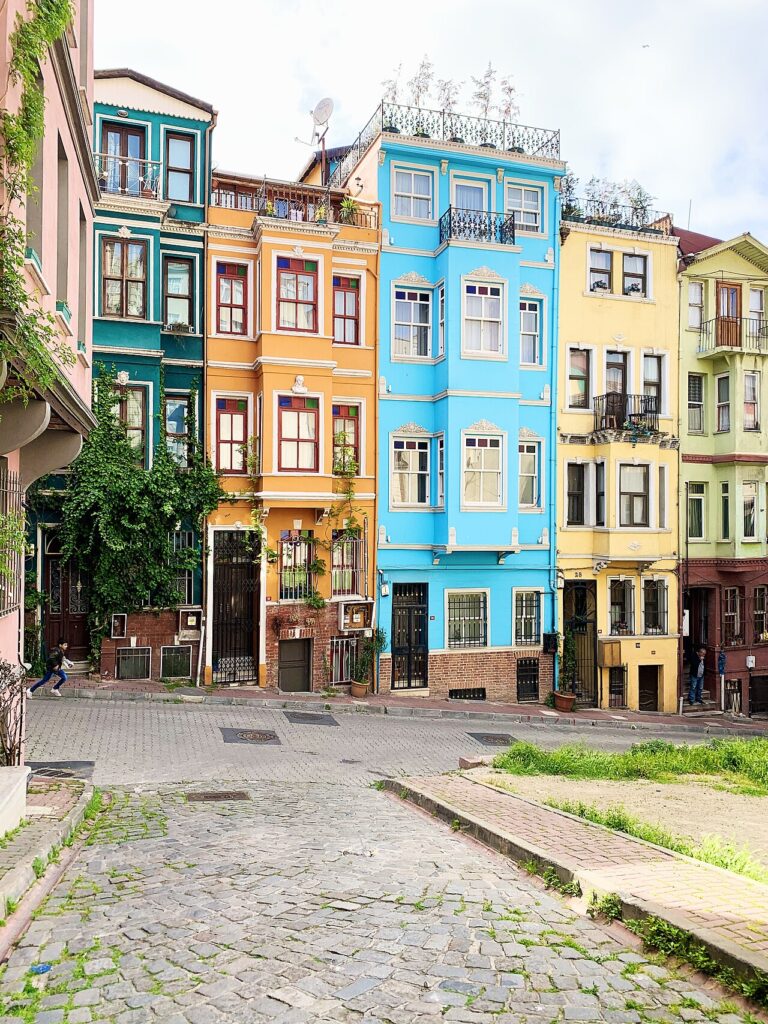
Balat has a famous face — the colorful streets and the vintage cafes — and most visitors never see past it. But the quarter’s real depth lives in the places the crowds skip: the quiet lanes and the hidden courtyards, the working streets and the old buildings, the landmarks that the postcards leave out. This guide collects the hidden gems of Balat — the places most tourists miss, and the ones that reward the traveler who finds them.
The Back Lanes of the Colored Streets
Everyone walks the famous streets; almost no one turns off them. The back lanes of the quarter — the steps and the alleys behind the painted facades — are the hidden Balat: the houses unpainted and unphotographed, the washing lines and the doorways, the cats and the residents, the life of the quarter away from the crowds. The lanes climb and fall between the famous streets, and the wander through them is the real quarter: the old fabric of the neighborhood, the everyday life that the postcards leave out. The traveler who turns off the colorful streets finds the Balat that the residents know — the quiet lanes, the hidden courtyards, the working life of the old quarter behind its painted face.
The Synagogues of the Old Jewish Quarter
The synagogues of Balat — the historic houses of worship of the Sephardic community — are the hidden monuments of the quarter. The Jewish quarter’s synagogues and its schools, the institutions of the community that arrived from Spain in the fifteenth century and lived here for five centuries: the buildings survive in the old streets, often unmarked and unnoticed by the crowds of the colorful lanes. The visits are the quiet ones — the respect of the working places of worship — and the history is the reward: the story of the community that shaped the quarter, the layers that the painted facades only hint at. For the traveler who looks for the depth of the old Jewish quarter, the synagogues are the hidden heart of Balat’s history.

The Old Schools of Fener
The old schools of Fener — the grand buildings of the Greek community’s education — are the hidden architecture of the hill. The great school buildings of the nineteenth century — the red-brick palaces of the community’s schools, the lycee and the academies that educated the Greek quarter — rise above the streets of Fener, monuments of the community’s life that the guidebooks rarely mention. The buildings are among the most striking in the old city — the scale and the brick of the community’s institutions — and they are the hidden landmarks of the historic hill. For the traveler who walks Fener with the eyes up, the old schools are the discovery — the architecture of the community’s golden age, hidden in the streets of the hill.
The Courtyards of the Working Streets
The working streets of Balat — the lanes away from the famous facades — hide their courtyards: the interior yards of the old houses and the workshops, the quiet spaces behind the street doors. The courtyards are the hidden life of the quarter: the plants and the washing, the workshops and the storerooms, the daily life of the residents behind the walls. The traveler who wanders the working streets with the eyes open finds the courtyards half-open — the glimpse of the quarter’s real life, the spaces that the postcards never show. The courtyards are the hidden Balat: the working heart of the old quarter, the life that the colorful face conceals.

The View from the Walls at Sunset
The land walls of the old city — the ancient fortifications at the quarter’s edge — are known to the walkers, but the sunset view from them is the hidden gem. The climb to the walls at the golden hour gives the quarter’s best panorama: the Golden Horn below, the old city’s domes and minarets across the water, the colored houses of Balat climbing the hill beneath the walls — the whole quarter and its setting in the amber light. The sunset is the hour: the crowds gone, the light low, the walls at their most dramatic. The traveler who climbs the walls at the sunset finds the quarter’s hidden viewpoint — the panorama that the postcard streets never give.
The Waterfront at the Quiet Hours
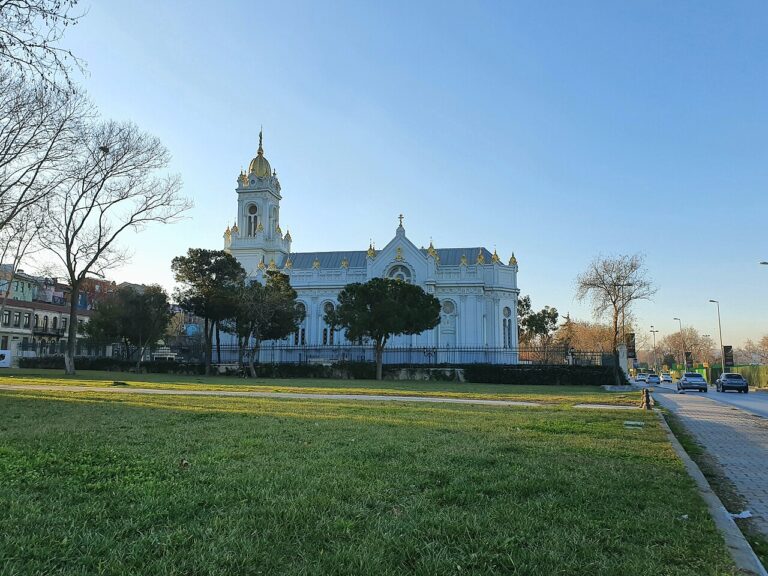
The waterfront below the quarter is the hidden Balat at its quiet hours. The crowds of the famous streets never reach the shore’s edges — the piers and the fishing boats, the old houses of the waterfront, the life of the working harbor — and the morning and the evening belong to the residents: the fishermen at their lines, the boats at the moorings, the quiet of the old shore. The walk of the waterfront at the quiet hours is the hidden gem: the working water, the iron church rising above the shore, the quarter’s colors reflected in the inlet. The traveler who leaves the colored streets for the shore finds the Balat of the water — the old harbor’s life, at the hours the crowds never see.

The Tea Houses of the Working Streets
The tea houses of the working streets — the simple rooms of the residents — are the hidden social life of the quarter. The tourists fill the vintage cafes of the colored streets; the residents fill the tea houses of the working lanes: the tea glasses, the backgammon boards, the conversation of the neighborhood. The tea house is the old city’s living room, and the visitor who joins it politely — the tea, the nod, the quiet sitting — finds the quarter’s real social life, away from the fashionable rooms. It is the hidden gem of the quarter’s everyday: the place where the residents sit, the conversation of the old neighborhood, the Balat that the cafes never show.
The Vintage Shops Beyond the Famous Rows
The antique and vintage shops of the quarter’s working streets — the rooms beyond the famous rows of the colored lanes — are the hidden treasure hunt. The famous shops of the tourist streets carry the curated finds; the working rooms of the side streets hold the raw material: the furniture and the objects in the deeper rooms, the copper and the textiles, the finds that the crowds never reach. The hunting in the working rooms is the deeper pleasure — the rooms to search, the objects to turn over, the bargains of the less-touristed streets. For the collector and the curious, the vintage shops beyond the famous rows are the hidden market of the old quarter.
The Practical Notes
A few things make the hidden gems findable. The turning is the key: the hidden Balat is a turn off the famous streets — leave the colored lanes and follow the back ways. The hours are the secret: the morning for the quiet lanes and the waterfront, the sunset for the walls — the gems are places, but their magic is timing. The respect is the quarter’s: the synagogues and the tea houses and the courtyards are the residents’ places — the quiet courtesy goes with the finding. And the eyes are the guide: the hidden Balat is above and behind — the old schools, the courtyards, the doorways — the traveler who looks finds the quarter’s depth.
The Takeaway
The hidden gems of Balat are the quarter’s real depth — the back lanes and the courtyards, the synagogues and the old schools, the working tea houses and the vintage rooms, the waterfront and the walls at the sunset. They are the places the residents treasure and the tourists never find, and they are the old quarter at its most authentic. See the public Balat first — the colors, the cafes, the church — and then follow the locals to the hidden one: the quiet lanes and the working streets, the monuments of the communities and the views of the walls, the version of the quarter that the postcards leave out and the residents call home.
Frequently asked questions
Are these places really undiscovered?
They are undiscovered by the tourist crowds — the residents use them daily, which is exactly the point.
Which hidden gem should I start with?
The back lanes of the colored streets — the turn off the famous facades that shows the quarter’s real life.
Are the synagogues open to visitors?
They are working places of worship — the visits are the quiet ones, with the respect of the prayer times and the community’s privacy.
Can I see all of these in a day?
Yes — they are all within the walking of the quarter, and the morning-to-sunset rhythm of the list is the right pace for the old neighborhood.
What is the most surprising hidden gem?
The old schools of Fener — the grand red-brick buildings of the Greek community’s education, hidden in the streets of the hill.

All Over Information
The All Over Information editorial team researches and writes practical English-language guides to Turkey. Facts are checked against official and local sources before publication, prices are published as dated ranges rather than quotes, and guides are revised when things change. We accept no sponsored posts, paid placements or paid links.
More guides like this
Family-Friendly Activities in Balat
Balat is a family quarter — safe, walkable, and full of the things children actually enjoy.
The Best Day Trips from Balat
Balat sits on the Golden Horn at the edge of the old city — the ferries at the shore, the buses to…

Best Local Restaurants in Balat
Balat eats the old way and the new way, and the quarter's tables run the full range of the old city's food.

A Solo Traveler’s Guide to Balat
Balat is one of the best quarters in Istanbul for the solo traveler — safe, walkable, and full of the quiet company…

History and Culture of Balat
Balat is the old city's deepest layer — the quarter on the Golden Horn where the history of the city's communities is…
Balat in Winter: What to Expect
Winter changes Balat the way it changes every old quarter — the crowds thin, the colors soften under the gray light, and…