Haggling at a Turkish bazaar is a conversation, not a confrontation, and once you understand that, it becomes one of the most enjoyable parts of travel. The vendors expect the dance, the opening prices are designed for negotiation, and both sides leave happier when the exchange is friendly. This guide gives you the practical skills: where haggling is expected, how to read prices, how to make offers that are taken seriously, and how to walk away without burning bridges. You will also learn when to pay the asking price without guilt, because respecting the rules of the game makes you a better player.
Where Haggling Is Expected
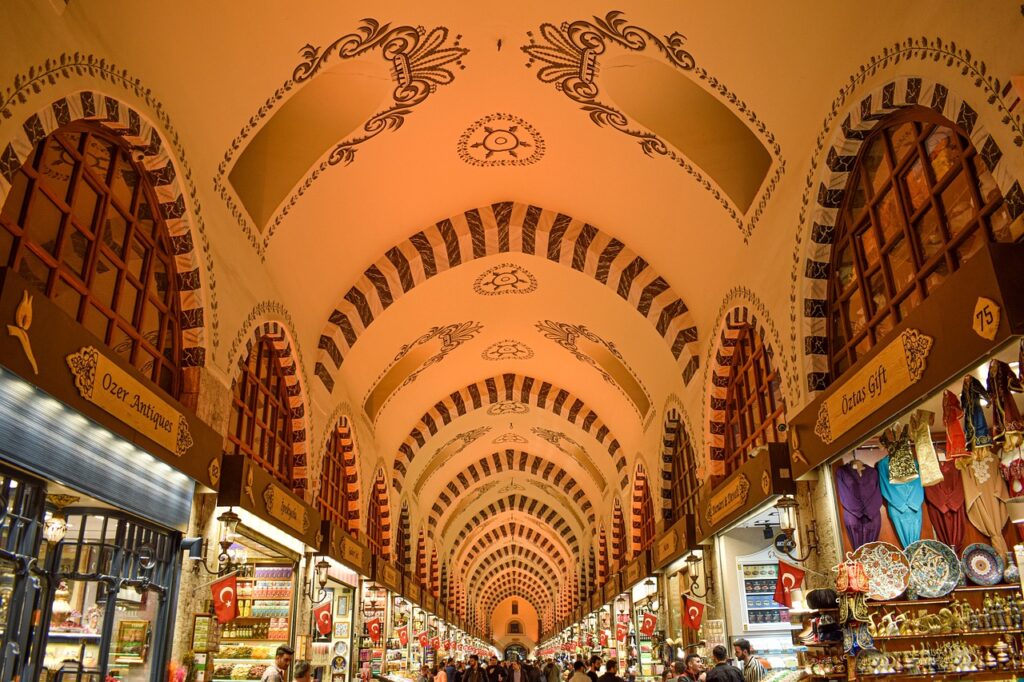
Bazaars and markets are the heartland of Turkish negotiation. In the covered bazaars of Istanbul, the open-air markets of coastal towns, and the neighborhood pazars that appear weekly, prices are fluid and bargaining is the norm. Vendors quote high, expect a counter, and judge your character by how you play the game. Almost everything in these settings is negotiable: textiles, ceramics, leather, jewelry, souvenirs, and even spices in bulk.
Equally important is knowing where haggling is not expected. Supermarkets, pharmacies, brand-name shops, and most fixed-price retailers quote final prices, and attempting to bargain there marks you as confused. Restaurants, cafes, and street food stalls are never haggled with. The line is simple: if the setting is a market or a shop filled with handmade or artisanal goods, negotiation is welcome; if it is a modern retail environment, pay the tag and move on.
Understanding the Opening Price
Vendors in tourist-facing bazaars routinely open well above the price they will accept, sometimes several times higher. The opening number is not an insult; it is an invitation. Seasoned vendors price according to the customer, and a traveler with a happy smile and a wallet in sight is quoted differently from a local buying for daily use. Understanding that the first number is theater, not fact, frees you to negotiate without feeling guilty.
The gap between opening and closing depends on the item, the setting, and the vendor’s day. Carpets and antiques carry the widest margins, while small handicrafts close much closer to the asking price. A useful mental model: assume the true value sits somewhere below the opening quote, and let your offers climb toward it gradually. The vendor’s willingness to move tells you how much room exists, and their body language reveals when you are near the floor.

The Golden Rules of the First Offer
Make your first offer firmly but politely, and start lower than you expect to pay. A common rhythm is to offer roughly half of the opening price, then climb in small steps toward a middle ground. Offer a round number with confidence, accompanied by a smile and eye contact, and the vendor knows you are playing in earnest. Hesitation and uncertainty invite a higher final price.
Never open with an insultingly low bid unless you are prepared to walk away for good, because the vendor will read it as disrespect and the mood will sour. Instead, signal goodwill: examine the item, compliment it, ask about its making, and then name your price. A vendor who feels appreciated negotiates generously. The first offer sets the tone for the whole exchange, so make it serious, reasonable, and delivered like a person who knows the game.
Body Language and Tone
Turkish bazaar negotiation runs on warmth. Keep your tone light and playful, use humor when it fits, and let your face show enjoyment rather than tension. Vendors are masters of reading posture and mood, and a relaxed buyer gets better prices than an anxious one. Stand comfortably, handle the goods with respect, and treat the exchange as entertainment shared between two people.
Match the vendor’s energy without losing your position. If they joke, laugh and joke back; if they become theatrical about the quality of their goods, admire the show. Never let frustration show in your voice, because anger ends negotiations. When you are genuinely interested, lean in and touch the item; when you are testing, keep your hands light. Your body speaks before your mouth does, and the vendors listen to both.
The Art of Walking Away
The walk-away is the most powerful move in bazaar negotiation, and in Turkey it is done with grace rather than drama. When the price stalls above your limit, thank the vendor sincerely, begin to move away, and pause. This pause is the classic moment of decision: many vendors will call you back with a better price, and the final number is often their floor. If they do not call, the price was genuine or the vendor’s day is good enough without you.
Walk away only when you mean it. Vendors read false exits instantly, and a buyer who theatrically leaves and returns at the same price loses credibility. If you are recalled, return with a smile and meet the vendor in the middle, because the recall means you have reached real territory. And if you genuinely decide the item is not worth your price, keep walking without guilt; there are a thousand stalls, and the next one may be your match.
Knowing Your Item: Quality and Fair Prices
Knowledge is your strongest bargaining chip. Before you negotiate, learn the basics of what you are buying: how a handwoven kilim differs from a machine-made one, how to test the glaze on a ceramic bowl, how real leather feels against your fingers, how to weigh silver jewelry. Vendors respect informed buyers and quote them differently, because an expert eye cannot be fooled twice.
Research typical prices before you shop, either by comparing across stalls or asking locals what things should cost. When you know the usual range for a scarf or a lantern, you can negotiate with confidence toward it. Ask the vendor questions about the item’s origin and craftsmanship; their answers teach you and demonstrate your seriousness. The buyer who understands the goods negotiates from strength, and the seller who recognizes that knowledge meets them halfway.
Common Bazaar Scenarios
Carpets are the grand stage of Turkish bargaining, with prices opening far above the closing figure and tea served while the dance unfolds. Never appear desperate, and never rush; the vendor has all day. Leather goods open high but close closer to the midpoint, and checking the lining and stitching earns you credibility. Ceramics and copper open moderately, and buying several pieces at once invites a volume discount.
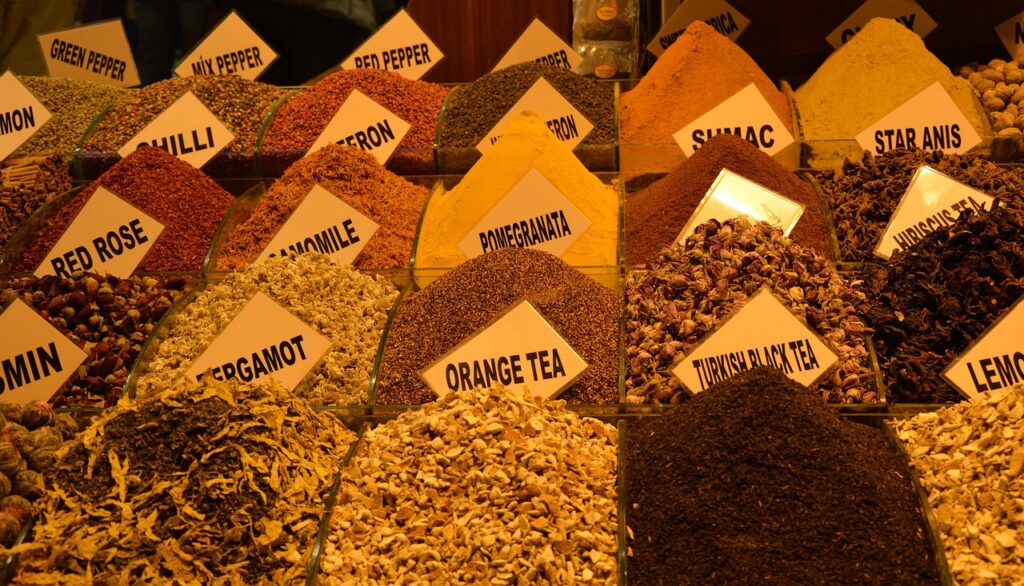
Spices, teas, and dried fruits are light bargaining territory: prices are lower and the margins slimmer, so a gentle round-up request or a small reduction is the realistic goal. Jewelry and silver require caution, since quality varies wildly, and bargaining should follow your assessment of the metal, not the vendor’s story. In every scenario the rhythm is the same: offer, counter, laugh, meet in the middle, and seal the deal with a smile.
When to Pay the Asking Price
Not every price in a bazaar is negotiable, and wise shoppers recognize the moments to pay without bargaining. Fixed-price artisan cooperatives, government-run craft shops, and fair-trade stalls display honest prices that support the makers, and haggling there undercuts the very people the pricing protects. When a vendor quotes a small, fair amount for a modest item, pay it happily; bargaining over pennies erodes the warmth of the exchange.
Similarly, if a vendor has already named a low price, negotiating further signals that you do not understand value. And when you genuinely love an item and the price is fair, the deal is already done. The seasoned traveler knows that bargaining is for the game, and paying the asking price with thanks is sometimes the most sophisticated move on the market floor.

Mistakes Foreigners Make
The most common mistake is treating haggling as war. Aggressive bargaining, insulting bids, and angry exits sour the exchange and burn the goodwill that makes Turkish markets magical. Another frequent error is committing too early: picking up an item, negotiating passionately, and then feeling trapped into buying. Keep your exit open until the final handshake, and you negotiate freely.
Overtipping the price through impatience is the opposite failure, where travelers pay the first number out of discomfort or pity. Equally common is haggling over absurdly small sums, which vendors read as rudeness rather than frugality. And the grandest mistake of all is losing the human connection: in Turkish bazaars, the relationship matters as much as the transaction, and a buyer who forgets the tea, the jokes, and the mutual respect wins nothing.
The Cultural Side of Bazaar Bargaining
Bargaining in Turkey is hospitality in costume. The vendor offers tea, asks where you are from, and praises his goods; you compliment his shop and admire his stock, and only then does the pricing dance begin. These rituals are not decoration; they are the substance of the negotiation, building the mutual regard that makes a fair price possible. Engage with the ritual and the price will follow.
Respect the vendor’s livelihood. The final price should feel good for both sides, because a deal that leaves the seller bitter is a loss no matter what you paid. Remember that the vendor has overhead, family, and a thousand slow days; a fair middle ground keeps both parties smiling. When the handshake seals the deal and tea is poured again, you have not just bought a souvenir; you have shared a piece of Turkish culture.
Frequently asked questions
Is haggling expected at every Turkish market stall?
No. Bargaining is expected in bazaars and open-air markets selling textiles, crafts, leather, and souvenirs, but fixed-price shops, supermarkets, pharmacies, and restaurants do not negotiate. Artisan cooperatives and fair-trade stalls also price honestly. The rule of thumb: if the setting is a traditional market, bargain lightly and with humor; in modern retail, pay the tag.
How low should my first offer be?
A common opening is around half of the quoted price, delivered politely and with confidence. From there, climb in small steps toward a middle ground. The vendor’s counter-offers and body language reveal the real floor. Never open insultingly low, and never commit to buying until the final handshake, so you can walk away freely if the price does not meet your limit.
Is it rude to haggle in Turkey?
No, it is expected in bazaars, and vendors enjoy a lively, respectful exchange. What is rude is aggression: insulting bids, anger, or treating the vendor’s goods with disrespect. Bargain with humor and warmth, compliment the craftsmanship, and meet the vendor in the middle. Done well, haggling is a friendly social game that both sides enjoy and remember.

All Over Information
The All Over Information editorial team researches and writes practical English-language guides to Turkey. Facts are checked against official and local sources before publication, prices are published as dated ranges rather than quotes, and guides are revised when things change. We accept no sponsored posts, paid placements or paid links.
More guides like this

Step-by-Step: Setting up Home Internet and Mobile Data in Turkey
Setting up home internet and mobile data in Turkey follows a clear sequence, and doing the steps in the right order saves…

Step-by-Step: Converting a Foreign Driving License in Turkey
Converting your foreign driving license in Turkey is a task that rewards preparation. The process is well defined, but it has a…
A Foreigner’s Guide to Getting Married in Turkey as a Foreigner
Turkey has become a favorite destination for weddings, and for good reason: dramatic coastlines, fairy-tale backdrops, warm hospitality, and a legal process…

Step-by-Step: Haggling at the Bazaar in Turkey
Haggling is a skill, and like any skill it improves with a clear method.

A Foreigner’s Guide to Using Ride-Hailing Apps like BiTaksi and Uber
Ride-hailing apps have transformed getting around Turkish cities, offering travelers a way to order a taxi with a few taps, see the…

Step-by-Step: Renting an Apartment in Turkey
Renting an apartment in Turkey follows a clear sequence: define your needs, prepare your documents, search and view, negotiate and sign, register…