Sumela is a monastery in a forested valley — not a shopping destination — but the region around it is the eastern Black Sea, and the real shopping is the food and the craft of that distinctive region. The famous bread of Trabzon, the honey and the cheese of the high country, the hazelnuts of the region’s hills, the tea of the coastal gardens, and the local crafts are what you will find — the honest products of a working region, sold by the people who made them. For the traveler who wants to take something of the place home, the real shopping around Sumela is in the food and the produce, and the best souvenirs are the ones that taste and smell of the eastern Black Sea. This guide covers what is genuinely worth buying, where to find it, and what to skip.
The Honest Shopping Landscape
Here is the reality: the monastery and its valley are not shopping territory, and the region’s shopping is the shopping of a working place. What you will find:
- Trabzon’s shops and markets. The city, an hour away, is the region’s commercial center — the shops, the markets, and the food of the eastern Black Sea.
- The tea country and the highlands. The tea gardens and the yayla producers, selling the region’s produce directly.
- A thin scattering of souvenir shops. The trinkets and the magnets aimed at the summer crowds near the monastery.
The smart approach is to treat shopping as a small, incidental pleasure — buy the food of the region because it is good, not because the itinerary demands a shopping stop.
What Is Genuinely Worth Buying
The Trabzon bread. The famous vakfıkebir — the huge, crusty loaf of the region — is not a souvenir you can easily carry, but it is the essential food experience of the region, and a fresh loaf shared at the table is the taste of the place.
The honey. The honey of the eastern Black Sea highlands — thick, fragrant, and from the flowers of the mountains — is among the best in Turkey. The shops of Trabzon and the highland producers sell it by the jar, and it travels beautifully.
The hazelnuts. The eastern Black Sea is Turkey’s great hazelnut country, and the region’s hills produce the world’s finest. A bag of the local hazelnuts, in season, is the taste of the region’s hills.
The tea. The eastern Black Sea grows the tea of Turkey, and the region’s tea — bought loose from the tea country or the city’s markets — is the drink of the region at its source.
The cheese and the produce. The cheese of the high country and the produce of the region’s farms — the regional specialties that the working economy produces.
The local crafts. The region has a modest craft tradition — the woodwork, the textiles, and the handmade goods of the Black Sea. The honest local work is worth seeking out.
What to skip: the mass-produced trinkets near the monastery, the “authentic” antique shops, and anything designed for tourists who will never come back. The region rewards discrimination, and the real shopping is in the food.
Where to Shop
Trabzon. The city is the region’s commercial center — the markets, the shops, and the food of the eastern Black Sea. The markets are the real shopping: the produce, the cheese, the hazelnuts, and the daily goods of a working city.
The tea country. The coastal hills grow the tea, and the tea gardens and the factories sell it at its source. A stop in the tea country gives the region’s great drink at its origin.
The highlands. The yayla producers sell their cheese, their butter, and their honey directly — the most genuine sellers of the region.
The roadside stalls. The region’s roads have stalls selling the local produce directly from the growers.
The Practical Shopping Guide
- Cash is king. The markets, the stalls, and the highland producers are cash operations. Carry lira.
- Seasonality rules. The produce is at its best in its own season — the honey all year, the hazelnuts in the late summer and autumn, the tea in the warmer months. Buy what is in season and it will be at its best.
- Prices are honest. The region is a working part of Turkey, and the prices are fair. Haggling is not expected at the shops the way it is in the bazaars of the big cities.
- Check the transport. If you are flying home, remember the liquid and customs rules for the honey, the tea, and the produce — pack them for the journey accordingly.
- Ask the hotel. The hosts know who sells the best honey, which market is on which day, and where the producers are. A question at breakfast is the best shopping research available.

Souvenirs That Are Not Things
It is worth saying the obvious: the best souvenirs of the region are not objects. The jar of honey is lovely, but the real keepsakes are the ones you cannot wrap — the photographs of the monastery on its cliff, the memory of the valley in the morning mist, the taste of the bread shared at the table, and the sense of a region that belongs to the mountains and the sea. Buy the honey and the hazelnuts, by all means; but do not let the search for souvenirs steal time from the reason you came.
A Suggested Shopping Plan
- In Trabzon: the markets for the produce, the cheese, and the hazelnuts — the region’s real shopping.
- In the tea country: the tea at its source, bought from the growers.
- In the highlands: the honey, the cheese, and the butter from the yayla producers.
- On the last day: the small things — the honey, the hazelnuts, the one local craft you actually love — and the fresh bread for the journey.
What to Buy in Trabzon’s Markets
The markets of Trabzon are the region’s real shopping, and knowing what to look for makes them a pleasure rather than a wander. The fruit and the vegetables come from the farms of the region — the greens, the produce, and the seasonal harvests of the Black Sea. The cheese is the local white cheese and the regional varieties, sold by weight from the stalls. The hazelnuts are the region’s great product, in season in the late summer and the autumn. And the honey, the tea, and the preserves are the region’s pantry, jarred and sold by the producers themselves. Buy what is in season, taste what the stallholders offer, and let the market tell you what the region is eating this week — that is the truest shopping in the region.
The Bread and the Tea
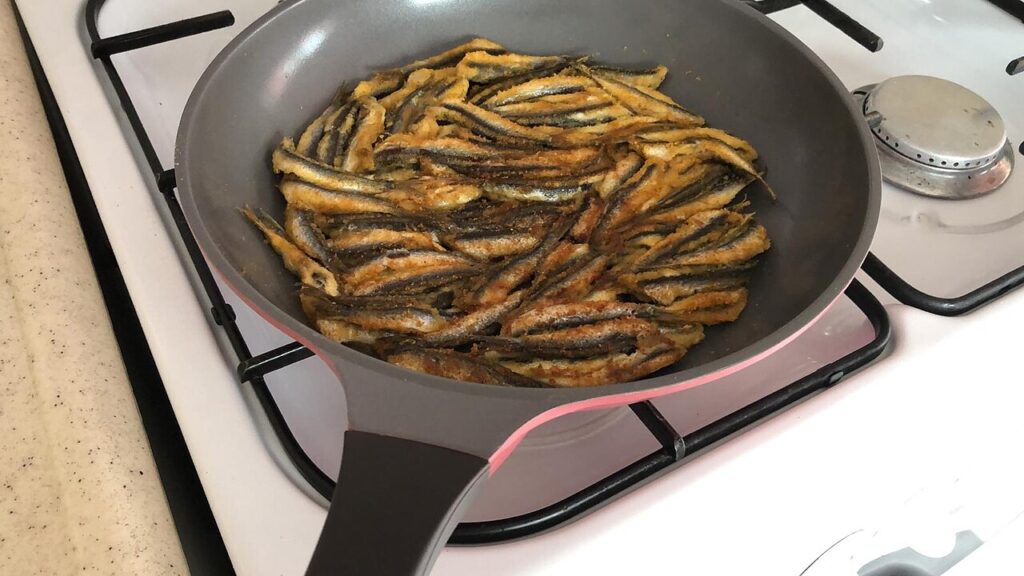
Two things deserve their own notes, because they are the region’s great food products. The first is the Trabzon bread — the vakfıkebir, the huge, crusty loaf of the city, baked in wood-fired ovens and famous across Turkey. It is not a portable souvenir, but a fresh loaf shared at the table is the taste of the place, and many travelers plan a meal around it. The second is the tea — the eastern Black Sea grows the tea of Turkey, and the region’s loose tea, bought at its source in the tea country or from the city’s markets, is the drink of the region in its most essential form. Together, the bread and the tea are the food identity of the region — and the shopping that every food-loving traveler should make room for.

The Takeaway
The shopping around Sumela is a lesson in proportion. The region does not try to sell you things at the great sight; it offers the honest products of the eastern Black Sea — the honey and the hazelnuts of its hills, the tea of its coast, the bread of its city — and lets you take or leave them. Buy the food, visit the markets, and spend the rest of your budget on the things that cannot be purchased: the days by the monastery, the valley in the mist, and the memory of a region that belongs to itself. That is the real souvenir of Sumela.
Frequently asked questions
Is there good shopping around Sumela?
For the region’s food — the honey, the hazelnuts, the tea, and the produce — yes, the markets of Trabzon and the producers of the region are honest and good.
What should I buy around Sumela?
The eastern Black Sea’s honey, hazelnuts, and tea, the cheese of the high country, and the local crafts — the taste of the region, bought at its source.
Are there markets in the region?
Yes — the markets of Trabzon are the region’s real shopping, and the tea country and the highlands have the producers.
Do I need cash for shopping?
Yes. The markets, the stalls, and the producers are cash operations, so carry lira.
Is there a souvenir shop near the monastery?
A thin scattering exists for the summer trade; the real shopping is in the city and the region.
Can I bargain?
At the markets, gentle bargaining is traditional; at the shops, prices are fair and haggling is generally not expected.

All Over Information
The All Over Information editorial team researches and writes practical English-language guides to Turkey. Facts are checked against official and local sources before publication, prices are published as dated ranges rather than quotes, and guides are revised when things change. We accept no sponsored posts, paid placements or paid links.
More guides like this

Best Local Restaurants in Sumela
Sumela is a monastery in a forested valley, so the food scene is not the point of the visit — but the…
Best Time of Year to Visit Sumela
Sumela is a destination of seasons, and the season you choose changes the character of the visit — and even whether the…
A Solo Traveler’s Guide to Sumela
Sumela is a destination that suits the solo traveler beautifully, and it works on both of the solo registers at once.
48 Hours in Sumela: The Perfect Itinerary
Two days around Sumela is enough to see the monastery properly — in the changing light of the valley, with the time…
Sumela in Winter: What to Expect
Winter is Sumela at its most dramatic — and its most uncertain.

Sumela on a Budget: Money-Saving Travel Tips
Sumela is one of Turkey's great sights, and a visit to it does not have to be expensive — the monastery itself…