Haggling is the heartbeat of the Turkish bazaar, a tradition as old as the market squares themselves, and understanding it fully transforms a shopping trip into a cultural experience. This guide covers every angle: the history behind the ritual, the different bargaining cultures across market types, the psychology of pricing, the phrases that help you negotiate, and the etiquette that keeps exchanges friendly. You will learn how to judge quality, when to hold firm, when to walk away, and when to pay without bargaining. By the end, you will shop any Turkish market with the confidence of a seasoned regular.
The Bazaar Tradition: History and Culture
The bazaar is one of the oldest institutions of Turkish commerce, a legacy of the great trade routes that made the region a crossroads of goods and ideas. Covered markets grew around caravanserais where merchants rested, and the habit of negotiation arrived with the traders themselves. Prices were never fixed in this world; every transaction was a meeting of minds, a dance between the seller’s opening number and the buyer’s sense of worth.
That heritage survives today. The covered bazaars of Istanbul and the weekly neighborhood markets of every town still run on the old logic: price is a starting point, not a conclusion. Bargaining in Turkey is not a sign of distrust but a sign of engagement, a way of showing respect for the goods, the seller, and the tradition itself. Understanding this history explains why vendors take bargaining seriously, and why a buyer who refuses to engage feels like a missed conversation.
Types of Markets and Their Bargaining Cultures
Not all Turkish markets bargain alike. The grand covered bazaars, with their carpets, jewelry, and antiques, expect full negotiation, and prices open with enormous headroom. Tourist-oriented markets in resort towns quote high and close fast, rewarding polite persistence. Weekly neighborhood pazars, where locals buy produce and household goods, bargain lightly: small reductions for quantity are the norm, and aggressive haggling is out of place.
Modern shopping malls, supermarkets, and brand stores sit outside the tradition entirely, with fixed prices and no negotiation. The artisanal stalls of cooperatives and fair-trade projects price honestly to support makers, and bargaining there is inappropriate. Recognizing the market type before you open your mouth is half the skill: the covered bazaar rewards a full dance, the neighborhood pazar a gentle request, and the fixed-price shop none at all.

The Psychology of the Opening Price
Every opening price is a psychological statement. The vendor quotes high not to cheat you but to leave room for the dance, and the gap between opening and closing is the dance floor. Vendors also read their customers: the traveler in a hurry, the collector who knows carpets, the family buying gifts, each receives a different starting number. Your demeanor, your questions, and your body language all shape the price before a single counter-offer.
Understanding the psychology works both ways. If you show genuine interest and knowledge, the vendor drops the theater and negotiates closer to the real range. If you appear indifferent or impatient, the opening stays high because the vendor assumes you will not engage seriously. The smart buyer signals engagement early: touch the goods, ask about the craft, smile, and let the vendor see that this conversation is worth having well.
Your Bargaining Toolkit: Phrases and Signals
A small set of Turkish phrases turns you into a respected negotiator. Ne kadar asks the price, cok pahali declares it too expensive, and indirim yapar misiniz asks for a discount. Pazarlik yapalim, meaning let us negotiate, openly invites the dance and is met with delight. Son fiyat nedir asks for the final price, and tamam, understood as okay or done, seals the deal. A warm tesekkur ederim closes the transaction with grace.
Nonverbal signals matter just as much. Counting out your notes slowly signals a genuine budget, while shaking your head with a smile softens a rejection. Putting the item back gently and moving toward the exit is the universal language of the walk-away. When you reach agreement, shake hands or nod firmly, pay promptly, and thank the vendor by name if you learned it. The exchange of phrases and gestures is the game itself.

The Negotiation Dance, Step by Step
The classic Turkish negotiation follows a rhythm you can learn. First comes the welcome: tea, questions about your country, praise for the goods. Second comes the price: the vendor names a number and watches your face. Third comes your counter, roughly half the opening, delivered with a smile and a compliment. Fourth comes the vendor’s theatrical resistance, the sighs and the claims that the price is impossible.
Then the real movement begins: small steps toward the middle, each side pretending reluctance while moving closer. At some point the vendor names a number and declares it final, and this is where you decide. If it meets your range, accept with warmth; if not, begin the walk-away and let the pause do its work. The dance ends either with a handshake and tea or with mutual smiles and no hard feelings, and both endings are respectable.
Goods by Category: What Really Moves
Carpets and kilims carry the widest bargaining margins, and their negotiation can stretch over tea and time. Opening prices often sit far above the closing figure, so patience and knowledge are your weapons. Jewelry and gold move less than carpets, because the metal has intrinsic value; bargaining follows the workmanship, not the weight. Leather goods open high but close near the midpoint, and examining stitching and linings strengthens your position.
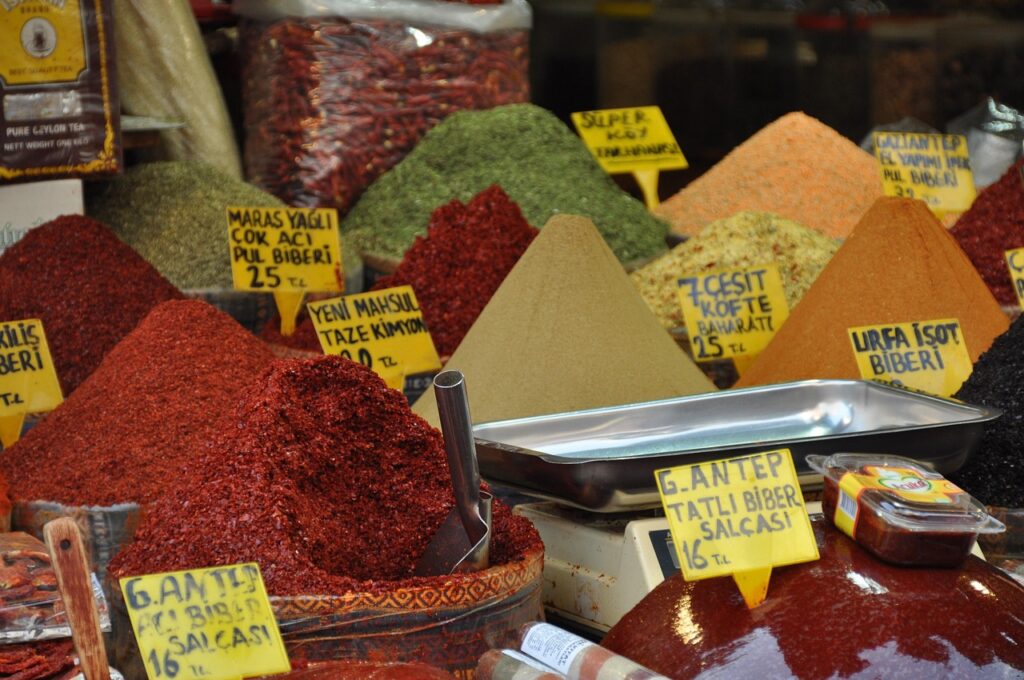
Ceramics, copper, and textiles open moderately and respond to volume buying: three bowls or five scarves invite a better unit price. Antiques and rare items are unpredictable, priced by story as much as substance, and only informed buyers should push hard. Spices, teas, and dried fruits carry slim margins, so the realistic goal is a small reduction or a handful of extras. Matching your effort to the margin is the mark of a savvy shopper.
Knowing Quality: Carpets, Ceramics, Leather, Jewelry
Quality knowledge is the negotiator’s shield. For carpets, count the knots per area, feel the wool, and check for a woven fringe versus a glued one; handwoven pieces carry more value than machine-made replicas. Ceramics reveal quality in the glaze’s evenness, the weight in your hand, and the clarity of the painted patterns. Test the item, turn it over, and compare pieces across stalls before committing.
Leather should feel supple and smell like leather, with even stitching and no plastic stiffening. Jewelry invites the sharpest caution: check for hallmarks, ask about the metal, and have the piece weighed if you doubt it. Vendors respect the buyer who inspects, tests, and asks precise questions, and the seller who recognizes an expert eye quotes more honestly from the start. Knowledge does not end bargaining; it improves it.
Payment, Packaging, and Shipping
Cash remains king in the bazaar, and small notes smooth the final exchange. Many stalls now accept cards, but cash often unlocks the better price, since the vendor avoids processing fees. Agree on the final number before you mention payment method, and never hand over money before the item is in your hands, wrapped and inspected. Count your change in front of the vendor as a friendly habit, not an accusation.
For large purchases, ask about packaging and shipping. Carpets can be rolled, vacuum-packed, or shipped, and reputable vendors arrange it, but confirm every detail in writing before paying. Fragile items should be wrapped in layers of paper and cardboard. Keep receipts and the vendor’s contact details for anything valuable. A smooth payment and shipping process completes the deal professionally, and both sides walk away satisfied.

When Not to Bargain
Some prices are sacred, and the wise shopper knows when to stop. Fair-trade cooperatives, government craft shops, and artisan support projects set honest prices that flow back to the makers; haggling there harms the people the pricing protects. When a vendor names a genuinely small price for a modest item, pay it without comment, since bargaining over pocket change insults the exchange. When you have already negotiated once, do not reopen the game at the cash register.
Bargaining is also inappropriate for food consumed on the spot, for tickets, and for any service with a posted rate. The deepest rule: never bargain when the seller has already offered a fair price and you know it. The traveler who pays a just price with a warm thank-you earns respect that no amount of haggling can buy, and the vendor remembers them as a guest, not a transaction.
Pitfalls and Advanced Strategies
Common pitfalls include committing too early, negotiating with visible anger, and believing every story about a bargain. Advanced players know that silence is a tool: after the vendor names a number, a moment of quiet thought often produces a better counter. Bundling several items into one negotiation strengthens your position, and comparing prices across three stalls before buying anywhere gives you the market’s floor.
The most advanced strategy is knowing when the game is over. When the vendor’s body relaxes and the tea comes out, the real price has been reached, and pushing further wastes the goodwill. Take the deal, celebrate it, and move on. Seasoned bazaar shoppers treat every negotiation as practice, learning the rhythm of each market, and their skills compound until bargaining feels as natural as paying a fixed price anywhere else.
Frequently asked questions
Is haggling considered rude in Turkish bazaars?
On the contrary, it is expected and enjoyed. Vendors price with room to negotiate and take bargaining as a sign of engagement and respect. What is rude is aggression: insulting bids, anger, or disrespecting the goods. Bargain with humor and warmth, and the exchange becomes a friendly social ritual that both sides enjoy. Fixed-price shops, however, should not be bargained with at all.
How much below the asking price should I offer?
A common opening is around half the quoted price, followed by small steps toward the middle. Carpets and high-margin goods allow deeper discounts, while spices and small crafts move only slightly. The vendor’s counter-offers reveal the real floor. Never open insultingly low, keep your exit open until the handshake, and remember that the final price should feel fair to both sides.
Should I haggle at every market I visit?
No. Bargain where the culture expects it: covered bazaars, tourist markets, and stalls selling crafts, textiles, and leather. Neighborhood produce pazars expect only light negotiation or none at all, and supermarkets, malls, and fair-trade cooperatives are fixed-price environments. Recognize the market type first, match your effort to the setting, and you will never offend anyone or overpay.

All Over Information
The All Over Information editorial team researches and writes practical English-language guides to Turkey. Facts are checked against official and local sources before publication, prices are published as dated ranges rather than quotes, and guides are revised when things change. We accept no sponsored posts, paid placements or paid links.
More guides like this

Everything You Need to Know About Learning Basic Turkish Phrases
Learning basic Turkish phrases is one of the best investments you can make before a trip to Turkey.

Step-by-Step: Setting up Home Internet and Mobile Data in Turkey
Setting up home internet and mobile data in Turkey follows a clear sequence, and doing the steps in the right order saves…

Turkey’s Emergency Services and Numbers You Should Know
No one plans a trip around emergencies, but everyone who travels well knows the numbers before they need them.
A Foreigner’s Guide to Budgeting Monthly Expenses
Moving to Turkey is an adventure, and like every adventure it is easier when the money side is planned.
Everything You Need to Know About Understanding Turkish Social Security (SGK)
Turkish social security, SGK, is the system that underpins working life in Turkey, and every foreigner who works, employs, or plans a…

Step-by-Step: Registering with a Family Doctor in Turkey
Registering with a family doctor in Turkey is a short process with lasting benefits, and it follows a clear sequence: confirm your…