Amasra is a seasonal town, and the season you choose changes the entire character of the visit. In the summer, the town is at its fullest — the beaches busy, the harbor alive, the fish restaurants packed, and the holiday energy of a favorite Turkish getaway. In the shoulder seasons it is a quieter, more intimate version of itself, with the town’s real rhythm more visible. And in the winter it becomes something else entirely — a working fishing town at its most authentic, with the hamsi season filling the restaurants and the harbor with the town’s own life, and the castle and the views wearing snow and the dramatic Black Sea light. There is no single best time to visit; there is only the right season for the kind of trip you want. This guide lays out the year, month by month, so you can choose.
The Short Answer
June and September are the sweet spot for most visitors: warm weather, swimmable sea, and the town at its best without the full summer crush. July and August are the classic summer season — the busiest, liveliest, and most expensive months, perfect for the beach-and-harbor holiday at full volume. May and October are the shoulder months: pleasant days, thin crowds, and the town’s real life more visible. November through March is the off-season: quiet, cheap, and atmospheric, with the hamsi season at its height, for travelers who want the working town rather than the holiday town.
The Climate of the Black Sea Coast
Amasra’s climate is the Black Sea’s own — greener, wetter, and milder than the Mediterranean, with a distinct rhythm. The two facts that matter most for planning:
- The sea is swimmable from roughly June through September, with the warmest water in July and August — though the Black Sea is always cooler than the Mediterranean, which the summer heat makes welcome.
- The rain falls throughout the year but concentrates in the autumn and winter, with the wettest months around November through January.
The coast is green because it rains — the hills behind the town are forested and cultivated — and the green is part of the setting.

Spring (March–May): The Town Wakes Up
March is transitional: the winter rains ease, the weather warms into the mid-teens, and the town begins its slow move toward the season. It can still rain, and the sea is cold. The town is quiet and the green is at its freshest.
April brings the warm days — the high teens and low twenties — and the town’s spring character: the blossom, the green hills, and the first visitors. The crowds are light, the prices are low, and the town is at its most relaxed.
May is the first real season. The days warm into the low and mid-twenties, the town fills gradually with the first holidaymakers, and the beaches begin their summer work. The sea is still cool, but the days are lovely, and the town has the shoulder-season calm before the summer rush.
Best for: the greenest landscapes, the town’s real rhythm, budget-conscious early-season travelers, and those who want the beauty without the crowds.
Summer (June–August): The Full Season
June is where the summer properly begins, and it is arguably the best beach month: warm days, the sea warming into the low twenties, and the town filling with the holiday energy without the peak crowds. The beaches are busy but not packed, and the harbor and the restaurants are at their liveliest.
July and August are the peak. Expect warm days in the high twenties, the fullest beaches, the busiest harbor, and the town at its most social — the domestic holiday at full volume. The honest caveats: it is the busiest and most expensive season, the weekends bring real crowds, and the finer beaches to the south are the escape when the town beach is full. Book ahead, go midweek, and enjoy the summer town at its most alive.
Best for: the full beach-and-harbor holiday, families, the liveliest town life, and the warmest sea.
Autumn (September–October): The Golden Months
September is many regulars’ favorite month. The summer crowds thin, the days stay warm, and the sea holds its summer warmth — the perfect balance of summer weather and calmer town. The beaches are quieter, the restaurants are easier, and the town’s real rhythm shows through.
October is the hinge. Early October still delivers pleasant days and the town’s golden light, but the weather turns as the month progresses — the rains return, the evenings cool, and the seasonal businesses begin to close. The town’s working life continues, and a good stretch of October weather gives you Amasra almost to yourself.
Best for: the best balance of weather and crowds, photography (the golden light), and travelers who want the summer town without the summer crowds.
Winter (November–March): The Working Town
Winter Amasra is the off-season’s secret, and it is a completely different destination. The days are cold — highs in the single digits to low teens — and the rain is real. But this is the town at its most authentic: the working fishing port in its busiest season, the hamsi run filling the harbor and the restaurants, the castle and the views wearing the dramatic winter light and the possible snow, and the summer crowds replaced by the town’s own life.
The practical realities matter: the beaches are for walking, not swimming, and many of the seasonal businesses close. But the prices collapse, the fish is at its best, and for the traveler who wants the real town, the winter is the season the locals know best.
Best for: food travelers (the hamsi season), photographers (the dramatic light), budget travelers, and anyone who wants the authentic fishing town.

Month-by-Month Quick Reference
| Month | Weather | Sea | Crowds | Vibe |
|---|---|---|---|---|
| January | Cold, wet | Cold | Empty | Working winter |
| February | Cold, wet | Cold | Empty | Working winter |
| March | Cool, easing rain | Cold | Very light | Spring awakening |
| April | Mild, some rain | Cold | Light | Spring town |
| May | Warm | Cool | Moderate | Shoulder sweet spot |
| June | Warm | Warming | Building | Full season begins |
| July | Warm–hot | Warmest | Peak | Full summer |
| August | Warm–hot | Warmest | Peak | Full summer |
| September | Warm | Warm | Falling | Golden month |
| October | Mild, rain returns | Cool | Light | Late shoulder |
| November | Cool, wet | Cold | Empty | Hamsi season begins |
| December | Cold, wet | Cold | Empty | Working winter |
Matching the Season to Your Priorities
Beach and swimming? June through September, with July and August for the warmest water and June and September for the best balance.
Avoiding crowds? May, late September, and October give pleasant days with the crowds thinned; the winter gives you the town almost to yourself.
Best value? May, October, and all of winter — the same sea-view room costs a fraction of the summer rates.
The full holiday scene? July and August — the beaches, the harbor, and the restaurants at their liveliest.
The real town? The winter — the fishing, the hamsi season, and the working life are the authentic Amasra.
Food? The winter for the hamsi at its best; the summer for the full seafront scene.
Families? June and September are the family sweet spots — warm enough, calmer than the peak, and the town’s beaches and boats are family-friendly.
Seasonal Notes Worth Knowing
- Book ahead in summer. The good sea-view rooms and the seafront tables fill in July and August. Reserve weeks ahead.
- Go midweek in the peak. The weekends bring the day-trippers; the weekdays are the calmest.
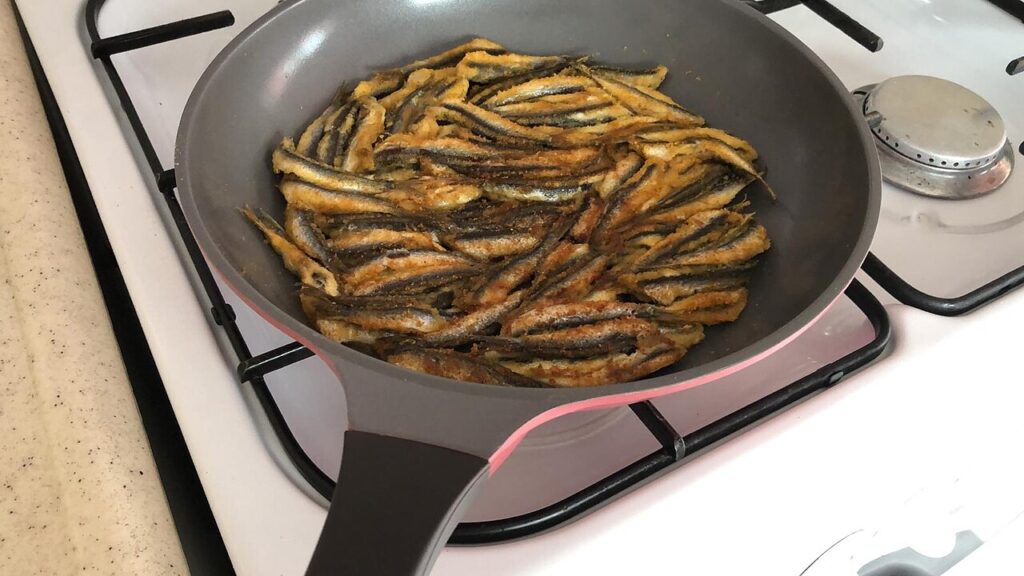
- The hamsi season is the winter’s gift. If your dates can bend, come in the anchovy season (roughly November through February) for the region’s great food at its best.
- The beaches close in winter. The beach holiday is a summer thing; the winter town is for the harbor, the food, and the walking.
- The sea is cooler than the south. Even in the summer, the Black Sea is fresher than the Mediterranean — plan accordingly, especially with children.
The Takeaway
Amasra is a place with three distinct seasons, each with its own character, and choosing between them is the first decision of the trip. Come in the summer for the full beach-and-harbor holiday, in the shoulder seasons for the balanced version with the crowds thinned, or in the winter for the working fishing town and the hamsi season that the summer visitors never see. There is no wrong answer — only the season that matches what you came for. Pick that, and Amasra will give you the rest.
Frequently asked questions
What is the best month to visit Amasra?
For most people, June or September: warm weather, swimmable sea, and the town at its best without the peak crowds.
Is Amasra hot in August?
Warm rather than hot — highs in the high twenties, with pleasant nights and the sea breeze. The Black Sea summer is milder than the Mediterranean.
Can you swim in Amasra in October?
Usually early October, when the sea still holds some warmth — but it is getting cool, and the beaches are really a June-to-September experience.
Is Amasra worth visiting in winter?
Yes, for a completely different experience: the working fishing town, the hamsi season, the dramatic light, and bargain prices. Just do not expect a beach holiday.
When is Amasra busiest?
July and August, with the domestic holiday at full volume and the weekends especially crowded.
When is Amasra cheapest?
November through March, followed by May and October. Prices rise steeply for the summer months.
Is the Black Sea warm in summer?
Warmer than you might expect — swimmable from June through September — but always cooler and fresher than the Mediterranean.

All Over Information
The All Over Information editorial team researches and writes practical English-language guides to Turkey. Facts are checked against official and local sources before publication, prices are published as dated ranges rather than quotes, and guides are revised when things change. We accept no sponsored posts, paid placements or paid links.
More guides like this

Amasra Airport and Transport Guide
Getting to Amasra takes a little planning, and it is worth being honest about that at the start: there is no airport…

Best Local Restaurants in Amasra
Amasra is a fishing town, and its food is the food of the Black Sea — a world apart from the Mediterranean…

Amasra on a Budget: Money-Saving Travel Tips
Amasra is one of the most affordable places on the Turkish coast, and it is the kind of destination where a budget…
A Solo Traveler’s Guide to Amasra
Amasra is a wonderful solo destination, and it works on both of the solo traveler's registers at once.
Where to Stay in Amasra: Neighborhood Guide
Amasra is a small town, and the choice of where to stay is really a choice about the view and the atmosphere…
Photography Spots in Amasra You Can’t Miss
Amasra is one of the most photographed towns in Turkey, and the reason is visible from the first moment you see it:…