Safranbolu is a town of seasons, and the season you choose changes the character of the visit. In the summer, the old town is at its fullest — the lanes busy, the konaks full, and the long warm evenings. In the shoulder seasons it is quieter and more atmospheric, with the golden light and the thinner crowds. And in the winter it can be at its most beautiful — the snow on the rooftops, the lanes quiet, and the warmth of the konaks as the center of the days. There is no single best time to visit; there is only the right season for the kind of trip you want. This guide lays out the year, month by month, so you can choose.
The Short Answer
May, June, September, and October are the sweet spot for most visitors: pleasant weather, the town at its best, and the crowds manageable. July and August are the classic summer season — the busiest, liveliest, and most expensive months. April and November are the shoulder months: quieter, fresher, and more atmospheric. December through March is the winter — cold, snowy, and potentially the town’s most beautiful season, for the traveler who loves the atmosphere of a winter town.
The Climate of the Town
Safranbolu sits inland in the western Black Sea region, at the edge of the mountains, and its climate is a continental one: warm summers, cold winters, and a green setting. The two facts that matter most for planning:
- The temperatures are seasonal and real — warm in the summer, cold in the winter, with the inland swings of the continental climate.
- The rain and the snow fall through the year, with the snow a feature of the winter — and the green of the region a feature of every season.
The town is at its most comfortable in the late spring, the summer, and the early autumn; the winter is for the traveler who loves the snow and the atmosphere.
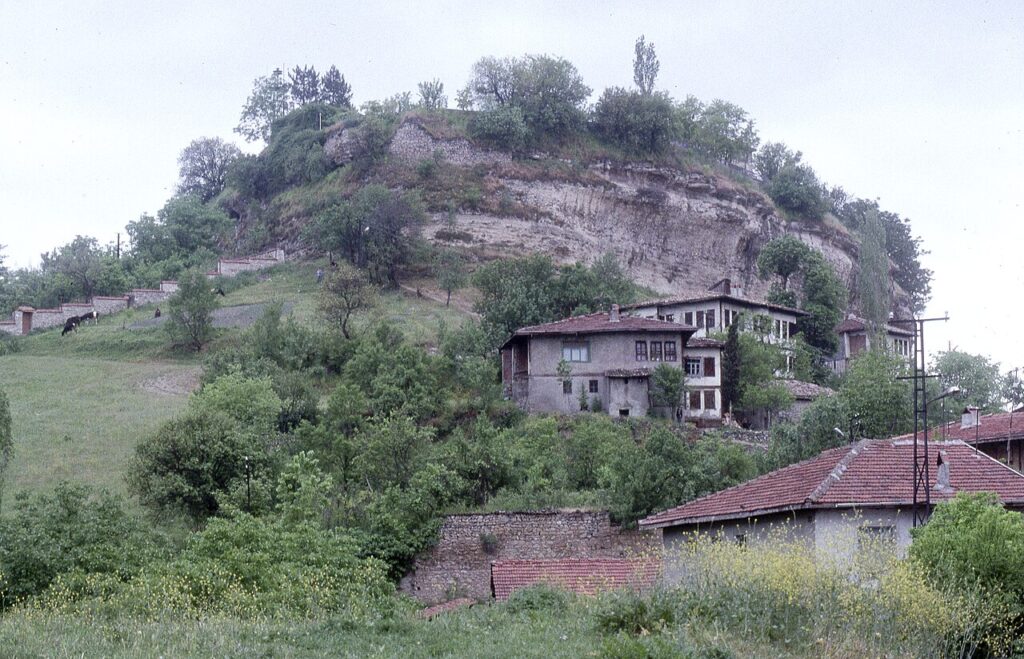
Spring (March–May): The Town Wakes Up
March and early April are the quiet months: the winter easing, the town fresh, and the crowds thin. The traveler who comes early in the spring finds the town at its most local.
May is where the town turns. The days warm, the green reaches its fresh spring height, the blossom appears, and the town opens fully for the season. The crowds are still light, the prices are reasonable, and the town has the freshness of the year’s beginning.
Best for: the freshest green, the quiet town, budget-conscious early-season travelers, and photographers who want the clean light.
Summer (June–August): The Full Season
June is the beginning of the summer, and it is many visitors’ favorite month: the town at its most comfortable, the crowds not yet at their peak, and the long days.
July and August are the peak. The old town is at its busiest — the famous historic destination drawing the day-trippers and the full konaks. The honest caveats: it is the busiest and most expensive season, and the good konaks fill far ahead. Book early, go early for the lanes, and enjoy the town at its liveliest.
Best for: the fullest town, the long warm evenings, the summer holiday, and the classic visit.

Autumn (September–November): The Golden Months
September is many regulars’ favorite month. The summer crowds thin, the weather stays pleasant, and the town has the ease of the late season — the same beauty, with more room and better prices.
October is the town at its most atmospheric: the low golden light over the rooftops, the lanes quiet, and the historic place at its most itself. It is the photographer’s month and the connoisseur’s season.
November is the closing month: the weather turns cool, the crowds thin further, and the town moves toward the winter.
Best for: the golden light, the quieter town, photography, and the best balance of weather and crowds.
Winter (December–March): The Snow Town
Winter Safranbolu is the town at its most beautiful for many travelers: the snow dusting the rooftops of the Ottoman houses, the lanes quiet, and the warmth of the konaks as the center of the days. It is cold — a real continental winter, with snow and freezing nights — and the atmosphere is the season’s gift: the town almost to itself, the light low and soft, and the historic place at its most intimate.
The winter suits the traveler who loves the atmosphere of a winter town: the snow walks, the photography, the konak evenings, and the local food at its most comforting. The practical realities matter — the region’s roads can be icy, and the accommodation needs the confirmation — but the reward is the town at its most magical.
Best for: the snow and the atmosphere, photographers, budget travelers, and anyone who wants the town to themselves.

Month-by-Month Quick Reference
| Month | Weather | Crowds | Vibe |
|---|---|---|---|
| January | Cold, snowy | Empty | Snow town |
| February | Cold, snowy | Empty | Snow town |
| March | Cool, easing | Very light | Winter’s end |
| April | Mild | Light | Spring opening |
| May | Warm, fresh | Moderate | Spring green |
| June | Warm–pleasant | Building | Early summer |
| July | Warm–hot | Peak | Full summer |
| August | Warm–hot | Peak | Full summer |
| September | Pleasant | Falling | Golden ease |
| October | Cool, golden | Light | Golden atmosphere |
| November | Cool | Empty | Closing down |
| December | Cold, snowy | Empty | Snow town |
Matching the Season to Your Priorities
The fullest town? July and August — the lanes, the konaks, and the long warm evenings at their liveliest.
The best balance of weather and crowds? June and September — the town at its best without the peak.
The atmosphere? October — the golden light over the rooftops, and the quiet.
The snow and the charm? December through March — the town transformed, and the konaks’ warmth as the retreat.
Best value? May, September, October, and the winter — the same town at a fraction of the summer prices.
Photography? The early mornings all year, October for the golden light, and the winter for the snow.
Families? June and September — pleasant weather, thinner crowds, and the town’s family activities at their best.

Seasonal Notes Worth Knowing
- Book ahead in the summer. The good konaks fill far ahead in July and August — and the famous town means even the shoulder seasons need advance planning.
- The winter is the secret. For the traveler who loves the atmosphere, the winter town — the snow, the quiet, and the konaks — is the connoisseur’s season, at the best prices of the year.
- The mornings are the calm. In every season, the lanes before the day-trippers are the town at its best.
- The region’s weather changes. The inland climate swings — the layers and the preparation matter, in every season.
The Rhythm of the Seasons
The town’s year has its own rhythm, and the traveler who understands it gets the best of every season. The year begins in the winter quiet — the snow town, the konaks’ warmth, and the town almost to itself. The spring brings the freshness and the first light crowds. The summer brings the fullness — the long evenings, the busy lanes, and the town at its most alive. And the autumn brings the golden ease — the light, the quiet, and the sense of the year closing in beauty. The town’s seasons are not a question of better or worse but of character: the same lanes and the same konaks, given different faces by the time of year. The traveler who matches the visit to the character they want — the snow’s intimacy, the summer’s fullness, or the autumn’s golden calm — finds Safranbolu giving exactly what they came for.
The Takeaway
Safranbolu is a town with distinct seasons, and choosing between them is the first decision of the trip. Come in the summer for the fullest town, in June or September for the best balance, in October for the golden light, or in the winter for the snow, the quiet, and the konaks’ warmth. There is no wrong answer — only the season that matches what you came for. Pick that, and the town will give you the rest.
Frequently asked questions
What is the best month to visit Safranbolu?
For most people, June or September: the town at its best with the crowds thinned. October for the golden light, and the winter for the snow and the atmosphere.
Is Safranbolu hot in summer?
Warm, occasionally hot — daytime highs of 25–32°C, with comfortable evenings and the shaded lanes and the courtyards softening the heat.
Is Safranbolu very crowded in summer?
Yes — it is one of Turkey’s great historic destinations, and July and August bring the day-trippers and the full konaks. The early morning is the calmest hour.
Is Safranbolu good in winter?
Yes — for many travelers, it is the most beautiful season: the snow on the rooftops, the quiet, and the warmth of the konaks.
When is Safranbolu cheapest?
The winter, followed by May, September, and October. Prices rise steeply for the summer months.
Is the snow common in Safranbolu?
Yes — the winter brings the snow, and the snow-covered town is one of the great winter sights of Turkey.

All Over Information
The All Over Information editorial team researches and writes practical English-language guides to Turkey. Facts are checked against official and local sources before publication, prices are published as dated ranges rather than quotes, and guides are revised when things change. We accept no sponsored posts, paid placements or paid links.
More guides like this

Family-Friendly Activities in Safranbolu
Safranbolu is a town that works wonderfully for families — not because it is a resort with kids' clubs, but because it…
Hidden Gems of Safranbolu Most Tourists Miss
Safranbolu is one of Turkey's great historic towns, and the crowds follow a well-worn circuit — the main lanes of Çukur, the…
Photography Spots in Safranbolu You Can’t Miss
Safranbolu is one of the most photographed towns in Turkey, and the reason is visible from the first moment you see it:…

Safranbolu on a Budget: Money-Saving Travel Tips
Safranbolu is one of Turkey's great historic towns, and it is also one of the most affordable — the old town's lanes…
Safranbolu in Summer: A Complete Travel Guide
Summer is Safranbolu at its fullest — the old town at its liveliest, the konaks full, the lanes busy with visitors, and…
A Solo Traveler’s Guide to Safranbolu
Safranbolu is a destination that suits the solo traveler beautifully, and it works on both of the solo registers at once.