Amasra is not a shopping town in the way of the Grand Bazaar or a resort’s boutique strip — there are no carpet emporiums or jewelry arcades, and the tourist shops are few. What the town offers instead is the shopping of a real working place: the produce of the Black Sea and its hills, the region’s food, the local crafts, and the honest daily goods of a fishing town. For the traveler who wants to take something of the place home, the real shopping in Amasra is in the food, the market, and the small local products — and the best souvenirs are the ones that taste and smell of the region. This guide covers what is genuinely worth buying in and around Amasra, where to find it, and what to skip.
The Honest Shopping Landscape
Here is the reality: Amasra is a small working town, and the shopping is correspondingly modest. What you will find:
- The town’s shops and small groceries — selling the daily essentials, the local food, and the region’s produce.
- The market — the local market, on its market days, with the produce, the fish, and the goods of the region.
- A thin scattering of tourist shops — the beach items, the souvenirs, and the inevitable trinkets, aimed at the summer crowds.
- The regional produce — the Black Sea’s honey, hazelnuts, fish products, and the food of the hills.
The smart approach is to treat shopping as a small, incidental pleasure — buy the food of the region because it is good, not because the itinerary demands a shopping stop.
What Is Genuinely Worth Buying
The Black Sea’s food. The region’s food is the best shopping in Amasra, and it travels well: the honey of the hills, the hazelnuts (the Black Sea is Turkey’s great hazelnut country), the local cheeses, and the fruit of the region. A bag of hazelnuts or a jar of honey is the taste of the place, and it makes the best souvenir.
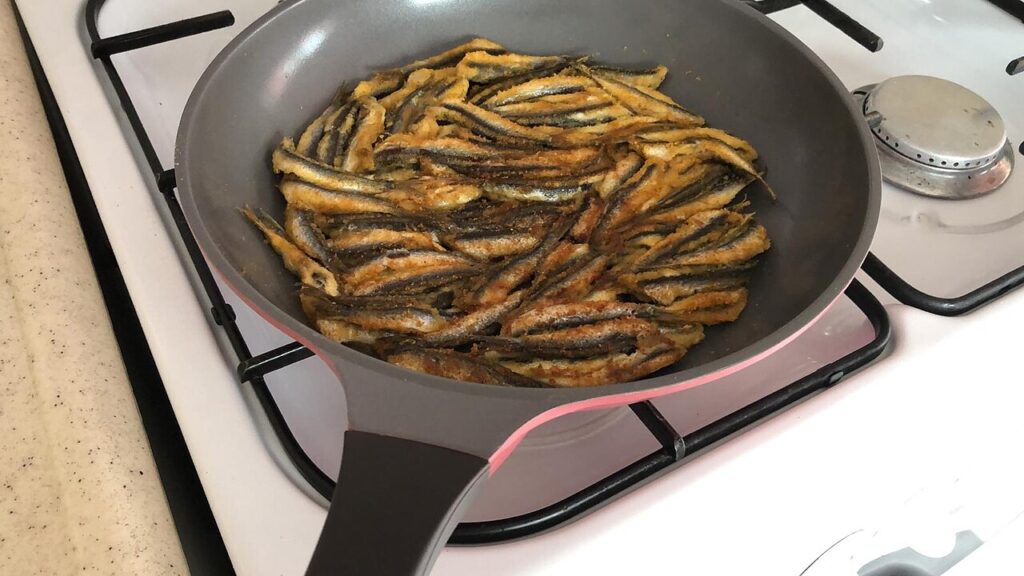
The fish products. The fishing town’s produce — the smoked and dried fish, the hamsi products, and the fish of the region prepared for taking home. For the food traveler, these are the most authentic buy in the town.
The local crafts. The region has a modest craft tradition — the woodwork, the textiles, and the handmade goods of the Black Sea. The tourist shops carry a thin version of it; the honest local work is worth seeking out.
Simple beach essentials. If you forgot something — a water bottle, sunblock, a cheap towel — the town’s shops have you covered at honest prices.
What to skip: the mass-produced trinkets, the “authentic” antique shops, and anything designed for tourists who will never come back. Amasra rewards discrimination, and the real shopping is in the food.
Where to Shop
The town’s shops. The small shops and groceries of the town are the practical base — the daily essentials, the local food, and the region’s produce, at honest prices.
The market. The local market, on its market days, is where the real shopping happens — the produce, the fish, the cheese, and the goods of the region, with the full color of a Turkish market. Ask at your pension which day the market falls on.
Bartın. The provincial capital, a short drive away, has the fuller commercial range — the shops, the markets, and the working-town shopping that Amasra’s scale cannot offer.
The villages of the interior. The villages behind the coast sell their own produce — the honey, the hazelnuts, the cheese — directly from the producers. These are the most authentic places to buy, and the villages are a pleasant drive in themselves.
The Practical Shopping Guide
- Cash is king. The small shops, the market, and the village stalls are cash operations. Carry lira.
- Seasonality rules. The produce is at its best in its own season — the hazelnuts in the late summer and autumn, the fish with the seasons, the honey all year. Buy what is in season and it will be at its best.
- Prices are honest. Amasra is a working town, and the prices are fair. Haggling is not expected at the shops the way it is in the bazaars of the big cities.
- Check the transport. If you are flying home, remember the liquid and customs rules for the honey, the fish products, and the produce — pack them for the journey accordingly.
- Ask the pension. The hosts know who sells the best honey, which day the market falls on, and where the village producers are. A question at breakfast is the best shopping research available.

Souvenirs That Are Not Things
It is worth saying the obvious: Amasra’s best purchases are not objects. The jar of honey is lovely, but the real keepsakes are the ones you cannot wrap — the photographs of the castle on its island, the memory of a fish dinner over the harbor, the sound of the sea and the fishing boats, and the feeling of a town that belongs to itself. Buy the hazelnuts and the honey, by all means; but do not let the search for souvenirs steal time from the reason you came.
A Suggested Shopping Plan
- Day to day: use the town’s shops for the daily essentials and the local food. Buy a jar of honey or a bag of hazelnuts when you find them.
- If a market falls in your week: take the morning, buy the produce and the cheese, and come home with the makings of a picnic that tastes like the region.
- If you make the Bartın trip: use the town’s shops and market for anything more substantial.
- On the last day: pick up the small things — the honey, the hazelnuts, the one local craft you actually love — and let the rest of the budget stay unspent.
What to Buy at the Market
The market is the best shopping show in the region, and knowing what to look for makes it a pleasure rather than a wander. The fruit and the vegetables come from the green hills and the farms of the region — the corn, the greens, and the seasonal produce of the Black Sea. The cheese is the local white cheese and the region’s varieties, sold by weight from the stalls. The fish is the day’s catch from the coast, at its honest best in the morning. And the honey, the hazelnuts, and the preserves are the region’s pantry, jarred and sold by the producers themselves. Buy what is in season, taste what the stallholders offer, and let the market tell you what the region is eating this week — that is the truest shopping in Amasra.
The Hazelnut Country
One thing deserves its own note: the Black Sea is Turkey’s great hazelnut country, and Amasra sits at the heart of it. The hazel groves cover the hills behind the town, and the hazelnuts — fresh, roasted, or ground into the local preparations — are the region’s signature product. Buying hazelnuts in Amasra is not a tourist transaction; it is buying the region’s real harvest, from the place where the world’s hazelnuts largely grow. A bag of the local hazelnuts, bought in season, is the taste of the Black Sea hills — and the souvenir that every food-loving traveler should take home from this coast.

The Takeaway
Shopping in Amasra is a lesson in proportion. The town does not try to sell you things; it quietly offers the honest products of its place — the hazelnuts and the honey of the hills, the fish of the Black Sea, the produce of the working town — and lets you take or leave them. Buy the food, enjoy the market, and spend the rest of your budget on the things that cannot be purchased: the days by the harbor, the castle in the morning light, and the memory of a town that belongs to itself. That is the real souvenir of Amasra.
Frequently asked questions
Is there good shopping in Amasra?
For the region’s food — the honey, the hazelnuts, the fish products — yes, the town’s shops and the market are honest and good. For general tourist shopping, the town is small; Bartın and the villages have the fuller range.
What should I buy in Amasra?
The Black Sea’s hazelnuts and honey, the local cheeses, the fish products, and the region’s produce. Skip the mass-produced trinkets.
Are there markets in Amasra?
Yes — the local market on its market days, and the fuller markets of nearby Bartın. Ask your pension which day falls when.
Do I need cash for shopping in Amasra?
Yes. The small shops, the market, and the village stalls are cash operations, so carry lira.
Is there a souvenir shop in Amasra?
A thin scattering of tourist shops exists for the summer trade; the real shopping is in the food and the market.
Can I bargain in Amasra?
At the market, gentle bargaining is traditional; at the shops, prices are fair and haggling is generally not expected.

All Over Information
The All Over Information editorial team researches and writes practical English-language guides to Turkey. Facts are checked against official and local sources before publication, prices are published as dated ranges rather than quotes, and guides are revised when things change. We accept no sponsored posts, paid placements or paid links.
More guides like this

Amasra in Summer: A Complete Travel Guide
Summer is when Amasra becomes the town most people know — the beaches fill, the harbor bustles, the boats run daily, and…

The Best Day Trips from Amasra
Amasra is a town you could happily never leave — the castle, the harbor, and the views could fill a week on…

Nightlife Guide to Amasra
Let's be clear about what nightlife means in Amasra, because the town has nothing to do with neon, DJs, and queues —…
A Solo Traveler’s Guide to Amasra
Amasra is a wonderful solo destination, and it works on both of the solo traveler's registers at once.
A First-Timer’s Guide to Amasra
Amasra is the postcard of the Turkish Black Sea coast — a small town that wraps around two peninsulas on the sea,…
A Foodie’s Guide to Amasra
Amasra is one of the most distinctive food towns in Turkey, and the reason is simple: it is a fishing port on…